 Author:



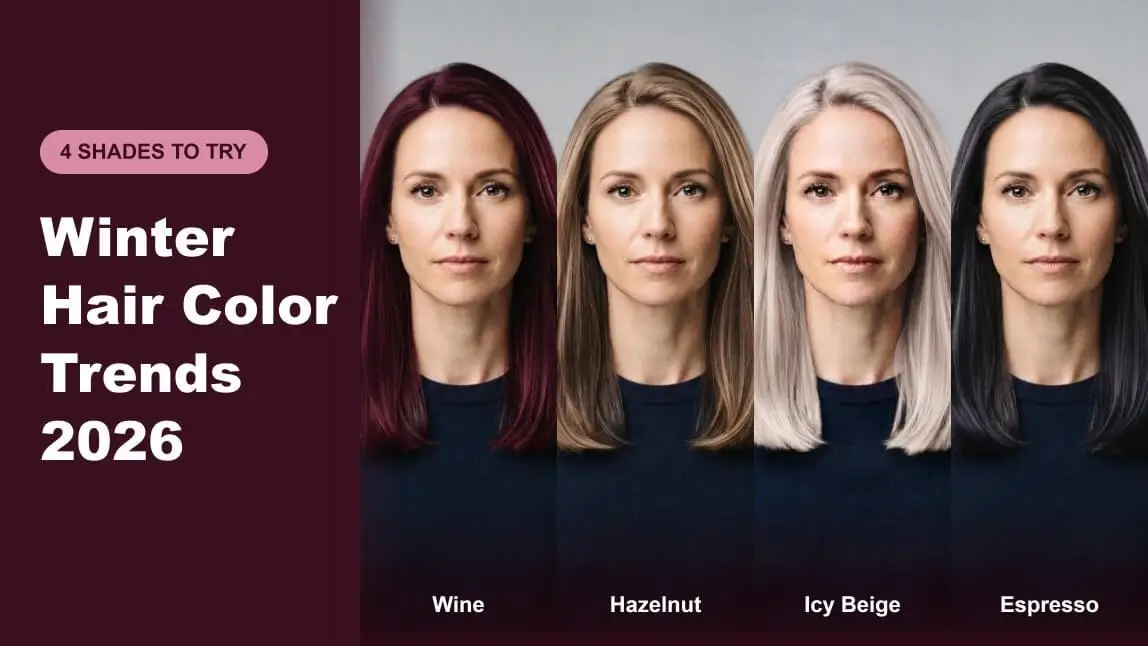
Winter color trends are less about reinventing yourself and more about picking the right depth and tone for cold-weather light. This season the shades getting the most attention lean rich and edible: a wintery wine, creamy gourmand browns, a near-black midnight espresso and cool, icy beige blondes, all of which Zoe Report's winter shade round-up points to.
The hard part is not choosing from a list but knowing which one suits your undertone and how much upkeep you will actually keep up with. Below you will find all four shades, a quick chooser, and the exact wording to bring to your colorist. Our previews are AI renders on one consistent model so the shades are easy to compare side by side.
🔑 Key Takeaways
- Wintery Wine: plum-leaning burgundy that flatters cool and neutral undertones.
- Frosted Hazelnut: soft, creamy light brown, the easiest crowd-pleaser for warm and neutral undertones.
- Icy Beige: cool champagne blonde with the highest upkeep of the four.
- Midnight Espresso: glossy near-black brown that is the lowest effort and suits nearly every undertone.
- Tone beats trend: ask for the undertone, not just the shade name.
The four winter shades at a glance
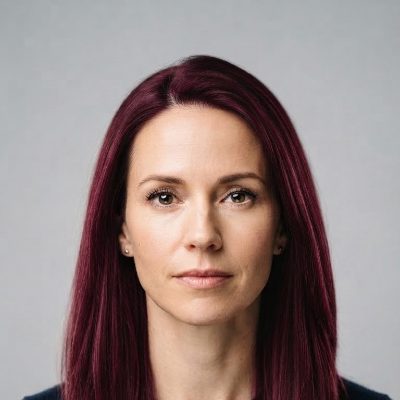
Wintery Wine
A deep burgundy with plum undertones that reads almost brown indoors and glows red in daylight.

Frosted Hazelnut
A soft light brown with a pale, creamy sheen, the gourmand brown that keeps depth without looking heavy.

Icy Beige
A pale, cool champagne blonde that leans silvery rather than golden.
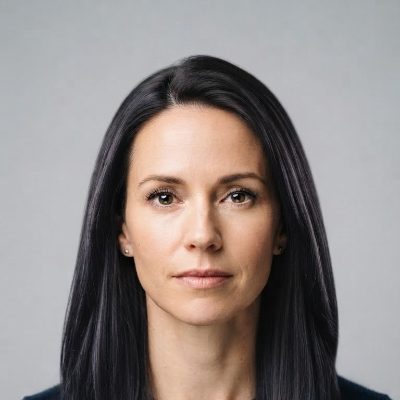
Midnight Espresso
A very dark, glossy cool brown that sits just short of black.
Style previews are AI renders made with YouCam to compare shades on the same model; real results depend on your base color, hair history and salon technique.
Which winter shade fits you?
This is a quick guide, not a diagnosis. Pick your undertone and how much upkeep you want, and it points to the shade that usually works best.
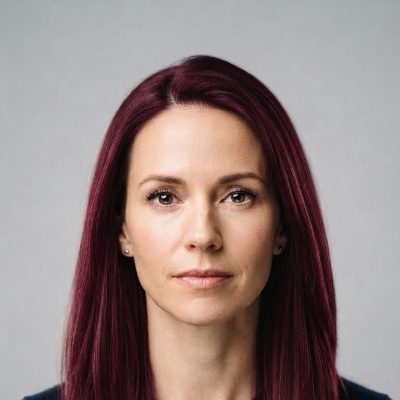
Wintery Wine
Why it suits: Cool and neutral undertones tend to wear wine best because the plum side of the shade flatters rather than competes with the skin.
Ask your colorist: Ask for a burgundy base with a plum or violet tint, applied as an all-over gloss or full color, and mention you want it to fade toward a soft berry rather than orange.
Skip: Avoid very warm copper-red bases if you want the cool, wintery look; they can pull orange as the color fades.

Frosted Hazelnut
Why it suits: Warm and neutral undertones usually look best because the golden-beige highlights echo natural warmth in the skin.
Ask your colorist: Ask for a light brown base with fine, low-contrast highlights and a cool gloss to keep the frosted finish from turning brassy.
Skip: Avoid heavy chunky highlights, which can break up the soft, blended finish.

Icy Beige
Why it suits: It suits cool and neutral undertones and works well with a clear, bright complexion, since very pale hair can wash out skin that has little contrast.
Ask your colorist: Ask your colorist how much lightening your current hair needs, plan a purple or blue toner for upkeep, and book regular gloss visits.
Skip: Avoid skipping bond-care and toner maintenance; pale blonde shows brassiness and dryness fastest.
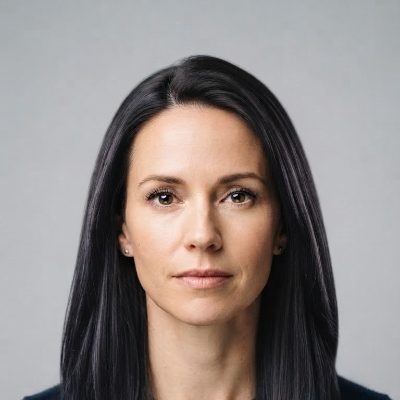
Midnight Espresso
Why it suits: It is the lowest-effort shade of the four and suits almost every undertone, especially when you want shine and depth rather than a visible color change.
Ask your colorist: Ask for a dark brown base with a clear or cool-brown gloss, and request that the roots be matched to the lengths.
Skip: Avoid flat, single-tone box dye on previously lightened hair; it can look inky rather than glossy.
How to ask your colorist for it
Shade names vary from salon to salon, so describe the result. Bring one reference photo, say whether you want the tone warmer or cooler, and name what you do not want. Colorists can only work from your current base and hair history, so be upfront about past box dye or bleach.
| Shade | Best undertone | Upkeep |
|---|---|---|
| Wintery Wine | Cool, neutral | Medium: color-safe shampoo and a gloss as it fades |
| Frosted Hazelnut | Warm, neutral | Low to medium |
| Icy Beige | Cool, neutral | High: toner and bond care |
| Midnight Espresso | Almost all | Low |
Tip: winter light is flatter than summer light, so shades often look deeper outdoors than in the salon mirror. Check your color near a window before you commit.
Keeping winter color healthy
Cold air and indoor heating dry hair out, and dry hair reflects less light, which dulls any shade. Use a color-safe shampoo, a weekly mask, and heat protectant when you style. For the shades that fade toward warmth, a gloss between full appointments refreshes tone without a full recolor.
Try a winter shade on your own photo first
A swatch on a card never looks the same on your skin, and a dye job is hard to undo. A virtual hair color try-on lets you test a shade on your own photo, compare it with your current color, and walk into the salon with a reference you have actually seen on yourself.
Start with a clear photo
Use natural light, hair down and a plain background so the shade shows up accurately.
Pick a shade and compare
Try wine, espresso or icy beige in turn and flip between them without committing to any.
Save it for your colorist
Keep the result and show it at your appointment next to the shade name.
What a hair color try-on is useful for
See it against your own features
Skin tone and eye color change how a shade reads, which a swatch cannot show you.
Compare before you commit
Look at two or three winter shades side by side instead of guessing from names.
Fewer salon surprises
Bring a visual reference so you and your colorist are describing the same result.
Preview bold changes safely
Going from dark brown to icy blonde? See the look first, before any bleach.

AI Hair Color Try On
Preview hair colors on your own photo before you book the appointment.
FAQ
Which winter hair color is the lowest maintenance?
Midnight espresso and frosted hazelnut ask the least of you because they sit close to a natural brown, so roots grow out gently.
Will icy beige blonde work on dark hair?
It is possible, but dark hair has to be lightened substantially first, which takes more than one visit and good bond care. Talk to a colorist about timeline and cost before you start.
How do I stop wine color from fading orange?
Start from a cool, plum-leaning base, wash with cool water and a color-safe shampoo, and refresh with a gloss rather than waiting for a full recolor.
How do I know my undertone?
A common at-home check is to look at your wrist veins in daylight: blue or purple leans cool, green leans warm, and a mix is usually neutral. It is a rough guide, so a colorist's read is more reliable.
Are the images in this article real photos?
No. The shade previews are AI renders made with YouCam on one consistent model so the tones are comparable. Real results vary.
Can I try a hair color on a photo instead of the live camera?
Yes. You can preview a shade on a photo of yourself, which is handy when you want to compare a few options at your own pace.
Does a virtual try-on show exactly how the dye will turn out?
No. It shows how a shade looks against your features. The real result depends on your starting color, hair history and the formula your colorist uses, so treat it as a reference rather than a promise.
What kind of photo works best?
A front-facing photo in soft natural light with your hair visible and loose. Heavy filters or harsh shadows make shades harder to judge.