 Author: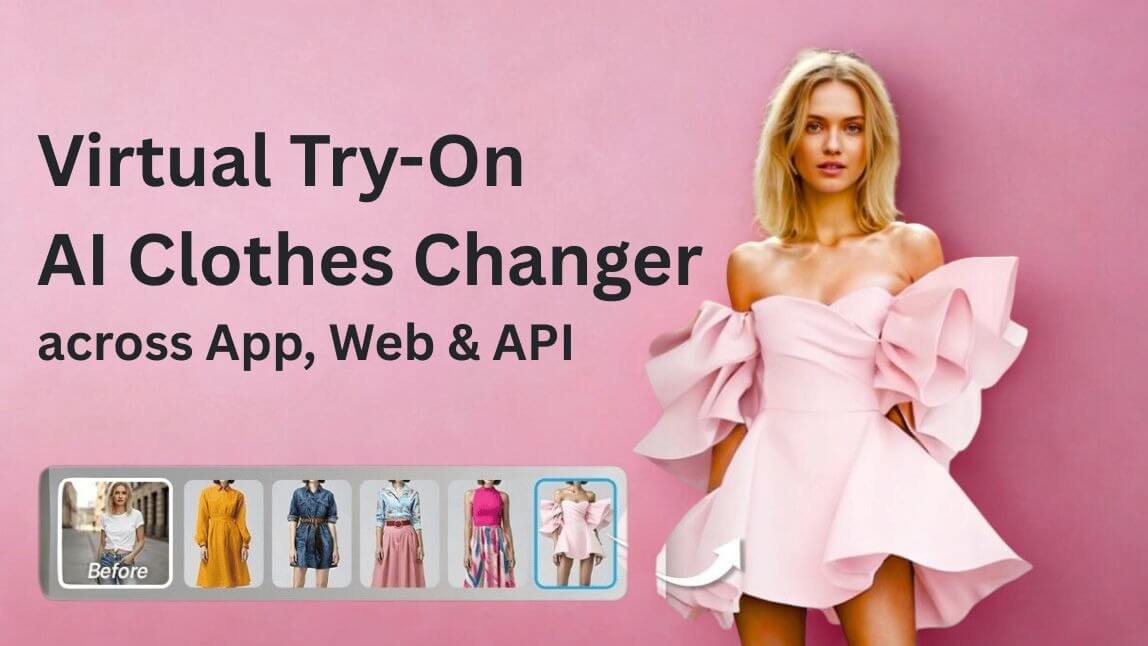
Online fashion shoppers do not only ask, “Will this fit?” They also ask, “Will this look right on me?” When product pages rely on static model images, shoppers have to guess how a garment may look on their body type, size, proportions, and styling preferences. That uncertainty can lead to abandoned carts, higher return rates, and lower customer confidence.
AI clothes try-on helps reduce that uncertainty by giving shoppers a more visual way to preview clothing before they buy. Instead of relying only on size charts, flat product photos, or a single model image, shoppers can see a realistic outfit preview on a personal photo, model avatar, or digital shopping experience.
For fashion retailers, this creates a smarter path to conversion. Shoppers feel more confident before checkout, while brands can create a more personalized e-commerce experience designed to reduce avoidable returns and increase purchase confidence.
For brands that want to add virtual try-on to a website, app, or digital shopping journey, Perfect Corp.’s AI Clothes Changer offers scalable AI clothes try-on technology built for realistic outfit visualization.
Key Takeaways
- AI clothes try-on helps fashion brands reduce purchase uncertainty by letting shoppers preview garments before checkout.
- Virtual try-on can support stronger e-commerce performance by improving shopper confidence, product engagement, and decision-making.
- The biggest opportunity is not only showing clothes digitally, but placing try-on at the right moments across the shopping journey.
- For retailers, AI clothes try-on works best when it is connected to product pages, size guidance, styling recommendations, and checkout flows.
Table of Contents ▼ Click to Expand
- Why Fashion E-Commerce Returns Happen
- How AI Clothes Try-On Helps Reduce Return Risk
- Why Body Type Representation Matters in Online Fashion
- How AI Clothes Try-On Technology Works
- Where Retailers Should Add Virtual Try-On
- AI Clothes Try-On for Accessories
- AI Clothes Try-On vs. Traditional Product Pages
- How Perfect Corp.’s AI Clothes Changer Supports Fashion Brands
- Keep Exploring AI Clothes Try-On Solutions
- FAQs About AI Clothes Try-On
Why Fashion E-Commerce Returns Happen
Fashion e-commerce returns often start before checkout. When shoppers cannot clearly understand how an item may look on their body, they are forced to make a decision with incomplete information.
Traditional product pages usually rely on static images, limited model representation, and standard size charts. These assets are useful, but they do not always answer the shopper’s most important questions:
- Will this item look flattering on my body type?
- Will the length, shape, or proportions work for me?
- Will the color, cut, or styling match what I imagined?
- Will the product look similar in real life?
When shoppers are unsure, they may abandon the cart, order multiple sizes, or buy the item and return it later. For retailers, this creates higher operational costs, more reverse logistics, and a weaker customer experience.
AI clothes try-on helps close this gap by giving shoppers a more realistic visual preview before they make a purchase decision.
How AI Clothes Try-On Helps Reduce Return Risk
AI clothes try-on helps reduce return risk by improving the quality of the decision before checkout. Instead of asking shoppers to imagine how a garment may look, virtual try-on gives them a clearer visual reference.
For fashion retailers, this can support several business goals:
- Improve purchase confidence: Shoppers can preview styles before buying, which helps reduce hesitation.
- Reduce fit and style uncertainty: Visual try-on helps shoppers understand proportions, outfit shape, and styling better than static photos alone.
- Increase product engagement: Interactive try-on experiences can keep shoppers exploring more products, styles, and categories.
- Support more inclusive shopping: Shoppers can see clothing across different body types, images, or avatars instead of relying on one standard model.
- Create a stronger path to checkout: When shoppers feel more informed, they are more likely to move from browsing to purchase.
The goal is not to replace size charts, product photography, or detailed descriptions. The goal is to make the shopping experience more complete by adding a visual decision-making layer.
Why Body Type Representation Matters in Online Fashion
Body type representation matters because shoppers do not experience clothing in the same way. The same garment can look very different depending on height, proportions, body shape, posture, and styling preference.
For example, a midi dress may look longer on a petite shopper, while a tunic top may appear shorter on someone with a taller frame. A jacket may look structured on one body type but oversized on another. These differences influence how confident a shopper feels before buying.
When online product pages show only one model, shoppers may struggle to understand whether the item is right for them. AI clothes try-on gives retailers a more flexible way to support broader visual representation and help more shoppers feel included in the digital shopping experience.
How AI Clothes Try-On Technology Works
AI clothes try-on uses artificial intelligence to create a realistic preview of how clothing may look on a person, model, or uploaded image. Instead of showing only a flat product photo, the technology maps the garment onto the user’s body shape, pose, and proportions to create a more personalized outfit visualization.
This matters for fashion e-commerce because shoppers need more than product information. They need visual confidence. A realistic try-on experience can help them understand how a garment may look in context before they buy.
The process usually works in three simple steps:
- The shopper uploads a photo, uses a live camera, or selects a model avatar.
- The AI detects body shape, pose, and key visual landmarks.
- The selected garment is applied to the image with realistic proportions, styling, and visual alignment.
This creates a more interactive shopping experience than static product images alone.
Where Retailers Should Add Virtual Try-On
AI clothes try-on works best when it is placed where shoppers naturally make decisions. For fashion e-commerce brands, the most valuable placements include:
- Product pages: Add virtual try-on near the main product images so shoppers can preview the item before selecting a size or adding it to cart.
- Category pages: Let shoppers compare different styles visually while browsing dresses, tops, bottoms, outerwear, or accessories.
- Personalized recommendation modules: Use try-on to help shoppers explore similar styles, outfit combinations, or seasonal edits.
- Cart and pre-checkout pages: Give shoppers one final chance to confirm style confidence before completing the purchase.
- Mobile shopping flows: Make try-on easy to access from mobile product pages, since many fashion shoppers browse and buy directly from their phones.
The strongest results come when virtual try-on is not treated as a hidden feature. It should be part of the normal shopping journey, helping customers move from interest to confidence to purchase.
AI Clothes Try-On for Accessories
AI clothes try-on is not limited to apparel. It can also support online retailers selling accessories like shoes, handbags, scarves, and hats. Although accessories are often marketed as “one size fits all,” size, shape, and proportion still influence whether shoppers feel confident about a purchase.
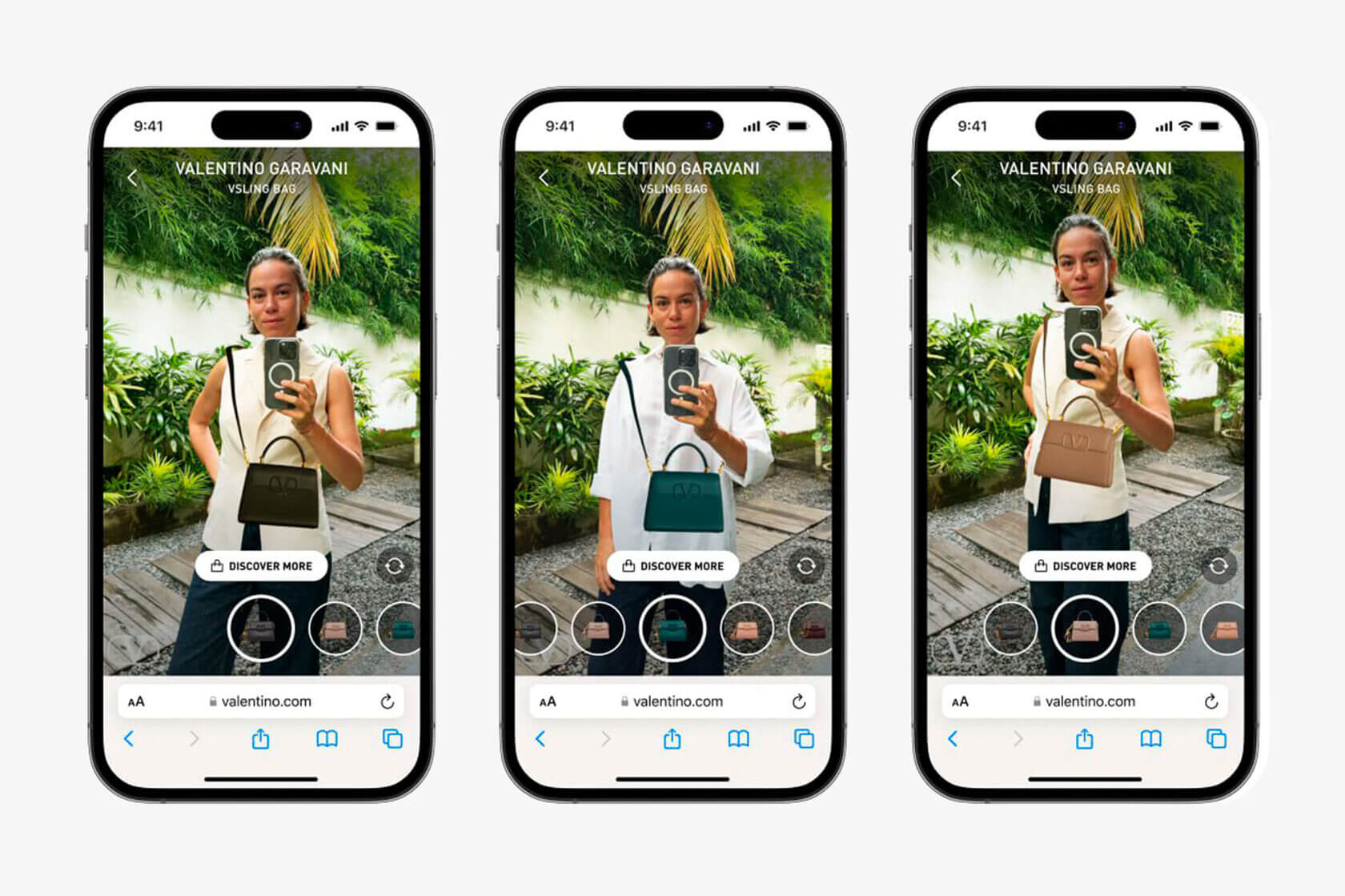
For example, a shopper with a petite frame may not like the look of an oversized bag if it appears too large next to their body. Similarly, a tall shopper with long, voluminous hair may not prefer a short-brimmed hat if it looks visually unbalanced.
When shopping online, it can also be difficult to understand the size of accessories from product images alone. A virtual try-on experience gives shoppers a better sense of scale and proportion before they buy.
With an AI-powered virtual fitting room, customers can make more informed style decisions and have more confidence in the online brands they buy from.
AI Clothes Try-On vs. Traditional Product Pages
Traditional product pages give shoppers useful information, but they often leave too much to the imagination. AI clothes try-on adds a visual layer that helps shoppers evaluate style and fit more confidently.
Traditional product pages usually include product photos, size charts, model measurements, and written descriptions. These elements explain the item, but they do not always show how it may look on different shoppers.
AI clothes try-on gives shoppers a more personalized preview. They can see how an item may look on a body, pose, or model image that feels more relevant to them. This makes the experience more interactive, more visual, and more useful for decision-making.
For retailers, the value is clear: better-informed shoppers are more likely to buy with confidence and less likely to return products because the item did not match their expectations.
How Perfect Corp.’s AI Clothes Changer Supports Fashion Brands
Perfect Corp.’s AI Clothes Changer helps fashion brands, retailers, and developers add realistic clothes try-on experiences to digital shopping journeys. The technology is designed to support outfit visualization across websites, apps, and e-commerce experiences.
With AI Clothes Changer, brands can help shoppers preview clothing styles before purchase, explore outfit variations, and feel more confident while browsing. For business teams, this creates a stronger way to connect product discovery, personalization, and conversion.
AI clothes try-on can support:
- Fashion e-commerce product pages
- Virtual fitting room experiences
- Mobile shopping apps
- Digital styling journeys
- Product visualization for campaigns and lookbooks
Retailers can use this technology to reduce uncertainty, improve engagement, and create a more modern online shopping experience.
Bring AI Clothes Try-On to Your Fashion E-Commerce Experience
Help shoppers preview outfits, reduce uncertainty, and buy with more confidence using Perfect Corp.’s AI Clothes Changer.
Keep Exploring AI Clothes Try-On Solutions
Learn more about virtual try-on, AI fashion tools, and e-commerce integrations that help shoppers make more confident style decisions.
Explore realistic clothes try-on technology for websites, apps, and digital shopping journeys.
API solution Clothes Try-On API for DevelopersSee how teams can connect virtual try-on into fashion apps and e-commerce platforms.
Related article Virtual Clothes Changer for RetailLearn why online retailers use clothes try-on to improve shopper confidence and conversion.
Use case Build a Clothes Try-On AppUnderstand how app teams can create virtual outfit try-on experiences with AI APIs.
Fashion AI AI Fashion Try-On for TeamsDiscover fashion visualization tools for design, marketing, and digital product workflows.
FAQs About AI Clothes Try-On
What is AI clothes try-on?
AI clothes try-on is a virtual fitting technology that lets shoppers preview clothing on a photo, model, or digital shopping experience before buying. It helps shoppers see how outfits may look on different body types, poses, and styling preferences.
How does AI clothes try-on help reduce fashion returns?
AI clothes try-on helps reduce return risk by giving shoppers a clearer visual preview before checkout. When shoppers better understand how an item may look, they can make more confident purchase decisions and avoid buying products that do not match their expectations.
Can fashion retailers add AI clothes try-on to an e-commerce website?
Yes. Fashion retailers can add AI clothes try-on to product pages, mobile apps, virtual fitting room experiences, and digital shopping journeys. API-based solutions can also help developers integrate try-on technology into existing platforms.
What types of clothing can AI clothes try-on support?
AI clothes try-on can support many fashion categories, including tops, bottoms, dresses, jackets, full outfits, and selected accessories. The exact supported categories depend on the solution and integration setup.
Is AI clothes try-on different from a size chart?
Yes. A size chart provides measurements, while AI clothes try-on provides visual context. The best shopping experience uses both: size guidance for measurement confidence and virtual try-on for visual confidence.
Where should retailers place AI clothes try-on?
Retailers should place AI clothes try-on near key decision points, such as product pages, category pages, mobile shopping flows, cart pages, and personalized recommendation modules.

This article was edited and reviewed by the Perfect Corp. editorial team.
Welcome to contact us or give us more suggestions.