Author: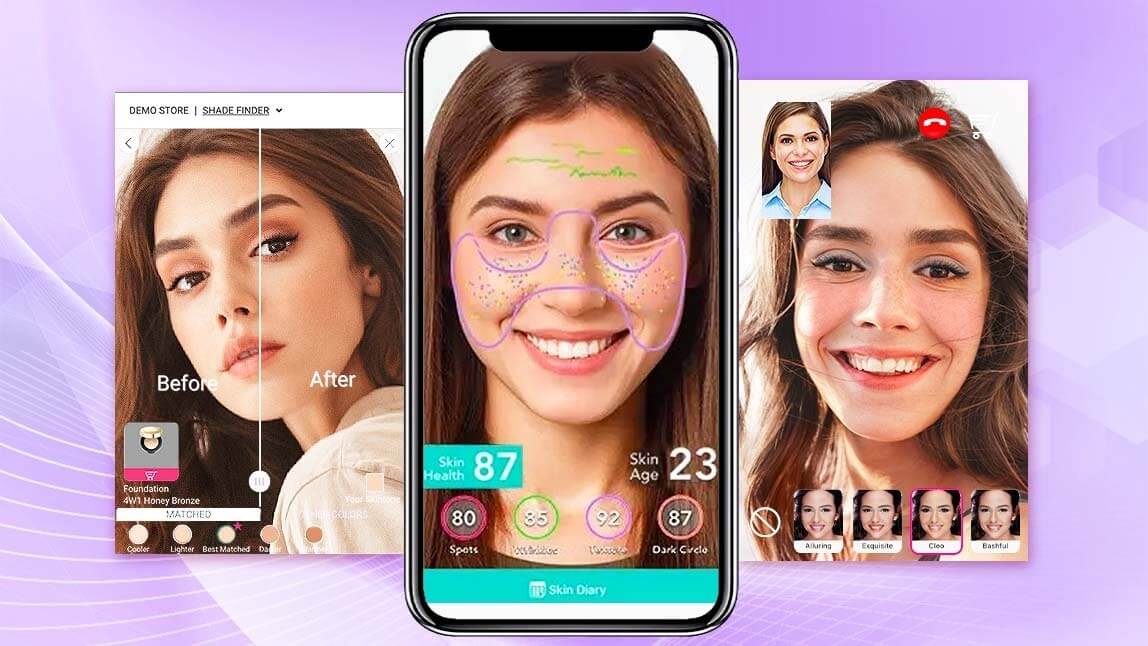
Facial analysis helps beauty brands turn visible facial attributes into more relevant product discovery.
Instead of asking shoppers to describe their face shape, coloring, or beauty preferences through a long quiz, AI can assess a customer-provided photo and surface useful feature insights in seconds
Those insights can support personalized makeup, skincare, hairstyle, eyewear, and virtual try-on experiences. For brands, the objective is not to judge a face—it is to help customers explore products and looks with greater clarity and confidence.
What Is Facial Analysis?
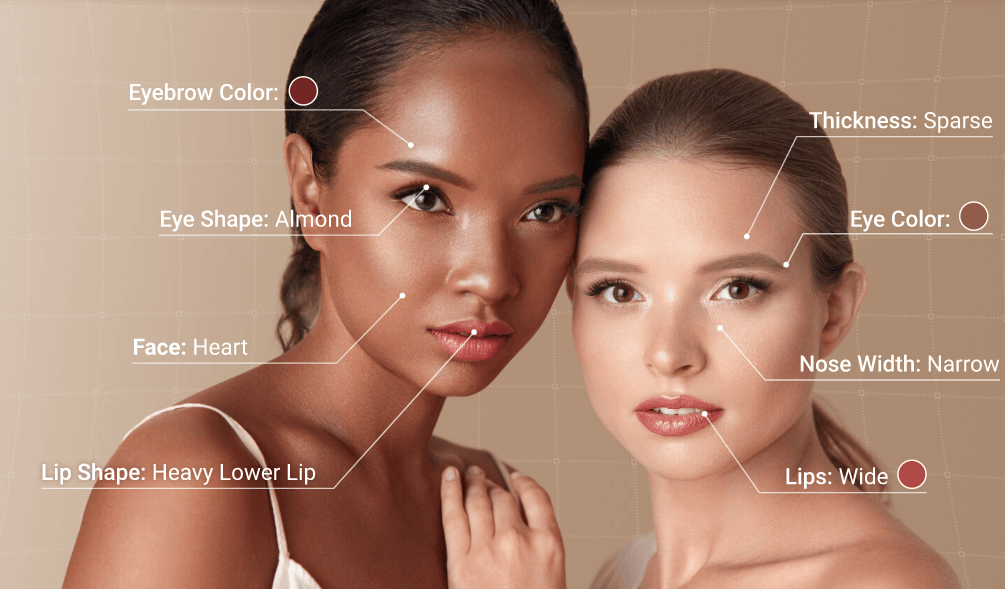
Facial analysis uses AI and AR innovation to assess visible attributes in an image or camera feed. In beauty, these attributes can include face shape, eye and eyebrow shape, lip and nose characteristics, cheekbone structure, facial proportions, and personal colors such as skin tone, eye color, hair color, eyebrow color, and lip color.
Perfect Corp.’s AI Face Analyzer analyzes facial structure, personal colors, and facial ratios to help businesses build personalized recommendation journeys. The technology can detect 70+ facial attributes and evaluate 11 facial proportions, giving brands a structured starting point for beauty discovery.
From Facial Attributes to Useful Guidance
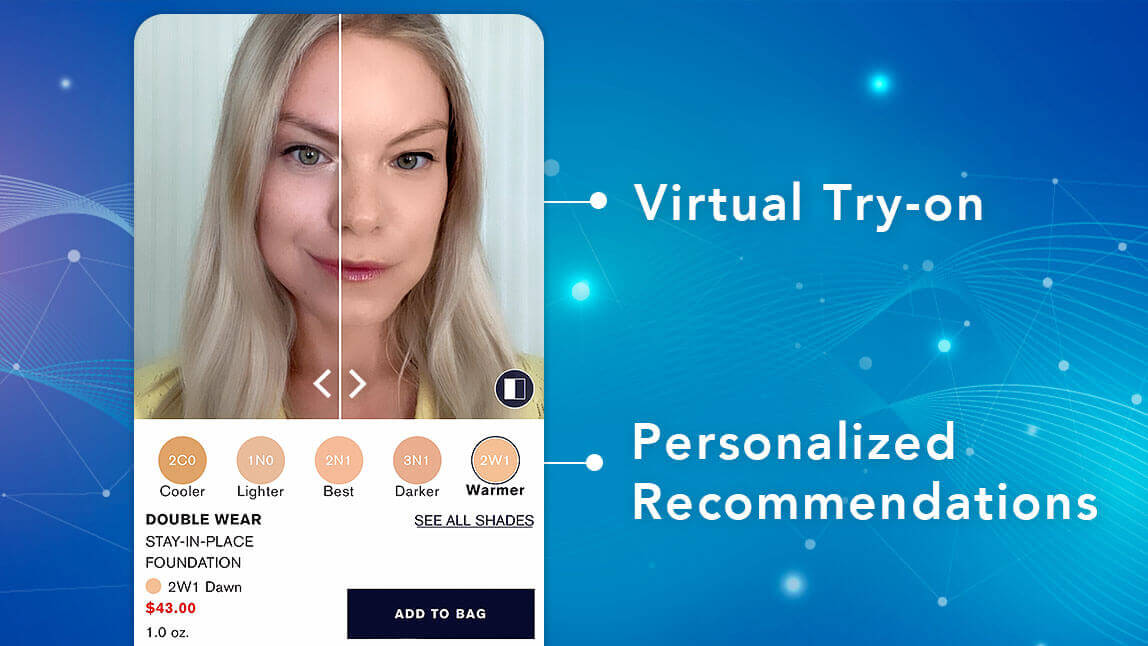
The value of a facial analysis comes from what happens after. A brand can map detected attributes to its own catalog and recommendation logic—for example, suggesting foundation shades that align with detected coloring, eye makeup techniques that complement eye shape, or eyewear and hairstyle options that suit a customer’s stated preferences.
Results should be presented as optional, explainable guidance rather than a beauty score or a fixed judgment. This keeps the experience useful, inclusive, and aligned with the customer’s own goals.
How Facial Analysis Supports the Beauty Journey
1. Streamline Consultation Intake
Traditional preference flows depend on shoppers accurately identifying their own features and completing multiple questions before they can browse. Facial analysis can reduce that effort by assessing visible attributes from a photo, then giving customers a quicker route to relevant products and style inspiration.
| Evaluation Criteria | Traditional Preference Flow | AI Facial Analysis |
|---|---|---|
| Time to complete | 2–5 minutes, often abandoned partway through | Under 2 seconds, no manual input required |
| Accuracy | Self-reported — depends on the shopper correctly identifying their own features | Measured directly from the face — 70+ attributes, 5 color palette types |
| Integration effort | Low, but produces lower-quality data | One-time integration across web, app, and in-store consultation touchpoints |
| Evidence of ROI | Not typically tracked as a standalone lever | Personalization tied to a reported $20 return per $1 invested in similar virtual try-on programs |
2. Personalize Recommendations Across Categories
Facial analysis can support recommendations for more than one SKU at a time. A beauty brand might connect personal-color results to complexion and lip products, facial-feature insights to makeup techniques, and face shape to hairstyle or eyewear suggestions. The recommendation engine remains brand-controlled: businesses determine which attributes inform each product rule.
This approach is useful across makeup, skincare, hair, eyewear, jewelry, and aesthetic consultations. In each case, the role of AI is to make discovery more relevant—not to prescribe a universal ideal.
3. Connect Recommendations to Virtual Try-On
Recommendations become more actionable when customers can see them. After facial analysis identifies relevant products or looks, brands can connect shoppers to AR virtual try-on to explore makeup shades, styles, and combinations in real time.
This lets customers compare options before purchasing, while giving them control over the final selection. It also creates a smoother path from discovery to trial and checkout.
Facial Analysis for Digital and In-Store Experiences
Facial analysis can be deployed wherever customers seek personalized guidance: on an e-commerce site, inside a mobile app, in a virtual consultation, or at an in-store beauty counter. The same attribute insights can help connect digital discovery with assisted selling and professional consultations.
Perfect Corp.’s AI Face Analyzer is available through web modules, APIs, mobile SDKs, and in-store consultation workflows. This gives brands flexibility to apply facial analysis within their existing customer journey rather than creating a separate destination experience.

Designing a Responsible Facial Analysis Experience
A strong experience makes the value exchange clear. Tell customers what the system analyzes, why a photo is requested, how results will be used, and what privacy choices are available. Customers should be able to understand the output and use it as a starting point for exploration.
- Use clear, non-judgmental labels such as “Face Shape,” “Personal Color,” and “Feature Insights.”
- Give customers control over whether they upload a photo and which recommendations they explore.
- Present results as guidance, not as an attractiveness rating or universal beauty standard.
- Test experiences across diverse users, photo conditions, and devices.
- Connect insights to useful outcomes, including shades, looks, styles, and virtual try-on.
Build More Relevant Beauty Discovery
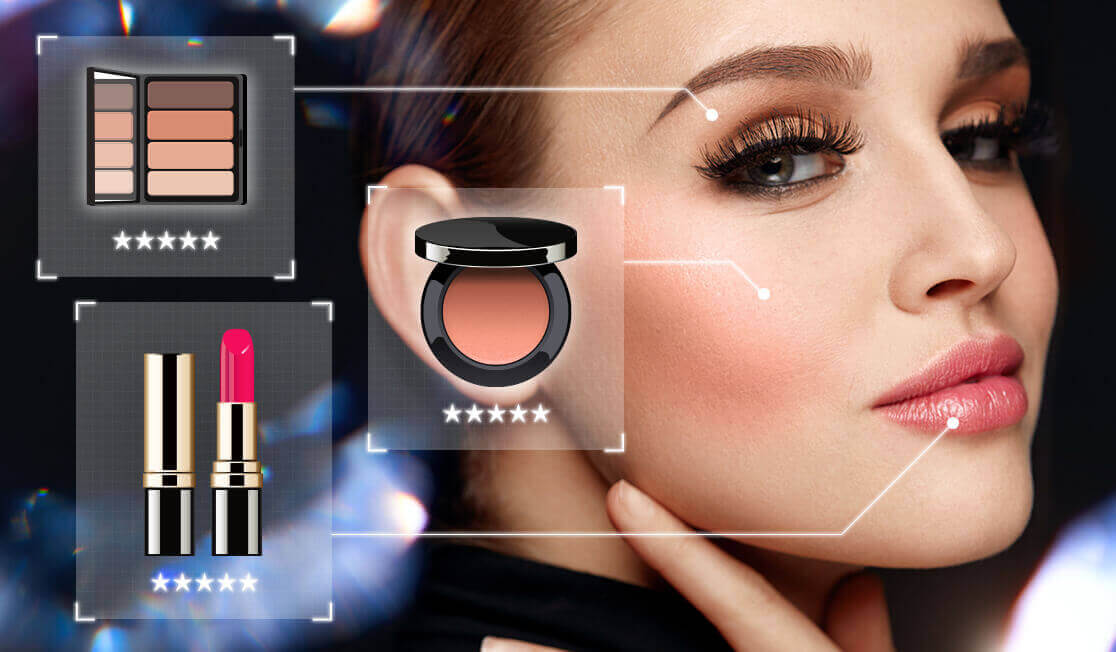
Facial analysis gives beauty businesses a practical foundation for faster, more relevant product discovery. When paired with brand-specific recommendation rules and virtual try-on, it can help customers move from “Where do I start?” to “What would I like to try?” without adding friction to the shopping journey.
Try Perfect Corp.’s AI Face Analyzer demo to explore facial attributes, personal colors, and face-shape insights. For an enterprise implementation across web, app, or in-store channels, contact our sales team .
Frequentlly Asked Questions: Facial Analysis
What Is AI Facial Analysis?
AI facial analysis uses computer vision to identify visible facial attributes from an image or camera feed. In beauty, it can analyze features such as face shape, eye shape, eyebrow shape, facial proportions, and personal colors to support personalized product and style guidance.
How Does Facial Analysis Work in Beauty?
A customer provides a photo or camera image, and the system detects relevant visible attributes. A brand can then connect those results to its product catalog, recommendation rules, and virtual try-on experience. The customer can explore the suggested products and decide which options to try or purchase.
What Is the Difference Between Facial Analysis and Facial Recognition?
Facial analysis describes visible attributes, such as face shape, proportions, and color. Facial recognition is designed to identify or verify a person by matching their face to an identity. For beauty personalization, facial analysis should focus on feature-based guidance rather than identity matching.
Can Facial Analysis Support Virtual Try-On?
Yes. Brands can use facial-analysis insights to guide customers toward relevant shades, makeup looks, hairstyles, or accessories, then let them explore those choices through AR virtual try-on.
Where Can Beauty Brands Use Facial Analysis?
Brands can add facial analysis to e-commerce sites, mobile apps, virtual consultations, and in-store experiences. The best placement is where customers need help narrowing options or discovering relevant products.