 Author: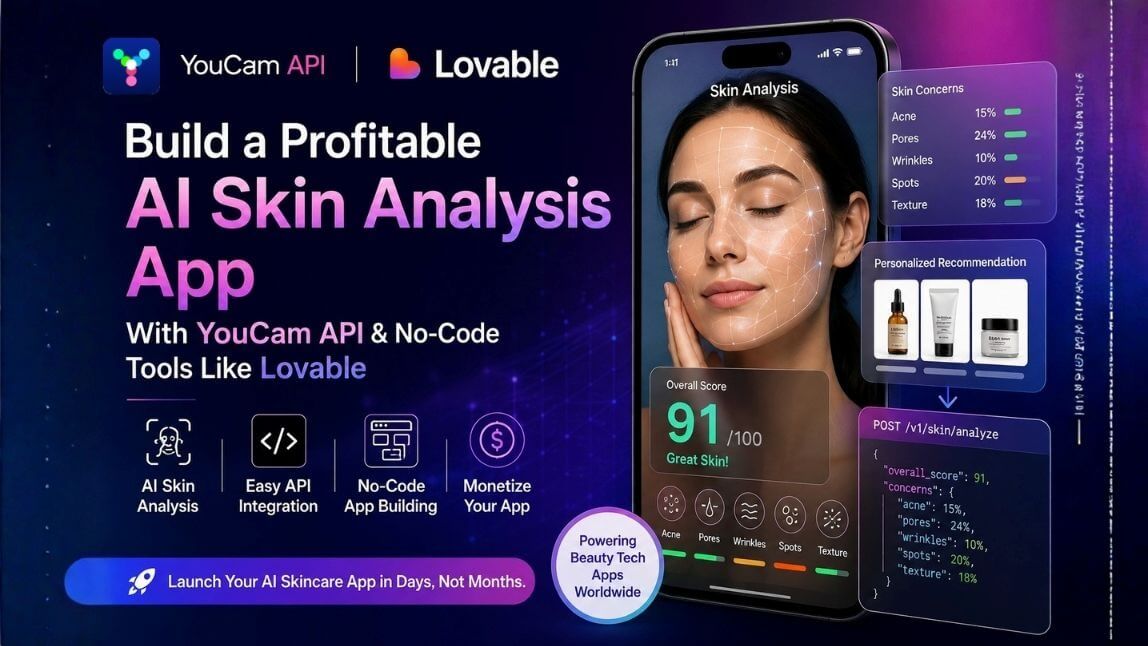
The beauty tech industry is undergoing a major shift. What used to require dermatology clinics, expensive imaging devices, and machine learning teams can now be built with a single API and a no-code app builder.
Today, founders and developers are combining AI APIs with tools like Lovable to launch skincare applications in days instead of months. At the center of this shift is a new category of infrastructure: AI skin analysis APIs that power real-time, clinic-level skin diagnostics inside consumer apps.
One of the most powerful examples of this is the YouCam Skin Analysis API, which enables developers to instantly integrate facial skin detection and analysis into any product experience.
In this article, we’ll break down how this new stack works, how creators are already building real apps using it, and how you can turn it into a monetizable business.
The Rise of AI Skin Analysis Apps
Skincare has always been personal, visual, and highly subjective. Traditionally, users relied on:
- In-store consultations
- Dermatologist visits
- Online quizzes with limited accuracy
But none of these scale well, and none provide real-time, data-driven insights.
AI changes that.
Modern skin analysis systems can now detect:
- Acne and breakouts
- Fine lines and wrinkles
- Pores and skin texture
- Pigmentation and uneven tone
- Overall skin condition scoring
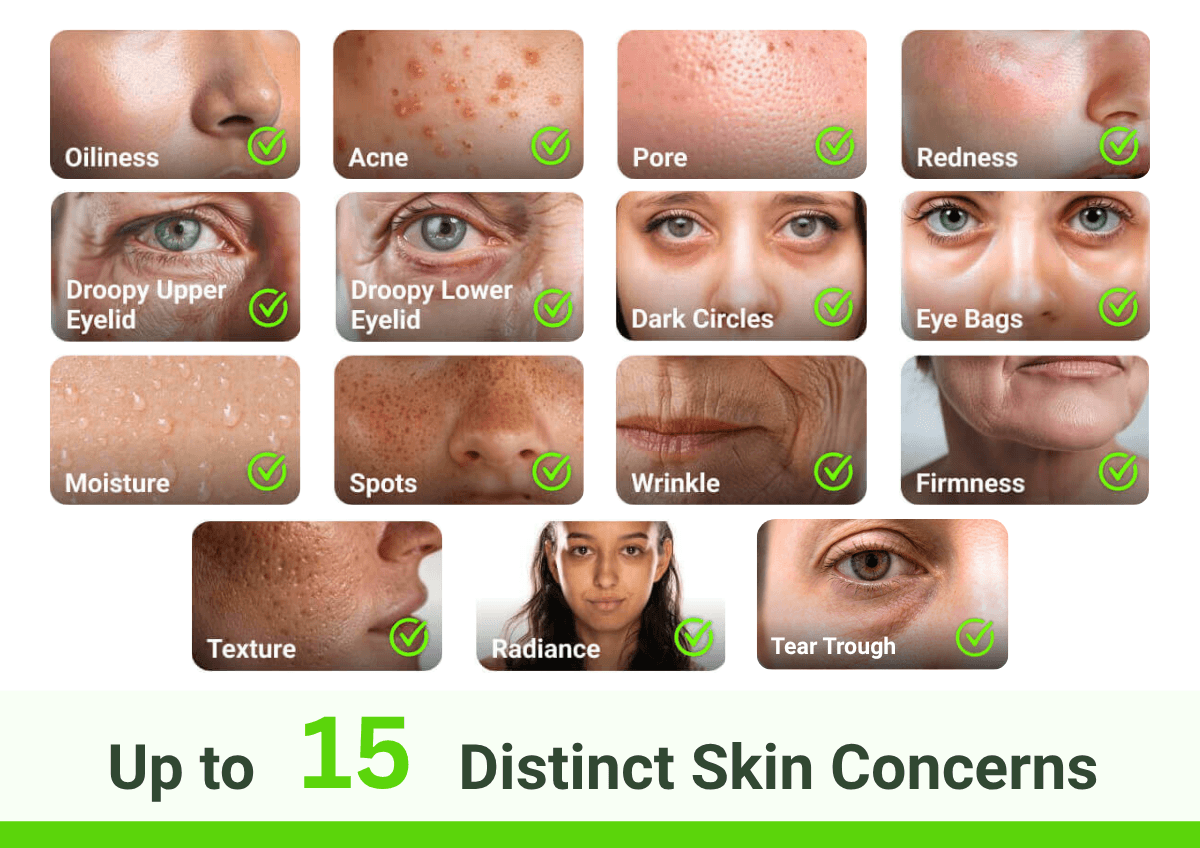
Instead of answering a questionnaire, users simply take a selfie and receive instant, structured skin insights.
This shift creates a massive opportunity: skincare apps are no longer content tools—they are diagnostic platforms.
Why APIs Are the Foundation of This New Category
Building a high-accuracy skin detection model from scratch is extremely expensive and time-consuming. It requires:
- Large-scale labeled datasets
- Computer vision expertise
- Continuous model training
- Edge optimization for real-time inference
This is where AI APIs become the foundation layer.
The YouCam Skin Analysis API is designed to remove this complexity entirely. Instead of building models, developers can directly integrate a production-ready AI engine that returns structured skin analysis results via API.
This means:
- No ML infrastructure required
- No dataset training needed
- No computer vision team required
- Instant scalability
In other words, it turns advanced AI into a plug-and-play service.
Developers can focus entirely on product experience and monetization instead of machine learning complexity.
A Real Example: Building an App with YouCam API + Lovable
A growing trend in the creator and developer community is the combination of AI APIs with no-code builders.
One example is a recent collaboration with a creator who built a functional skin analysis application using:
- YouCam Skin Analysis API for AI detection
- Lovable for app creation and UI building
Instead of writing backend code or training models, the creator:
- Connected the API to the app workflow
- Used prompts to generate the user interface
- Built a working MVP in a very short time
- Demonstrated real-time skin analysis using selfies
This approach highlights a major trend: product builders no longer need full engineering teams to launch AI applications.
They just need:
- A strong API layer
- A fast app builder
- A clear monetization model
The Core Stack Behind AI Skin Analysis Apps
To understand how these apps are built, it helps to break the system into three layers:
1. AI Skin Analysis Engine (Core Intelligence)
YouCam API Platform
This is the foundation of the entire system.
The YouCam Skin Analysis API provides:
- Facial skin detection across multiple categories
- Structured outputs for skin conditions
- Consistent performance across diverse skin tones and demographics
- Production-ready inference at scale
Instead of building AI models internally, developers integrate this engine directly into their applications.
This layer is what makes “instant skin diagnosis” possible.
2. No-Code Application Layer
Modern no-code tools like Lovable and Rocket.new allow developers and founders to build full applications without traditional engineering cycles.
Capabilities include:
- UI generation through prompts
- Backend logic abstraction
- Rapid prototyping and iteration
- API integration support
This layer is responsible for turning raw AI outputs into user-facing experiences.
3. Monetization Layer (Where Revenue Happens)
Once the app is built, the real business opportunity begins.
Common monetization models include:
1. Pay-per-analysis model: Users pay for each skin scan (e.g. $1–$3 per report)
2. Subscription model: Monthly skincare tracking and progress analysis
3. Affiliate commerce: Recommend skincare products based on analysis results
4. B2B licensing: Sell white-label versions to beauty brands, clinics, or retailers
This transforms a simple API integration into a scalable SaaS business.
Why This Business Model Works
AI skincare apps are uniquely positioned for strong monetization because they sit at the intersection of:
1. High user engagement: Skin is personal. Users frequently check, track, and improve it.
2. Visual feedback loops: Users instantly see results, increasing perceived value.
3. Recurring usage behavior: Skin conditions change over time, driving repeat usage.
4. Low marginal cost: Once the API is integrated, each additional analysis is inexpensive.
This combination makes it ideal for subscription and usage-based pricing models.
Why No-Code + API Is Changing the Startup Landscape
Traditionally, building an AI skincare app required:
- 3–6 months of engineering time
- Dedicated ML infrastructure
- Frontend + backend + AI integration teams
Now, the workflow has changed completely.
Founders can:
- Use YouCam Skin Analysis API for intelligence
- Use Lovable to build the application layer
- Launch an MVP in days instead of months
This reduces the barrier to entry dramatically and enables rapid experimentation.
We are entering a phase where execution speed matters more than technical depth at the early stage.
The Opportunity: Why This Market Is Emerging Now
Several macro trends are converging:
1. AI APIs are becoming standardized infrastructure: Developers no longer build models—they integrate them.
2. No-code tools are production-ready: Platforms like Lovable make full-stack development accessible.
3. Beauty tech is moving toward personalization: Consumers expect tailored skincare recommendations, not generic content.
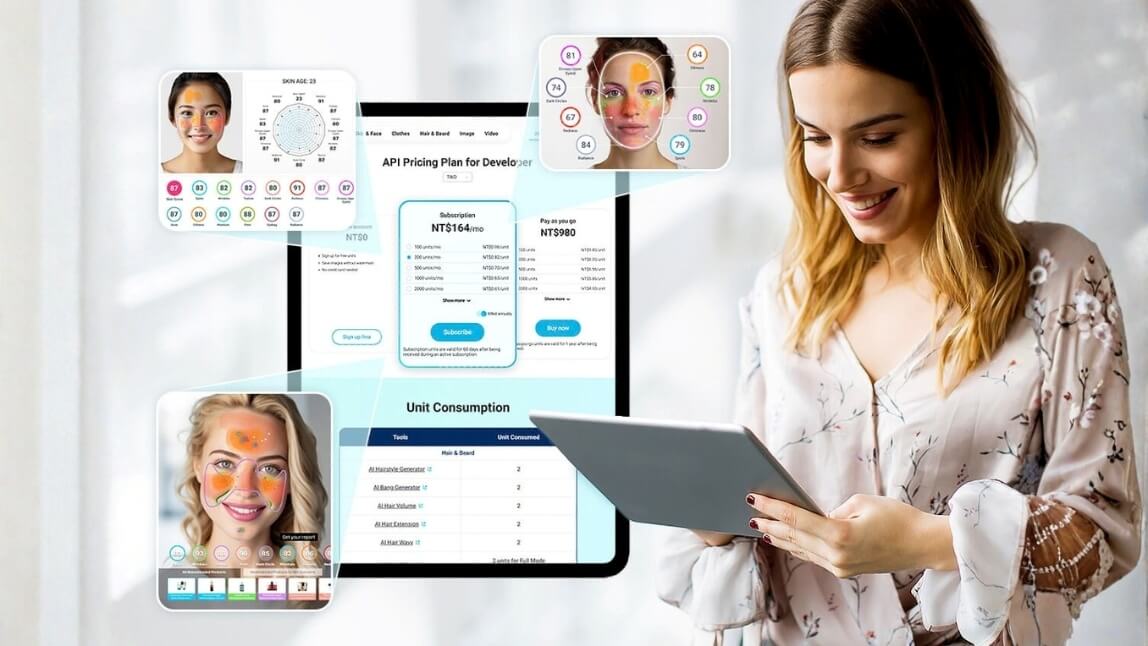
4. Creator-led product development is rising: Individuals are building SaaS products without companies.
Together, these trends create a new category of “micro AI SaaS” businesses.
How to Start Building Your Own AI Skin Analysis App
If you want to enter this space, the path is straightforward:
Step 1: Integrate the AI engine
Start with the YouCam Skin Analysis API and explore available endpoints.
Step 2: Build a simple app interface
Use a no-code tool like Lovable to create:
- Upload photo interface
- Results dashboard
- Basic user flow
Step 3: Add monetization logic
Start simple:
- Free trial scans
- Paid detailed reports
- Subscription upgrades
Step 4: Iterate based on user behavior
Track what users care about most:
- Acne detection
- Aging concerns
- Skin tone improvement
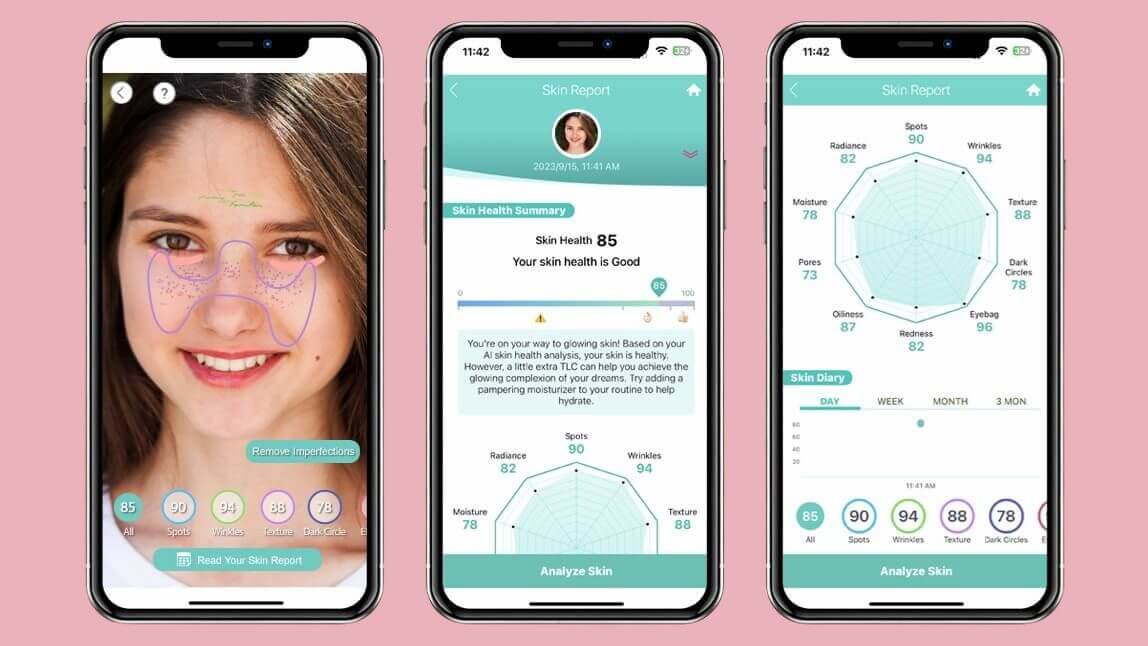
Then refine the product accordingly.
Final Thoughts
The combination of AI skin analysis APIs and no-code app builders is fundamentally changing how beauty technology products are created.
Instead of spending months building infrastructure, founders can now focus on what actually matters:
- User experience
- Monetization strategy
- Distribution and growth
With tools like the YouCam Skin Analysis API, advanced computer vision is no longer limited to large enterprises. It is now accessible to anyone with an idea and the willingness to build.
The next generation of successful beauty tech products will not be defined by engineering complexity—but by how quickly they can be built, tested, and monetized.