 Author:


What Is a Skincare Data Platform AI?
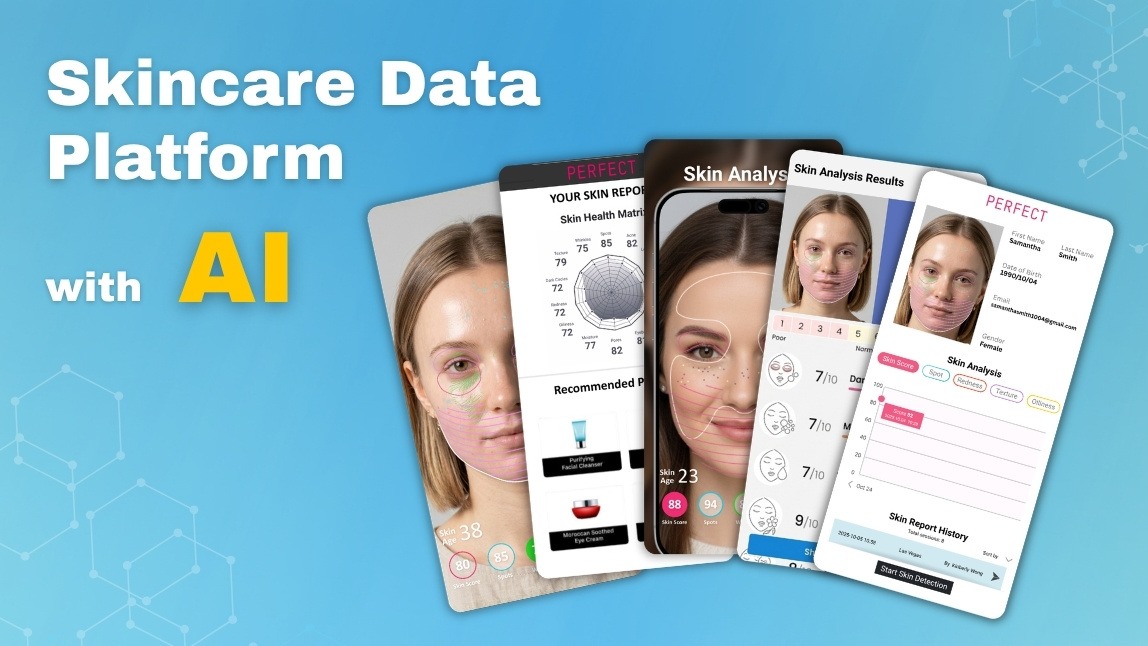
A skincare data platform AI refers to an integrated system that collects, processes, and activates skin-related data using artificial intelligence to power personalization, diagnostics, and business intelligence.
It goes beyond simple skin analysis tools. Instead, it functions as:
- A data collection layer (via image + user input)
- An AI inference engine (computer vision + ML models)
- A data structuring system (turning pixels into usable metrics)
- A decision engine (recommendations, segmentation, automation)
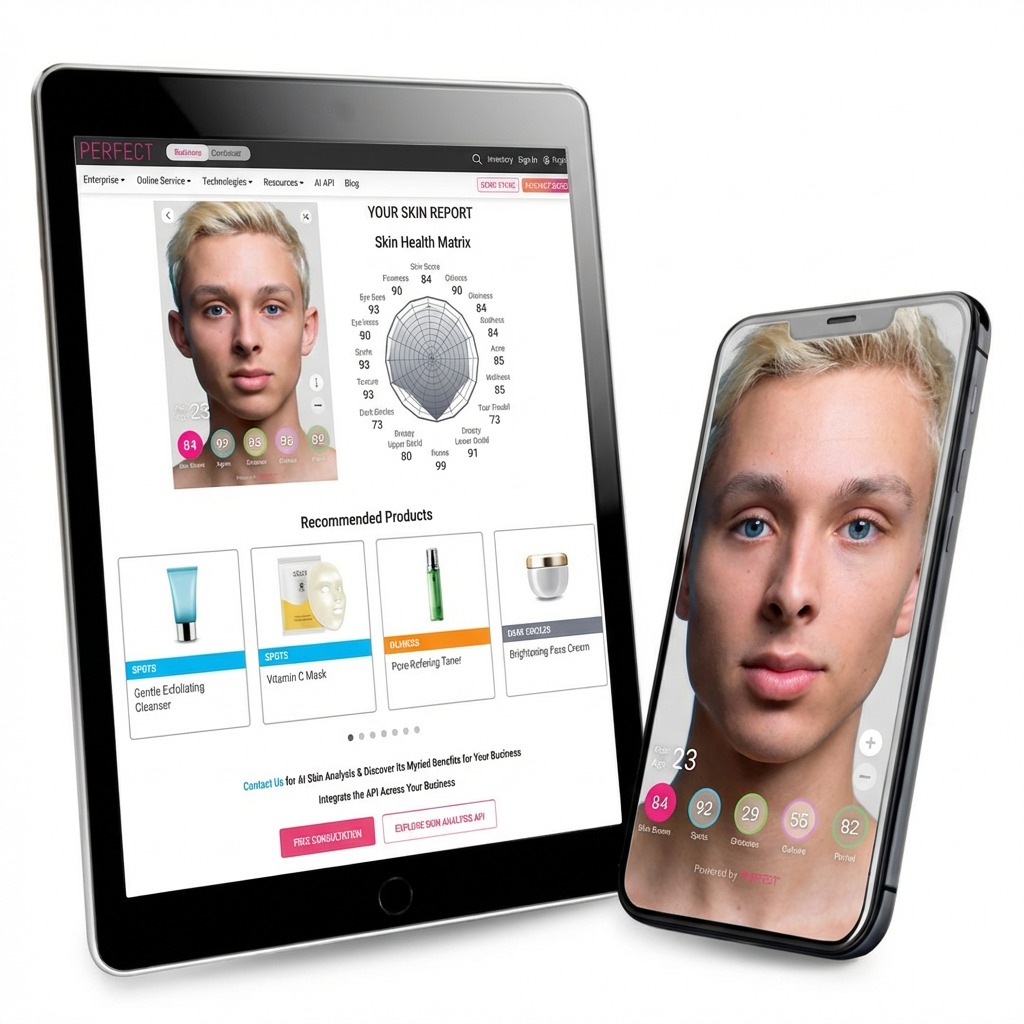
According to McKinsey & Company, personalization-driven companies generate 40% more revenue from those activities than average players, highlighting the growing importance of data-driven customer experiences.
Why Skincare Data Platforms Are Becoming Core Infrastructure
1. First-Party Data Is Now a Competitive Asset
With increasing privacy regulations and the decline of third-party tracking, brands must build their own first-party and zero-party data ecosystems.
A skincare data platform enables:
- Structured skin condition data (e.g., wrinkles, pores, acne)
- Behavioral engagement signals
- Long-term skin progression tracking
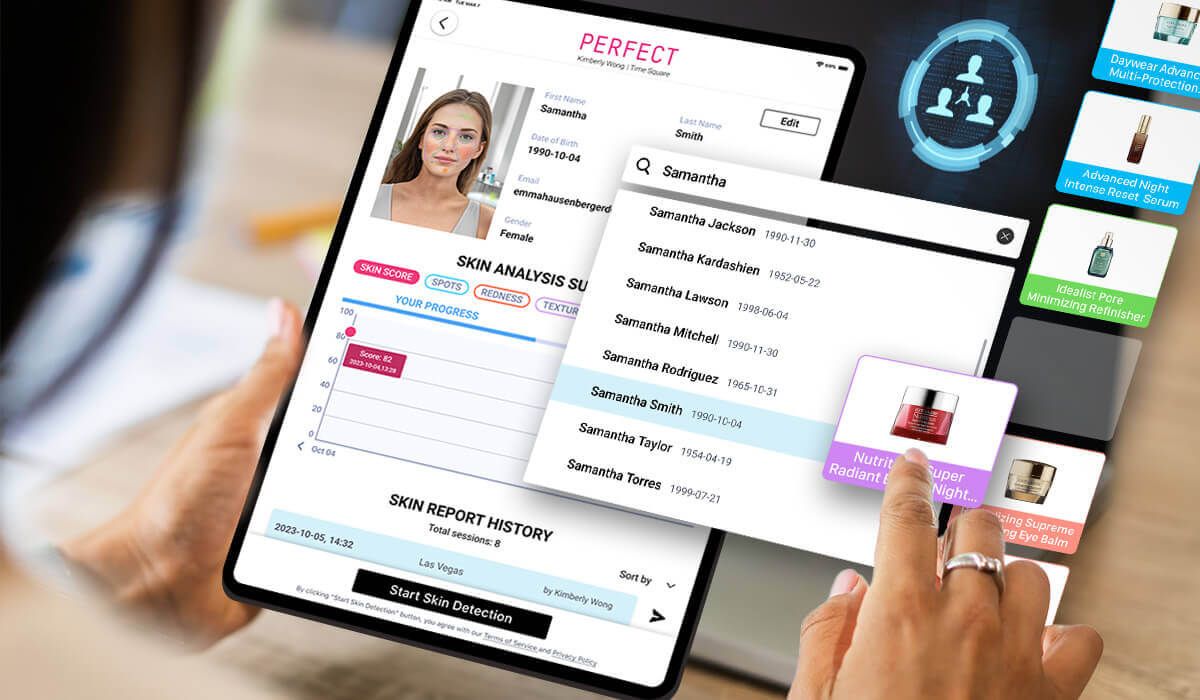
Deloitte emphasizes that companies investing in first-party data strategies are better positioned to deliver trusted, privacy-compliant personalization at scale.
This reframes AI skin analysis from a feature into a data acquisition engine.
2. From Personalization to Predictive Intelligence
The evolution of beauty tech:
Traditional flow: Quiz → Static recommendation
AI platform flow: Image → Skin data → Insights → Prediction → Continuous optimization
Modern AI systems enable:
- Predictive skincare routines
- Skin condition trend analysis
- Product efficacy insights
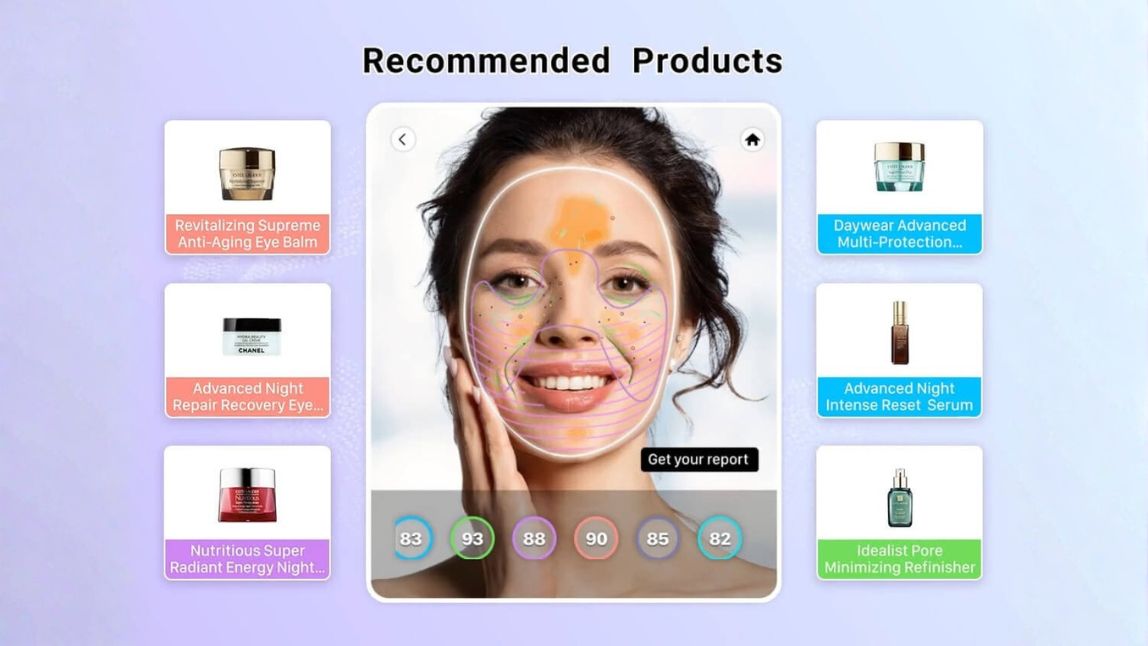
Research shows that companies leveraging AI for prediction—not just personalization—achieve significantly higher ROI due to improved decision-making.
3. Always-On Consumer Intelligence
Unlike one-time interactions, AI skincare platforms create a continuous feedback loop:
- Real-time analysis from user images
- Ongoing engagement across channels
- Dynamic updates to user profiles
This transforms customer experience into a living dataset, rather than a static profile.
The Core Architecture of a Skincare Data Platform AI
A robust platform typically includes:
1. Data Input Layer
- Selfie capture (mobile/web)
- Environmental/contextual inputs
- User-provided preferences
2. AI Analysis Engine
- Computer vision models trained on dermatological datasets
- Multi-condition detection across skin concerns
- Pixel-level analysis
3. Data Structuring Layer
- Conversion of visual data into standardized scores
- Skin metrics mapping aligned with brand logic
4. Activation Layer
- Product recommendations
- CRM/CDP integration
- Marketing automation
5. Feedback & Learning Loop
- Progress tracking
- Model improvement
- Consumer insight generation
Shared Materials by Strapi
*Adjust the size of images ONLY. Please go to Strapi to edit the materials info.
The Critical Challenge: Data Quality, Validation, and Bias
AI in skincare is only as strong as the data behind it.
Studies in dermatology AI published via arXiv show that model performance can vary significantly across skin tones when datasets lack diversity.
Additionally, World Health Organization has highlighted the importance of ethical AI deployment, including transparency and bias mitigation in healthcare-related technologies.
Key considerations for enterprise adoption:
- Dataset diversity (skin tone, age, geography)
- Clinical validation processes
- Continuous model monitoring
B2B Use Cases of Skincare Data Platform AI
E-commerce Personalization
- Real-time product matching
- Increased conversion rates
Omnichannel Retail
- Smart consultations (in-store + digital)
- Unified customer profiles
CRM & Customer Data Platforms
- Skin-based segmentation
- Lifecycle marketing automation
Product Development
- Consumer skin insights at scale
- Faster innovation cycles
Subscription & Retention Models
- Personalized skincare routines
- Progress-driven engagement
Shared Materials by Strapi
*Adjust the size of images ONLY. Please go to Strapi to edit the materials info.
What Enterprises Should Look For
Not all AI solutions qualify as a true data platform.
Key evaluation criteria:
- API-first architecture (flexible integration)
- Scalability (millions of analyses)
- Customizability (brand-specific scoring)
- Compliance readiness (GDPR, HIPAA)
- Data ownership & portability
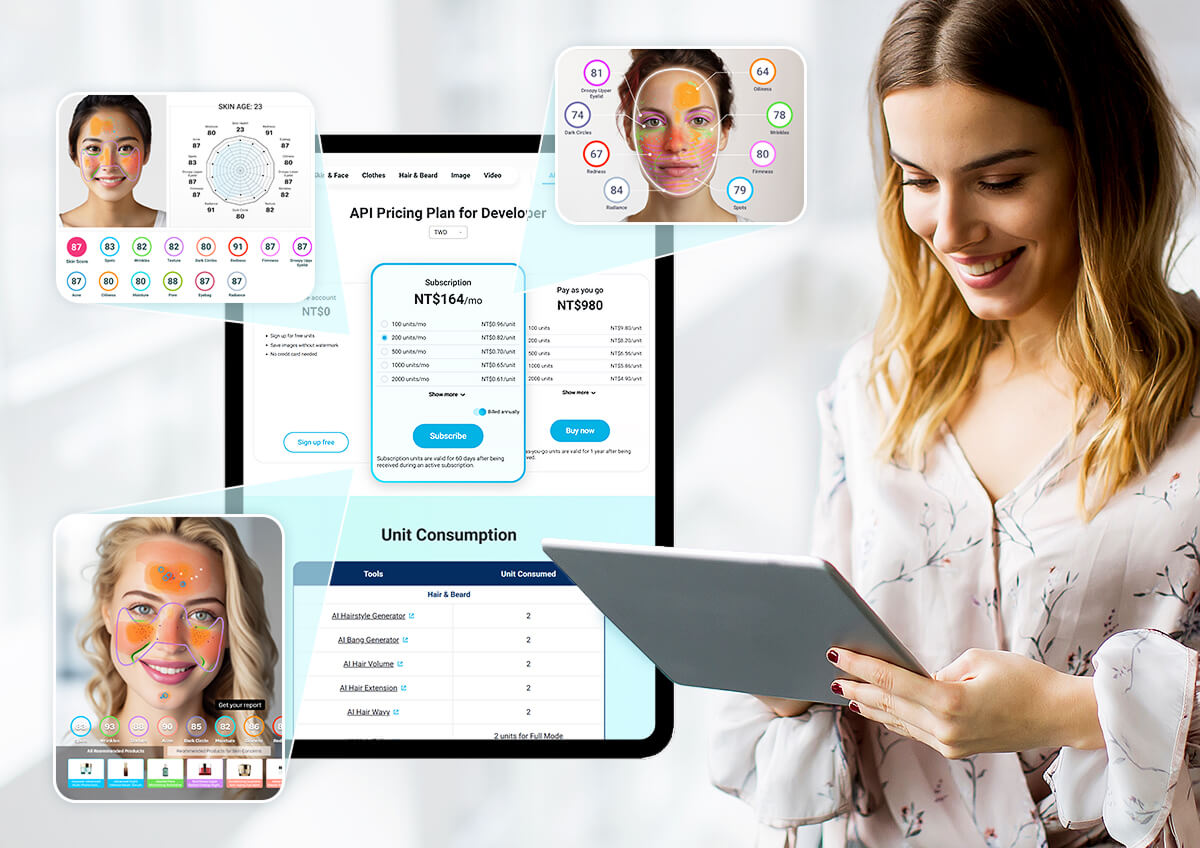
Where Perfect Corp. Fits
Within this evolving landscape, enterprise solutions like Perfect Corp. are positioned not as standalone tools, but as infrastructure providers for beauty AI.
Their AI skin analysis capabilities enable:
- Multi-condition detection across 15+ skin concerns
- Real-time image-based diagnostics
- Integration across web, mobile apps, and in-store experiences
- Structured data output for CRM and personalization systems
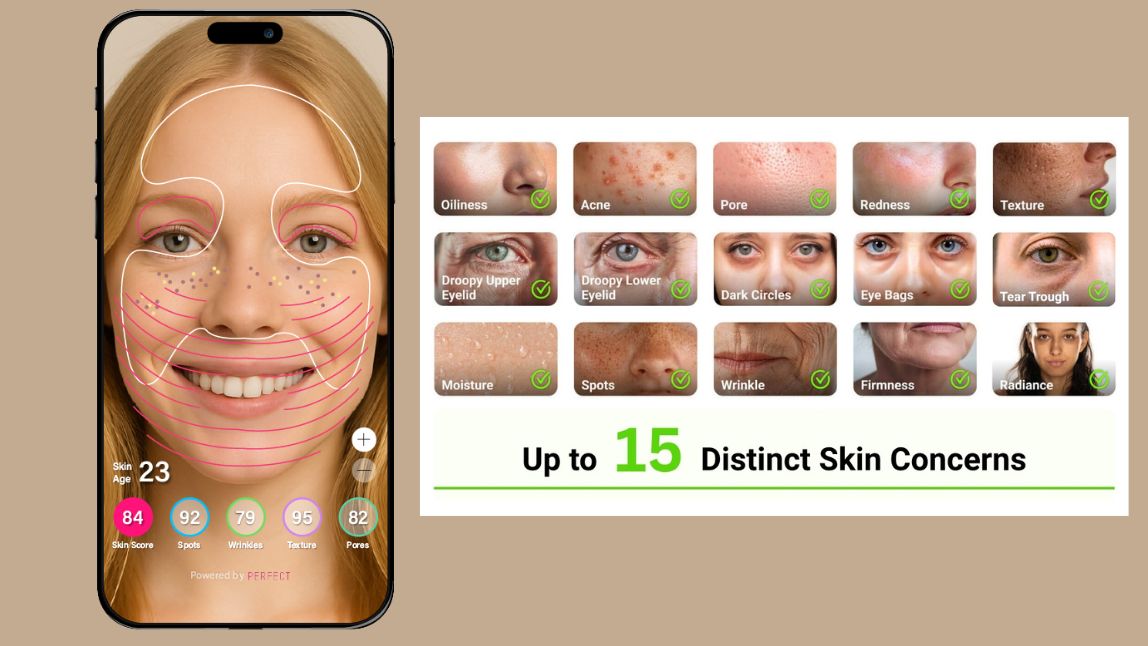
This aligns with the broader market shift: From “AI feature” → to “AI data platform”
By enabling brands to capture, structure, and activate skin data, Perfect Corp. supports both:
- Customer experience optimization
- Internal data-driven decision-making
The Future: AI as the Beauty Data Layer
The next phase of skincare data platform AI will expand into:
- Environmental data integration (pollution, UV exposure)
- Longitudinal skin modeling
- Generative AI simulations (future skin projections)
- Digital skin twins
According to Gartner, organizations that successfully operationalize AI within their data ecosystems will outperform competitors in both customer experience and innovation speed.
Final Takeaway
The rise of skincare data platform AI represents a structural shift in the beauty industry:
- From product-centric → data-centric
- From campaigns → continuous intelligence
- From recommendations → predictions
Brands that invest in AI as a data infrastructure layer—not just a front-end feature—will build stronger competitive advantages in:
- Personalization
- Customer retention
- Product innovation