 Author: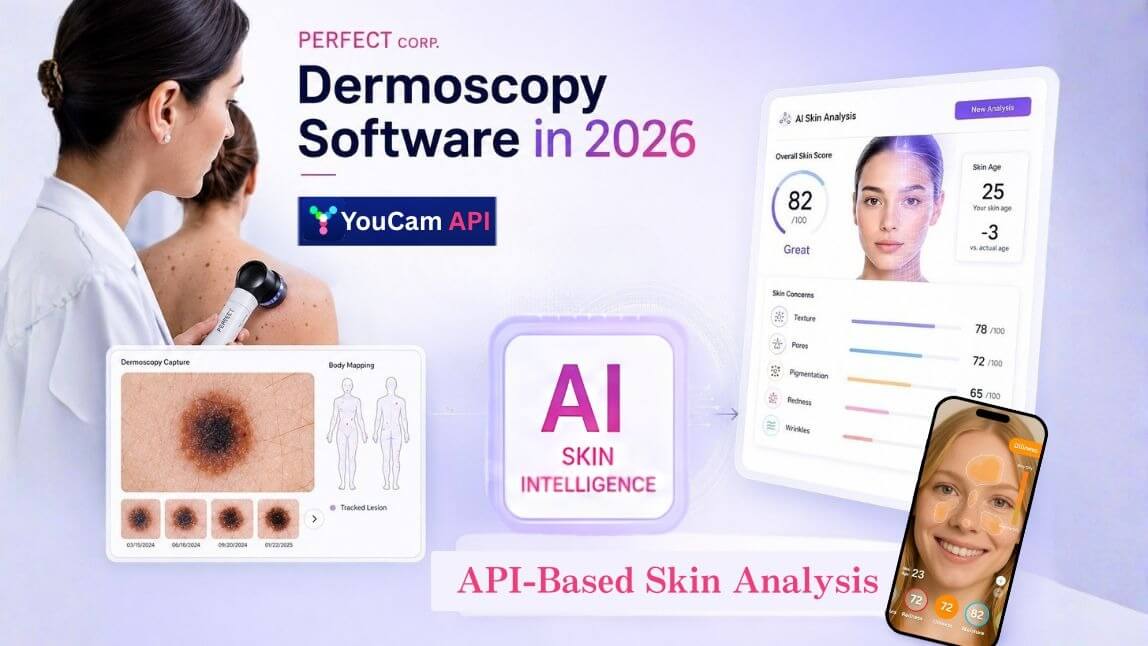
Why Dermoscopy Software Has Become Non-Negotiable in Modern Dermatology
A skilled eye and a quality dermatoscope used to be enough. Not anymore.
Today's dermatology clinics are seeing higher patient volumes, shorter appointment windows, and growing pressure to document every lesion with precision. At the same time, research continues to confirm what dermatologists already suspected: AI-assisted dermoscopy improves diagnostic outcomes. A 2024 study published in Cancers found that when dermatologists used an AI digital dermoscopy imaging (DDI-AI) device alongside clinical and dermoscopy images, diagnostic sensitivity, specificity, and management accuracy all increased—regardless of the clinician's experience level.
That's the promise of dermoscopy software: not to replace clinical judgment, but to sharpen it and document it at scale.
This guide breaks down what dermoscopy software actually does, which features to prioritize when evaluating platforms, and how AI is reshaping what's possible at the point of care. Whether you're running a solo dermatology practice or outfitting a multi-site hospital system, here's what you need to know in 2026.
What Is Dermoscopy Software, Exactly?
Dermoscopy software is a specialized clinical tool that captures, stores, analyzes, and tracks dermoscopic images of skin lesions. At its most basic, it replaces paper-based lesion notes with structured digital records. At its most advanced, it applies machine learning to flag suspicious patterns, score melanoma risk, and trigger referral workflows—automatically.
It's distinct from general dermatology practice management software (which handles scheduling, billing, and EHR). Think of dermoscopy software as the imaging and diagnostic layer that plugs into those broader systems—or operates independently for skin-cancer-focused practices.
What Does Dermoscopy Software Actually Do?
| Core Function | What It Means in Practice |
| Image capture & storage | Connects directly to dermoscopes (polarized, non-polarized, USB, or Bluetooth) to pull high-resolution images into patient records |
| Lesion documentation | Tags each image to a specific anatomical location, encounter date, and clinical notes |
| Total body mapping (TBM) | Photographs the full body surface and maps individual lesions to exact locations for longitudinal tracking |
| AI lesion analysis | Applies convolutional neural networks or similar ML models to assess color, shape, structure, and border irregularity |
| Risk scoring | Generates objective malignancy risk scores (e.g., melanoma vs. benign) to support triage decisions |
| Longitudinal comparison | Side-by-side views of the same lesion across multiple visits to detect changes over time |
| Teledermatology support | Secure image sharing for remote second opinions or specialist referrals |
| Pathology integration | Links biopsy requests, pathology results, and histopathology reports directly to lesion records |
How Does AI Change What Dermoscopy Software Can Do?
The jump from traditional image-capture software to AI-powered dermoscopy platforms is significant. Classical dermoscopy software made documentation faster. AI-powered versions actively contribute to clinical decision-making.
Modern dermoscopy AI systems typically work through three stages:
- Pre-processing: Normalizing image quality, removing artifacts, and standardizing color calibration across different devices.
- Segmentation: Isolating the lesion from surrounding skin to allow accurate feature analysis.
- Classification: Running the segmented lesion through trained models to categorize it—benign, dysplastic, or malignant—and generate a risk score.
Research published in Scientific Reports demonstrated that deep learning models applied to dermoscopic images can detect melanoma with accuracy rates that rival or complement experienced dermatologists, particularly when handling high-volume screening scenarios where clinician fatigue is a real factor.
The practical output is a second-opinion layer baked directly into the clinical workflow. The AI doesn't override the clinician—it flags, scores, and documents, giving physicians an objective data point alongside their own assessment.
AI Dermoscopy vs. Naked Eye: What the Data Shows
Early detection dramatically improves survival rates. When melanoma is caught before it spreads, survival rates exceed 95%. The challenge is that many skin cancers are identified late because visual screening without dermoscopy misses subsurface patterns that are invisible to the naked eye.
Dermoscopy itself improves clinical recognition across a broad spectrum of skin disorders—including non-melanoma skin cancers, inflammatory conditions, and pigmented lesions. Add AI analysis on top of that, and the diagnostic support extends to clinicians at all experience levels, including general practitioners who perform opportunistic skin screenings.
What Features Should You Prioritize When Evaluating Dermoscopy Software?
Not all platforms are built the same. Here's the feature checklist that matters most for clinical dermatology practices in 2026.
1. Dermoscope Compatibility
Your software needs to work with your hardware. Leading platforms integrate with the major dermoscope brands—including USB-connected clinical devices and Bluetooth-enabled mobile adapters. Check whether the software supports contact polarized imaging, non-contact polarized, and cross-polarized modes if your practice uses multiple capture methods.
2. AI Lesion Analysis and Risk Scoring
Look for platforms that use validated AI models—not just ones with AI in the marketing copy. Ask vendors whether their algorithms have been trained on diverse datasets, whether they've been evaluated in peer-reviewed studies, and how they handle edge cases (unusual lesion morphologies, dark skin tones, artifact-heavy images).
3. Total Body Photography and Mole Mapping
For high-risk patients or those requiring ongoing surveillance, total body mapping is a must. The ability to tag every lesion to an exact anatomical location—and compare it visit-over-visit—is what separates a documentation tool from a true monitoring system.
4. Longitudinal Tracking and Side-by-Side Comparison
Change over time is one of the most reliable indicators of malignancy. Side-by-side comparison tools should be intuitive, allowing fast visual assessment during a busy clinic day without extra navigation steps.
5. HIPAA and GDPR Compliance
Patient imaging data is highly sensitive. Any platform handling dermoscopic images in the US must be HIPAA-compliant; practices serving EU patients need GDPR compliance. This isn't optional—it's a baseline requirement for any clinical deployment.
6. EMR/EHR Integration
Standalone dermoscopy software creates documentation silos. The best platforms integrate with major EMR systems via FHIR APIs, so lesion images, risk scores, and pathology results flow directly into the patient chart without copy-paste workflows.
7. Teledermatology and Referral Workflows
Secure image sharing for remote consultations is increasingly standard. If your practice refers to specialists or operates a hub-and-spoke model, check whether the platform supports store-and-forward teledermatology and encrypted image transmission.
8. Pathology Lab Integration
The clinical workflow doesn't end at the biopsy decision. Platforms that link biopsy requests, specimen tracking, and histopathology results back to the original lesion record create a closed-loop diagnostic process that reduces errors and improves follow-up compliance.
Which Dermoscopy Software Platforms Are Leading in 2026?
The market has consolidated around a handful of specialized platforms. Here's a brief rundown of the most commonly evaluated options.
DermEngine (MetaOptima)
DermEngine is one of the most widely deployed AI-powered dermoscopy platforms globally. It integrates with MoleScope and other leading dermoscopes, supports total body photography, mole mapping, and AI-driven lesion risk scoring, and is fully HIPAA and GDPR compliant. The platform is cloud-based, cross-platform (iOS, Android, web), and designed for practices ranging from solo GPs to large hospital dermatology departments. Its teledermatology module allows secure image sharing with specialists and pathology centers.
FotoFinder
FotoFinder is a German-origin platform with a strong presence in European clinical settings. It combines high-resolution total body photography hardware with proprietary software for lesion tracking and AI-assisted analysis. Often used in dedicated skin cancer screening centers and academic hospitals.
TeleSkin / detectMole
TeleSkin's BEST system (Teledermoscopy Diagnostic System) includes detectMole, a modular software platform built around International Dermoscopy Society (IDS) algorithmic standards. It's designed to work for both novice and experienced clinicians, and supports second-opinion workflows for ambiguous cases.
Canfield Scientific (DermaGraphix)
Canfield's VECTRA WB360 and DermaGraphix software are enterprise-grade solutions often used in research institutions and large hospital settings. DermaGraphix integrates with EPIC and other major EMR systems, and links dermoscopy images to 3D body maps for efficient lesion surveillance at scale.
ModMed Dermatology (for EMR-integrated imaging)
ModMed Dermatology isn't a standalone dermoscopy platform, but its AI-assisted imaging and documentation tools—including dermoscopy integration—make it relevant for practices that want imaging capabilities embedded in their EMR. Its AI documentation layer reportedly reduces charting time significantly for high-volume practices.
Beyond Dermoscopy: AI Features Clinics Love Most
Clinical dermatology is the primary use case—but not the only one.
Consumer-Facing Skin Analysis Apps
Mobile apps that allow patients to capture and submit skin lesion images for remote triage are increasingly common. These tools typically use the same AI classification pipelines as clinical software, packaged for a non-clinical user. Accuracy varies widely, and regulatory frameworks (FDA clearance for clinical decision support) are still evolving.
Cosmetic and Aesthetic Applications
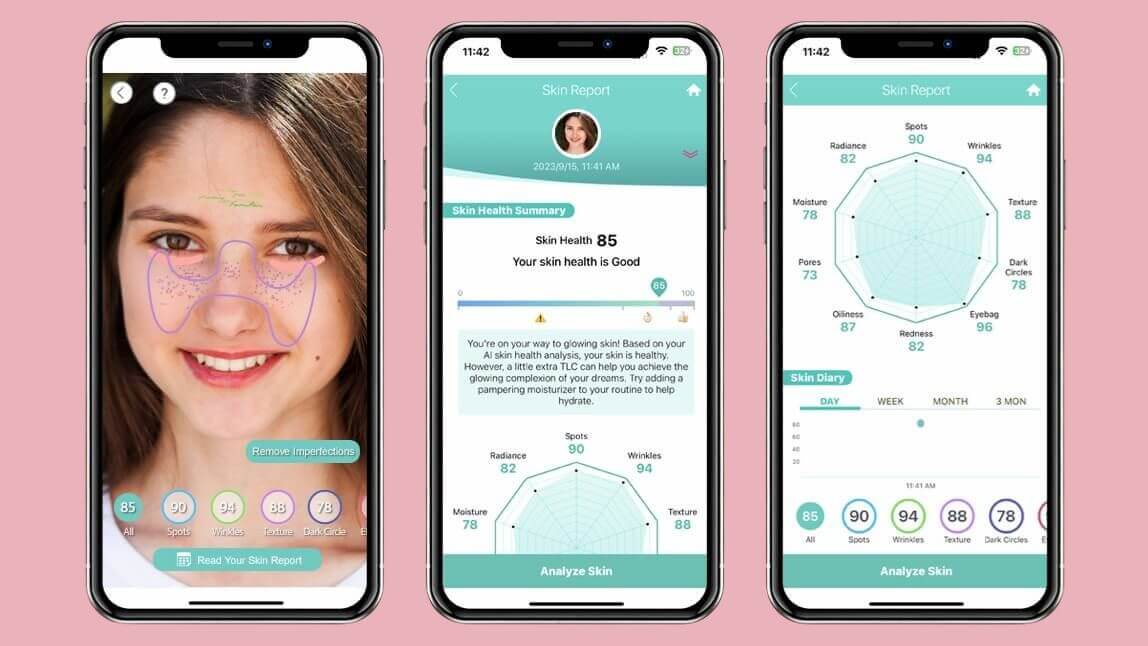
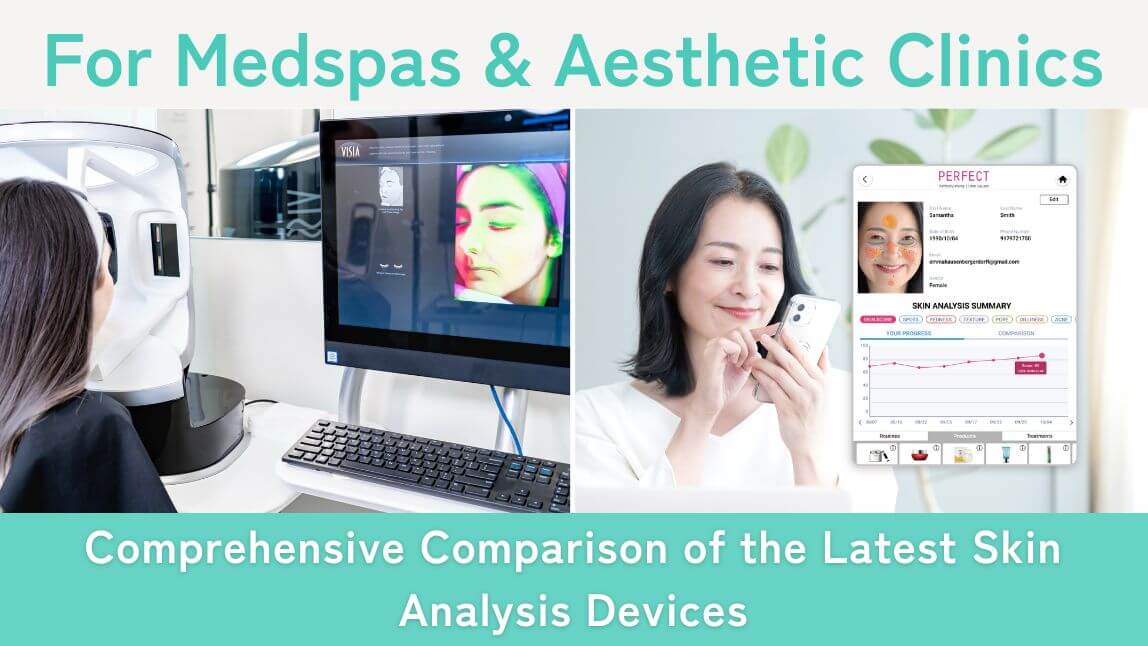
Dermoscopy and advanced skin imaging are also being applied in the cosmetic space—assessing skin texture, pore structure, pigmentation irregularities, and aging markers for treatment planning. AI skin analysis APIs, like those from Perfect Corp's AI Skin Analysis, bring this capability to beauty brands, aesthetic clinics, and skincare retailers who want to offer personalized skin assessments at scale—without the clinical overhead of a full dermoscopy deployment.
Medical Education and Training
Dermoscopy software is increasingly used to train medical students and general practitioners in skin lesion recognition. Simulated case libraries, annotated image datasets, and AI-generated feedback loops allow trainees to develop pattern recognition skills before encountering real patients. Research has shown that early dermoscopy training—including simulation-based curricula—improves long-term clinical detection rates.
What Does Dermoscopy Software Cost in 2026?
Pricing varies significantly based on deployment model, practice size, and feature set.
- Cloud-based SaaS platforms: Typically priced per provider per month, with 2026 ranges for dermatology-specific EMR systems running from roughly $70 to $500 per provider. Standalone dermoscopy platforms (like DermEngine) are generally at the lower end of this range for basic tiers, with enterprise pricing for hospitals.
- Hardware bundles: Some vendors (FotoFinder, Canfield) sell integrated hardware/software systems where the camera rig and analysis platform are priced together. These enterprise setups can run significantly higher upfront.
- API-based integrations: For software developers or tech companies building dermoscopy capabilities into existing platforms, API-based AI skin analysis solutions offer a more flexible cost model—pay for what you use, scale as needed.
When calculating ROI, factor in documentation time savings, reduced unnecessary biopsies through better triage, and improved follow-up compliance from automated patient recall systems.
The Shift Toward API-First Skin Intelligence
One of the most significant trends in 2026 is the decoupling of AI skin analysis from monolithic software platforms. Rather than deploying a full dermoscopy suite, tech teams are integrating skin analysis capabilities via API—embedding AI lesion assessment or skin condition scoring directly into telehealth apps, patient portals, or cosmetic consultation tools.
This API-first approach dramatically lowers the barrier to entry for organizations that want intelligent skin analysis without building or licensing a full clinical platform. It also enables faster iteration: when the underlying AI model improves, the API consumers get the upgrade without a platform migration.
Perfect Corp's AI Skin Analysis API is a leading example in the beauty and aesthetic health space—offering real-time analysis of skin conditions including texture, tone, pores, and pigmentation across diverse skin types. For aesthetic clinics, wellness brands, or telehealth companies sitting at the intersection of beauty and clinical care, this kind of modular AI integration is increasingly the preferred path.
FAQ: Dermoscopy Software
What is the difference between a dermatoscope and dermoscopy software?
A dermatoscope is the physical handheld device (or camera attachment) that illuminates and magnifies skin lesions. Dermoscopy software is the digital platform that receives, stores, analyzes, and tracks the images captured by that device. The hardware captures; the software interprets and manages.
Is dermoscopy software FDA-cleared?
Some AI-powered dermoscopy tools have received FDA clearance as clinical decision support devices. Regulatory status varies by product and intended use—software intended to provide diagnostic recommendations for clinical decisions is subject to different oversight than tools used purely for image storage and documentation. Always verify clearance status with the vendor before clinical deployment.
Can dermoscopy software work with any dermoscope?
Most leading platforms support a range of dermoscopes, but compatibility isn't universal. Check whether the software integrates with your specific device model—particularly for mobile dermoscope adapters (like MoleScope), USB-connected clinical units, and total body photography systems.
How accurate is AI dermoscopy software?
Accuracy varies by platform, training dataset, and the specific classification task. Research published in 2024 found that DDI-AI devices consistently improved sensitivity and specificity when used alongside standard dermoscopy—including among dermatologists with lower baseline dermoscopy experience. No AI system should be used as a standalone diagnostic tool; it functions best as a second-opinion layer within a clinician-led workflow.
Does dermoscopy software support teledermatology?
Yes—most modern platforms include secure image-sharing features that enable store-and-forward teledermatology. This allows a GP or nurse practitioner to capture and submit dermoscopic images for remote specialist review, extending skin cancer screening to underserved or rural populations.
What's the difference between dermoscopy software and general dermatology EMR software?
General dermatology EMR software handles the full practice workflow—scheduling, charting, billing, prescriptions. Dermoscopy software is a specialized imaging and diagnostic layer focused on skin lesion documentation and analysis. Some EMR platforms now include dermoscopy integration as a built-in module; others require a separate dermoscopy platform that connects via API or HL7/FHIR integration.