 Author:


What Is Skin Diagnostic Device Software?
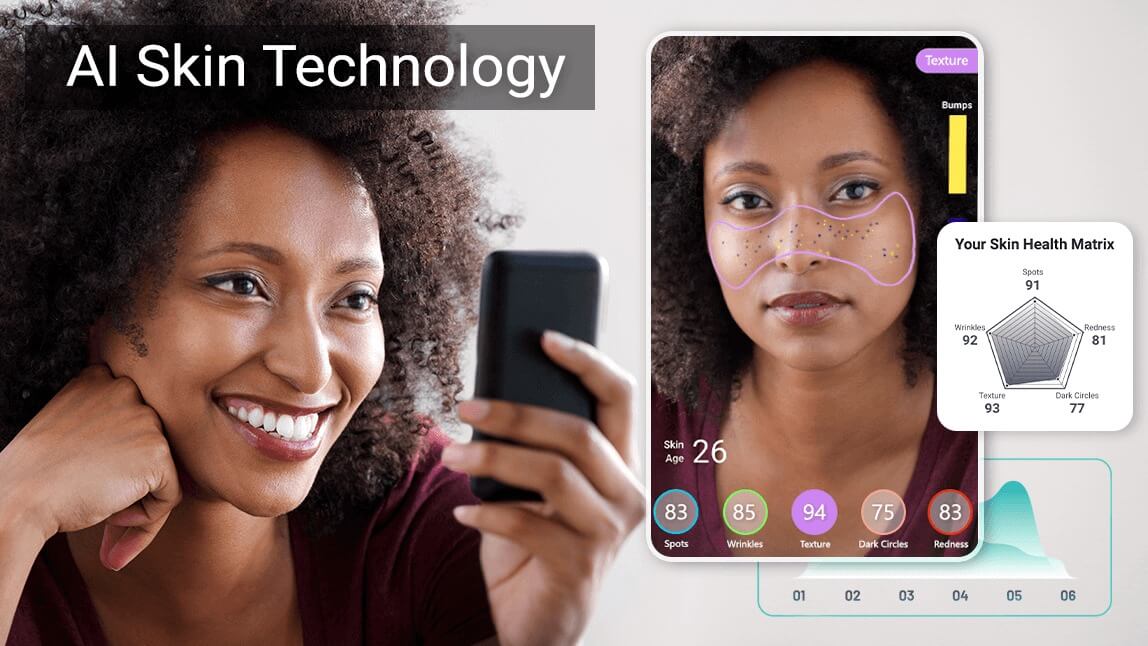
Skin diagnostic device software refers to digital platforms that analyze skin conditions using AI, imaging technology, and data modeling—often paired with physical devices like scanners, cameras, or mobile apps.
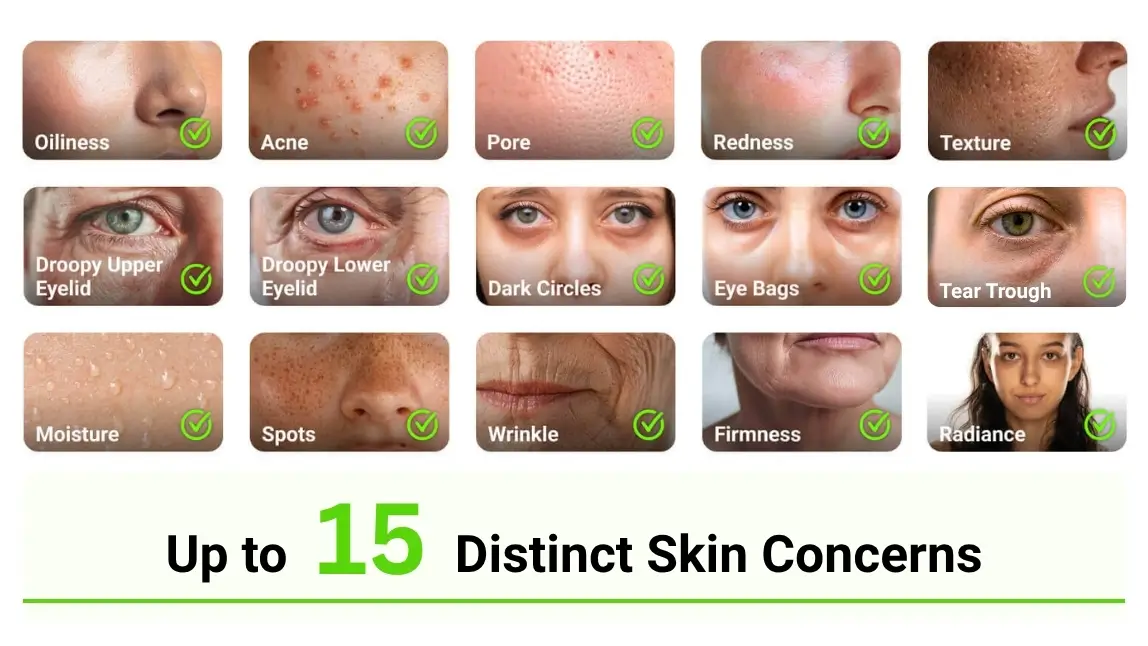
These solutions evaluate factors such as:
- Wrinkles and fine lines
- Skin texture and pores
- Pigmentation and dark spots
- Acne and blemishes
- Hydration levels
Originally used in dermatology clinics, this software is now widely adopted across:
- Medical aesthetics clinics
- Beauty retail and e-commerce
- Skincare brands and medspas
- Consumer-facing mobile apps
The shift reflects a broader trend: moving from subjective consultations to data-driven skin analysis.
How Skin Diagnostic Software Works
Most modern platforms follow a similar workflow:
1. Image Capture
Users take a photo using a smartphone or a specialized imaging device.
2. AI Skin Analysis
Computer vision models detect and quantify skin concerns at a pixel level.
3. Condition Scoring
Each skin concern is assigned a severity score, enabling standardized evaluation.
4. Results Visualization
The software generates reports, often including:
- Highlighted skin areas
- Before/after simulations
- Skin age estimation
5. Recommendations Layer
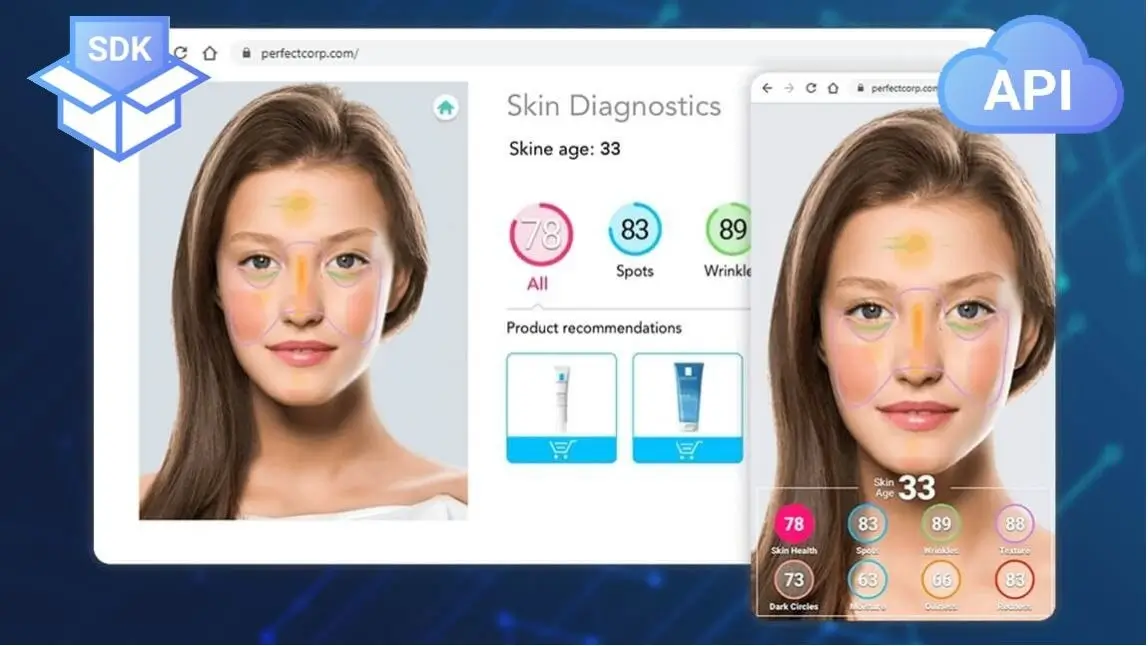
Based on the analysis, the system suggests:
- Skincare products
- Treatments or services
- Routine adjustments

This pipeline enables instant, scalable skin diagnostics without requiring a dermatologist at every touchpoint.
Key Features to Look For
If you're evaluating skin diagnostic device software, these features consistently appear in top-ranking solutions:
AI Accuracy & Training Data
High-performing systems rely on diverse datasets to ensure accuracy across different skin tones and conditions.
Real-Time Analysis
Latency matters—especially in retail or consultation environments where results must appear instantly.
Multi-Concern Detection
Leading platforms detect 10+ skin conditions simultaneously rather than focusing on a single issue.
Cross-Platform Integration
Software should integrate with:
- Mobile apps
- In-store devices
- CRM and e-commerce platforms
API Availability
For businesses, APIs allow flexible integration into existing digital ecosystems without rebuilding infrastructure.

Benefits for Businesses
1. Scalable Skin Consultations
Automating skin analysis reduces dependency on trained staff while maintaining consistency.
2. Increased Conversion Rates
Personalized recommendations often outperform generic product suggestions.
3. Data Collection & Insights
Businesses gain access to structured skin data, enabling:
- Customer segmentation
- Product development insights
- Marketing personalization
4. Omnichannel Experience
From in-store devices to online tools, users can receive consistent diagnostics across all touchpoints.
Shared Materials by Strapi
*Adjust the size of images ONLY. Please go to Strapi to edit the materials info.
Why Consumers Are Using It More
Although this is primarily a B2B technology, consumer interest is rapidly growing.
Key drivers include:
- Demand for personalized skincare routines
- Increased awareness of skin health
- Convenience of at-home diagnostics
- Trust in AI skincare/treatment recommendations
Consumers no longer want trial-and-error—they expect data-backed skincare decisions.
Device-Based vs. Software-Only Solutions
| Type | Description | Best For |
| Device + Software | Uses dedicated imaging hardware | Clinics, medspas |
| Software-Only (AI) | Uses smartphone cameras | E-commerce, apps |
| Hybrid | Supports both device and mobile input | Omnichannel brands |
The industry trend is moving toward software-first solutions, with optional hardware for enhanced accuracy.
How Leading Solutions Are Evolving
Top platforms in this space are shifting beyond basic diagnostics into:
Skin Simulation
Showing potential improvements (e.g., wrinkle reduction) before treatment.

Longitudinal Tracking
Tracking skin changes over time to measure progress.
Hyper-Personalization
Combining skin data with lifestyle and environmental factors.
Developer Ecosystems
Providing APIs and SDKs so businesses can build custom experiences.

Where Perfect Corp. Fits In
Perfect Corp. provides AI skin diagnostic software designed for both enterprise integration and consumer-facing experiences.
Rather than focusing solely on hardware, the platform emphasizes:
- Software scalability across devices
- API-first architecture for flexible integration
- Real-time skin analysis and simulation
- Global skin data coverage for diverse user accuracy
This approach aligns with where the industry is heading: lightweight, AI-driven solutions that integrate seamlessly into existing digital ecosystems.
Choosing the Right Skin Diagnostic Software
When selecting a solution, consider:
- Business model (clinic vs. e-commerce vs. hybrid)
- Integration requirements (API, SDK, white-label)
- User experience (speed, UX/UI flexibility)
- Data privacy and compliance
- Scalability across regions and skin types
There is no one-size-fits-all solution—the right choice depends on how deeply skin diagnostics will be embedded into your customer journey.
The Future of Skin Diagnostic Technology
Skin diagnostic device software is evolving into a broader category of AI skincare intelligence platforms.
Expect to see:
- Deeper personalization using behavioral data
- Integration with wearable and health data
- More predictive (not just reactive) skin insights
- Wider adoption across retail, healthcare, and direct-to-consumer channels