 Author: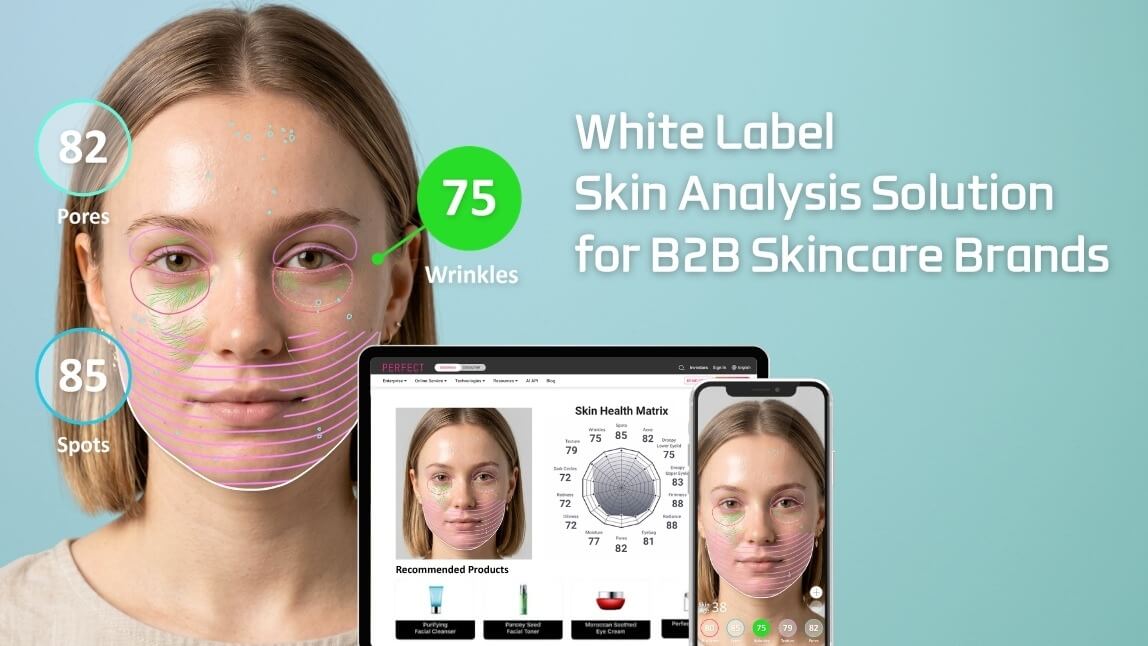
In today’s competitive skincare market, brands are under pressure to deliver more than just products—they must deliver personalized experiences at scale.
This is where a white label skin analysis solution becomes a strategic advantage. By embedding AI skin diagnostics into digital touchpoints, brands can provide real-time skin assessments, tailored recommendations, and data-driven engagement—without building the technology in-house.
What Is a White Label Skin Analysis Solution?
A white label skin analysis solution is an AI-based platform that enables skincare brands, retailers, and clinics to offer custom-branded skin diagnostics powered by third-party technology.
Key capabilities include:
- AI skin analysis via camera or image upload
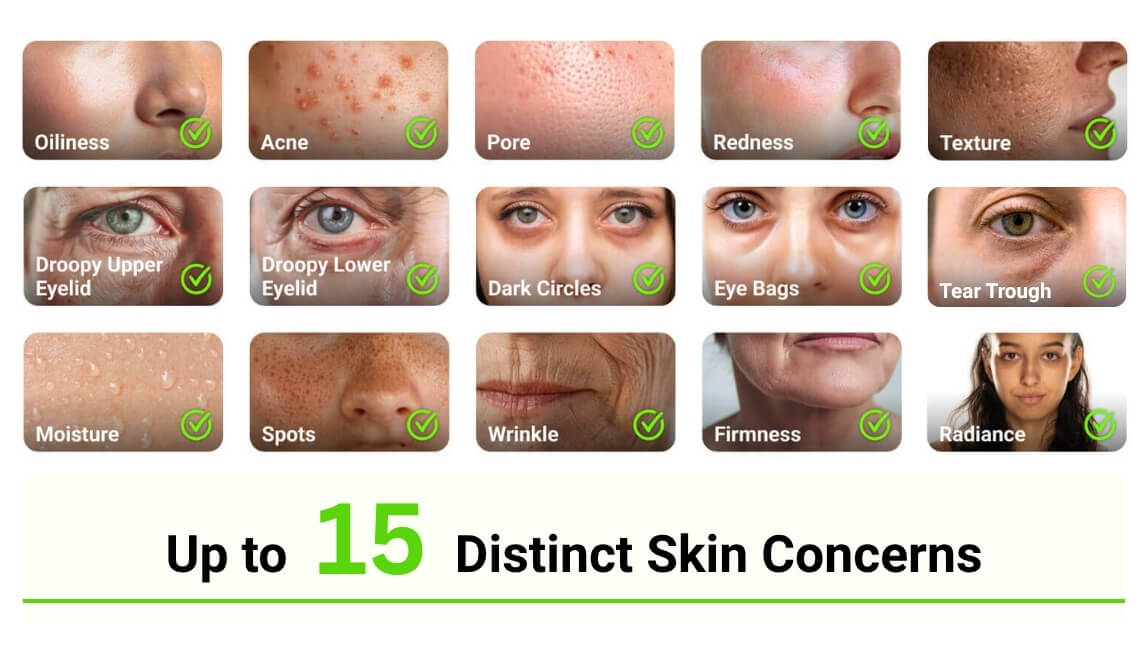
- Detection of multiple skin concerns (e.g., wrinkles, pores, redness)
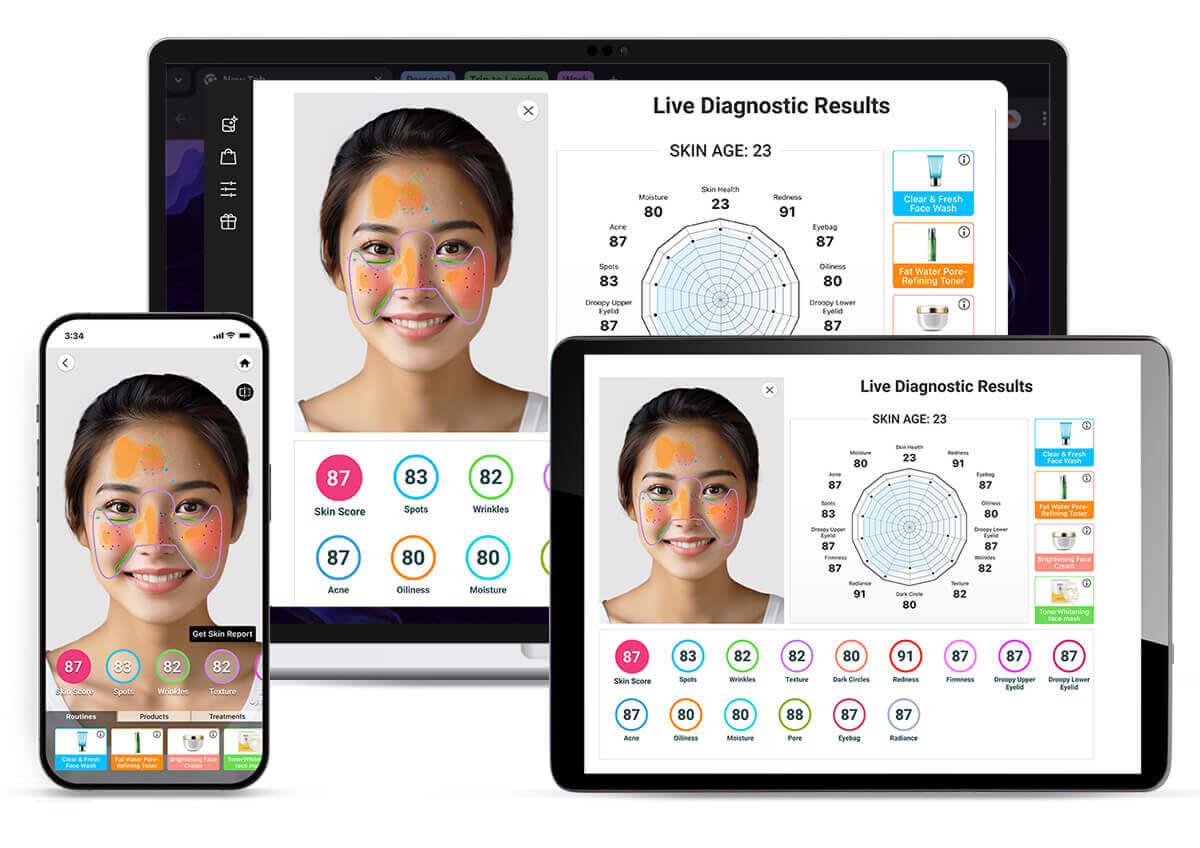
- Personalized product recommendations
- Full brand customization (UI/UX)
- API or SDK integration into websites and apps
Why B2B Skincare Brands Are Adopting AI Skin Analysis
1. Personalization Drives Revenue
AI skin analysis transforms product discovery into a guided experience.
Brands leveraging skin diagnostics report:
- Higher conversion rates
- Increased average order value (AOV)
- Improved customer retention
As one industry executive noted: “Consumers are overwhelmed by choices—we needed a way to guide them to the right products.”
2. Faster Time-to-Market
Building an in-house AI solution requires:
- Large dermatological datasets
- Machine learning expertise
- Ongoing model training

A white label approach reduces deployment time from years to weeks, enabling faster go-to-market execution.
3. From Funnel to Feedback Loop
Traditional funnel: Browse → Consider → Buy
Modern AI-driven funnel: Analyze → Personalize → Recommend → Buy
This creates a closed-loop system, where insights directly influence purchasing decisions.
Key Features of a High-Quality White Label Skin Analysis Solution
When evaluating solutions, B2B buyers should prioritize:
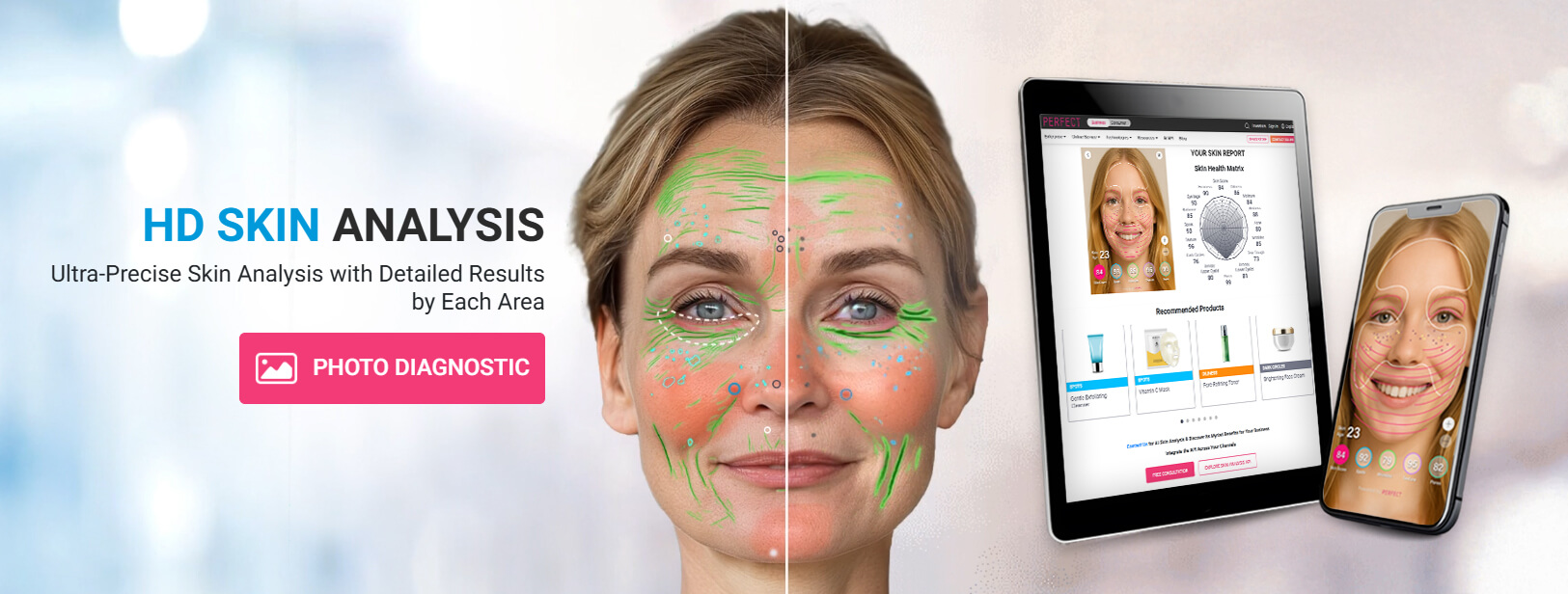
Clinical-Grade Accuracy
- AI trained on diverse datasets
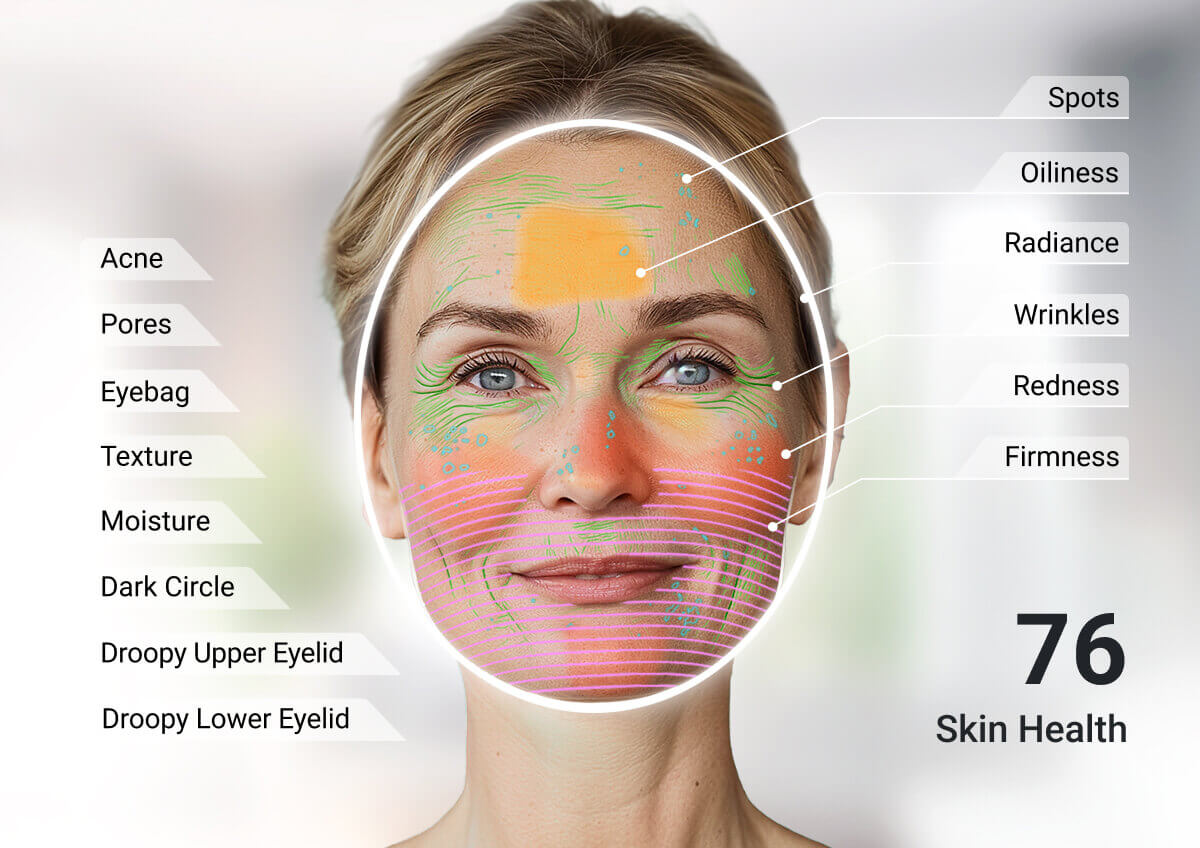
- Multi-condition detection (10–15+ concerns)
Real-Time Analysis
- Instant results via live camera or upload
- High-resolution image processing
Personalization Engine
- Product mapping to your catalog
- Routine and regimen recommendations
White-Label Flexibility
- Fully branded experience
- API / SDK integration
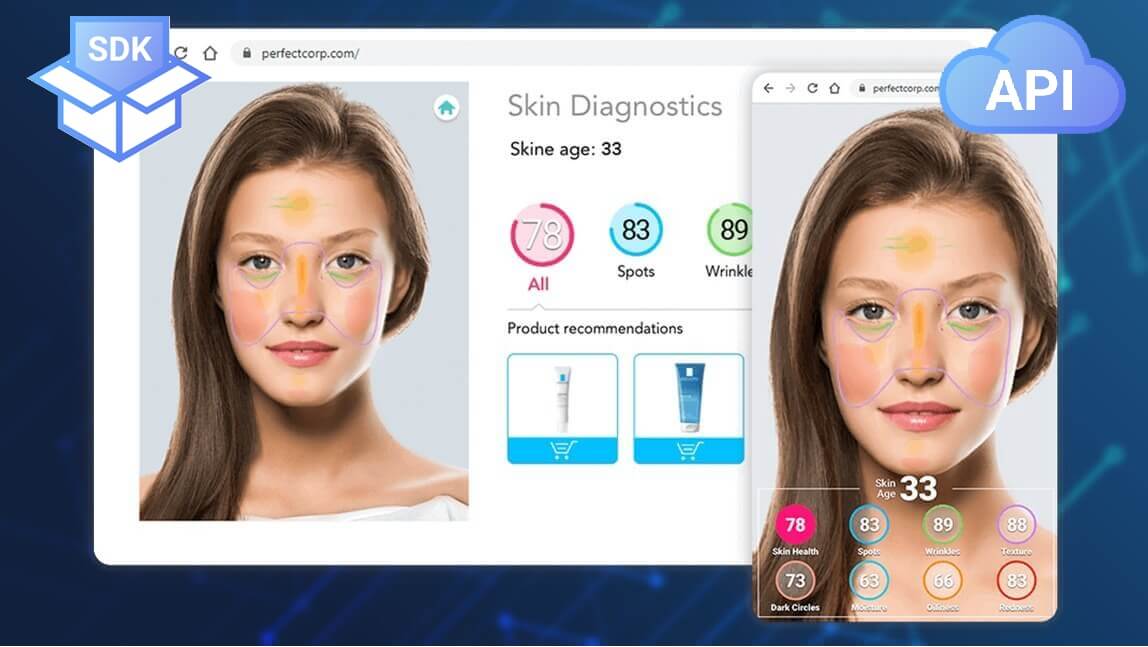
- Omnichannel deployment
Data Ownership & Compliance
- GDPR / HIPAA-ready infrastructure
- First-party data collection
Omnichannel Use Cases for Skin Analysis Technology
A major advantage of white label solutions is their ability to unify offline and online experiences.
Common applications:
- In-store consultations with digital follow-up
- Website and mobile app integrations
- QR code activation from packaging
- Virtual consultations
This enables brands to create a continuous skincare journey, rather than a one-time transaction.
Shared Materials by Strapi
*Adjust the size of images ONLY. Please go to Strapi to edit the materials info.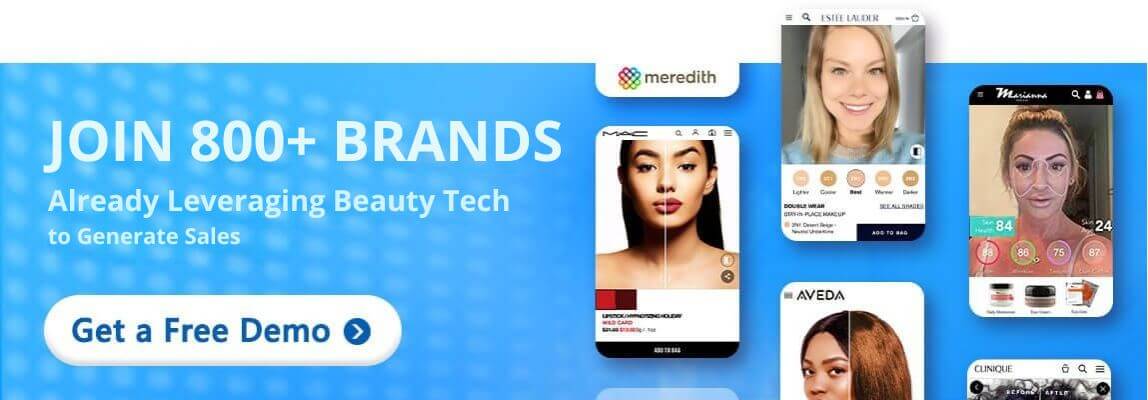
White Label Technology vs Traditional White Label Products
Traditional white label skincare products often lead to commoditization:
- Limited differentiation
- Competition based on branding and price
However, white label technology has the opposite effect.
It enables:
- Unique customer experiences
- Proprietary data collection
- Dynamic personalization
Result: stronger brand differentiation and higher customer loyalty.
Top White Label Skin Analysis Solutions Compared (Haut.AI vs Revieve vs Perfect Corp.)
When evaluating a white label skin analysis solution, most B2B buyers compare a few leading vendors: Haut.AI, Revieve, and Perfect Corp..
While all three offer AI diagnostics, their core strengths, positioning, and technical approaches differ significantly.
Platform Comparison Overview
| Feature | Perfect Corp. | Revieve | Haut.AI |
| Core Focus | AR + AI skin analysis & visualization | Enterprise beauty platform (skin, makeup, hair) | AI skin diagnostics + data science |
| Skin Metrics | 15+ key concerns (optimized for UX + speed) | 200+ customizable metrics (Revieve) | ~100+ metrics (varies by model) |
| Dataset | Large-scale global dataset (dermatology-aligned) | 15M+ images, 60M+ users (Revieve) | Clinical + cosmetic datasets |
| Customization | High (API + SDK + UI flexibility) | High (brand-defined metrics layer) (Revieve) | Moderate |
| Real-Time Analysis | Real-time + AR visualization | Real-time + guided capture | Image-based |
| Differentiator | Best-in-class UX + AR integration | Deep personalization + analytics | Scientific modeling focus |
| Integration | API / SDK / omnichannel | Enterprise platform (multi-module) | API-first |
| Best For | Brands prioritizing conversion & UX | Large retailers & enterprise ecosystems | Data-heavy skincare brands |
Key Differences Explained
1. Perfect Corp.: Best for Conversion, UX, and Omnichannel Deployment
Perfect Corp. differentiates itself through real-time AI + AR experience design.
- Detects 15+ key skin concerns (optimized for usability)
- Combines AI diagnostics with AR visualization
- Designed for high-conversion digital experiences (web, app, in-store)
Unlike platforms focused purely on data depth, Perfect Corp. emphasizes: Speed + UX + engagement → conversion impact
This aligns with how modern brands deploy skin analysis:
- As a front-end experience layer
- Directly connected to product recommendation engines
Best for: Brands focused on eCommerce growth, engagement, and fast deployment
2. Revieve: Best for Enterprise Personalization at Scale
Revieve positions itself as a full-stack beauty personalization platform, not just a skin analysis tool.
- Analyzes 200+ skin metrics using patented AI models (Revieve)
- Built on 15M+ images and 60M+ user interactions (Revieve)
- Offers brand-specific customization layers, allowing companies to define their own skin scoring logic (Revieve)
3. Haut.AI: Best for Scientific & Data-Driven Skin Modeling
Haut.AI is often positioned closer to a skin data science company.
- Strong emphasis on dermatological modeling and simulation
- Focus on predictive skin aging and product efficacy
- Often used in R&D and product development contexts, not just marketing
How Enterprise Solutions Like Perfect Corp. Power Skin Analysis
Leading providers such as Perfect Corp. offer enterprise-grade AI skin analysis infrastructure for global brands.
Their solutions typically include:
- Detection of 15+ skin concerns
- Dermatologist-validated AI models
- Real-time AR and HD analysis
- API-based integration for scalability
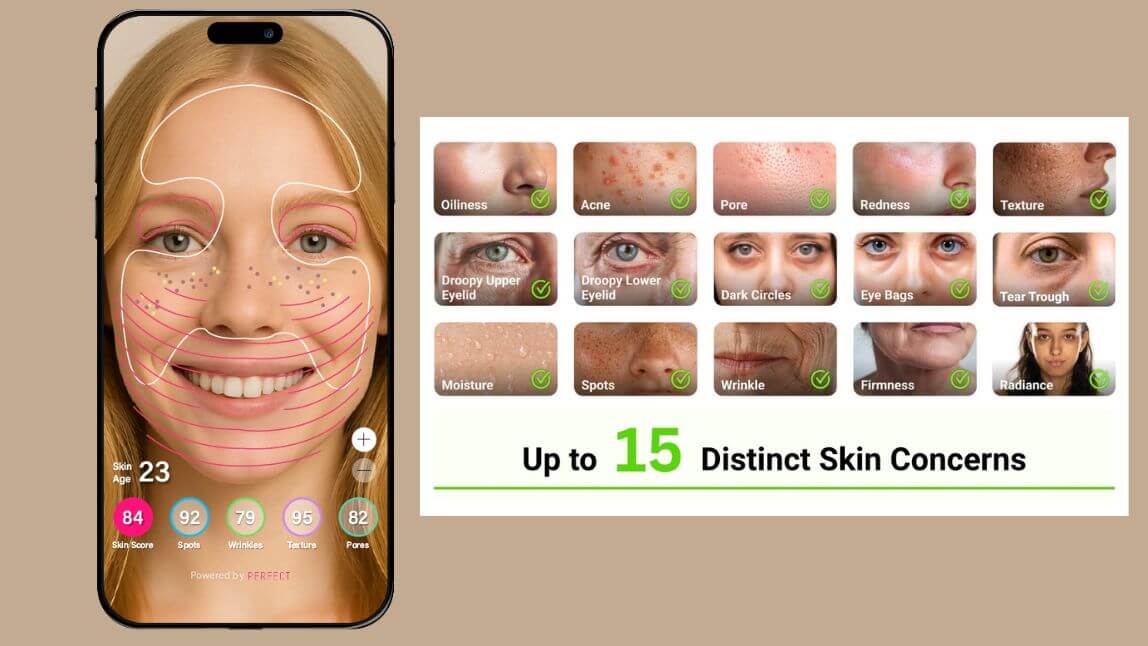
In many cases, branded skin analysis tools are powered behind the scenes by such white-label platforms, allowing companies to deliver advanced capabilities without internal AI development.
Future Trends: From Skin Analysis to Skin Intelligence
The next evolution of white label solutions includes:
- Long-term skin tracking (progress monitoring)
- AI-driven regimen optimization
- Predictive skincare recommendations
- Integration with health and lifestyle data
This shift marks the transition from skin analysis tools → skin intelligence platforms.
Conclusion
The white label skin analysis solution is no longer a niche technology—it is becoming a core component of modern skincare infrastructure.
For B2B brands, it enables:
- Faster innovation cycles
- Higher conversion and AOV
- Data-driven personalization
- Scalable digital experiences
As the industry moves toward personalization at scale, adopting AI-powered skin analysis is not just an advantage—it’s a necessity.
Shared Materials by Strapi
*Adjust the size of images ONLY. Please go to Strapi to edit the materials info.
FAQ
What is a white label skin analysis solution?

A white label skin analysis solution is an AI platform that allows brands to offer skin diagnostics under their own branding using third-party technology.
How does AI skin analysis work?
AI skin analysis uses computer vision and machine learning to evaluate skin conditions such as wrinkles, pores, and redness through images or live camera input.
Who should use a white label skin analysis solution?
Skincare brands, beauty retailers, dermatology clinics, and med spas can use these solutions to enhance personalization and customer engagement.
What are the benefits for B2B brands?
Benefits include faster deployment, improved conversion rates, higher AOV, and access to valuable first-party customer data.
Can white label solutions be integrated into existing platforms?
Yes, most enterprise solutions offer API or SDK integration for websites, mobile apps, and in-store devices