 Author:
| Table of Contents |
|---|
What is an API? (Application Programming Interface)
An API (Application Programming Interface) is a structured way for one software system to communicate with another. Instead of building every feature from scratch, APIs allow developers to connect to existing services, send requests, and receive results instantly.
Without APIs, modern apps simply wouldn’t scale.
How API Works
The process happens in four lightning-fast steps:
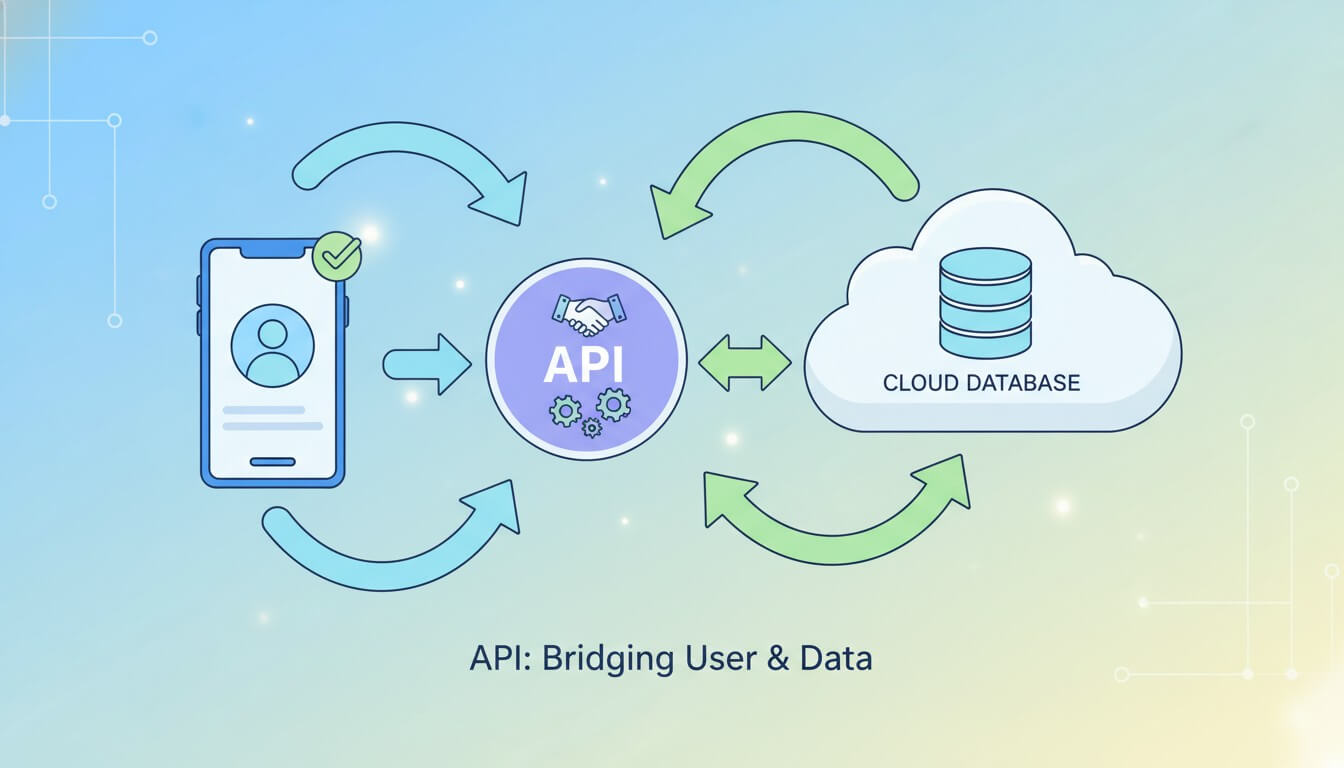
- The Request: Your application sends a call to a specific URL (the endpoint).
- Authentication: The API checks your "API Key" to make sure you're an authorized user.
- Processing: The server performs the task (e.g., analyzing a skin photo or processing a payment).
- The Response: The server sends the result back to your app, usually in a lightweight format called JSON.
Top API Use Cases in 2026
Payment API Use Case
- Global Payouts API
Global Payouts like Stripe API, enables businesses to handle multi-currency checkouts and automated seller payouts. By integrating this, platforms like Shopify provide immediate global market reach for local vendors.
- Recurring Billing API
Subscription-based services use PayPal's API to manage complex billing cycles and automated renewals, reducing payment churn and improving customer retention.
- Fraud Prevention API
E-commerce brands integrate Square API to leverage AI-driven fraud detection at the point of sale, protecting both the merchant and the consumer from unauthorized transactions.
For businesses dealing with fraudulent registrations and suspicious user activity, fake account detection can also help identify accounts created for abusive or fraudulent purposes before they cause financial or operational damage.
E-commerce API Use Case
VTO APIs are revolutionizing retail by solving the "Touch and Feel" gap, allowing consumers to interact with products virtually with the same confidence as in-store shopping.
- Makeup API
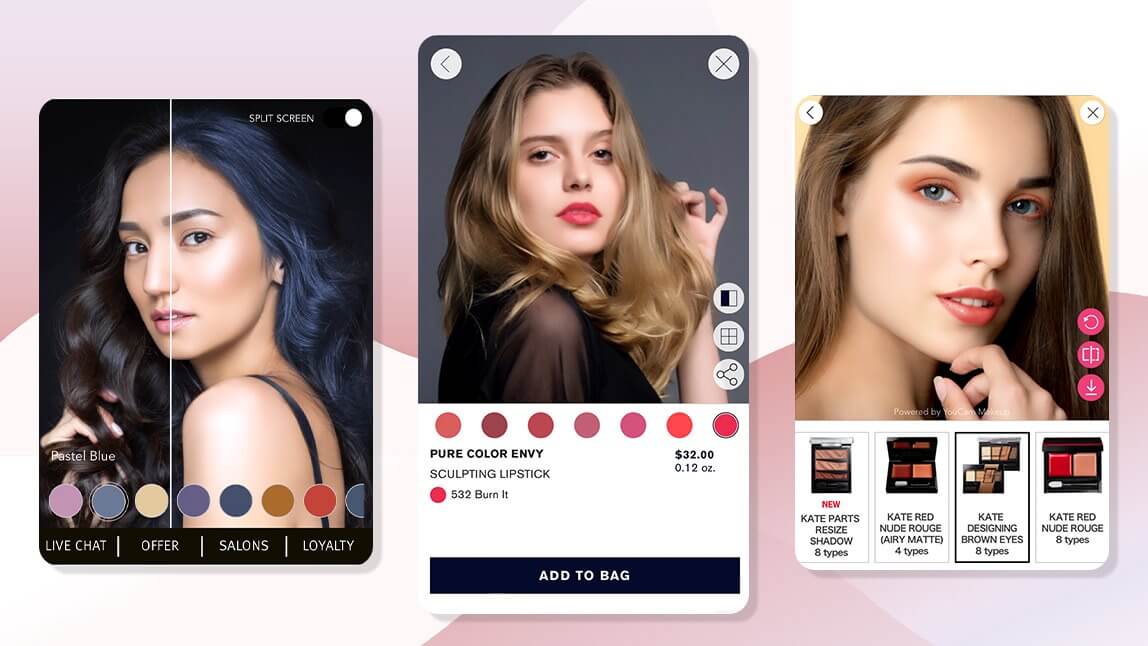
Global leaders like Estée Lauder utilize Perfect Corp.’s enterprise-grade virtual try-ontechnology to deliver hyper-realistic simulations of lipsticks, eyeshadows, and foundations, which matches exact product SKUs and complex textures (matte, gloss, and shimmer,) ensuring a professional-grade experience that builds consumer trust. Now, with the Makeup API, this high-performance visual intelligence is accessible with a low-cost access model, saving significant capital for ambitious brands.
- Jewelry API

Jewelry retailers integrate these APIs to offer virtual try-ons for rings, bracelets, and watches. By using Physically Based Rendering (PBR), the jewelry virtual try-on API simulates realistic light reflections on metals and the sparkle of gemstones, allowing customers to visualize fine details from any angle.
- Clothes API
Fashion brands leverage the AI Clothes Try-On API to let users swap fabrics or see how outfits fit their specific body shape using a single photo. This reduces the uncertainty of online sizing and dramatically lowers return rates.
- YouTube Proxy
For globally distributed e-commerce applications, developers may integrate APIs from services such as payment providers, product platforms, analytics tools, and video platforms. During development and testing, a YouTube proxy can help validate access to region-dependent video content, making it easier to ensure that product demonstrations, tutorials, and other embedded media work reliably for customers in different markets.
Skin Analysis API Use Case
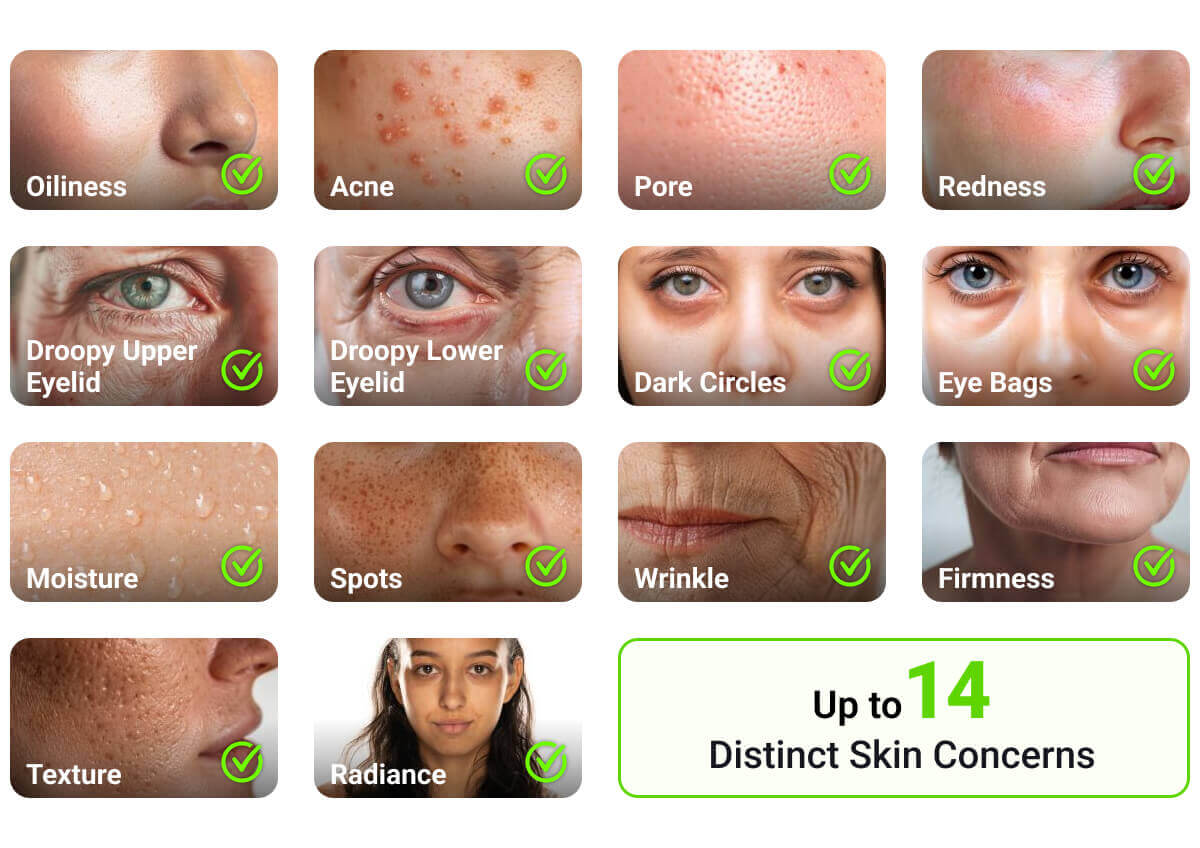
The healthcare sector is utilizing image analysis APIs to move toward highly personalized, data-driven wellness.
- Skin Analysis API
Verified by dermatologists, this API analyzes over 14 skin concerns, including wrinkles, acne, and hydration levels—from a smartphone photo. It allows skincare brands to provide instant, medical-grade diagnostics and tailored product routines to users at home.
- Face Attribute Detection API
This tool provides high-precision feature mapping and age estimation. Health and wellness apps use it to track facial changes over time, offering users quantitative data on the effectiveness of their dietary or skincare regimens.
- Aesthetic Simulation API
Medical clinics use this to show patients predicted outcomes of aesthetic procedures. By simulating the post-treatment look, clinics can build patient confidence and ensure expectations are aligned before the first appointment.
The Next API Frontier in 2026: Model Context Protocol (MCP)
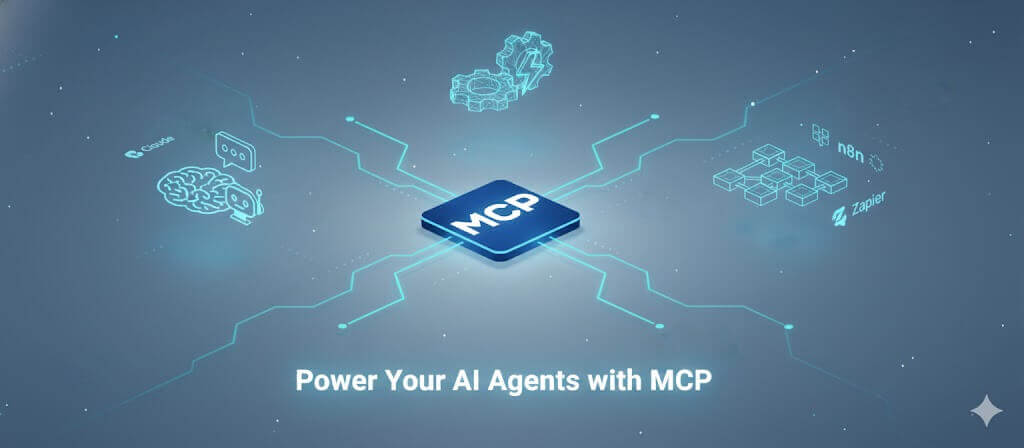
The biggest shift in API history is the Model Context Protocol (MCP). , an open-source standard designed to connect AI applications to external tools and data seamlessly. Here's how it works:
- Standardized Integration: MCP acts as a "USB-C for AI," allowing LLMs (like Claude or GPT-4) to connect directly to external tools without custom code for every integration.
- Agentic Workflows: With MCP support, a developer can prompt an AI agent to "Analyze this customer's photo and apply a professional makeup look," and the agent will automatically discover and call the Perfect Corp API.

The Benefits of Using an API
Using APIs instead of building everything internally offers major advantages:
- Speed to Market: Don't spend years building AI models when you can integrate them in days.
- Cost Efficiency: Avoid the high overhead of hiring specialized AI researchers.
- Scalability: As your traffic grows, the API provider handles the server load, not you.
- Innovation: Access "Model Context Protocol" (MCP) support, allowing your AI agents to use visual tools automatically.
How to Build Your First API Integration
Building with Visual AI doesn't have to be a multi-month project. Here is how you can go from concept to a live integration in five steps:
Step 1: Define Your Resource
Start with a clear goal. What experience do you want to provide? Whether it's letting users see how they look with a new hair color or detecting their skin type, defining the "resource" is the first step in choosing the right endpoint.
Step 2: Get Your API Key
Head over to the Perfect Corp Console. You can sign up for a free plan and receive your unique API key immediately to begin your development journey.
Step 3: Test in the Playground
Before you write a single line of code, use the API Playground. It’s a sandbox where you can test different inputs (like images) and see the processed AI results in real-time. This ensures you understand the response structure and accuracy before moving to production.
Step 4: The Integration (Code Snippet)
Most integrations follow a standard RESTful pattern. Here is a generic example of how a POST request to an AI endpoint might look:
Step 5: Scaling with Webhooks
For real-time processing of large files or high-volume traffic, Webhooks are your best friend. Instead of polling the server and waiting for a result, Perfect Corp’s real-time Webhooks notify your application as soon as the AI has finished its task, ensuring a seamless and efficient user experience.
Why Choose Perfect Corp. APIs?
Perfect Corp.'s API is designed to scale with your ambitions! It offers:
- Flexible Pay-Per-Use Pricing: Our flexible pay-per-use model and low-cost access allow you to scale your AI features without the massive upfront investment.
- Zero-Commitment Testing: Sign up for a free account and start with 40 free trail units.
- Seamless Integration: Native MCP support makes your brand ready for the next generation of AI-driven applications and agents.
- Privacy & Reliability: In an era of data concerns, Perfect Corp prioritizes safety. All uploaded pictures are automatically deleted within 24 hours, and our systems are built for consistent, trusted results.
- Full Access to Diverse VTO Features: From makeup try-on to clinical-grade skin and face analysis, we provide 45+ tools for business.
Future Trends: The 2026 Outlook
As we look toward 2026, APIs are no longer just a technical convenience; they are a strategic asset. By leveraging Perfect Corp’s Visual AI APIs, you bypass years of R&D and gain immediate access to tools that drive real-world conversion.
Ready to build the future of retail? [Get Your Free API Key] and explore our [API Playground] to start your integration today.
API Use Cases FAQ
What is an API use case?

APIs enable new applications to connect seamlessly with existing software, accelerating development by reusing proven functionality instead of rebuilding it from the ground up.
What is the most common use case for APIs?
Some of the most common API use cases include database, operating system, remote, and web APIs. Database and data lake APIs enable developers to securely access and manage data stored in databases.
What are the uses of APIs?
APIs provide application owners with a secure and straightforward way to expose selected data and functionality to internal and external consumers. By using predefined interfaces, APIs share only the information and capabilities required for specific requests.
What is a real life example of an API?
For example, an online makeup store can use Perfect Corp.’s API to instantly add AI-powered virtual try-on features, reducing development time and costs by leveraging proven, ready-made technology instead of building everything from scratch.