 Author:
| Table of Contents |
|---|
The Science Behind the Sparkle: Unpacking Grey Eye Color
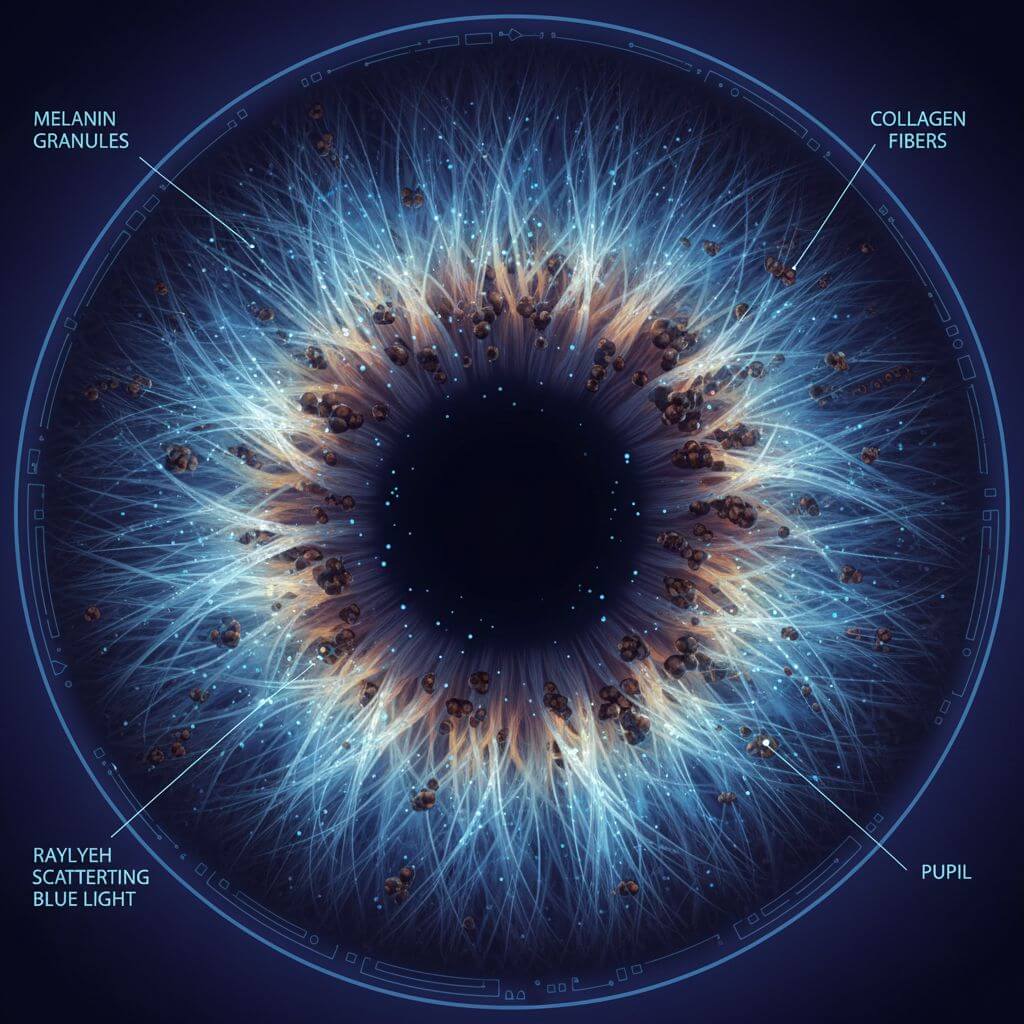
Grey eyes lies in a very low concentration of melanin in the stroma lower than in blue eyes combined with a higher amount of collagen. This unique combination causes light to scatter in a specific way, known as Rayleigh scattering, which is the same phenomenon that makes the sky appear blue. However, the slightly higher density of collagen in the grey iris creates a hazier, less distinct blue, resulting in a grey appearance.
This delicate balance is why grey eyes can appear to shift colors, taking on hints of blue when light hits them a certain way, or green when they reflect certain colors from clothing or makeup. It's not magic, but pure optical physics!
Grey Eyes vs. Blue Eyes
Distinguishing grey eyes from blue can sometimes be tricky, but there are distinct scientific and visual differences.
The primary distinction lies in the concentration and distribution of melanin and collagen within the iris's stroma. Blue eyes have very little melanin in the stroma, leading to maximum Rayleigh scattering and a clear, bright blue appearance. Grey eyes, on the other hand, have a slightly higher amount of collagen and a lower density of melanin than blue eyes, which results in less uniform light scattering, creating a more diffused, silvery, or smoky hue. They also tend to have flecks of gold or brown, or a ring of blue or green around the pupil.
How to Try On Grey Eye Color Online
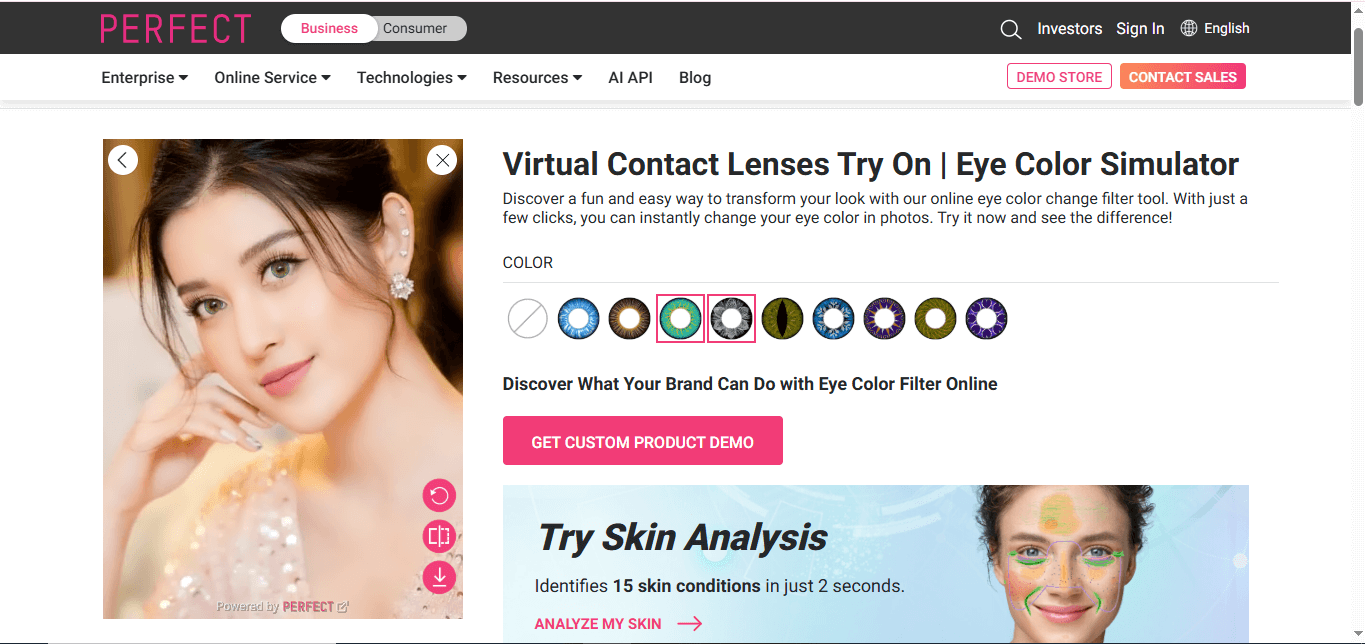
- Open device camera
- Pick grey eye color filter
- See the result!
Enhancing Grey Gaze with AI and AR Try On
The beauty of grey eyes lies in their versatility, making them a fantastic canvas for makeup and fashion experimentation. Because they often reflect surrounding colors, choosing the right shades can truly make your grey eyes pop and bring out their latent blue or green undertones.
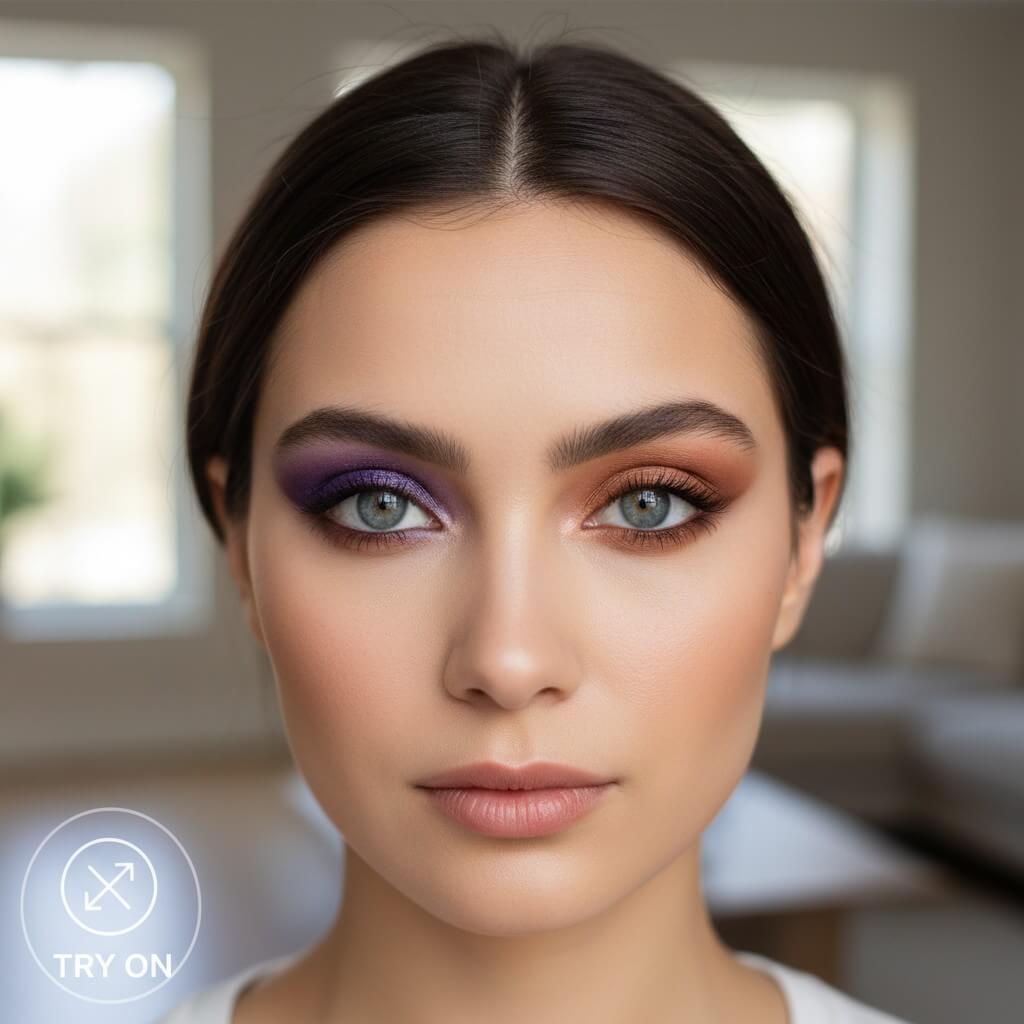
- For a Pop of Blue: Try warm brown, copper, or gold eyeshadows. These contrasting warm tones will enhance the cooler blue flecks in your grey eyes.
- For a Hint of Green: Opt for plum, burgundy, or deep purple shades. The red undertones in these colors will make any green in your grey eyes stand out beautifully.
- Smoky & Dramatic: Charcoal grey, deep silver, and black eyeliners or eyeshadows create a sophisticated, intense look that truly complements the natural grey.
- Natural Enhancement: Neutral tones like taupe, soft brown, and champagne will subtly highlight your eyes without overpowering them.
- Eyeliner & Mascara: Black or dark brown mascara is always a classic. For a softer look, try grey or navy blue eyeliner.
- Fashion & Clothing: Colors like teal, emerald green, lavender, and deep blue can beautifully reflect into grey eyes, making them appear more vibrant. Silvery grey and charcoal clothing will create a monochromatic, sophisticated look.
How Eye Color Filter Benefits Customers
For consumers, using an eye color filter offers a range of valuable benefits:
- Risk-Free Experimentation: Try on countless looks and shades, including different grey eye color contacts, without commitment or cost.
- Informed Purchase Decisions: See how products truly look on them before buying, leading to greater satisfaction.
- Convenience & Accessibility: Access personalized beauty advice and try-on experiences from anywhere, anytime.
- Boosted Confidence: Experiment with new styles and find what works best, enhancing self-esteem and encouraging self-expression.
- Hygiene & Safety: A safer alternative to physical testers, especially important in today's health-conscious world.
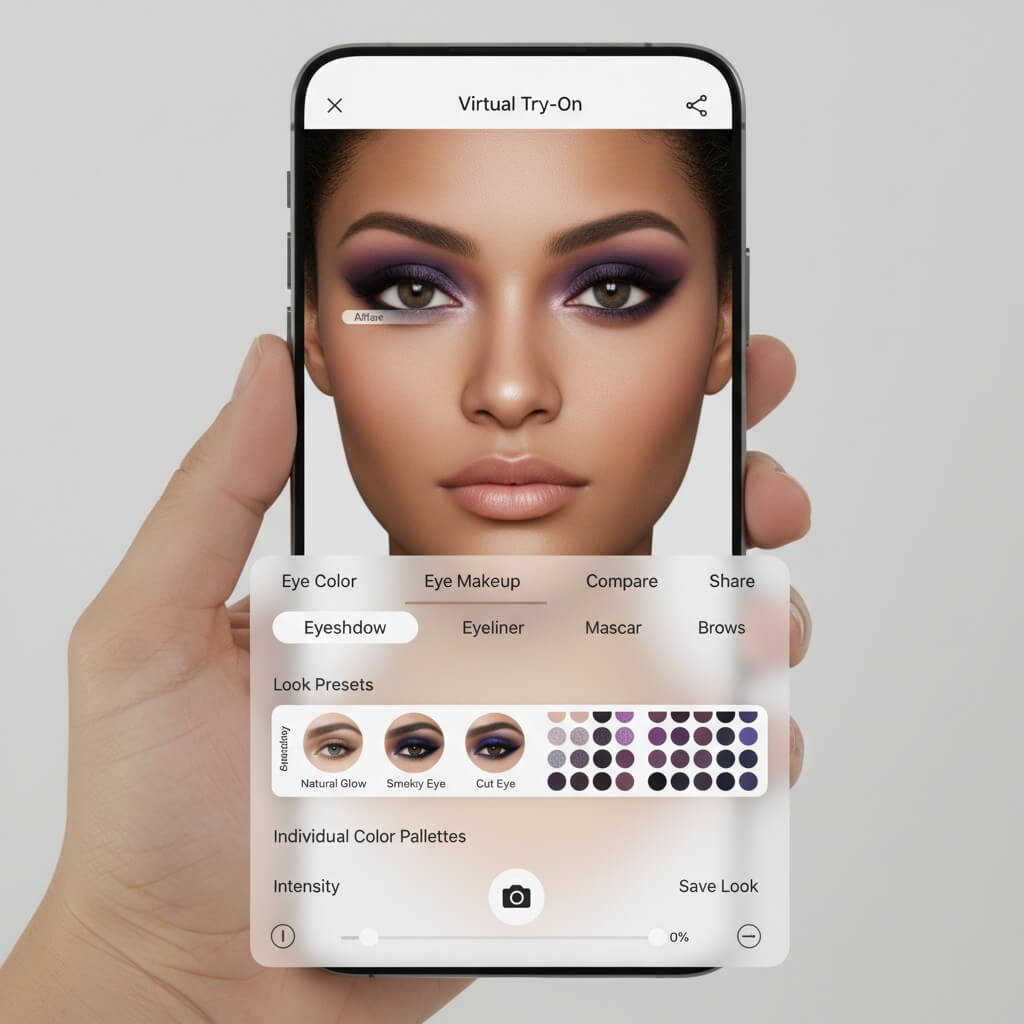
How Eye Color Filter Benefits Beauty Brands?
For brands, the integration eye color and makeup filter, offers a wealth of benefits across the entire ecosystem:
- Increased Sales & Conversions: Virtual try-on significantly reduces uncertainty, leading to higher purchase intent and sales.
- Reduced Returns: Customers are more satisfied with their choices when they've virtually tried products, leading to fewer returns.
- Enhanced Customer Engagement: Interactive experiences keep customers on your site or in your store longer, fostering deeper brand loyalty.
- Personalized Marketing & Data: Gain insights into customer preferences, enabling more targeted product development and marketing campaigns.
- Global Reach: Offer personalized experiences to a global audience, regardless of their location or access to physical stores.
- Product Versatility Showcase: Effectively display a wide range of products, including subtle variations like different grey eye contact shades, without needing extensive physical inventory or photo shoots.

Real-World Use Cases
Eye color filter and makeup try ons isn't just a futuristic concept; it's already making a tangible difference for brands, retailers, and consumers worldwide. Here are three detailed use cases highlighting its real-world impact:
- Enhanced E-commerce Shopping Experience for Brands: With makeup filter, customers can instantly try on all the new shades and eye color virtually, seeing how each color interacts with their unique skin tone in real-time. This immersive experience significantly boosts engagement, and provides a 'try-before-you-buy' confidence that translates into higher conversion rates.
- Personalized In-Store Customer Journeys for Retailers: By deploying smart mirrors with VTO, customers can virtually try on entire makeup looks and various colored contact lenses (including grey shades). Sales associates can use the tool to offer highly personalized recommendations, guiding customers through a curated selection of products based on their virtual try-on results. Making shopping safer and more enjoyable but also elevates the retailer's image as an innovator.
- Empowering Consumers for Self-Expression and Discovery: For individual consumers, this technology empowers users to confidently explore new looks, express their unique style, and make informed beauty decisions without the commitment or cost of physical products. It's a playground for beauty exploration, fostering confidence and joy.
Conclusion: The Evolution of Personalized Beauty with AI
AI in beauty is only just beginning. For grey eyes and beyond, we can expect even more advanced, personalized lens and makeup try-on experiences. Soon, ultra-realistic real-time texture simulation will let you not only see but practically feel a product’s finish—from eyeshadow shimmer to matte lipstick. Predictive AI will also anticipate trends and suggest looks before they go mainstream, making personal style evolution effortless.

Grey Eyes FAQ
Are grey eyes truly rare?
Yes, grey eyes are considered one of the rarest eye colors globally, with estimates suggesting they are present in less than 1% of the world's population. This rarity contributes to their unique and often mysterious appeal compared to more common eye colors like brown or blue.
Do grey eyes change color?
Grey eyes often appear to change color, shifting between shades of blue, green, and silver. This phenomenon is due to the unique composition of the iris, which causes light to scatter in different ways depending on lighting conditions, clothing colors, and even emotional states, making them highly adaptable.
What is the genetic cause of grey eyes?
The genetic cause of grey eyes is similar to blue eyes, involving low concentrations of melanin in the stroma (the front layer of the iris). However, grey eyes have a slightly higher amount of collagen in the stroma compared to blue eyes, which scatters light differently (Rayleigh scattering), resulting in the distinct grey hue rather than a clear blue.
What makeup best suits grey eyes?
Grey eyes are highly versatile! To enhance blue undertones, try warm browns, coppers, or gold. To bring out green, opt for plum, burgundy, or deep purples. Charcoal greys and silvers create a sophisticated, monochromatic look. Black or dark brown mascara is always a classic, while navy or grey eyeliner can add a softer touch.
Can I virtually try on grey eye contacts?
Absolutely! Grey eye color filter allows you to realistically experiment with different shades of grey contact lenses, seeing exactly how they would look on your eyes in real-time. This provides a risk-free way to explore new eye colors before committing to a purchase.
How realistic is AI eye color try-on?
Eye color filter is hyper-realistic. It uses advanced facial mapping and AR rendering to accurately overlay virtual contact lenses onto your eyes, accounting for lighting, natural eye shape, and movement. The result is a highly convincing simulation that helps you make confident beauty decisions.
What's the difference between grey and blue eyes?
While both grey and blue eyes result from low melanin and Rayleigh scattering, grey eyes typically have a slightly higher density of collagen fibers in the iris stroma than blue eyes. This causes light to scatter in a more diffused, hazy manner, giving the eyes a silvery, less purely blue appearance. Grey eyes often appear more dynamic and color-shifting.
Is there a darker shade of grey eyes?
Yes, grey eyes can range from a very light, almost translucent silver to a deep, smoky charcoal grey. The specific shade depends on the precise amount and distribution of melanin and collagen within the iris, as well as how light interacts with these elements.
Can grey eyes be a sign of anything?
No, grey eye color is a natural genetic variation and is not typically a sign of any underlying health condition or ailment. It's simply a beautiful and rare eye color.