 Author: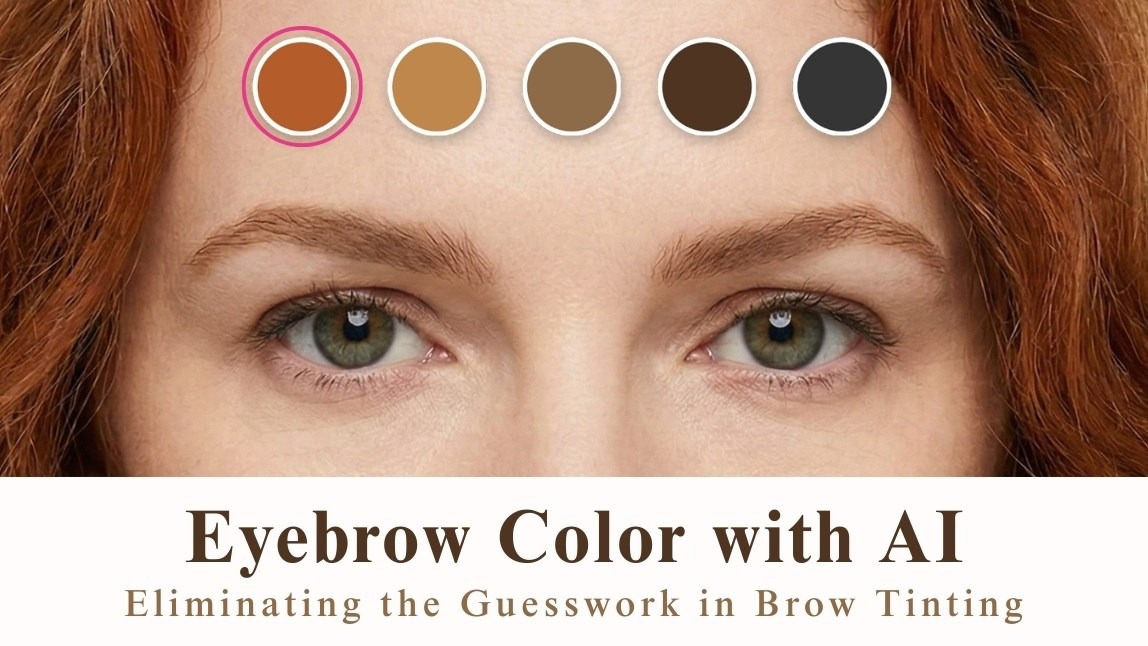
Finding the perfect eyebrow shape is only half the battle; finding the right color is what truly frames the face. For beauty brands and microblading professionals, the challenge has always been helping clients visualize how a permanent dye or a new brow pencil will interact with their unique skin tone and hair color.
In this blog, we’ll dive into the technology behind AI-Powered Eyebrow Color Filter to explore how it eliminates the guesswork from brow tinting and shade selection.
Key Takeaways
- Precision Matching: How to align eyebrow pigment with hair undertones and skin complexion.
- The Tech Behind the Tint: Understanding how AI maps brow hair for realistic color overlays.
- Business Impact: Boosting confidence in high-stakes services like microblading and tinting.
- Implementation: Simple steps to integrate color VTO into your beauty platform.
| Table of Contents |
|---|
The Golden Rules: Matching Brow Color to Hair & Skin Tones
Before algorithms take over, understanding the fundamentals of color theory is essential. The "perfect" brow color isn't just about matching the hair on one's head; it’s about creating balance.
Hair Color Dynamics
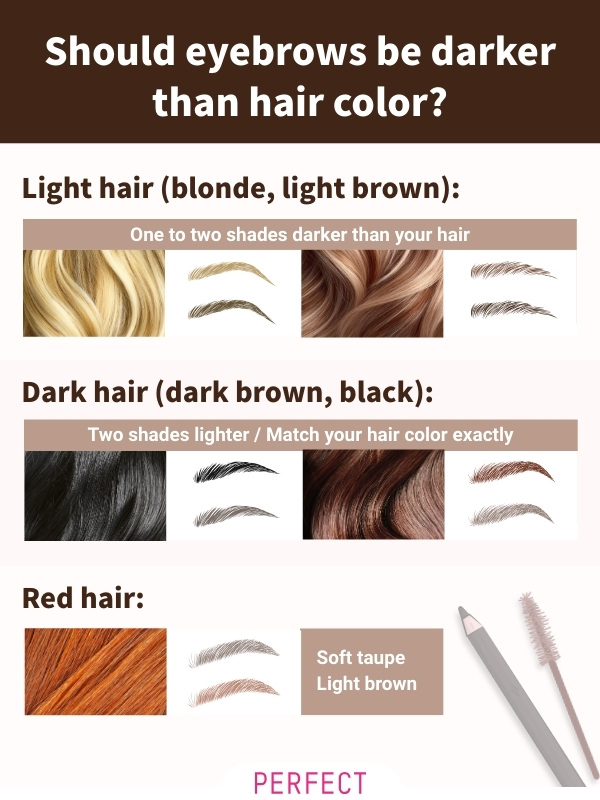
- Dark Hair: The general rule is to go one to two shades lighter than the hair color to prevent a harsh, severe look.
- Light/Blonde Hair: Conversely, going one to two shades darker adds definition and visibility to the face.
- Blondes: Dark blonde or light brown brows often work best; cool, ashy tones suit lighter complexions.
- Red Hair: Warm brown shades are ideal to complement red tones.
Skin Tone & Undertones:
- Cool Undertones: Require ashy or taupe shades to prevent the brows from looking unnaturally orange.
- Warm Undertones: Thrive with rich, golden, or auburn-based browns that enhance the skin’s natural glow.
Perfect Corp. AI Technology: From Shape Mapping to Colorization
Perfect Corp.'s AI Eyebrow Filter don’t just focus on brow-mapping precision, it also analyze texture and pigment, delivering six customizable brow colors and realistic textures. Here’s how the technology specifically handles color:
Precise Facial Feature Detection
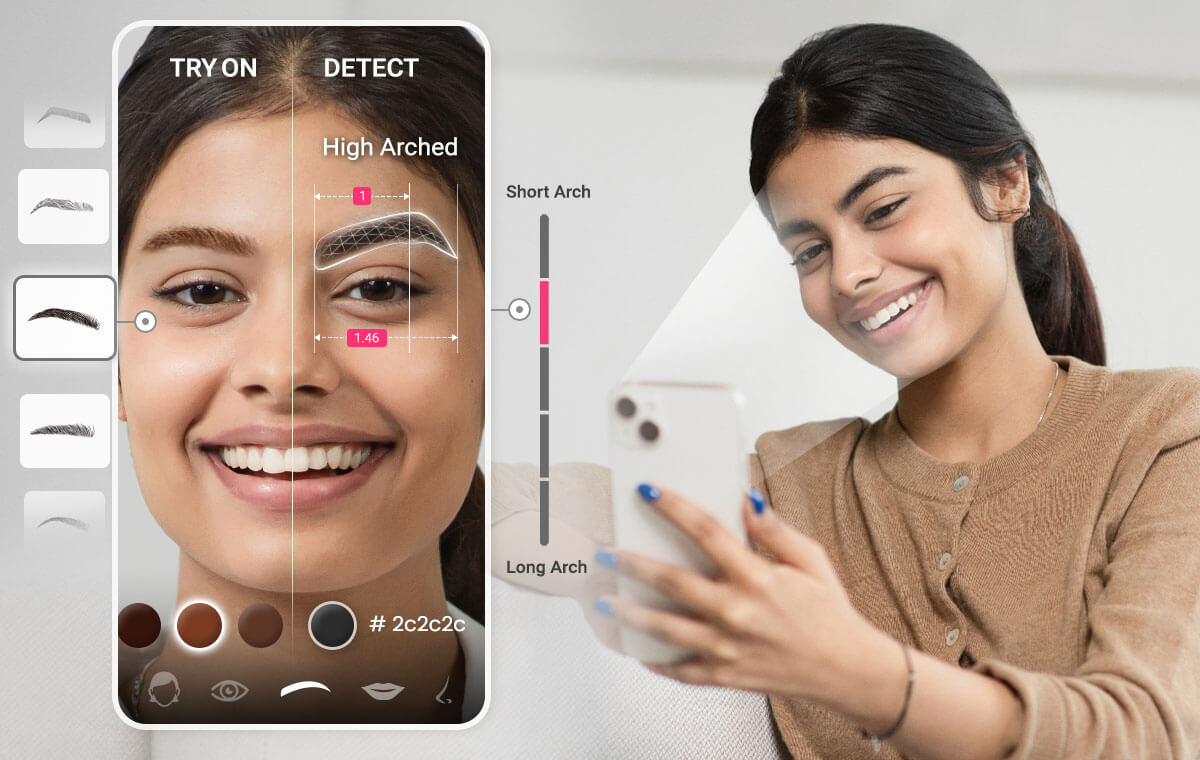
The AI instantly maps the ideal eyebrow color and shape using precise facial-point detection. This ensures perfect symmetry and proportions, completely removing the guesswork from microblading and nanoblading.
Digital Shade Matching & Palette Integration
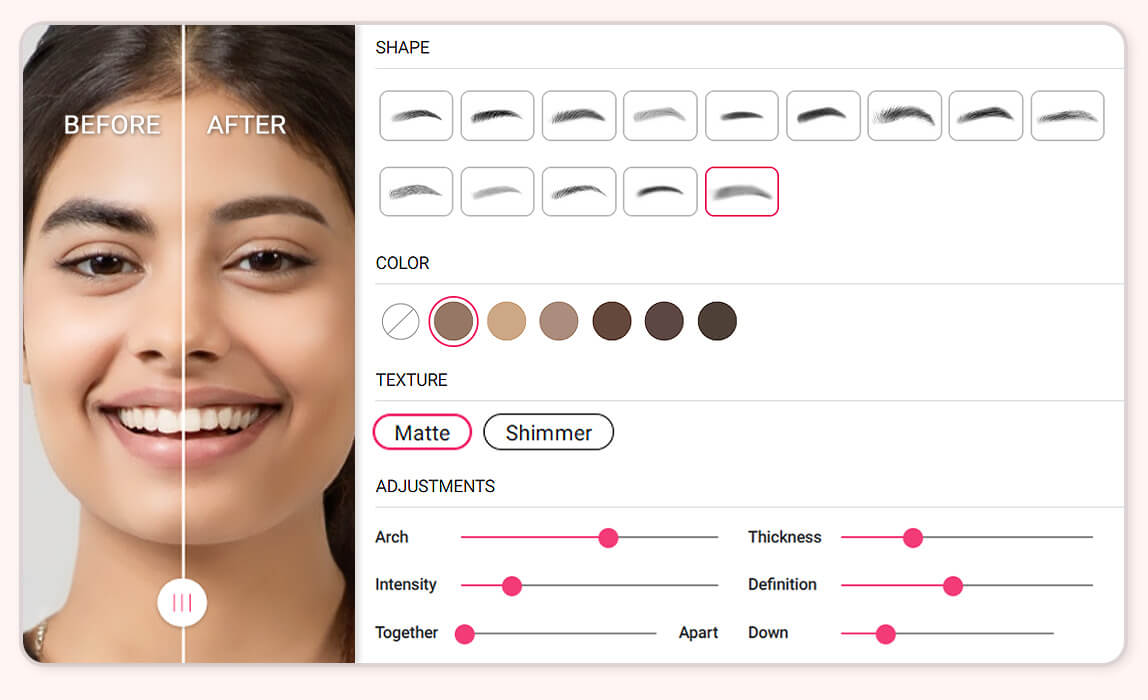
The Eyebrow Filter allows brands to digitize their exact SKU palette. Instead of a generic color overlay, the AI renders specific shades—from cool taupes to warm chocolates—allowing users to tap through swatches and instantly see how different undertones interact with their complexion.
Adjustable Pigment Intensity
Crucial for professionals offering services like tinting or henna, the "Intensity" slider controls the saturation and opacity of the color.
- Low Intensity: Simulates a subtle brow tint or a natural "fluffy" brow look.
- High Intensity: Simulates the denser, bolder look of fresh microblading or a pomade application.
Texture-Aware Finishes
Color looks different depending on the formula. The Eyebrow Filter provides a "Texture" toggle (visible as Matte and Shimmer). This allows the AI to render the light reflection correctly—whether the product is a matte powder that absorbs light or a gel that adds a slight sheen—ensuring the virtual color behaves exactly like the physical product.
What Are the Benefits of Using Eyebrow Filter AI for Dyeing & Tinting?
For businesses offering semi-permanent services (like microblading or henna brows) or brands selling colored cosmetics, the benefits are tangible:
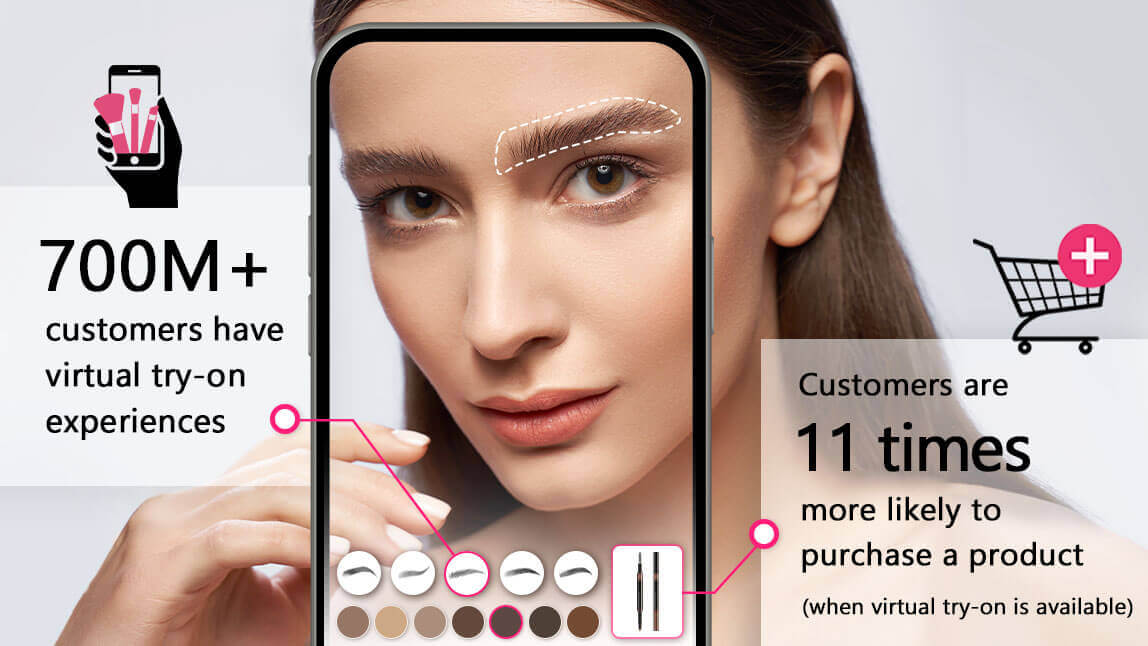
- Eliminating "Dye Anxiety": Clients are often terrified that a brow tint will turn out too dark. VTO acts as a digital safety net, allowing them to visualize the "after" result before a single drop of dye is applied.
- Higher Conversion for Microblading: When a client can see exactly how a "Chocolate Brown" versus an "Ash Brown" pigment looks on their face, they are more likely to commit to the expensive procedure.
- Reduced Returns on Cosmetics: For e-commerce, accurate color representation means customers buy the right pencil shade the first time, drastically lowering return rates.

How to Integrate AI to Elevate Your Beauty Business
Integrating this technology is no longer limited to tech giants. Beauty businesses can deploy these tools to bridge the gap between inspiration and execution.
- Step 1: Choose an API/SDK Provider (e.g., Perfect Corp) that specializes in high-fidelity hair and texture rendering.
- Step 2: Digitize Your SKU Palette. Upload your specific dye codes or product shades to the system.
- Step 3: Embed the Module. Place the "Try It On" button prominently on product pages or booking portals.
Conclusion
AI-powered Virtual Try-On has elevated eyebrow styling from a subjective art to a precise, data-driven science. By integrating advanced color and mapping technology into your beauty platform, you’re not just offering a service—you’re delivering certainty and confidence. Whether you operate a microblading studio or a global cosmetics brand, allowing clients to preview their perfect shade before committing is no longer a luxury—it’s the new industry standard. Empower users to discover their ideal look instantly, and watch hesitation turn effortlessly into conversion.