


AI Nose Shape Detector
Analyze your nose shape < 5 seconds - private & secure.

Secure SaaS Platform
What is Nose Shape Detector?
Our nose shape analyzer is built with precision facial analyzing algorithms that acknowledge the most common nose shape types.
Instantly analyzes your nose width and length and reveals if your nose is narrow, broad, or average, and long, short, or average.
How Does AI Nose Shapes Detector Work?

Click ‘TRY MYSELF’
Adjust the face's position as instructed, or upload a clear, front-facing photo with good lighting. Try demo to experience it yourself.

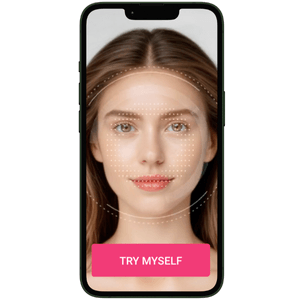
AI Analyzes Nose & Face Shape
The tool analyzes your facial features and nose shape.
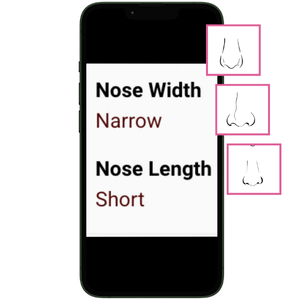
Get Results & Give Personalized Recommendations
In seconds, you’ll get your exact nose shape type—with visual guidance and tips.
Types of Nose Width – Illustrated & Explained
Here are the most common types of nose width our AI detects:
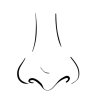
Narrow Nose
Your nostrils are closer together, giving your nose a slim and refined appearance.
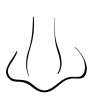
Broad Nose
Your nostrils are set wider apart, giving your nose a fuller, more prominent appearance.
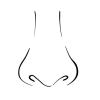
Average Nose
Your nostrils are evenly spaced, creating a balanced and proportionate look.
Illustrated Guide to Nose Length Types – Explained in Detail
Here are the most common types of nose length our AI detects:
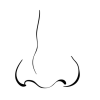
Long Nose
The distance from the bridge to the tip is extended, giving your nose a more elongated appearance.
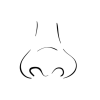
Short Nose
Your nose has a shorter distance from bridge to tip, giving it a compact appearance.
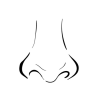
Average Nose
An average nose length means your nose has a balanced distance from bridge to tip, appearing well-proportioned to your face.
Common Nose Shapes and Their Features
Our AI technology identifies various nose profiles, helping to find if your nose types are Roman, Greek, Hooked, or Button noses. By analyzing the bridge, tip, and nostrils, we provide a detailed assessment for personalized beauty recommendations. Discover 18 Nose Types Here >

Roman Nose
The Roman nose is characterized by a prominent and high nose bridge that curves slightly forward.
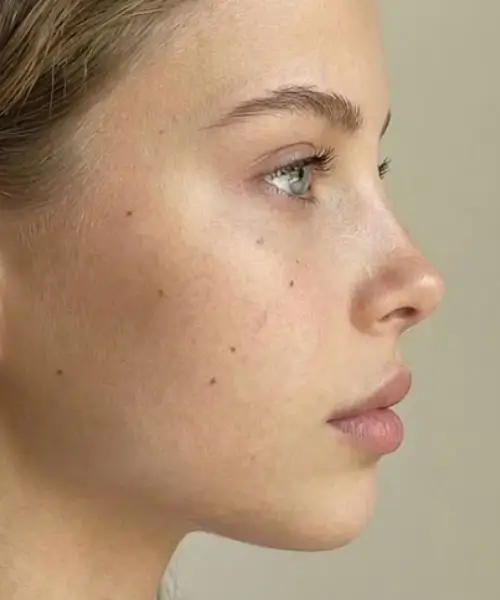
Button Nose
The button nose is small and rounded, often complementing delicate facial features.
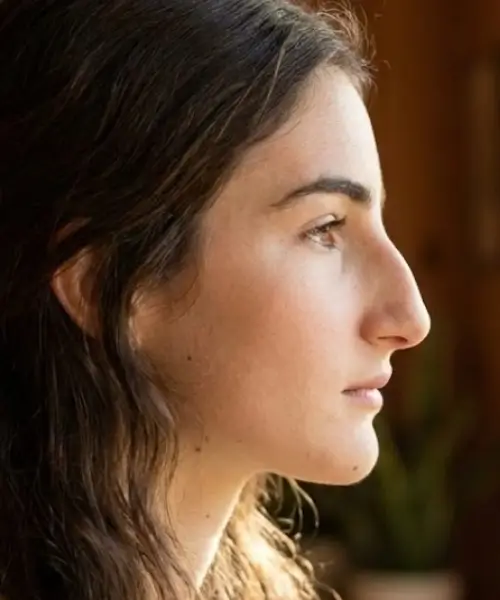
Greek Nose
The Greek nose, also known as the Greco-Roman nose, is characterized by its extremely high nasal root.
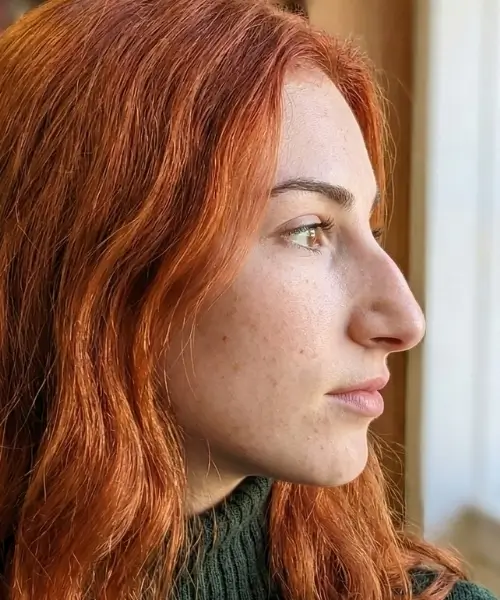
Hooked Nose
The aquiline nose is easily recognizable by its arched profile and prominent bridge.

Fleshy Nose
Full and rounded at the tip, it gives a soft and approachable appearance.
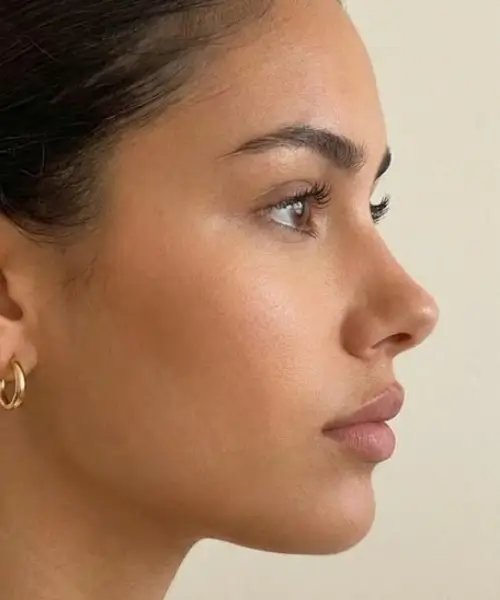
Upturned Nose
Typically shorter and presents an overall soft and harmonious look.
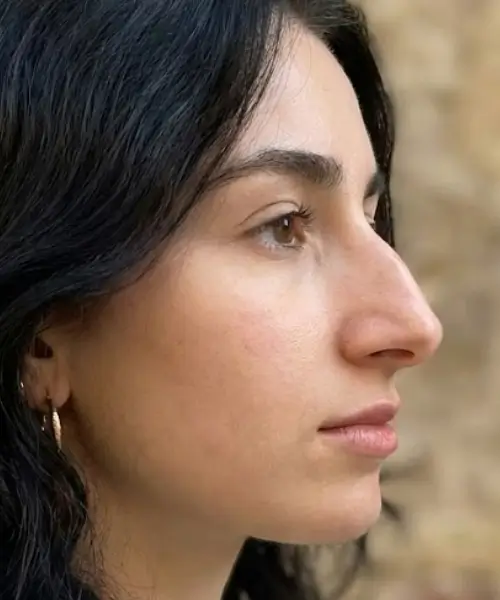
Aquiline Nose
Smoothly arched like an eagle's beak, this type often signifies elegance.

Snub Nose
Short with an upward tip, this type gives a friendly and approachable vibe.
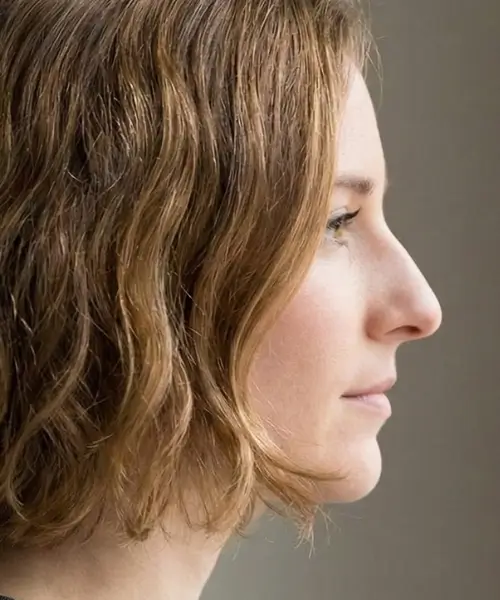
Straight Nose
Features a perfectly straight bridge, free of curves or irregularities, and blends seamlessly with most of the face shape.

Wide Nose
The width of the nose varies depending on bone structure and cartilage. In many cultures, a wide nose is considered a symbol of beauty and strength.

Narrow Nose
Thin and delicate, offering a refined and sculpted appearance.
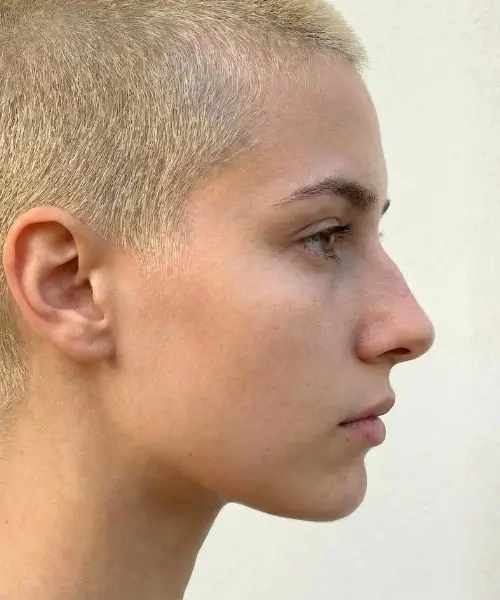
Bumpy Nose
Marked by small bumps along the bridge, this type is unique and character-rich.
Powerful AI Features: Micro-Surgery Simulation and Skin Detection
Nose Reshape Simulator
Nose Reshape Simulator
Preview the appearance after a slight nose adjustment. Can simulate the change after 1ml of hyaluronic acid or other fillers are injected into the nose. It is presented in an extremely realistic manner, very natural, as if the change is truly on the face.
Analyze 15+ Skin Conditions in One Click
Analyze 15+ Skin Conditions in One Click
Looking for a full face health check? AI skin analysis accurately analyzes 15 skin concerns and skin age to provide you a hyper-personalized skincare routine that fits the unique skin type.
How Does AI Nose Shape Detector Provide Makeup Suggestions?
Based on different nose widths and lengths, the nose shape detector can provide personalized beauty suggestions, helping businesses customize product offerings and beauty techniques.
Beauty Tips for Enhancing Nose Width
Beauty Tips for Enhancing Nose Width
- Narrow Nose: Slim shape; soft highlight enhances elegance
- Broad Nose: Wide shape; contour sides to define and slim
- Average Nose Width: Balanced width; suits most contouring styles
Beauty Tips for Enhancing Nose Length
Beauty Tips for Enhancing Nose Length
- Long Nose: Elongated look; contour tip to shorten visually
- Short Nose: Compact look; highlight bridge to elongate
- Average: Proportional length; works with all styles and techniques
Integrate the AI Tech That Understands Customers
Integrate the AI Tech That Understands Customers
AI drives this experience—analyzing thousands of faces to deliver fast, accurate nose shape results.
Trained on 70,000+ medical images, our AI model ensures high accuracy across all nose types.
It’s the same tech behind our AI Beauty Tech Suite, trusted by 700+ global brands.
Nose Shape Detector FAQs
How can I know my nose shape?

You can instantly find out with an AI tool like Perfect Corp.’s Nose Shape Detector. It scans your facial features in seconds to identify your nose width and length—whether it’s narrow, broad, short, long, or average—with high accuracy.
What is the rarest nose type?
The rarest nose types are often defined by unique combinations—like a narrow, upturned nose with a pronounced bridge. These traits appear in only a small percentage of the population.
Want to see how yours compares? Try the Nose Shape Detector to get your unique nose profile instantly.
What’s the most common nose type?
Globally, an average-shaped nose—balanced in width and length—is the most common. But regional genetics can vary widely. Discover your personal nose type with the Online Nose Shape Detector and explore tailored beauty insights.
What is a Scandinavian nose shape?
A Scandinavian nose typically features a straight bridge with a slightly narrower profile and high nasal bone structure. Curious how your nose compares?
Use Perfect Corp.’s Online Free Nose Shape Detector to see your results in real-time.
Can I see what I would look like with a nose job?
Yes, you can first discover your nose type with the Nose Shape Detector, then visualize your potential results with our Nose Job Simulator Online.
Can nose shapes influence the choice of eyewear?
Absolutely! The shape of your nose can really influence which eyewear frames will suit you best. For example, those with a Roman nose, which is more prominent, often find that wider frames create balance and draw attention away from the nose. On the other hand, people with a button nose, which is smaller and more upturned, tend to look great in more delicate, subtle frames that don’t overpower their features. Understanding your nose shape is key to finding frames that not only fit well but also complement the natural structure of your face for a more harmonious look.
Can my nose shape change over time?
While the core structure of your nose is mostly dictated by genetics, it can shift a little with age or other factors like weight changes or even certain health conditions. For instance, as we age, the skin and cartilage in the nose can lose elasticity, making it appear slightly different. Weight fluctuations can also subtly alter the contours of the face, including the nose area. However, even with these small changes, the overall shape and structure of the nose tends to stay the same, so the type of frames that complement it remains fairly consistent over time.
How does the AI nose shape detector work?
It utilizes advanced image analysis to evaluate the nasal profile and proportions instantly from a camera or photo.
Is the nose shape analysis accurate?
Yes, our AI provides precise assessment based on professional aesthetic standards. Our AI is trusted by 800+ global beauty brands. See our successful stories here >


