


Skin Barrier Online Test: AI-Powered Skin Barrier Analysis
The AI Skin Analysis API detects barrier damage, hydration levels, and 15+ skin concerns in under 2 seconds, giving your users instant clarity and your brand a personalized engagement edge.
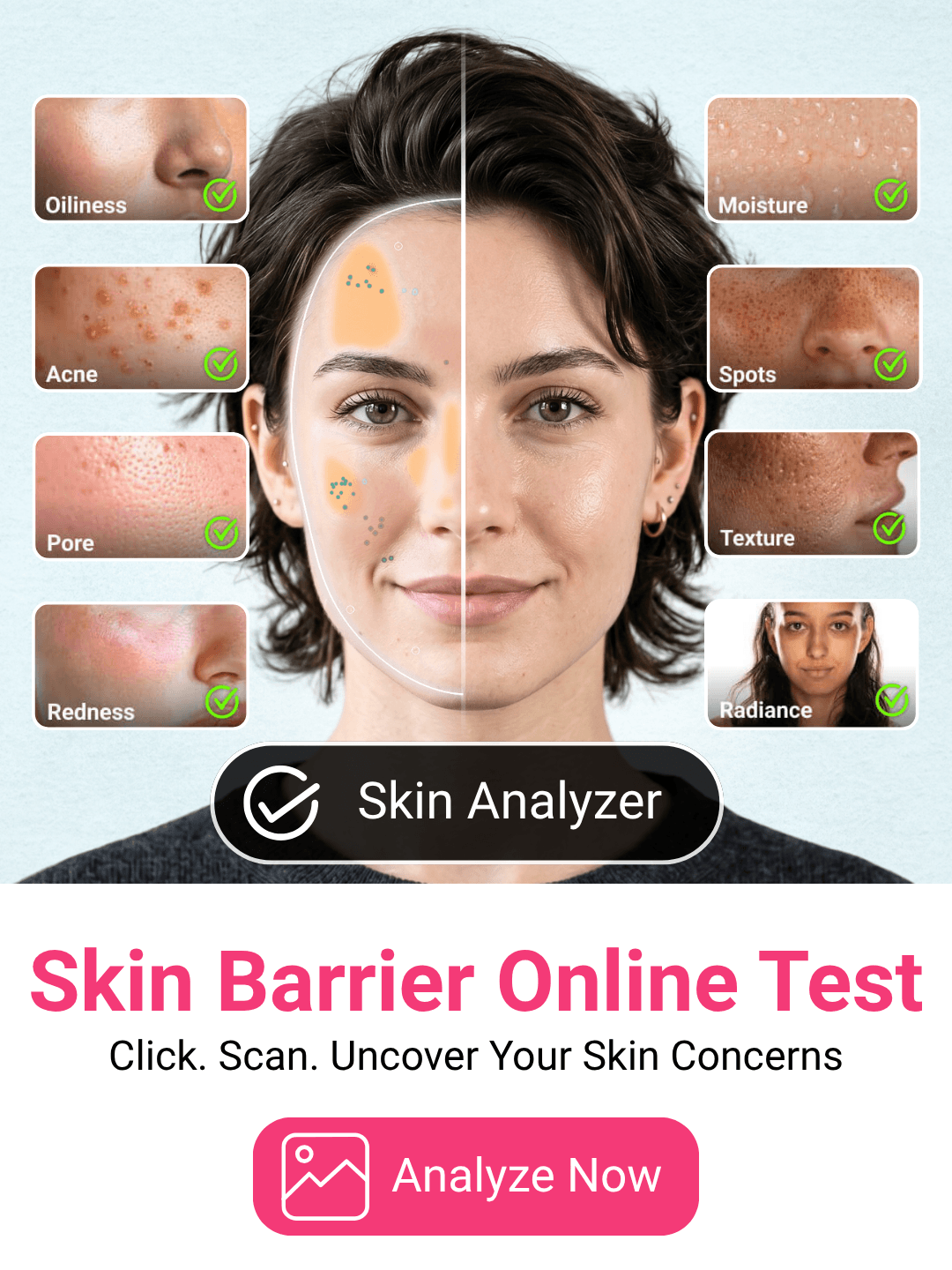
How to Use Skin Barrier Online Test?

Take or Upload a Photo
First, upload a clear front photo, or follow the webpage to take a well-lit, clear selfie.

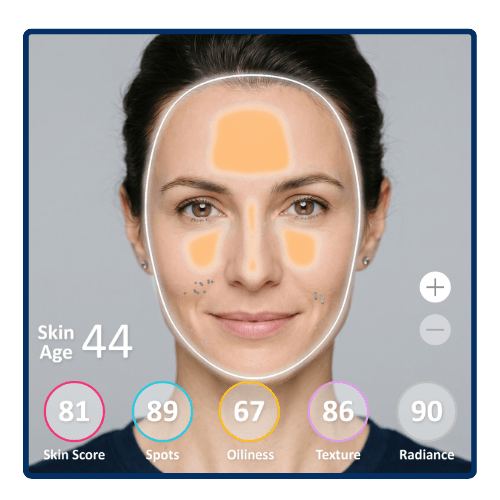
See the Results
AI can detect 15 skin issues with one click, and clearly present the scores for each skin condition. By referring to scores such as Firmness, Radiance, and Texture, you can see the scores for various skin barriers.
What Are the Signs of a Damaged Skin Barrier?
Knowing the damaged skin barrier signs early makes all the difference. Barrier damage rarely shows up as a single symptom — it arrives as a cluster. These are the six signals your skin sends when its protective layer is compromised.
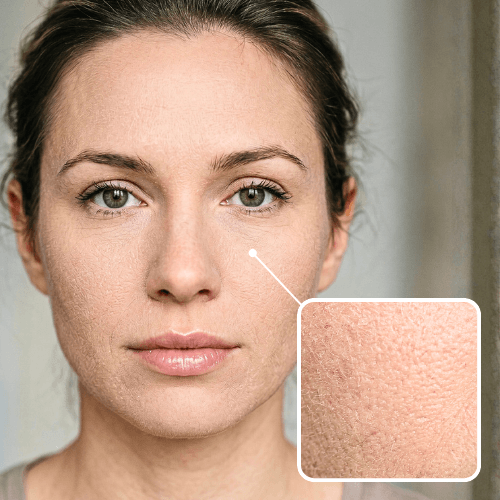
Tightness & Persistent Dryness
Skin feels parched even right after moisturizing. When the barrier is damaged, water escapes faster than it can be replenished — leaving skin dehydrated at the cellular level no matter how much you apply.
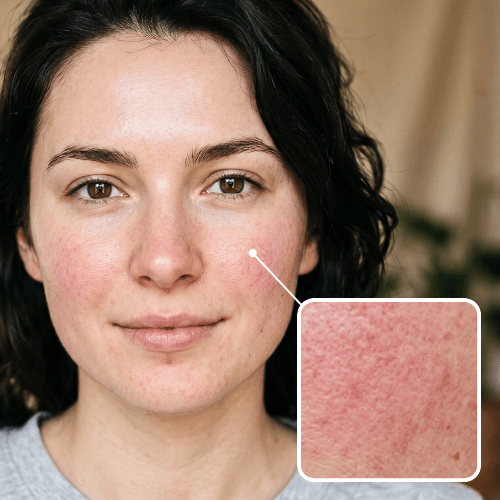
Stinging & Sudden Sensitivity
Products you've used for months suddenly sting or burn. This happens because a weakened barrier can no longer protect nerve endings from substances that healthy skin would simply filter out.
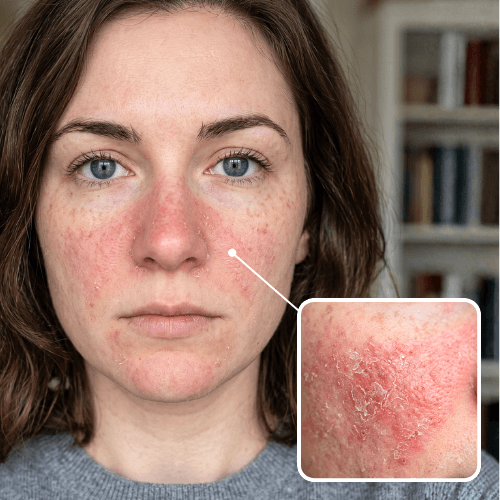
Lingering Redness & Flakiness
Redness that doesn't fade after cleansing, plus rough or flaky patches, signals that the barrier has lost its ability to regulate inflammation and shed dead skin cells evenly.
How to Naturally Repair a Damaged Skin Barrier
Barrier repair is not about adding more products. It's about removing irritants, restoring the right lipids, and letting the skin do what it does naturally, with a little support.
Pause the Actives
Stop retinoids, exfoliating acids, and vitamin C during the repair phase. These accelerate cell turnover and can further destabilize a barrier that's already fragile.
Reintroduce them slowly once the skin is calm.
Rebuild with Ceramides & Gentle Hydration
Ceramides fill the lipid gaps between skin cells. Pair them with glycerin or hyaluronic acid applied to slightly damp skin to lock in maximum moisture.
Support from the Inside Out
Omega-3-rich foods (fatty fish, walnuts, flaxseeds) maintain skin flexibility. 7–9 hours of sleep allows epidermal lipid synthesis to peak.
Stick to the daily skincare routine, then check back to see if your score progress.
How Long Does Skin Barrier Repair Take?
Mild Damage (7–14 days)
Caused by a single over-exfoliation or one irritating product. With gentle cleansing and consistent ceramide moisturizing, the barrier rebuilds quickly.
Moderate Damage (2–4 weeks)
Frequent use of strong actives or inconsistent hydration. Requires a simplified routine and a complete pause on irritating ingredients.
Severe Damage (4–8+ weeks)
Chronic disruption from long-term steroid use, aggressive acne treatments, or underlying conditions like atopic dermatitis. May need dermatologist support alongside home care.
Age factor
Repair in your 20s may take 2–4 weeks; over 50, expect 4–8 weeks as ceramide production and hormonal support decline with age.
How to Prevent Skin Barrier Damage

Daily SPF
UV radiation breaks down the barrier's lipid matrix cumulatively. Sunscreen is the single most effective long-term prevention habit.

Gentle Cleansing
Lukewarm water, pH-balanced formulas, and keeping showers under 10–15 minutes preserve the skin's natural oils and prevent dehydration.
Layered Hydration
Serum → cream → optional occlusive. Maintaining this layered approach even when skin feels stable prevents minor stressors from escalating into real damage.
Avoid Common Triggers
Fragrance, harsh alcohols, over-exfoliation, and chronic stress all degrade barrier function over time, often before visible symptoms appear.
Ready to Bring AI Skin Barrier Analysis to Your Platform?
Skin Barrier Online Test Frequently Asked Questions
What is the skin barrier and why does it matter?

The skin barrier (stratum corneum) is the outermost layer of skin — a lipid-and-cell structure often compared to a brick wall, where skin cells are the bricks and ceramides, cholesterol, and fatty acids act as the mortar. It keeps moisture in and irritants out. When it breaks down, damaged skin barrier signs — dryness, sensitivity, redness, breakouts — can easily be mistaken for other skin conditions, making accurate diagnosis critical.
How does the AI skin barrier test work?
Perfect Corp's AI Skin Analysis API analyzes a front-facing photo in under 2 seconds. It evaluates surface hydration, texture uniformity, redness distribution, and sensitivity markers across 15+ skin concern categories simultaneously. The result is a multi-dimensional barrier health snapshot — far more precise than a single-symptom self-assessment.
How accurate is the AI skin barrier analysis?
The AI is trained on millions of skin images and validated against clinical assessment standards. It performs consistently across all Fitzpatrick skin tones and skin types — oily, dry, combination, sensitive, and mature — delivering high-accuracy readings under typical selfie lighting conditions.
Can businesses integrate this skin barrier test into their platform?
Yes. Perfect Corp's AI Skin Analysis API is available via SDK and REST API, fully white-label and customizable to your UX. It can be embedded into brand apps, e-commerce pages, telehealth portals, or in-store kiosks. Integration timelines are typically days, not months, with dedicated technical support included.
Is the skin barrier analysis available as an API or SDK?
Both. Perfect Corp offers flexible integration options — a REST API for web and server-side embedding, and native SDKs for iOS and Android. Both options support real-time analysis, custom branding, and product recommendation logic, making it easy to deliver personalized skin barrier insights at scale.


