 Author:


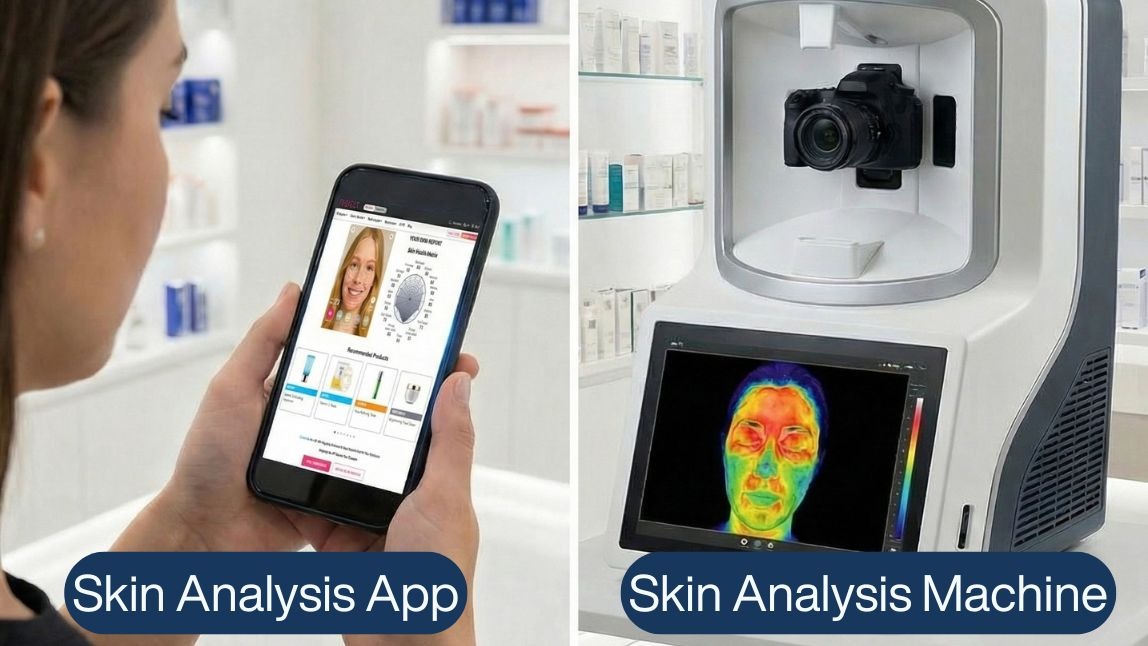
For decades, dermatology clinics, medspas, and beauty retailers relied on large skin analysis machines to evaluate patients’ skin conditions. These devices used specialized cameras and multi-spectral imaging to detect wrinkles, pigmentation, pores, and hydration levels.
However, with the rapid advancement of AI skin analysis, businesses are now rethinking how skin diagnostics should be delivered.
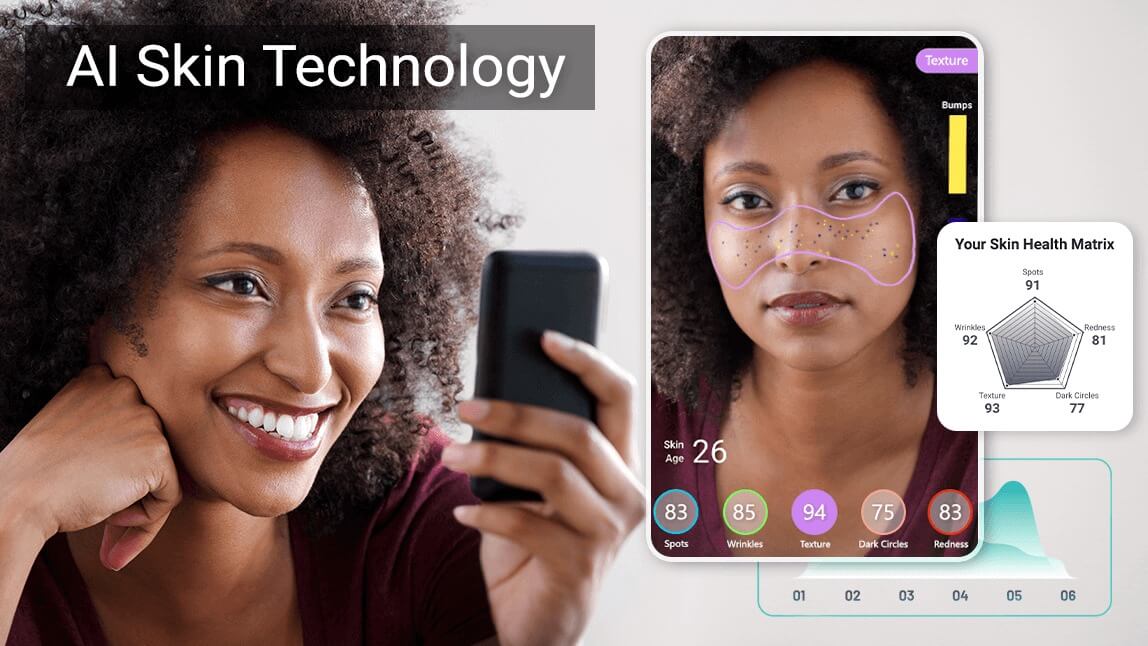
Powered by computer vision and machine learning, modern AI platforms can evaluate skin from a simple smartphone camera, delivering instant reports and personalized skincare insights. For clinics and beauty businesses, the key question is no longer whether AI works—but whether AI apps can outperform traditional hardware-based machines.
In this article, we compare the two technologies and explain why many businesses are shifting toward AI-driven skin analysis platforms like Perfect Corp.’s AI Skin Diagnostic.
| Table of Contents |
|---|
The Traditional Approach: Skin Analysis Machines in Clinics
For many years, skin analysis machines were the gold standard in dermatology consultations.
These devices typically use multi-spectral imaging and specialized sensors to analyze skin conditions such as wrinkles, pigmentation, pores, and UV damage. (GlowNowX)
However, despite their accuracy, traditional machines come with several operational limitations:
1. High Cost and Infrastructure Requirements
Professional skin analysis devices can cost tens of thousands of dollars, plus maintenance, calibration, and software updates.
Clinics must also dedicate physical space for the machine and train staff to operate it.
For smaller clinics or beauty retailers, this can create a high barrier to entry.
Shared Materials by Strapi
*Adjust the size of images ONLY. Please go to Strapi to edit the materials info.
2. Fixed Location
Skin analysis machines are usually installed in a single consultation room, meaning patients must visit the clinic in person to get an evaluation.
This limits:
- Teledermatology
- Remote consultations
- Online skincare services
3. Static, One-Time Analysis
Most machines provide a snapshot of the skin at one moment in time.
They rarely support long-term monitoring or ongoing patient tracking; the kind of continuous oversight enabled by a patient monitoring software consultancy, which makes it harder to measure treatment progress over weeks or months.
Shared Materials by Strapi
*Adjust the size of images ONLY. Please go to Strapi to edit the materials info.
The Rise of AI Skin Analysis Apps
AI skin analysis apps are built on computer vision models trained on large dermatology image datasets.
Instead of specialized hardware, they use standard smartphone cameras to capture facial images and evaluate skin conditions instantly.
Modern AI platforms can analyze multiple metrics simultaneously, including:
- Wrinkles
- Pores
- Texture
- Redness
- Oiliness
- Hydration
- Pigmentation
- Acne
- Dark circles
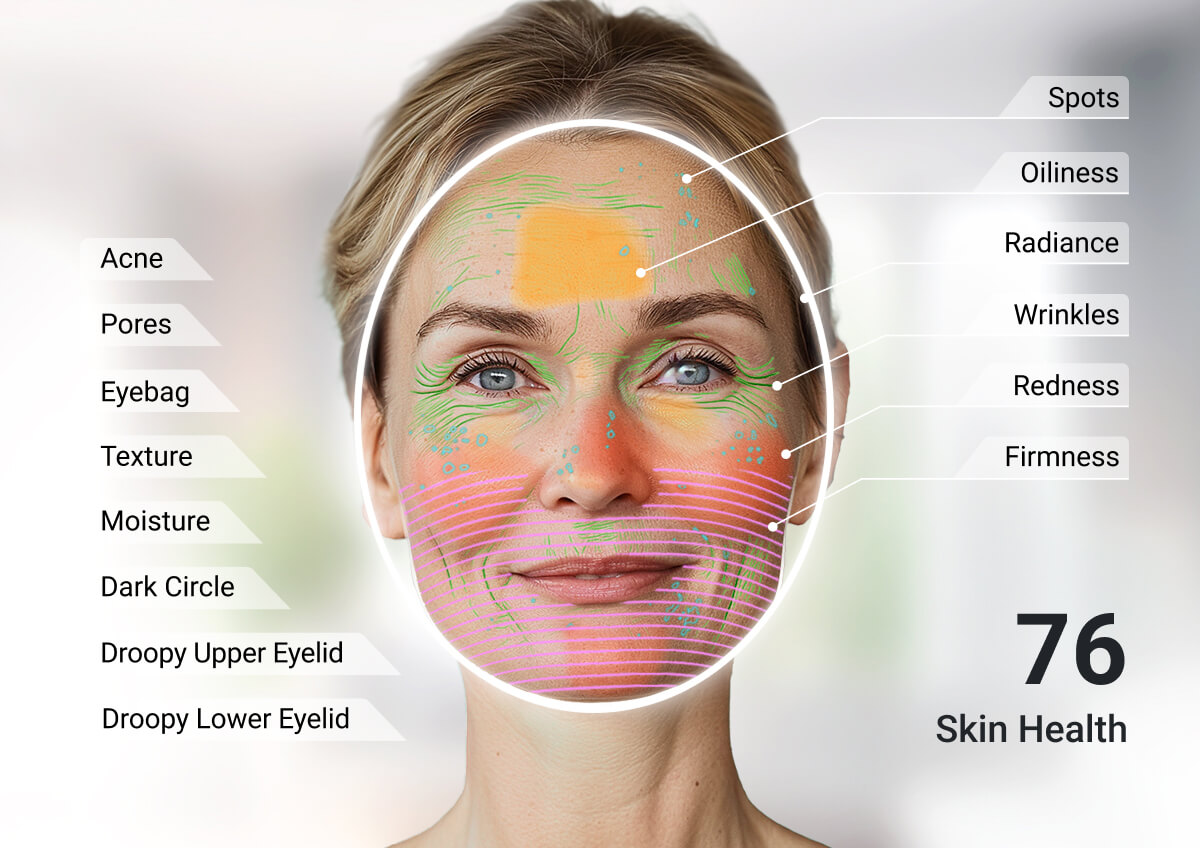
Solutions like Perfect Corp.’s AI Skin Analysis technology are trained on tens of thousands of dermatology-grade images, enabling accurate and consistent skin evaluations across different skin types and tones.
For businesses, the biggest advantage is that AI transforms skin diagnostics from hardware-based equipment into scalable software.
Key Advantages of AI Skin Analysis for Businesses
1. Speed and Real-Time Analysis
Traditional skin analysis machines require setup, calibration, and controlled lighting.
AI skin apps, by contrast, can generate a complete skin report in seconds.
Real-time analysis improves:
- Consultation efficiency
- Customer experience
- Staff productivity
Clinicians and beauty advisors can immediately discuss results and recommend treatments during the same session.
2. Accessibility and Portability
AI skin analysis apps work on:
- Smartphones
- Tablets
- Web platforms
- Telehealth systems
This enables businesses to perform skin analysis in:
- Clinics
- Beauty stores
- Online consultations
- Remote patient monitoring
Instead of requiring patients to visit a specific device, the diagnostic capability becomes portable.
3. Predictive Skin Insights
Another major shift is predictive intelligence.
AI systems can detect early indicators of skin concerns—such as dehydration, barrier damage, or pigmentation—before they become visible problems.
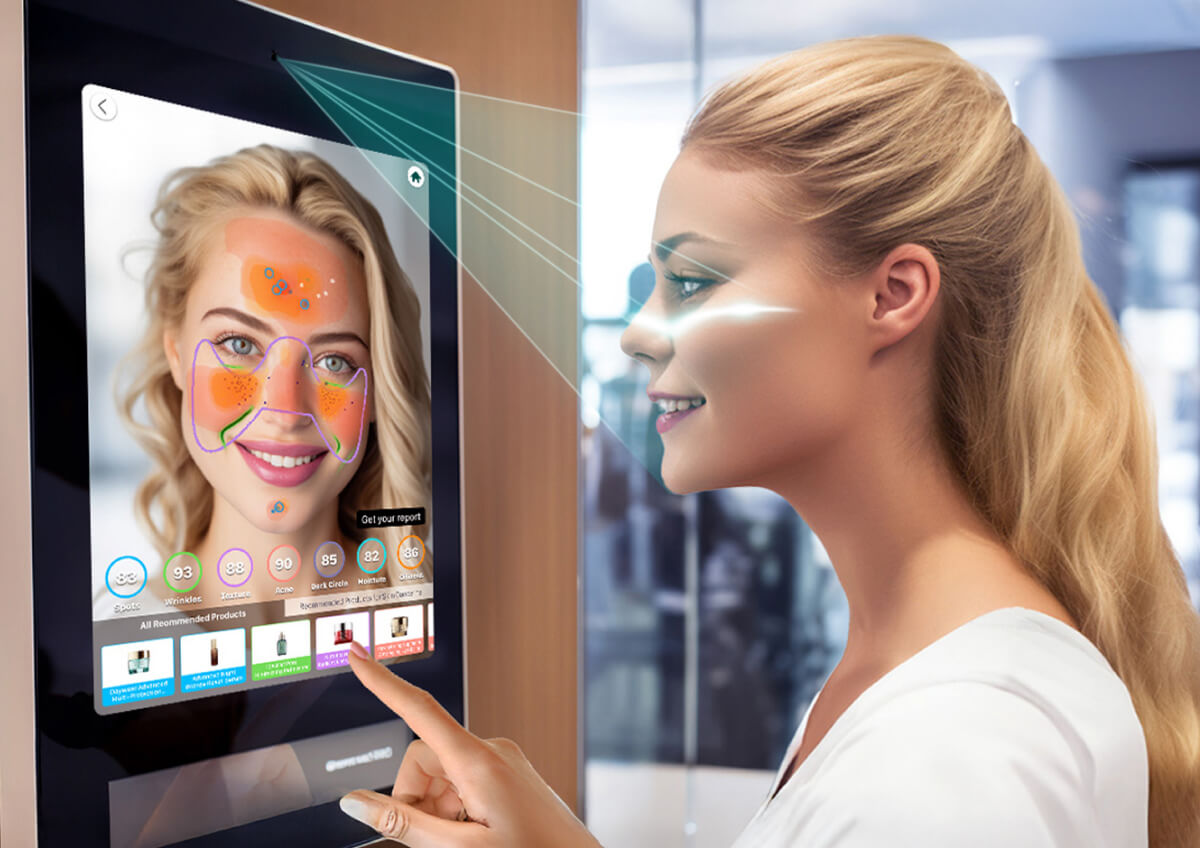
This allows skincare professionals to shift from reactive treatment to preventive skincare strategies.
4. Long-Term Skin Monitoring
Regular scans create a visual timeline of skin changes, enabling:
- Treatment progress tracking
- Product effectiveness monitoring
- Personalized skincare adjustments
Studies show that many users now rely on AI tools for longitudinal skin tracking and progress monitoring, rather than one-time analysis. (Alibaba)
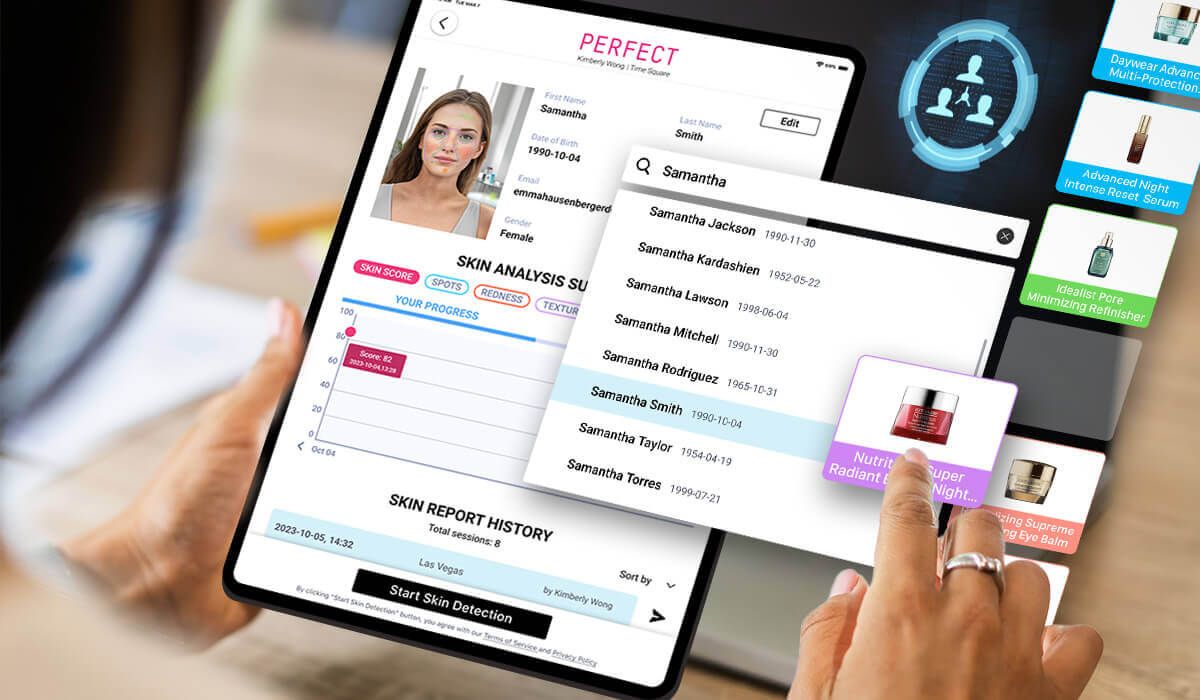
For clinics, this leads to stronger patient engagement and higher treatment adherence.
5. Lower Costs and Higher Scalability
One of the biggest advantages of AI solutions is cost efficiency.
Traditional machines require:
- Large upfront investment
- Maintenance costs
- Dedicated clinic space
AI skin analysis apps typically operate on subscription-based software models, eliminating hardware costs while allowing unlimited scans.
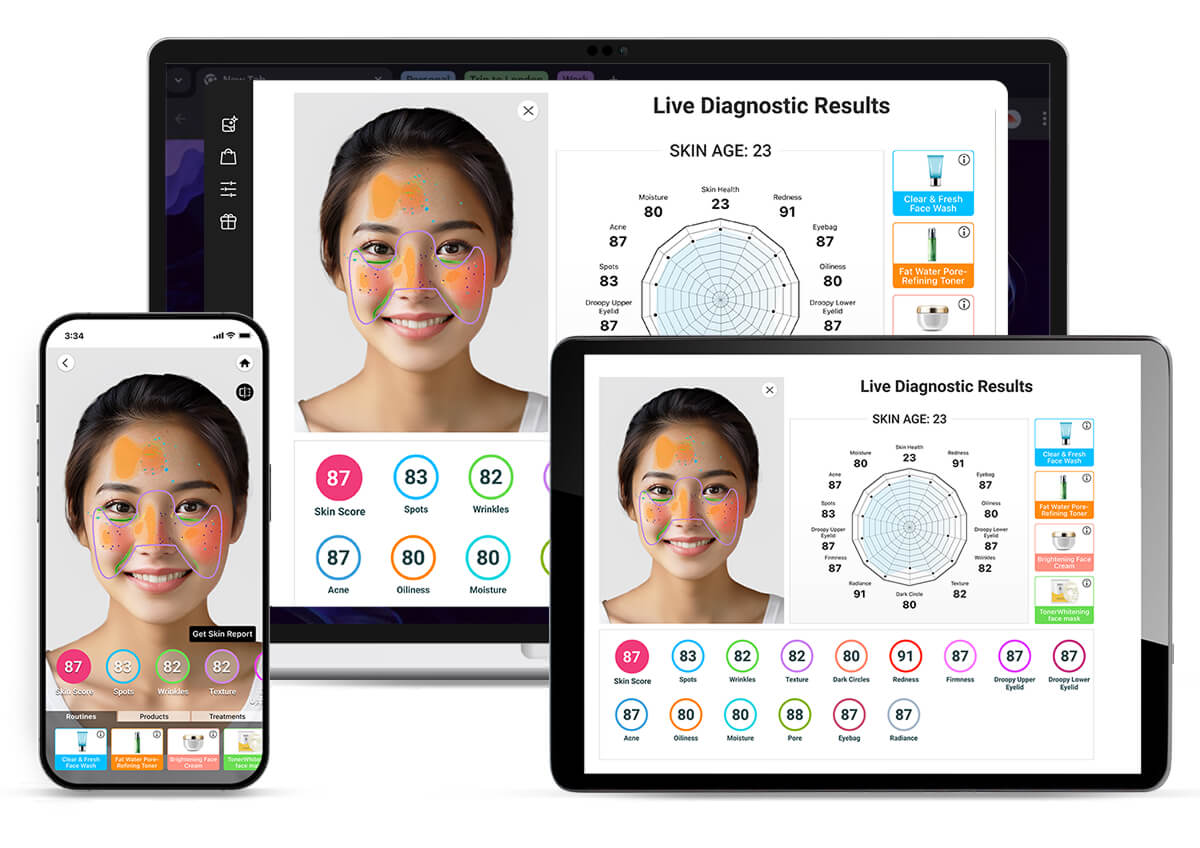
For beauty retailers, dermatology platforms, and telehealth startups, this means skin analysis can be scaled globally without deploying physical devices.
Where Traditional Machines Still Play a Role
Despite the advantages of AI apps, hardware-based systems still have their place in clinical environments.
Some devices can perform subsurface imaging or specialized measurements that require medical-grade equipment.
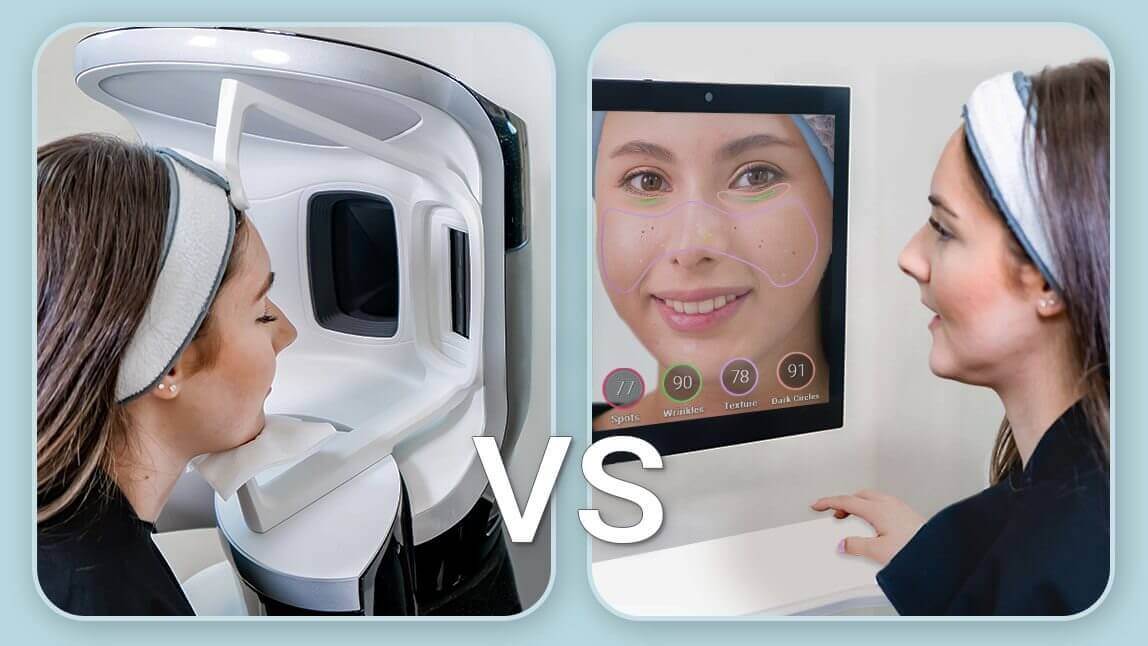
Additionally, dermatologists emphasize that AI tools should complement—not replace—professional medical evaluation, especially for complex or serious skin conditions. (Forefront Dermatology)
The most effective model today is AI-assisted dermatology, where technology enhances clinical workflows rather than replacing expertise.
Why AI Skin Analysis Is Becoming the Industry Standard
The shift toward AI diagnostics reflects a larger trend in digital healthcare: software replacing hardware.
Instead of relying on expensive machines installed in clinics, businesses can now deliver dermatologist-grade insights through scalable AI platforms.
Leading beauty tech companies like Perfect Corp. are at the forefront of this transformation, providing AI skin analysis solutions used by:
- Dermatology clinics
- Medspas
- Beauty retailers
- Telehealth platforms
- Skincare brands
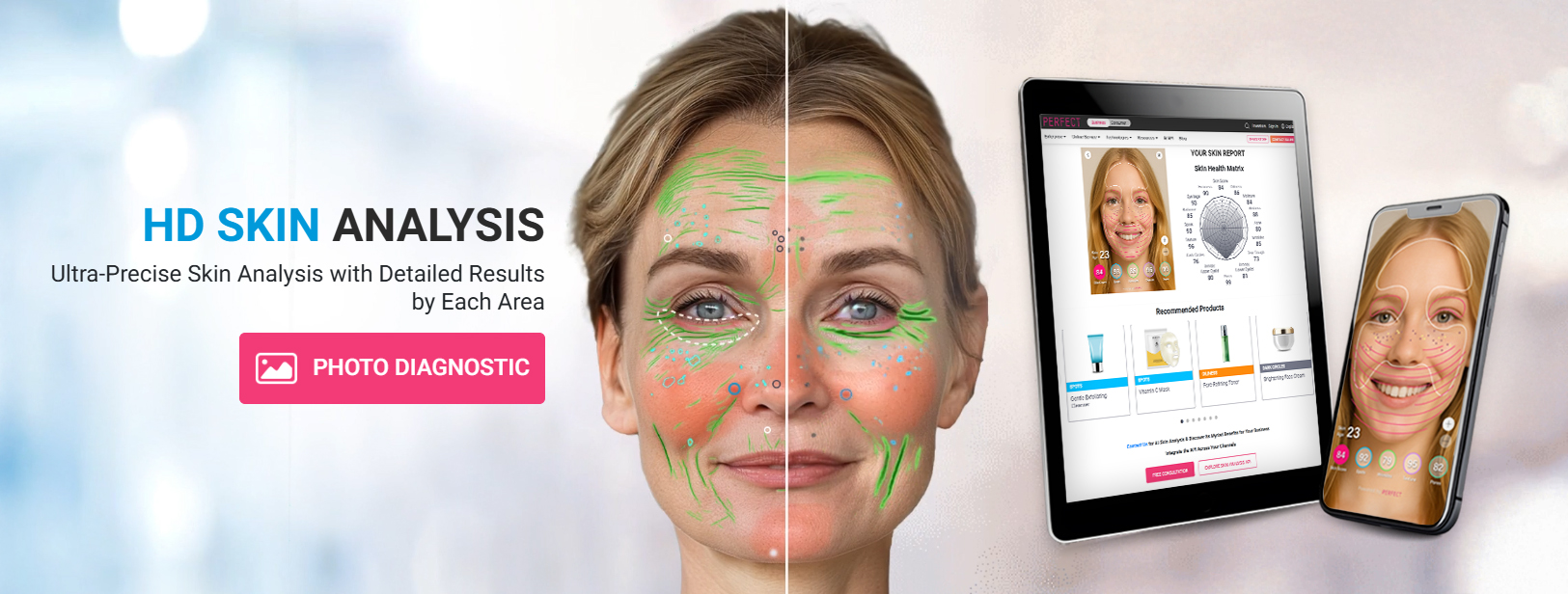
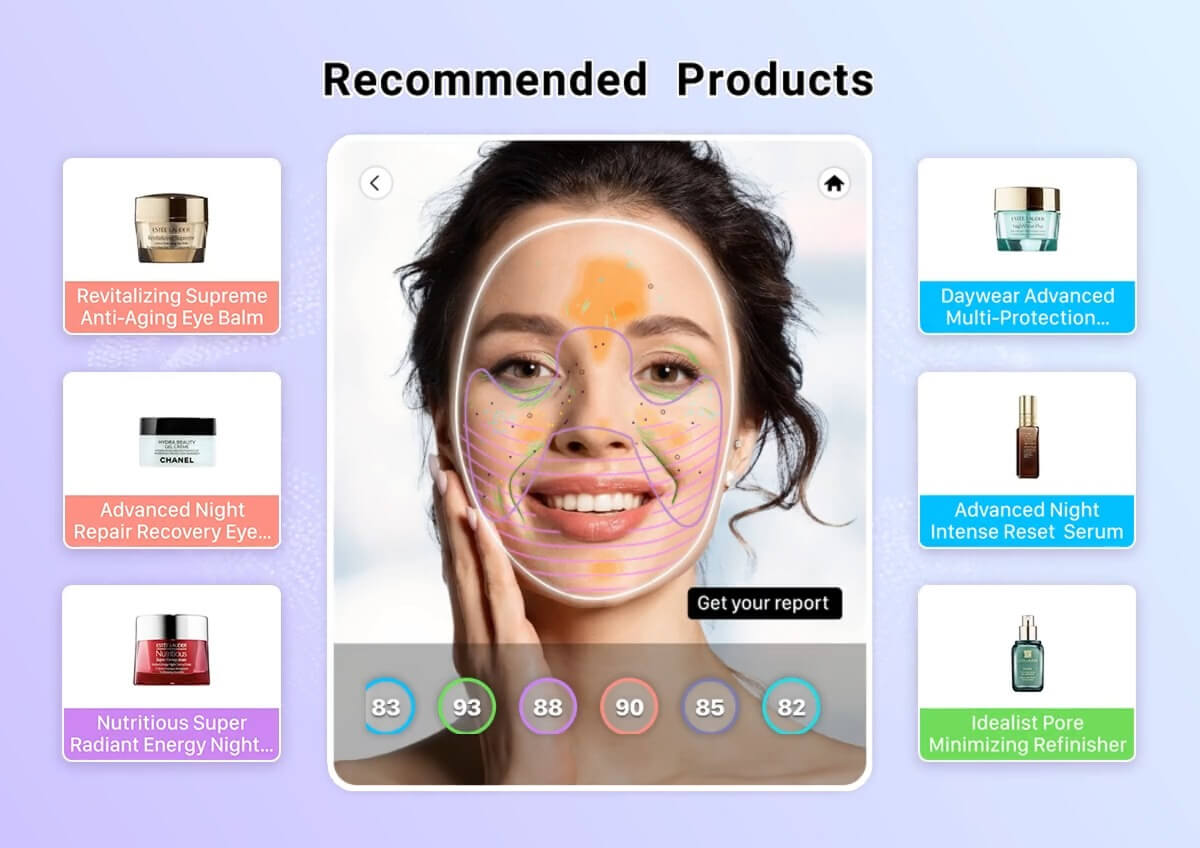
With features such as full-face mapping, real-time diagnostics, and personalized skincare recommendations, AI analysis tools allow businesses to provide smarter, faster, and more accessible skin consultations.
The Future of Skin Diagnostics
In 2026 and beyond, the question is no longer whether AI skin analysis will replace traditional machines.
The real question is how businesses can integrate AI to deliver better skincare experiences at scale.
Clinics and beauty companies that adopt AI skin diagnostics gain several competitive advantages:
- Faster consultations
- Remote service capability
- Data-driven treatment plans
- Higher patient engagement
- Scalable skincare services
As AI continues to evolve, skin analysis will move beyond simple diagnostics toward fully personalized, predictive skincare ecosystems.
And for businesses looking to stay ahead of the curve, adopting AI skin analysis platforms may soon become not just an advantage—but a necessity.
Shared Materials by Strapi
*Adjust the size of images ONLY. Please go to Strapi to edit the materials info.