 Author: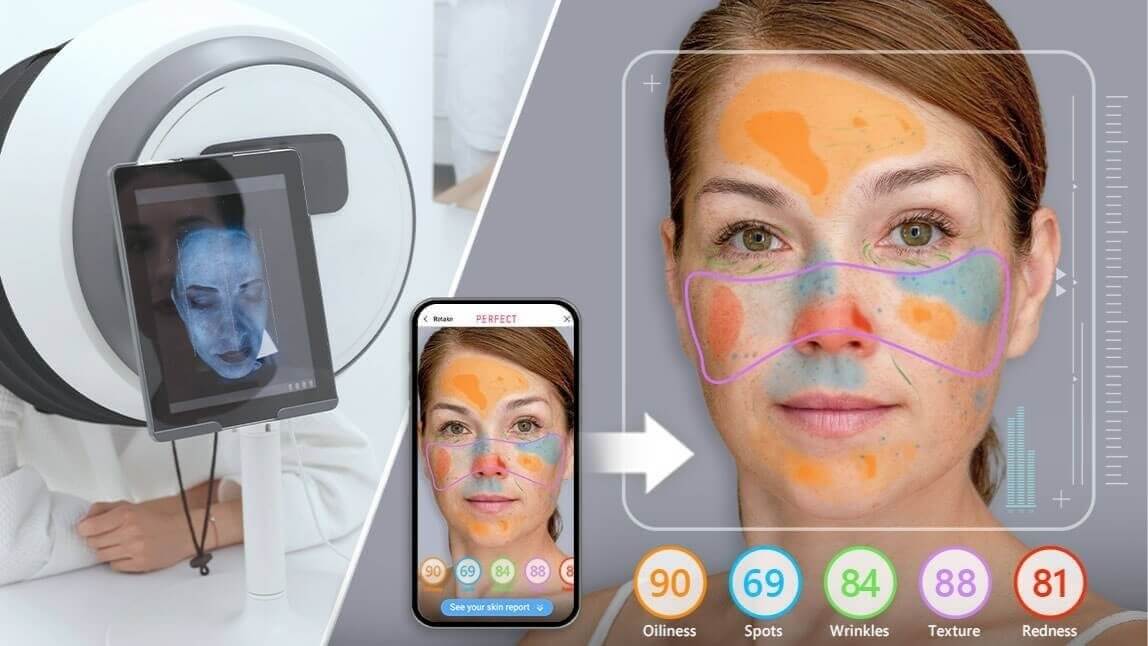
Key Takeaways
What Is Dermatologist Skin Imaging AI?
Dermatologist skin imaging AI uses advanced machine learning and computer vision to examine skin images. The algorithms compare lesion photos with large image databases to recognize visual patterns, assess potential risk, and support professionals in the early detection of conditions such as melanoma.
How the Technology Works
The underlying mechanism behind skin imaging AI involves several layers of computational processing. Here's a simplified breakdown:

1. Image Capture and Input
The process begins when a patient or clinician uploads a photograph of a skin lesion, rash, spot, or other concern. Some platforms use standard smartphone cameras; more advanced clinical settings may use a dermatoscope, a specialized magnifying instrument that reveals subsurface skin structures invisible to the naked eye.
2. Preprocessing
Before analysis, the image is preprocessed to normalize variables like brightness, contrast, and size. This step helps reduce noise and ensures the AI evaluates the skin feature itself rather than artifacts from the photo.
3. Deep Learning Analysis
The heart of most skin imaging AI systems is a convolutional neural network (CNN), a type of deep learning architecture that's exceptionally good at processing visual data. The CNN scans the image, identifying and progressively assembling them into high-level patterns associated with specific skin conditions.
These models are trained on tens of thousands to millions of labeled dermatology images, teaching the system what melanoma looks like versus a benign seborrheic keratosis, or how psoriasis differs from eczema.
4. Output and Confidence Scoring
Once analyzed, the system returns a ranked list of possible matching conditions, often with associated confidence scores and links to clinician-reviewed medical information. Importantly, this output is guidance, not diagnosis, the clinician or patient uses it to decide on next steps, such as booking an in-person appointment or requesting a biopsy.
Why Perfect Corp. Stands Out for Dermatologist Skin Imaging AI
Perfect Corp. is a leading AI skin imaging provider, which trusted by over 800 med spa, skincare brands. Here’s why it has become a trusted choice:
Clinical-Grade Skin Analysis
Skin imaging AI is trained on over 700,000 medical-grade images, achieving a 95% test-retest reliability rate and over 80% correlation with physician evaluations.
Its percision is ideal for brands, retailers, med spas, and online consultation platforms.
Detect 15+ Skin Concerns in a Single Scan
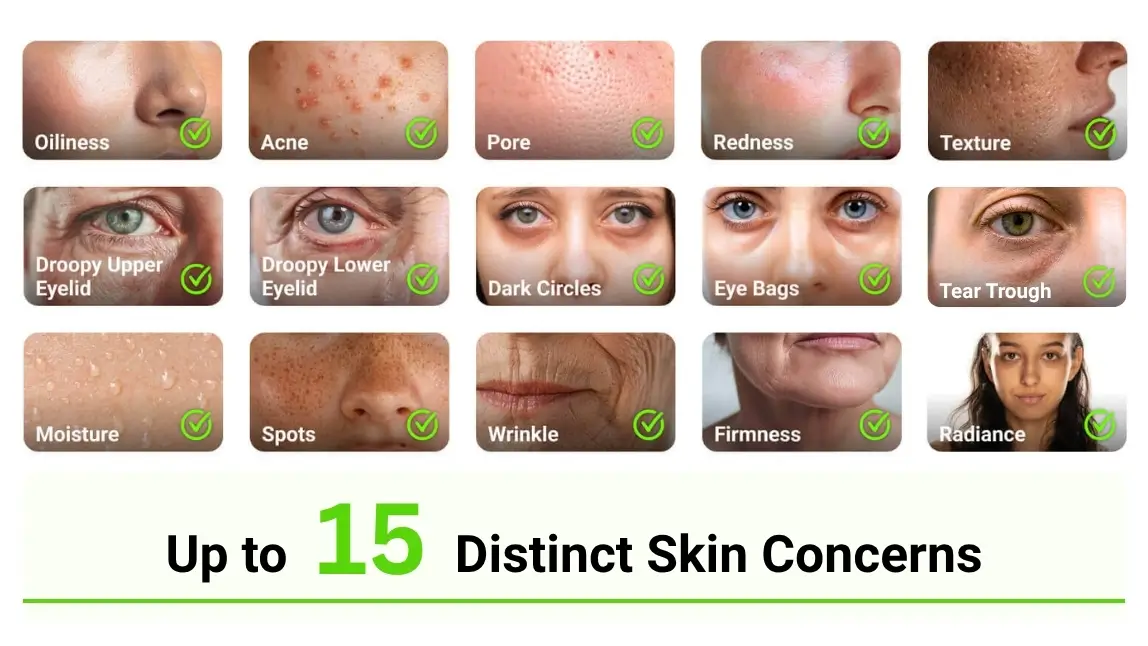
The solution can also detect 15+ skin concerns in real time, including:
- spots
- dark circles
- radiance
- eyebags
- tear troughs
- redness
- pores
- texture
- oiliness
- droopy eyelids
- wrinkles
- moisture levels
- firmness, and acne
Helping professionals and users better understand visible skin conditions through clear, easy-to-read results.
High-Speed AI Skin Type Analysis
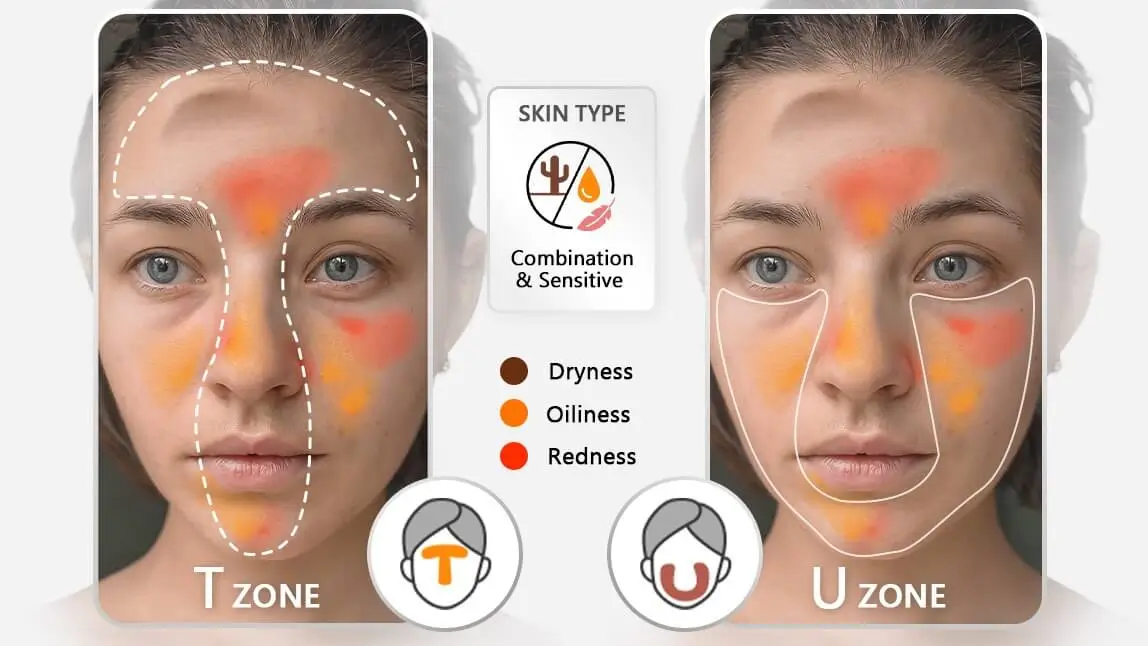
Beyond detecting 15+ detailed skin concerns, our AI skin imaging solution also examines both the T-zone and U-zone of the user’s face to identify 8 skin types, including:
- Normal
- Oily
- Dry
- Combination
- Redness
- Dry & Redness
- Oily & Redness
- Combination & Redness
Product Recommendation Support
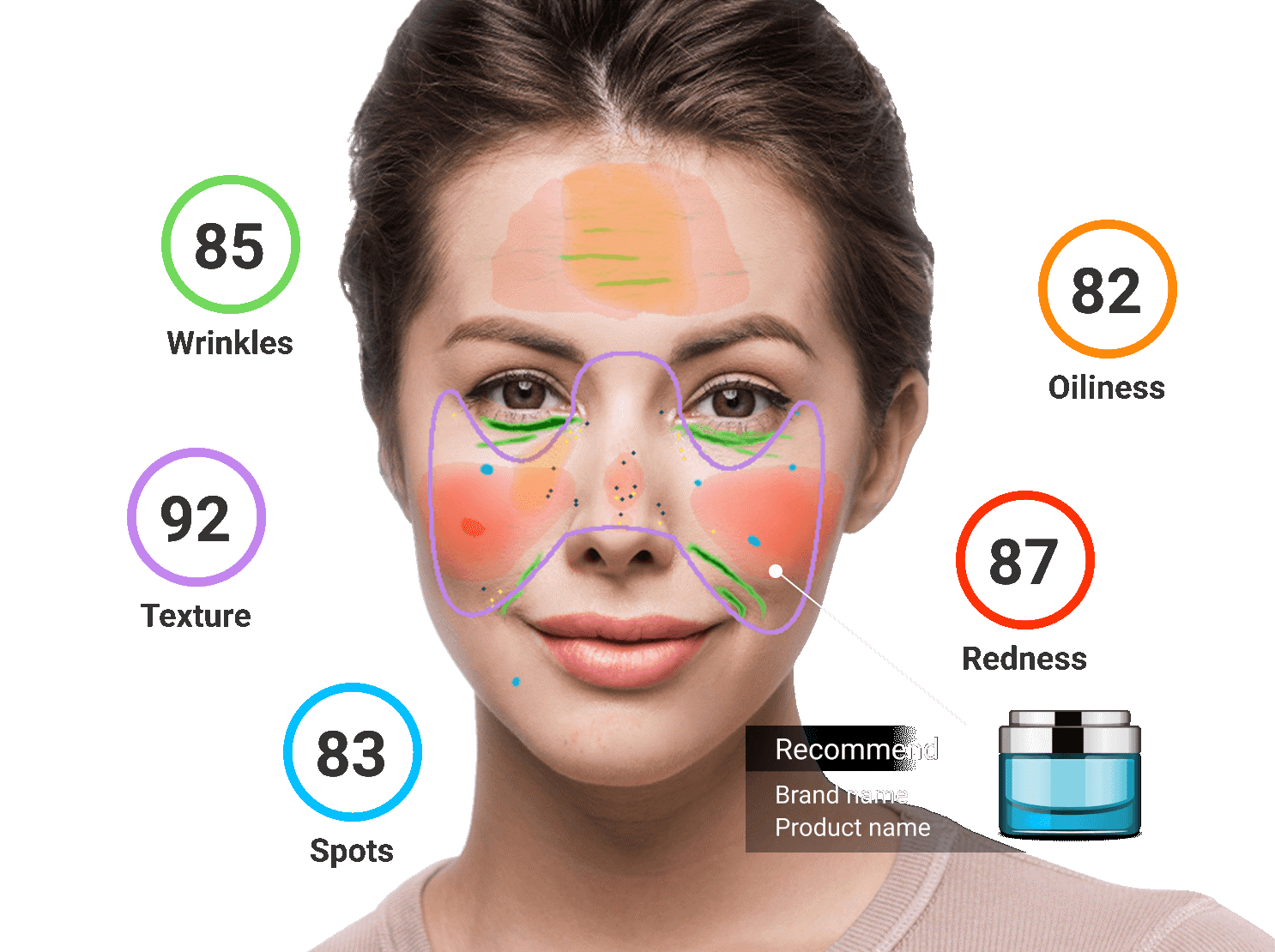
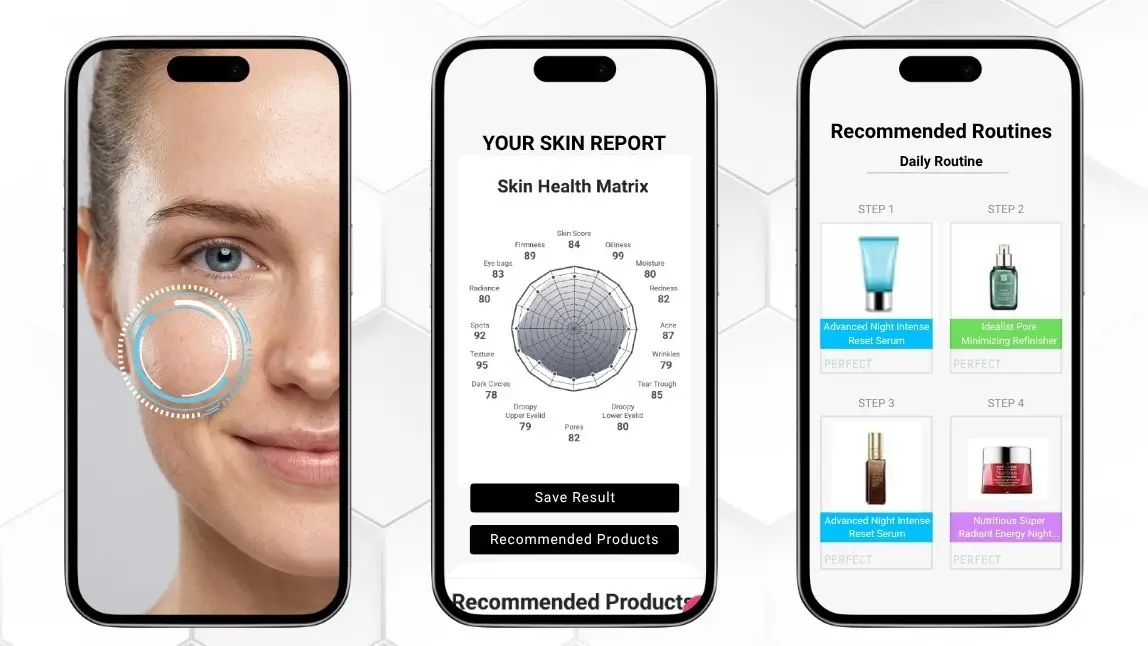
With detailed, highly personalized skin analysis reports, brands can better understand each customer’s unique skin condition and recommend more precise products.
These results can also be connected to tailored skincare routines and product suggestions, creating a more guided and personalized consultation experience.
Flexible integration
Perfect Corp. skin AI solution is designed for skincare brands, retailers, med spas, and online consultation platforms. Our solution provide:
- API
- SDK
Suitable for websites, apps, in-store consultation tools, and digital skincare experiences.
Real-World Use Cases
In-Clinic Deployment
Med spas and aesthetic clinics can integrate AI skin imaging tools on tablets in the waiting room, allowing clients to privately assess concerns such as hydration, pore size, and fine lines before meeting their esthetician. This pre-consultation data helps professionals tailor service recommendations immediately, turning a generic facial into a targeted, data-backed treatment experience.
E-commerce Skincare Brands
Global skincare brands can embed imaging skin AI directly into their e-commerce websites, allowing customers to activate their webcam, receive a comprehensive skin score in seconds, and view personalized product recommendations based on concerns such as redness, texture, or visible aging signs. This creates a smoother personalized shopping journey that can help improve product discovery, reduce hesitation, and increase purchase confidence.
Consumer Skincare Tracking
Consumers can also use imaging skin AI solution as a digital skincare diary to track their personal progress over time. By scanning their face weekly, users can monitor changes such as fading hyperpigmentation, improved skin texture, or better skin elasticity. This visible proof of progress helps strengthen trust, encourage routine consistency, and build stronger brand loyalty.
Limitations to Keep in Mind
No technology is without constraints. Current skin imaging AI faces several challenges worth noting:
- Image quality sensitivity: Blurry photos, poor lighting, or unusual camera angles can meaningfully degrade AI performance.
- Skin tone bias: Many AI datasets have historically underrepresented darker skin tones, leading to lower accuracy for patients with skin of color. This is an active area of research and improvement.
- No diagnosis without context: AI sees an image, not the patient's history, medications, or clinical exam findings. It cannot replace the holistic assessment a dermatologist provides in person.
- Regulatory landscape: AI medical devices are subject to evolving regulatory frameworks. Always check whether a tool has appropriate clearance or certification for clinical use in your region.
Conclusion
Dermatologist skin imaging AI is a powerful, rapidly maturing technology that is reshaping how skin conditions are detected and managed. By combining deep learning with large curated datasets of verified dermatology cases, these systems can deliver fast, scalable visual analysis that supports clinicians and helps patients navigate their skin health more confidently. As with all medical technology, the goal isn't to replace the dermatologist, it's to make their expertise more accessible, their workflow more efficient, and early detection more achievable for everyone.

FAQ
How is patient data and facial privacy protected?

Compliance is a top priority for clinical software. Solutions are typically built to be GDPR or HIPAA compliant, depending on the region.