 Author: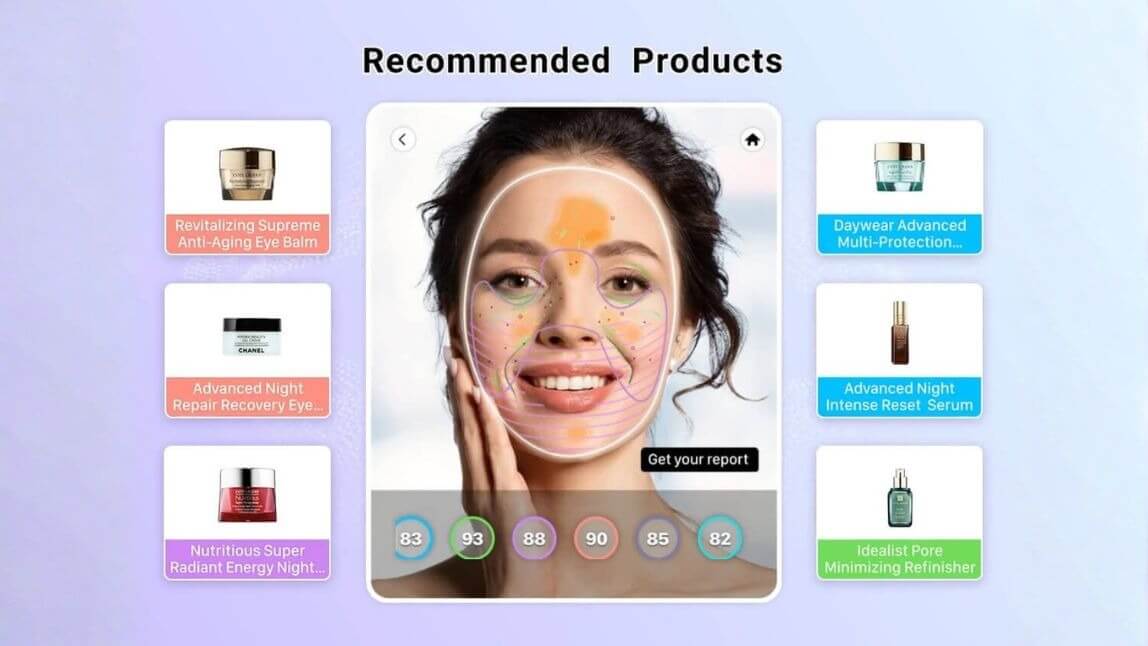
Skincare tips are everywhere—but most of them are still based on general assumptions rather than real data. From influencer routines to traditional skin type categories, consumers are often left guessing what actually works for their skin.
This is where AI skincare tips powered by advanced technology are changing the industry.
By combining artificial intelligence, computer vision, and real-time skin analysis, AI can now generate personalized skincare recommendations based on actual skin conditions—not guesswork. What was once a trial-and-error process is becoming precise, scalable, and data-driven.
For both consumers and businesses, this shift represents a fundamental transformation in how skincare is understood and delivered.
What Are AI Skincare Tips?
AI skincare tips are personalized recommendations generated through artificial intelligence based on an individual’s unique skin profile.
Instead of relying on broad categories like “dry” or “oily,” AI analyzes multiple skin concerns simultaneously—such as wrinkles, texture, pores, pigmentation, and hydration levels—to provide tailored insights.
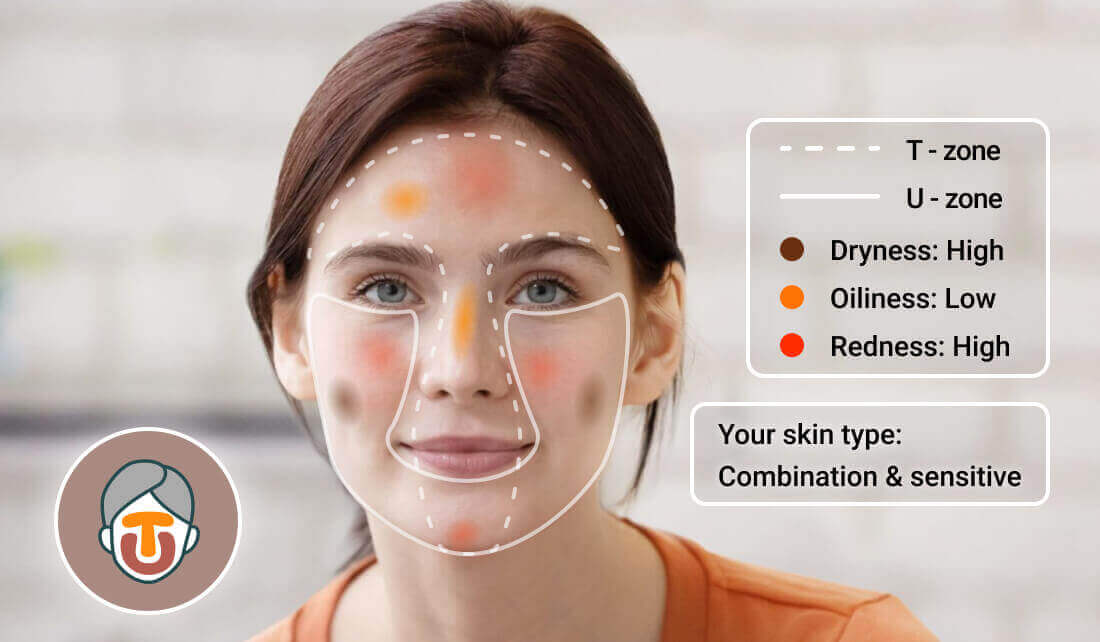
This approach allows skincare to move from generalized advice to precision-based guidance, improving both accuracy and outcomes.
How AI Technology Generates Skincare Recommendations
AI skincare technology uses computer vision and machine learning algorithms to analyze facial images and detect various skin conditions in seconds.
These systems are often built on advanced AI skin analysis technology that enables real-time evaluation of wrinkles, texture, pigmentation, and hydration levels.
Through advanced image analysis, AI can identify:
- Fine lines and wrinkles
- Skin texture and smoothness
- Dark spots and uneven tone
- Redness and sensitivity
- Hydration levels and oil balance
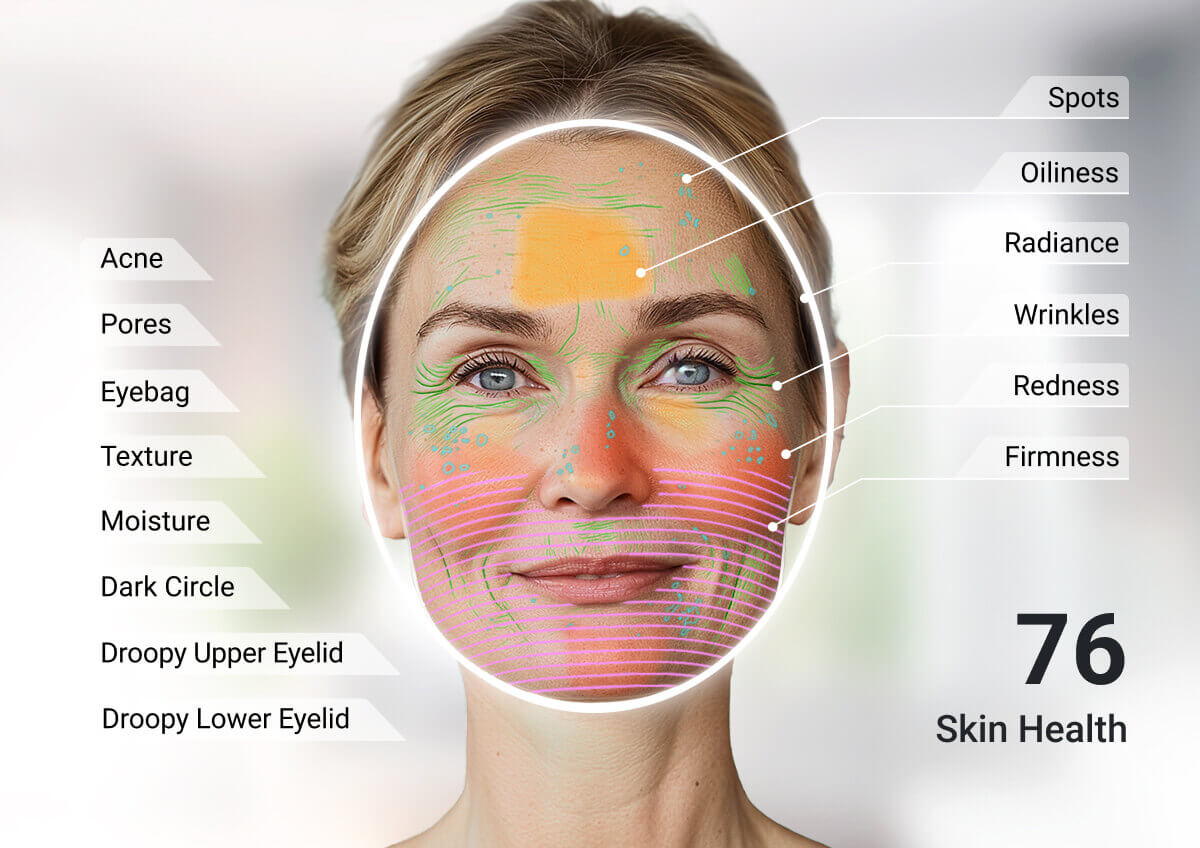
These data points are then processed to generate personalized skincare tips, product recommendations, and even long-term skin improvement strategies.
For digital platforms, this technology can be seamlessly integrated into mobile apps, e-commerce websites, and in-store devices—making personalized skincare accessible at scale.
What Dermatology Experts Say About AI in Skincare
The rise of AI in skincare is not just a consumer trend—it is increasingly recognized within the dermatology field.
AI skin analysis tools can evaluate multiple skin concerns simultaneously, offering a level of consistency that is difficult to achieve through manual assessments alone. By standardizing analysis, AI helps reduce subjectivity and enhances the reliability of skincare recommendations.
While AI skin scanner does not replace dermatologists, it serves as a powerful support tool—enabling faster assessments, improving patient communication, and helping guide more personalized treatment plans.
This growing alignment between AI technology and dermatological expertise is one of the key reasons AI skincare is gaining credibility across the industry.
Real Examples of AI Skincare in Action
AI skincare technology is already being used across multiple touchpoints in the beauty and skincare ecosystem.
Many of these solutions rely on a real-time skin analysis API that allows users to upload images and receive instant skin insights such as skin age, hydration level, and visible concerns.
This creates a seamless bridge between consumer interaction and AI skincare intelligence.
Consumers can upload a selfie and receive instant skin analysis results, including skin age, hydration levels, and visible concerns. Based on these insights, AI generates personalized skincare tips and product recommendations tailored to individual needs.
For brands, this creates highly interactive and engaging experiences that go beyond static product pages. Instead of browsing blindly, users are guided through a personalized skincare journey powered by real data.
Solutions like AI skin analysis platforms enable businesses to deliver these experiences seamlessly across web, mobile, and in-store environments—bridging the gap between technology and beauty.
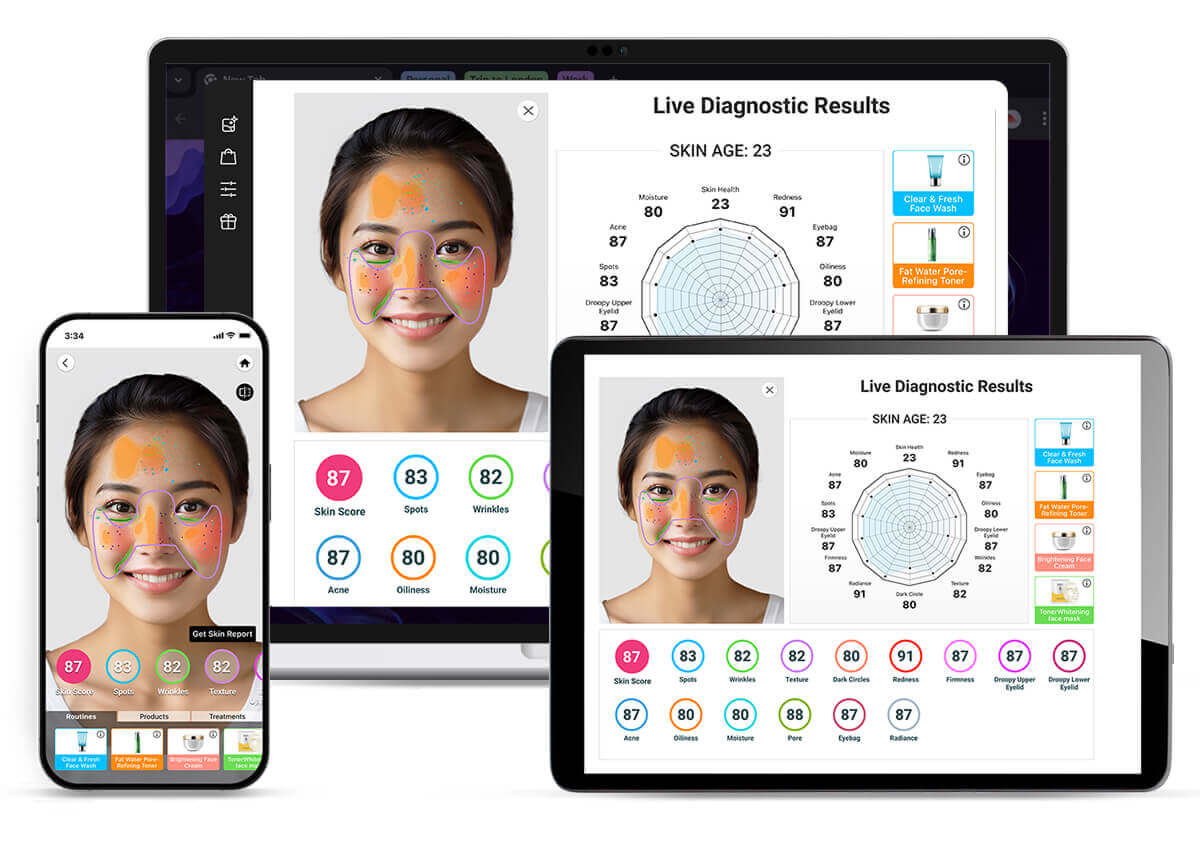
AI skincare systems are increasingly being adopted by beauty brands and technology providers to deliver real-time skin analysis and personalized recommendations at scale. These systems can be embedded into digital platforms, enabling seamless skin evaluation and product suggestion experiences across web, mobile, and in-store environments.
These solutions are typically powered by advanced AI skin analysis APIs designed for enterprise use cases in beauty, skincare, and dermatology sectors.
Traditional Skincare Tips vs AI Skincare Technology
Traditional skincare advice and AI skincare recommendations differ in one fundamental way: precision.
Traditional tips are typically based on generalized assumptions and often require trial and error. In contrast, AI skincare technology uses real-time data to generate highly personalized insights.
AI-driven skincare tips are:
- Based on actual skin conditions rather than assumptions
- Consistent across users and platforms
- Instant and scalable
- Continuously improving through data and machine learning
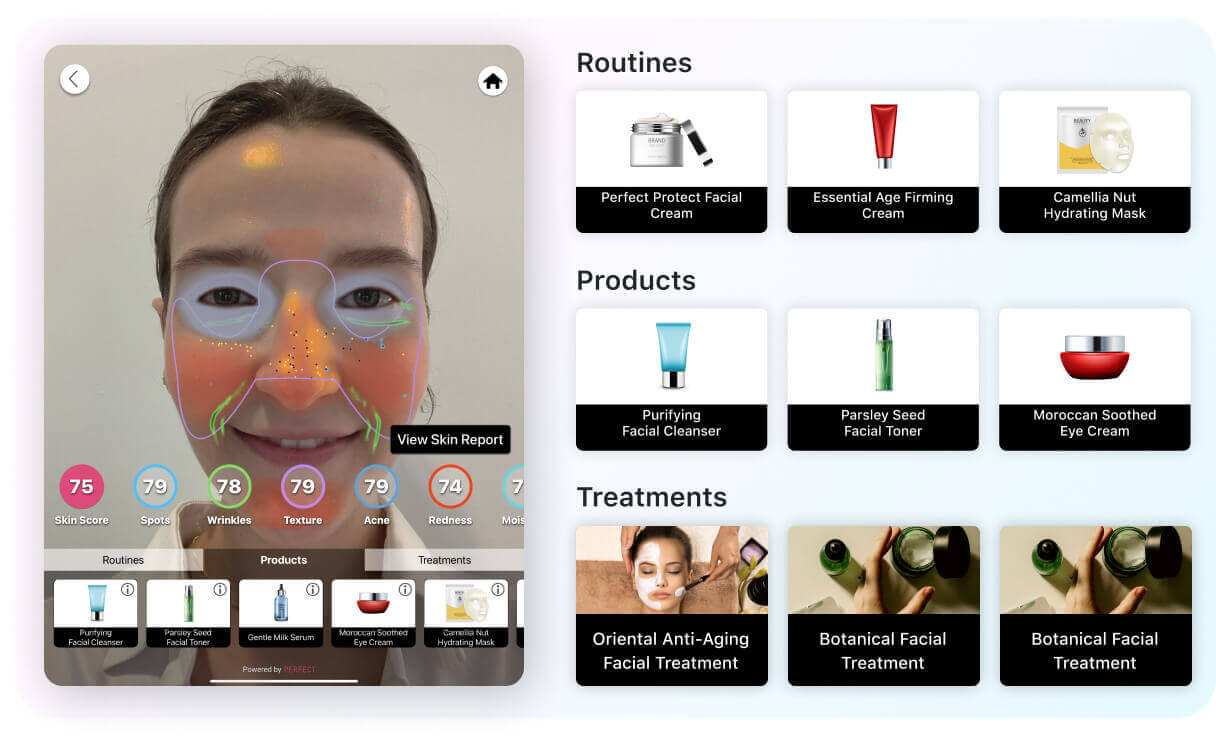
This shift from generalization to personalization is what makes AI such a disruptive force in skincare.
Why AI Skincare Tips Are More Accurate Than Traditional Advice
Accuracy is one of the biggest advantages of AI skincare technology.
Human assessments can vary depending on lighting, experience, and subjective judgment. AI, however, evaluates skin based on trained datasets and standardized criteria, ensuring consistent and repeatable results.
Additionally, AI can analyze multiple skin concerns at once—something that is difficult to achieve manually in a short amount of time.
This allows users to receive more comprehensive insights and better-informed skincare recommendations, ultimately improving outcomes and satisfaction.
Shared Materials by Strapi
*Adjust the size of images ONLY. Please go to Strapi to edit the materials info.
How Brands and Clinics Use AI to Deliver Skincare Tips at Scale
For businesses, AI skincare technology is not just about innovation—it is about scalability and performance.
Skincare brands can integrate an AI skin diagnostic into their digital platforms to offer personalized recommendations that increase engagement and conversion rates. Clinics and med spas can enhance consultations with visual, data-backed skin analysis, improving trust and client retention.
E-commerce platforms can guide users through personalized product journeys, reducing decision fatigue and creating a more intuitive shopping experience. Forward-thinking retailers are scaling this personalization by using Sell The Trend, an AI engine that analyzes market-wide consumer data to predict which trending skincare products will resonate most with specific audiences.
More importantly, AI enables all of this to happen at scale. Whether serving hundreds or millions of users, brands can deliver consistent, high-quality skincare tips without increasing operational complexity.
The Future of Skincare: AI, Personalization, and Predictive Insights
As AI technology continues to evolve, skincare will become increasingly proactive rather than reactive.
Future AI skincare technology systems will not only analyze current skin conditions but also predict potential issues before they become visible. This shift toward predictive skincare will allow users to take preventative action, improving long-term skin health.
For businesses, adopting AI is becoming essential. As consumer expectations shift toward personalization and instant results, companies that leverage AI skincare technology will be better positioned to lead in a competitive market.
Shared Materials by Strapi
*Adjust the size of images ONLY. Please go to Strapi to edit the materials info.
Conclusion
AI skincare tips powered by advanced technology are redefining how skincare is approached across both consumer and professional environments. By combining real-time analysis with scalable personalization, AI transforms skincare from a process of guesswork into a system driven by data and precision.
As the industry continues to evolve, AI will play an increasingly central role—shaping not only how skincare recommendations are delivered, but how they are understood altogether.
FAQ: AI Skincare Tips & Technology
Can AI really provide accurate skincare tips?

Yes. AI skincare technology uses trained algorithms and image analysis to evaluate multiple skin concerns simultaneously, delivering consistent and data-driven recommendations.
What is AI skin analysis?
AI skin analysis is a technology that uses computer vision to assess skin conditions from images, identifying concerns such as wrinkles, pigmentation, and hydration levels in real time.
Is AI skincare better than traditional skincare advice?
AI skincare provides more precise and personalized recommendations compared to traditional advice, which is often generalized and less data-driven.
How do businesses use AI in skincare?
Brands, clinics, and e-commerce platforms use AI to deliver personalized skincare tips, enhance consultations, and create interactive digital experiences that improve engagement and conversions.