 Author: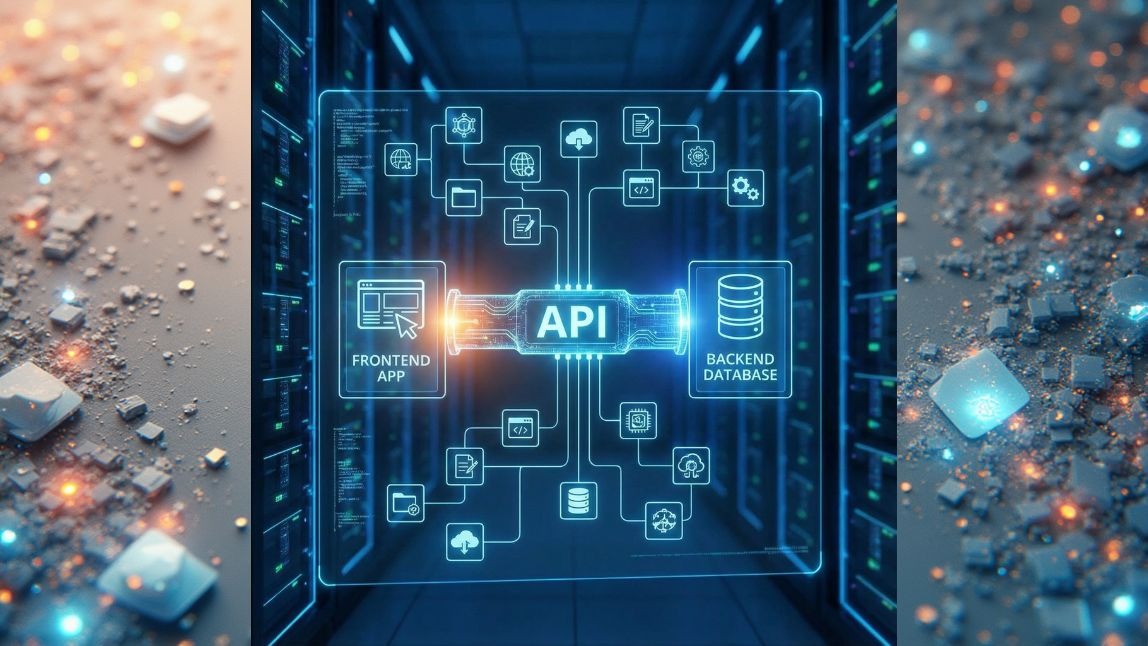
Application programming interfaces (APIs) enable organizations and developers to connect software programs and applications. This connection fosters the exchange of data and services between the host software and its client.
APIs serve a critical function for modern businesses. They improve efficiency, since users don't have to rely on manual workarounds to transfer data or access specific functionalities. APIs are infinitely scalable: they allow organizations to add or remove services as needed. And they support swift digital transformation by using pre-built platforms rather than developing the same service from scratch.
Eighty-two percent of organizations currently use internal APIs, and 71% incorporate third-party APIs into their tech stacks. And with the introduction of generative artificial intelligence, Gartner predicts a 30% increase in demand for APIs that use large language models by 2026.
This article explains why API integration is so advantageous and how companies can leverage the technology to realize its benefits.
| Table of Contents |
|---|
What Is API Integration?
API integration joins two or more applications together to support data transfer. To establish the connection, the API includes code-based instructions that the software can understand. The API acts as the gatekeeper and defines how the systems will exchange information and functionalities.
Organizations may use a combination of off-the-shelf and custom APIs. An off-the-shelf API is pre-built by a third party. Developers create these solutions to meet the needs of a diverse set of use cases. Integrating an off-the-shelf API is generally easier and more affordable than custom options.
Custom APIs are developed to meet a specific business need. Software developers tailor them to a single organization's requirements. This process typically takes longer, but it can yield a few benefits, such as enhanced flexibility and functionality. Custom APIs can be expensive to create, especially complex ones.
Businesses of all industries use APIs to support their operations. For example, e-commerce stores integrate transaction APIs to collect customer payments. They use customer relationship management (CRM) system APIs to centralize client details. And makeup companies use beauty tech APIs to help people find the perfect products based on personal factors, such as skin type and tone.
Shared Materials by Strapi
*Adjust the size of images ONLY. Please go to Strapi to edit the materials info.
Key Benefits of API Integration
Why should an organization consider API integration with its software or applications? It unlocks the door to several advantages, including:
Cost-Effectiveness
Building software is no small endeavor. It requires a development team and a monetary investment, which can be significant. Even after delivering the final product, a business must engage in regular maintenance to keep the software up-to-date and bug-free.
APIs eliminate the expense of software development and maintenance. The organization gets access to a pre-existing program that matches its needs. While the software may not be a perfect fit, it offers the base functionalities a business needs.
Without an API, teams must engage in a lot of manual data entry to share information between two pieces of software. This is time-consuming, tedious, and error-prone. For example, consider a retailer that tracks loyalty card points and customer purchases on two separate platforms. If staff must manually transfer data between the software, it could lead to unwanted disconnects that hurt the customer experience. Inserting an API would allow seamless data updates without any manual intervention.
Efficiency & Time Savings
API integration accelerates processes that traditionally took a lot of time, such as data updates, product personalization, and analytics. Through an API connection, organizations can transfer specific data sets between software programs. Developers specify which data sets to sync, and the update occurs in real-time, without any manual intervention.
Take the example of an e-commerce store that recommends beauty products based on a customer's previous shopping and browsing history. By integrating its CRM into the website, the company could encourage a returning visitor to repurchase an item or recommend a companion product. The recommendations are possible through the API integration, since without it, the website might not store the customer's purchase history.
Recently, Forrester analyzed the time savings generated for a company's IT team that leveraged a workforce management system API. The results were impressive: the company realized a 50% time savings after the API implementation. The lesson? API integration can positively impact workflows for organizations that take advantage of the technology.
Scalability & Flexibility
When software is first developed, it's designed to meet the requirements of the time. However, business needs change, and new technologies are introduced. As the years go by, organizations may require additional functionality from software to stay competitive.
It's possible to make those changes by retooling systems. However, major changes could introduce bugs and cost money and time. With the right API, a business could avoid the expense of major system overhauls and obtain the features it's looking for.
If an off-the-shelf API isn't available (or an enterprise requires a tailored solution), custom APIs may be the way to go. They allow organizations to refine data transfer and functionalities for specific use cases. This provides a more personalized feature set, while still avoiding a rebuild of existing software.
Improved Customer Experience
External APIs enhance products for an organization's clients. They can have a dramatic impact on a company's ability to personalize client interactions or expedite response times. For example, customer service-oriented APIs such as automated chatbots can handle simple queries for website visitors. And APIs with AI-powered features can interact with customers using natural language processing (NLP), vision, and speech.
In the beauty sector, AI-powered APIs can consult with customers about their concerns. For example, an integrated API with NLP abilities could help a client find a moisturizer that clears dark spots and won't irritate sensitive skin. Or, a vision-oriented API could allow a customer to virtually try on eyeshadow or foundation. These features offer clients an improved shopping experience when buying online.
APIs Offered by Perfect Corp.
Perfect Corp. is the leading provider of AI and augmented reality (AR) APIs for the beauty industry. Each API embeds directly into enterprise websites and apps, allowing for seamless integration.
For skincare brands, the AI Skin Analysis API uses a customer's selfie to examine their skin for 14 common concerns, including texture, hydration, and pigmentation. The final analysis provides customers with a personalized skin care routine to improve skin radiance and overall health.
 With the Facial Color Tones Analyzer API, brands can use a client's picture to determine their facial skin tone, eye, eyebrow, lip, and hair colors. This is useful for clients who want to try on makeup products virtually before making a purchase decision. For example, the Facial Color Tones Analyzer can show how a lipstick shade may look on a client's face.
Many customers wonder how their hair would look if they dyed it. The AI Hair Color Changer simulates hair color changes using a client's selfie. Customers can pick from numerous colors to find the right fit. Another API, AI Hairstyles Try On, allows customers to experiment with different haircuts and styles.
Clothing brands can benefit from the AI Clothes Changer. Customers upload a picture of themselves and pick clothes from a retailer's website to virtually try on. The API adjusts the picture to show the client wearing items of their choice, including shirts, pants, dresses, and full outfits.

Perfect Corp. APIs are easy to implement and highly affordable. Adding them to a website or app will greatly enhance its functionality and provide a welcome benefit to customers.
Best Practices for API Integration
Before initiating an off-the-shelf or custom API integration, a business should thoroughly review its documentation to understand its compatibility with the existing tech stack. Other recommendations include:
- Focus on Security: The business should choose an API that uses the HTTPS protocol to protect transferred data. The team can use validation to confirm inputs and guard against injection attacks from third parties.
- Emphasize Scalability: As technology changes, so should the API. Businesses should pick a solution that regularly issues new updates and features that the organization can benefit from.
- Test and Monitor Integrations: Before making the API live, it's important for businesses to test it thoroughly. They should use a mock server or similar test environment to see how the API behaves. This is an opportunity to understand and resolve unsuccessful requests during the testing process. Perfect Corp. provides hands-on integration guidance and support for partners. The APIs are simple to implement, and the team is available to answer questions.
APIs for Beauty Brands: Elevate Websites and Apps
Perfect Corp. offers multiple AR and AI-powered APIs for the beauty industry, including skin care brands, clothing retailers, and makeup/hair color companies. Sign up today to give customers a hands-on, tailored shopping experience they'll love.
Shared Materials by Strapi
*Adjust the size of images ONLY. Please go to Strapi to edit the materials info.
FAQ
What Is an Example of an API?

The Stripe API is commonly used by e-commerce websites to facilitate debit and credit card payments. It integrates within an online platform and serves as a primary payment processor.
What Are the Three Main Elements of an API?
Most APIs include an API request, server, and API response. The API client initiates the request, and the server processes the details before sharing the API response.
What Are the Limitations of APIs?
Off-the-shelf APIs may not provide granular access control, which can introduce security concerns. Complex APIs can be difficult to integrate into existing systems, especially among organizations with limited tech expertise. Since APIs use external servers, some businesses may experience performance delays during busy periods.