Author: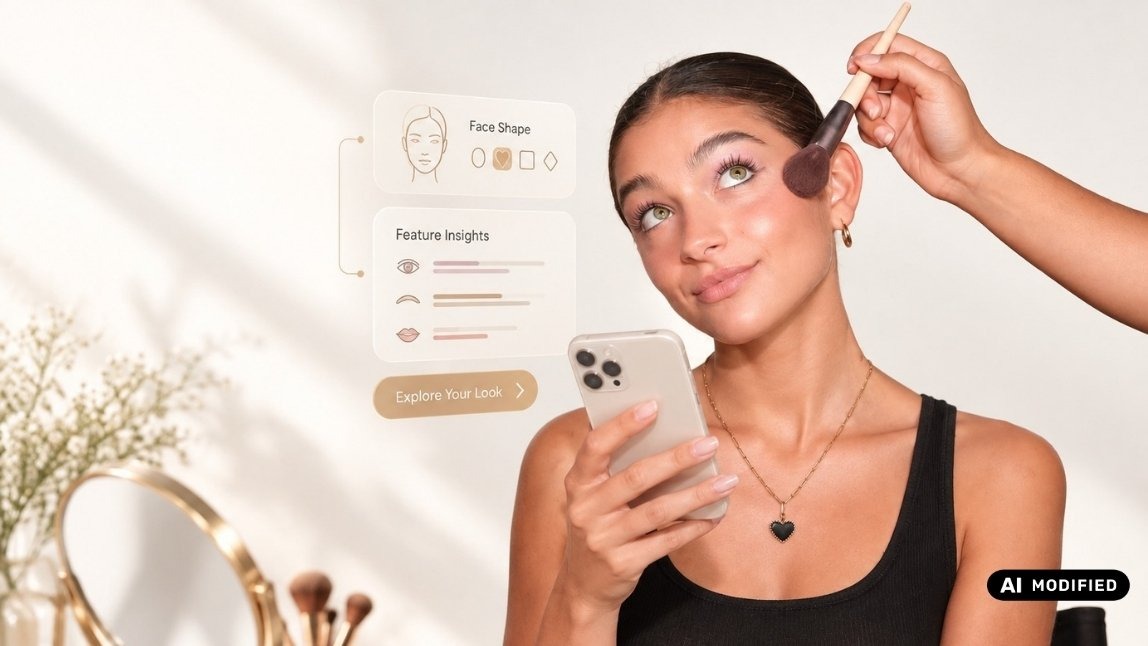
A face attractiveness analyzer can turn a selfie into a score in seconds. That number may look scientific, but it is not a universal measure of beauty.
AI can identify visible patterns such as facial proportions, symmetry, and features. It cannot account for the preferences, identities, culture, expression, and lived context that shape how people see one another.
For beauty brands, that distinction matters. The strongest facial-analysis experiences do not judge customers—they help them explore looks, products, and styling choices with greater clarity and confidence.
What Is a Face Attractiveness Analyzer?
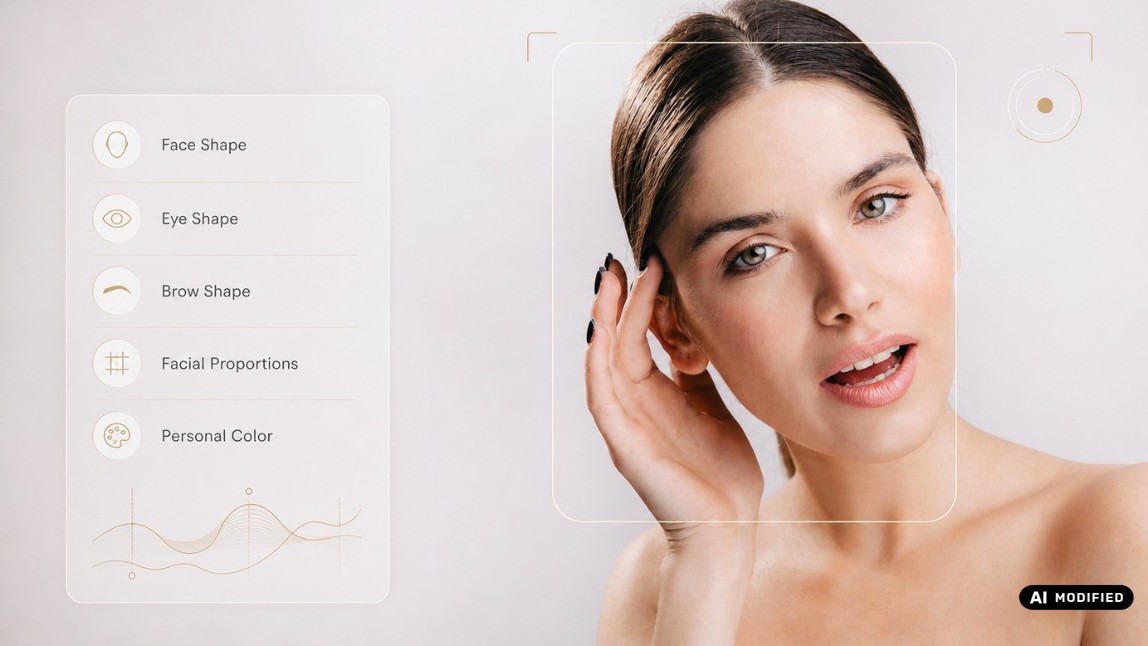
A face attractiveness analyzer uses computer vision to detect visible facial features from an image. Depending on the system, it may calculate facial proportions, compare the left and right sides of the face, classify face shape, or evaluate the relative position of features such as the eyes, nose, lips, cheekbones, and jawline.
Some tools compare these measurements with predefined mathematical reference models, including facial thirds, facial fifths, symmetry, or golden-ratio concepts. Others use machine-learning models trained on image datasets that have been rated by people. In both cases, the system is analyzing patterns in an image—not discovering an objective definition of beauty.
What an AI Beauty Score Can and Cannot Measure
An AI beauty score can identify visible patterns in a photograph, such as facial proportions, symmetry, face shape, and feature relationships. Some systems compare these inputs with mathematical reference models, while others learn from human-rated image datasets.
It cannot define whether someone is attractive. Personal preference, cultural context, identity, personality, confidence, movement, and real-world presence are outside the scope of a photo-based model. Camera angle, lighting, expression, makeup, and image quality can also affect what a system detects.
A score may look definitive, but it reflects a particular model’s method, training data, and assumptions—not a universal standard of beauty. Brands should also consider representation: research on facial-analysis and aesthetic-AI systems has found that performance and outputs can vary across demographic groups when datasets do not adequately represent diverse users.
Learn how AI facial symmetry analysis works or explore what a golden ratio face test measures .
How Beauty Brands Can Move Beyond the Score
In retail and professional consultation settings, facial analysis can help customers explore makeup, skincare, hairstyle, eyewear, and aesthetic-treatment conversations based on visible features and personal goals. The role of the technology is to support a more informed discussion, not to rank a face against a narrow standard.

For example, face shape, eye shape, eyebrow structure, facial proportions, and personal color can support suggestions for makeup techniques, shades, hairstyles, eyewear, or virtual looks. The language matters: “Explore styles that complement your features” is more useful and inclusive than “Improve your score.”
Perfect Corp.’s AI Face Analyzer is designed to provide detailed facial-attribute, personal-color, and facial-ratio analysis. Businesses can use these inputs to create personalized beauty journeys without reducing customers to a single attractiveness rating.
Five Principles for Responsible Face Analysis
- Explain What Is Being Measured. Clearly state whether the experience evaluates face shape, proportions, symmetry, color, or other visible attributes.
- Do Not Present a Score as Truth. If a metric is shown, describe it as a limited measurement or comparison—not an objective judgment of a person’s value or beauty.
- Design for Diverse Users. Evaluate performance across a broad range of skin tones, ages, genders, ethnicities, facial features, and real-world image conditions.
- Provide Meaningful Consent and Choice. Explain why an image is requested, how it will be processed, and whether it will be retained. Let users continue browsing without providing a photo.
- Offer Useful, Non-Judgmental Outcomes. Give users styling ideas, product discovery support, or virtual experimentation—not instructions to correct perceived flaws.
Try Facial Analysis Without an Attractiveness Rating
The most constructive face-analysis experience helps people explore their features rather than rank them. You can try Perfect Corp.’s AI Face Analyzer online to explore face shape, facial features, personal color, and facial proportions from a photo, alongside hairstyle, eyewear, and makeup guidance.
The demo presents facial information as a starting point for personalization, not a verdict on attractiveness. For businesses, the same technology can be deployed through web modules, APIs, mobile SDKs, and in-store consultation experiences.
Build Facial Analysis Experiences Customers Can Trust
Responsible face analysis gives customers clarity, choice, and useful guidance. It avoids treating a complex human perception as a simple score and instead creates a more transparent path to beauty discovery and consultation.
If your business is exploring an inclusive AI face-analysis experience for digital, mobile, or in-store use, contact Perfect Corp.’s sales team to discuss an implementation aligned with your customer journey and brand standards.
Frequently Asked Questions
What Is a Face Attractiveness Analyzer?
A face attractiveness analyzer is an AI tool that evaluates visible facial patterns in a photo and may generate an attractiveness or beauty score. It can assess attributes such as facial proportions, symmetry, face shape, and feature relationships, but it cannot objectively define whether a person is attractive.
Are AI Beauty Scores Accurate?
AI beauty scores may consistently measure the visual patterns they were designed to assess, but they are limited by image conditions, model design, training data, and the subjective nature of human beauty standards. They should be interpreted as limited image-based outputs, not as facts.
How Can Beauty Brands Use Face Analysis Responsibly?
Beauty brands can focus on transparent, consent-led facial analysis that provides optional insights into face shape, features, proportions, or personal color. Results should support inclusive styling guidance, product discovery, or virtual experimentation rather than attractiveness rankings.