 Author: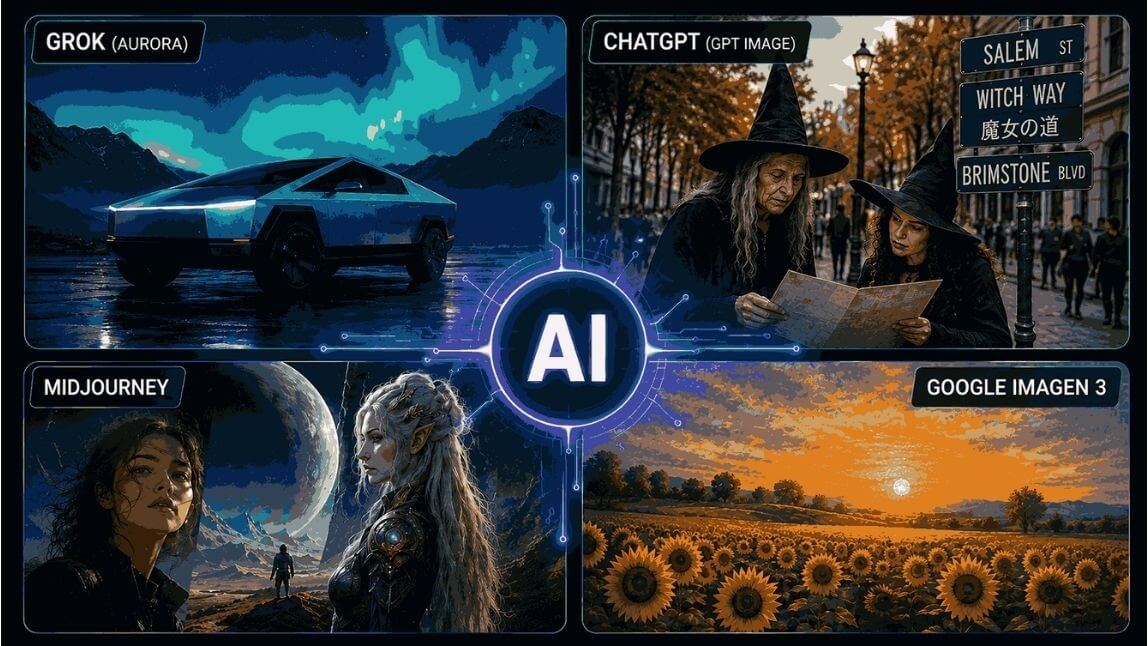
| Table of Contents |
|---|
Why AI Image Generation Matters for Your Business
AI image generation has moved well beyond novelty. In 2026, it's a core capability for product teams, marketers, and developers building the next generation of digital experiences. Whether you need on-demand product visuals, personalized creative content, or scalable design workflows, the right AI image generator can fundamentally change what's possible for your team.
With so many options on the market — from the Grok AI image generator powered by xAI's Aurora model, to OpenAI's GPT Image, Midjourney, and Google's Imagen 3 — choosing the right tool for your business requires more than a quick demo. It requires understanding what each model is actually built for.
This guide breaks down the top AI image generators in 2026 and helps you find the right fit, whether you're a developer, product manager, or founder. And if you're looking for an image generation API purpose-built for businesses with text-to-image, image-to-image, and same-day integration — PerfectCorp's AI Image Generator API is worth putting on your shortlist.
Grok AI Image Generator (xAI Aurora)
xAI's Grok AI image generator runs on Aurora — a model built for photorealism, accurate text rendering, and multi-image editing. Fast, flexible, and increasingly popular with developers. 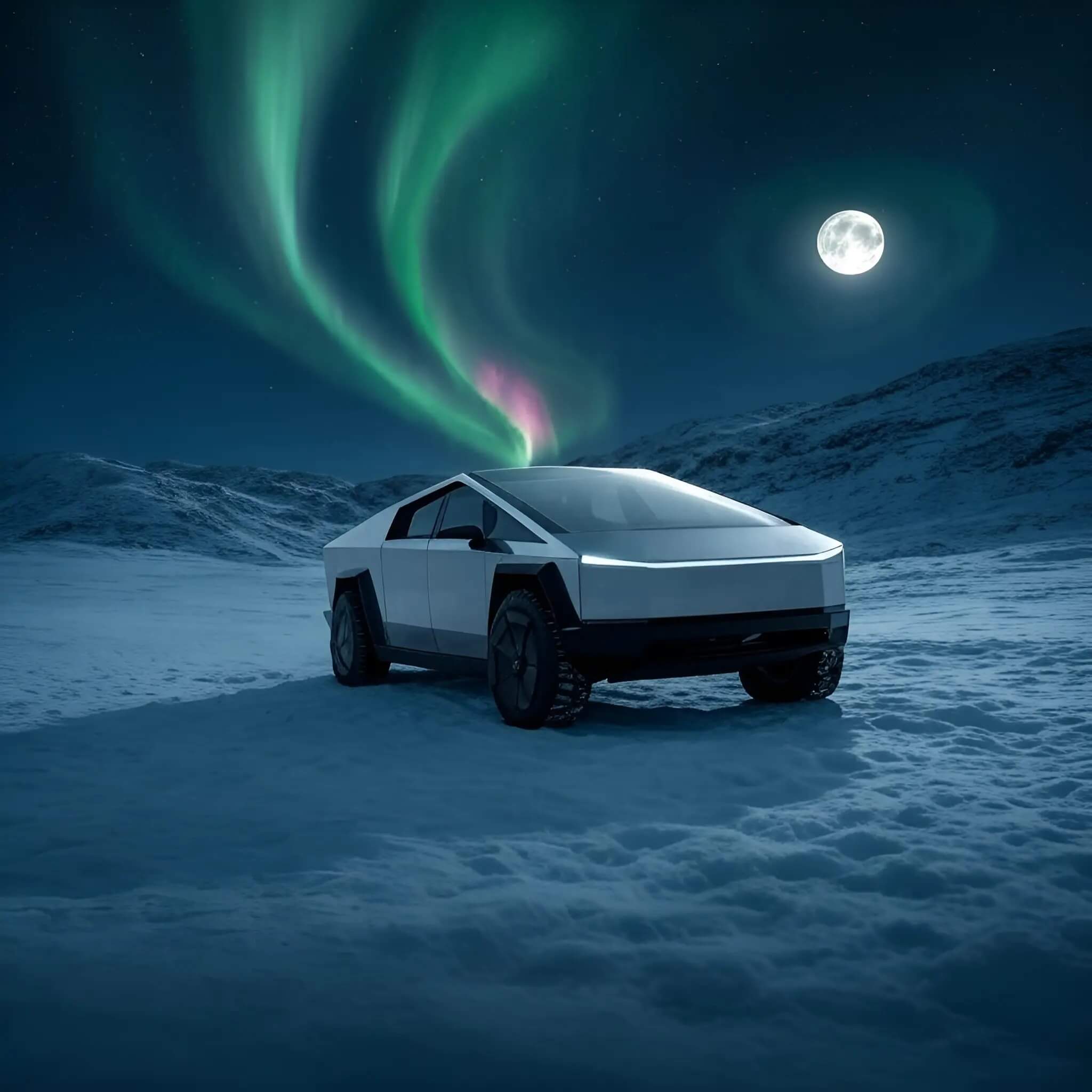
Key Features
- Photorealistic output — Aurora excels at rendering lifelike portraits, scenes, and real-world objects with exceptional detail.
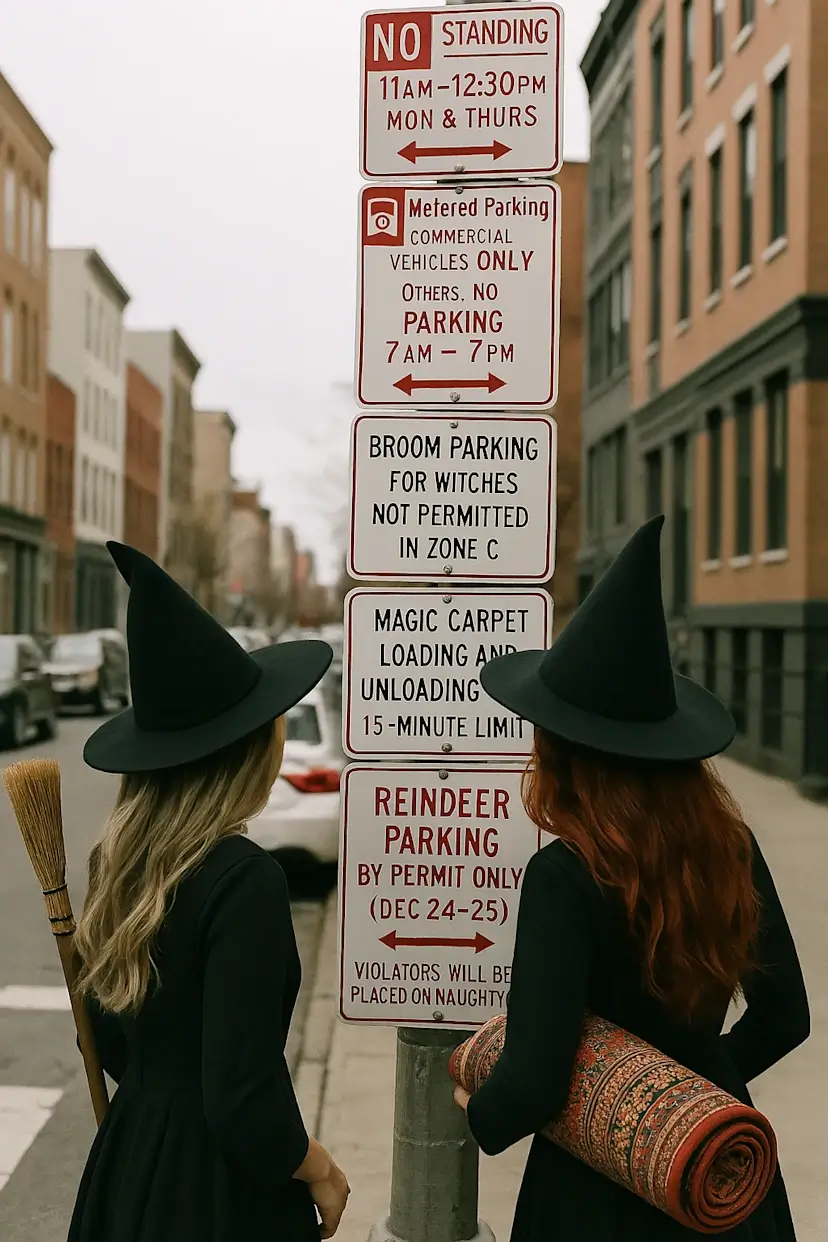
- Accurate text rendering — Unlike most image generators, Grok can reliably render legible text on signs, t-shirts, and documents within images.
- Multimodal input — Supports image editing with up to 3 reference images, giving designers fine-grained creative control.
- Video generation — Beyond still images, Grok's Imagine API also supports text-to-video and image-to-video generation.
Best Use Cases
The Grok AI image generator is ideal for teams building content creation tools, social media platforms, or any application that demands photorealistic accuracy. Its text rendering capability makes it especially strong for ad creative, packaging mockups, and branded content generation.
Need an image generator API for your product? Set up the YouCam AI Image Generator API in a day →
ChatGPT / OpenAI GPT Image
OpenAI has significantly evolved its image generation capabilities in 2026. DALL-E 2 and DALL-E 3 were retired in May 2026, replaced by a family of GPT Image models. The current flagship, GPT Image 2, offers improved prompt adherence, photorealism, and detail across three quality tiers.
Key Features
- Multiple quality tiers — Low, Medium, and High quality options let developers balance cost and output quality based on use case.
- Flexible resolutions — Supports square (1024×1024), portrait (1024×1536), and landscape (1536×1024) outputs.
- Transparent pricing — GPT Image 2 ranges from $0.005 to $0.211 per image, depending on quality and resolution.
- Commercial rights included — Images generated via the API are owned by the user, with full commercial rights granted by default.
- Wide ecosystem — Deep integration with OpenAI's broader platform including assistants, function calling, and vision APIs.
Best Use Cases
OpenAI's GPT Image API is a strong fit for teams already embedded in the OpenAI ecosystem who need a reliable, well-documented image generation layer. It works well for e-commerce product imagery, content automation pipelines, and marketing asset generation at scale.
Midjourney
Midjourney has long been the benchmark for artistic, high-aesthetic AI image generation. In 2026, the platform released V8.1 with faster generation speeds, HD 2K output, and improved prompt adherence — cementing its place as the go-to tool for creatives.
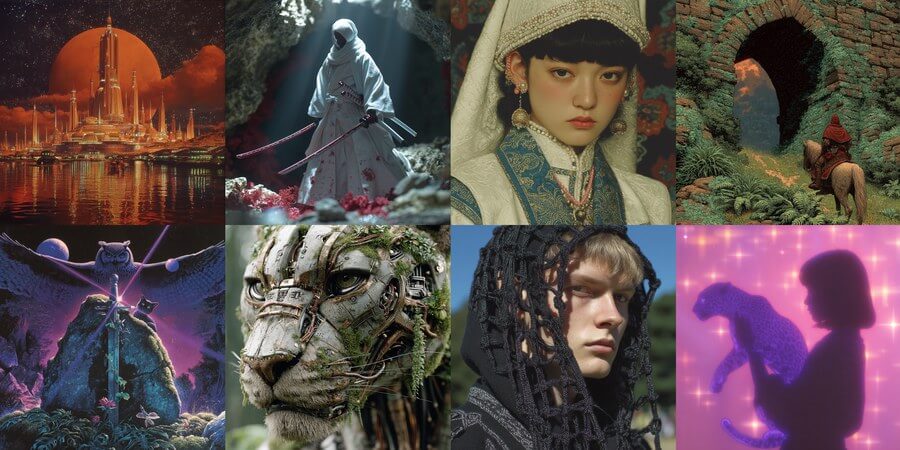
Sample outputs from Midjourney V7 — cinematic portraits, sci-fi landscapes, and detailed character art. (Source: Midjourney)
Key Features
- Unmatched aesthetic quality — Midjourney consistently produces visually stunning results with rich composition and artistic depth.
- HD 2K output — V8.1 introduced high-definition 2K image generation for print-quality creative assets.
- Image-to-video — Still images can be extended into 5–21 second video clips, adding motion to creative workflows.
- Raw mode & style controls — Fine-tuned parameters for art directors and designers who need precise creative control.
Best Use Cases
Midjourney is the preferred choice for creative agencies, brand teams, and design-forward products where aesthetic quality is the top priority. It's particularly powerful for concept art, editorial illustration, campaign imagery, and luxury brand visuals.
Try the YouCam AI Image Generator API — up and running in one day →
Google Imagen 3
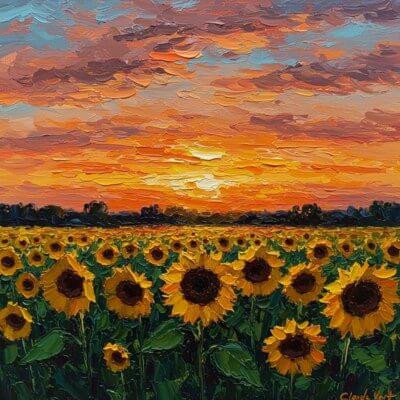
Imagen 3 is Google DeepMind's state-of-the-art image generation model, available through the Gemini API. It produces high-quality, artifact-free images across a wide range of styles — from photorealistic scenes to impressionistic landscapes, abstract compositions, and anime characters — with strong prompt-following capabilities.
Key Features
- High resolution output — Supports resolutions up to 2048px, with generation capabilities across 1K, 2K, and 4K visuals depending on the model tier.
- Multiple aspect ratios — Natively supports 1:1, 4:3, 3:4, 16:9, and 9:16, making it easy to generate images for any platform or surface without cropping.
- Wide style range — Handles hyperrealistic photography, illustration, anime, impressionism, and more from a single API.
- Built-in safety — All outputs include a non-visible SynthID digital watermark identifying them as AI-generated.
Best Use Cases
Imagen 3's versatility across styles and resolutions makes it a strong fit for enterprise content teams, e-commerce platforms, educational publishers, and any product requiring high-quality, diverse visual output at scale.
So Which One Should You Build With?
Each of these tools excels in its own right. Grok leads on photorealism and text accuracy. OpenAI offers the most developer-friendly ecosystem. Midjourney sets the bar for artistic quality. Google Imagen 3 delivers versatile, high-resolution output at a competitive price.
But most of these tools are general-purpose. They're built to serve everyone — from students making fan art to enterprises running million-image pipelines. For businesses in beauty, fashion, retail, or consumer tech that need image generation built for their industry, there's a compelling alternative worth knowing about.
Meet PerfectCorp's AI Image Generator — Built for Businesses
A purpose-built image generation API from the team behind YouCam — trusted by leading beauty and fashion brands worldwide.
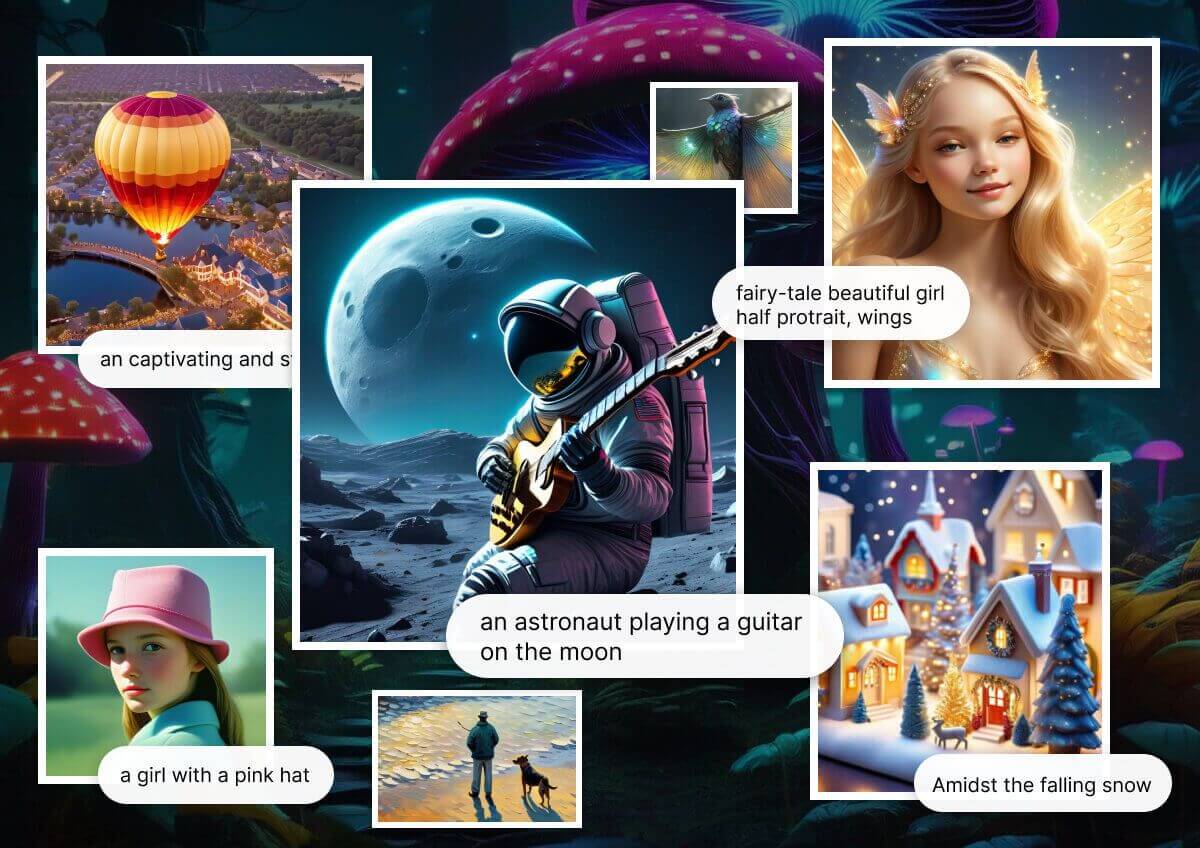
Perfect Corp's AI Image Generator API is designed specifically for businesses that need high-quality, on-brand visual content at scale. Built on the same AI technology powering the YouCam suite of apps — used by hundreds of millions of consumers globally — this API brings enterprise-grade image generation to your product or platform.
The API offers two core generation modes. Text-to-Image (V2.0) lets you generate images from prompts up to 800 characters, with support for five aspect ratios — 16:9, 4:3, 1:1, 3:4, and 9:16 — so outputs are ready for any surface out of the box. Image-to-Image (V2.0) takes an existing image as input (up to 3072px) and transforms it into a new AI-generated result (up to 2048px), making it ideal for product photo enhancement, style transfer, and creative iteration.
On the integration side, the API is fully asynchronous and supports both webhooks for real-time completion events and polling for environments where webhooks aren't available — giving your team flexibility regardless of your infrastructure setup. Every request also includes built-in NSFW detection, so content safety filtering is handled automatically without needing a separate moderation layer.
The API supports JPG, JPEG, PNG, and HEIC formats, uses standard Bearer token authentication, and comes with full OpenAPI documentation — making integration straightforward for any dev team.
Interested in the YouCam AI Image Generator API? Contact us to get started.
Shared Materials by Strapi
*Adjust the size of images ONLY. Please go to Strapi to edit the materials info.