 Author:


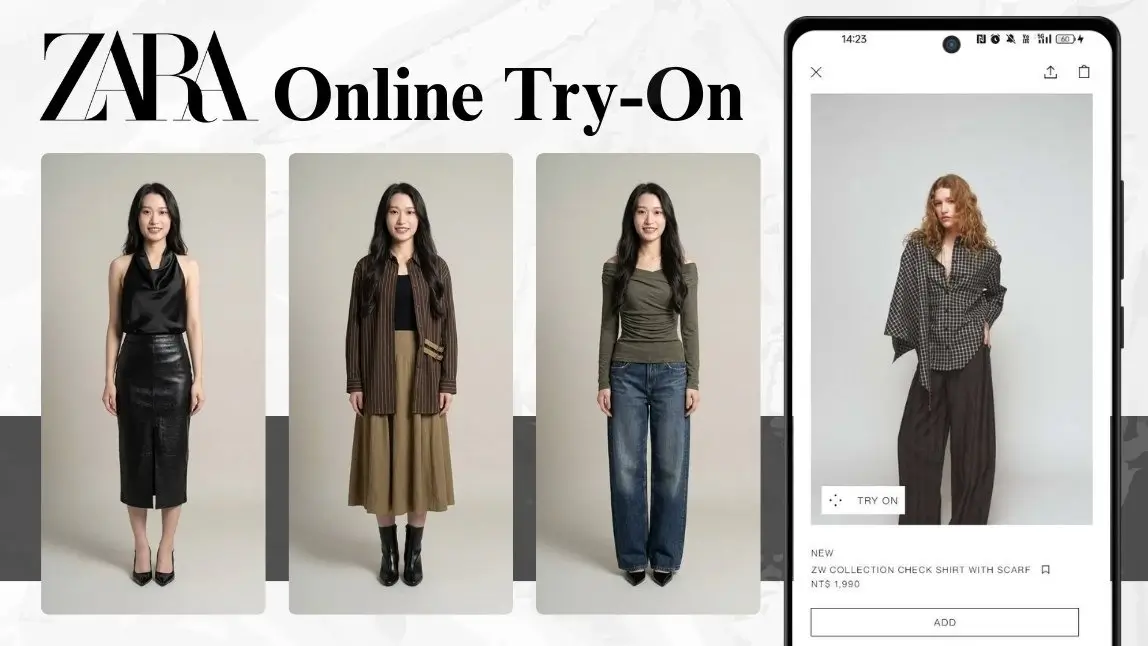
Zara’s latest rollout isn’t just a new collection; it’s a technological overhaul featuring a cutting-edge virtual try-on tool that is currently dominating headlines.

Powered by advanced Generative AI and precise silhouette analysis, this tech mimics the solutions currently reshaping the global e-commerce landscape. For shoppers, it means confidence. For brands, it’s the secret weapon against the industry’s $8+ billion nightmare: return rates, which currently sit at a staggering 24% for online fashion.
In this post, we’re peeling back the digital curtain. We’ll analyze how Zara’s tool works, test its accuracy, and show you how brands can integrate similar enterprise-grade AI without needing a fast-fashion empire's R&D budget.
Table of Contents
- Wait, Does Zara Actually Have a Virtual Try-On Now?
- I Tried Zara Online’s AI Tool: Is It Gimmick or Genius?
- Results: I'm Not Me? But Easy to Use
- In an AI-First World, Face Fidelity is the Ultimate Differentiator
- How Does the Tech Actually Work?
- Can Other Brands Replicate Zara's Success?
- FAQ: Everything You Need to Know About Zara Online Try-On
Wait, Does Zara Actually Have a Virtual Try-On Now?
The short answer is: Yes, and it is rolling out globally as we speak.
If you browse Zara online via their app or mobile site, you might notice a subtle but powerful shift. Gone are the days of relying solely on static 2D images. The new feature invites users to input basic data, 2 pictures: 1 of your selfie, and 2 of your full body image, then, it generates a visual representation of how the garment drapes on a body similar to theirs.
(Image Source: Zara)
This is a strategic move to combat "bracketing" (where customers buy multiple sizes to return the ones that don't fit). By visualizing the fit before the checkout, Zara is bridging the gap between the fitting room and the living room.
I Tried Zara Online’s AI Tool: Is It Gimmick or Genius? (The Review)
I consider myself a professional skeptic when it comes to "revolutionary" retail tech. So, I opened the Zara app, fully prepared to be underwhelmed. Here is my user journey.
The Process
1. Selection: I chose a structured blazer, historically the hardest item to buy online due to shoulder fit.

(Image Source: Zara)
2. The Input: Instead of a complex scan, I simply upload 2 pictures of myself (selfie & full body).

3. See Results: Within seconds, the static product image was replaced.
Results: I'm Not Me Anymore? But Easy to Use!
After uploading two images, I have to wait a while to get the generated result every time I try on an outfit.
Of course, this is an inevitable part of AI generation, so I'm not surprised. However, it seems I can tell that my face has changed a little.

Although it’s clear that Zara’s AI has done a good job maintaining the original features, there are still some slight differences. You can probably tell that your face doesn’t look like your own, even to the smallest difference.
In an AI-First World, Face Fidelity is the Ultimate Differentiator
So, I'm going to try using the YouCam AI API for a virtual try-on to see if the face shape gets distorted.

This level of personalization is crucial. If you are interested in how precise algorithms detect body metrics, you can explore the technology behind AI Clothes Try On Solution used by top tech providers.
We can easily envision the near future: virtual try-on technology becomes the new retail standard. The days of asking shoppers to haul a pile of clothes into a physical fitting room to change, one by one, are fast becoming obsolete.
However, face fidelity is where superior AI software truly reveals itself. Why? Because for every consumer, facial features are the very first thing they perceive. If the face looks "off," the entire experience fails.
How Does the Tech Actually Work? (The "Secret Sauce")
You might be wondering: How does an app know that the blazer will be tight across the shoulders?
The secret lies in a combination of Generative AI and Augmented Reality (AR) layering. Unlike old-school overlays that simply pasted a flat JPEG image over a photo, modern VTO (Virtual Try-On) technology understands physics.
- Texture Analysis: The AI analyzes the fabric's properties—is it stiff denim or flowy silk?
- Lighting Adaptation: The digital garment reacts to the lighting of the environment (or the preset scene) to create realism.
- Volumetric Understanding: The software estimates body depth and curves based on the input data.
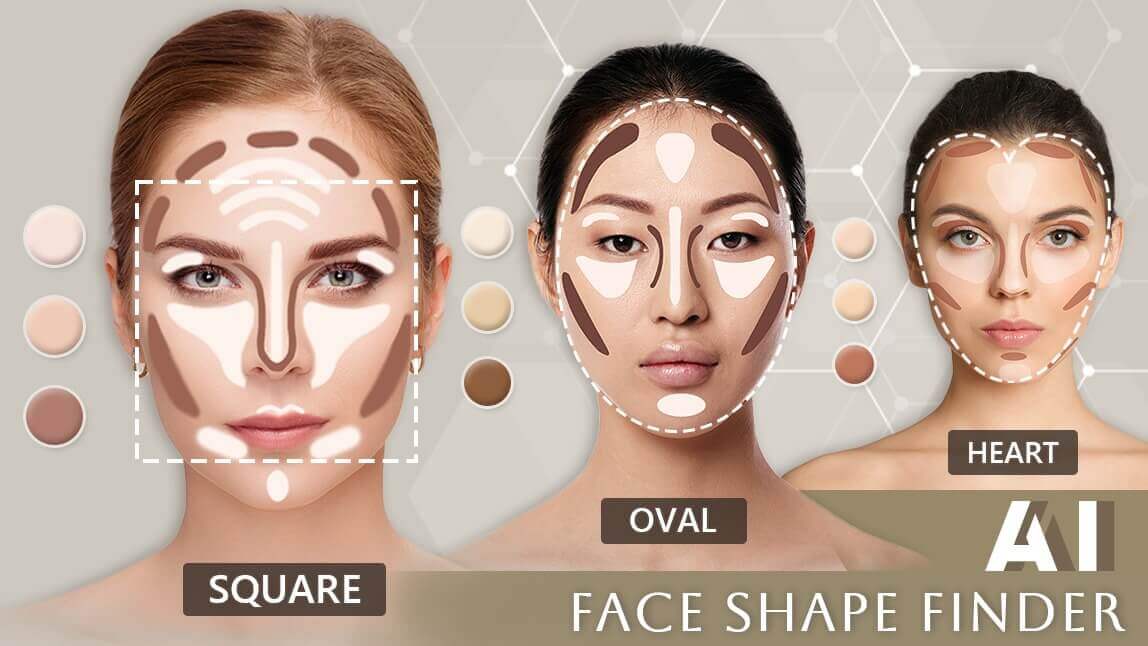
The core technology relies on precise silhouette detection, something that Perfect Corp has specialized in for over a decade.
Can Other Brands Replicate Zara's Success? (The Pivot to Perfect Corp)
Here is the million-dollar question for retailers reading this: Do you need Zara's massive budget to offer this experience?
Absolutely not.
The landscape of B2B retail tech has shifted from "build it yourself" to "integrate the best SaaS." You don't need to hire a team of 50 AI engineers. Specialized providers now offer plug-and-play APIs that are often more advanced than proprietary in-house tools.
The Shortcut to Innovation
Perfect Corp offers a suite of AI solutions that allow mid-to-enterprise brands to deploy these features instantly:
- For Fashion: Implement AI Virtual Try-On for Clothing to let users see outfits on their own bodies using just a camera.
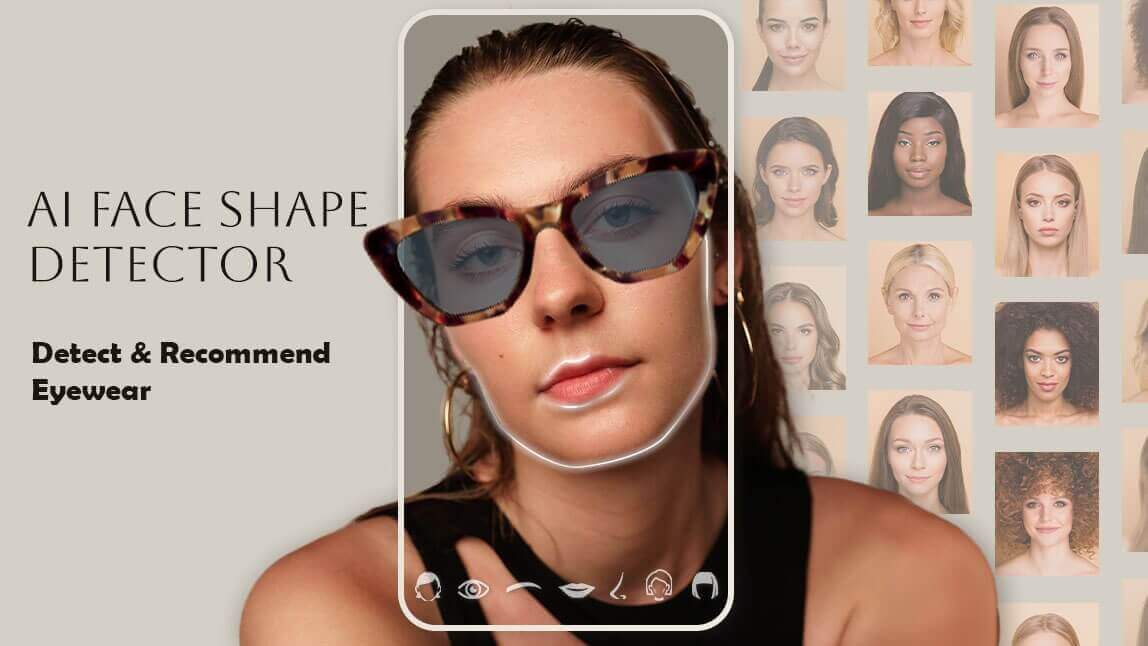
- For Accessories: Use high-precision AR for jewelry, watches, and eyewear.
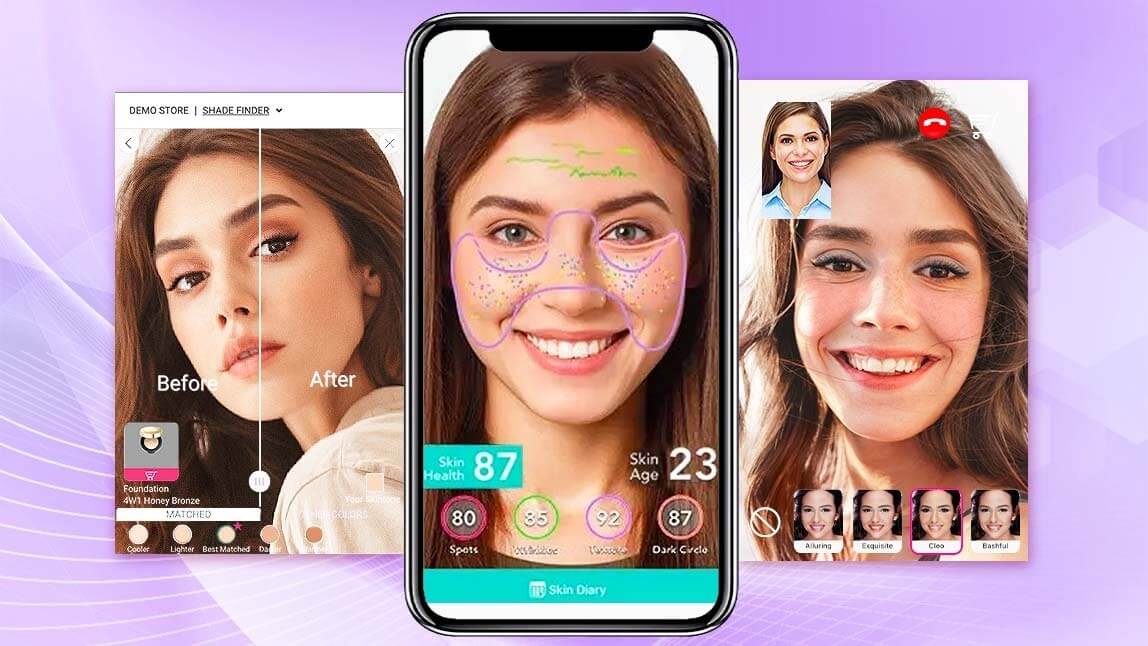
- For Beauty: Integrate the world's leading AI Skin Diagnostic and makeup try-on tools.
By using Generative AI Fashion modules, you can turn a high-return-rate product into a high-conversion bestseller.

How Much to Integrate the AI Clothes Try On?
Installing AI isn't as expensive as you might think. Our API uses a pay-as-you-go model, so you're only charged when your customers actually use it.
Each use costs as little as $0.02 USD.
Conclusion: The Future is Phygital
Zara Online has thrown down the gauntlet. They have proven that virtual try-on isn't just a fun gimmick for social media—it's a fundamental utility for modern shopping. The line between physical and digital ("phygital") has officially blurred.
For businesses, the risk isn't in adopting AI; the risk is waiting until your competitors do. Whether you sell luxury watches, denim, or lipstick, the technology to reduce returns and delight customers is already here.
Ready to transform your e-commerce store?
Don't get left behind in the AI revolution.
FAQ: Everything You Need to Know About Zara Online Try-On
Is the Zara size calculator accurate?
Generally, yes. The tool uses aggregated data from thousands of similar body types to recommend a size. However, while it is excellent for predicting fit (tight vs. loose), it cannot perfectly predict personal preference for fabric feel or stiffness.
How do I access the Zara virtual fitting room?
Currently, the feature is available on select items in the Zara app and mobile website. Look for the "Try On" button near the product description, enter your stats, and the AI will generate the visual.
Does Zara use AI for models?
Yes, Zara has begun experimenting with AI-generated imagery to showcase clothing on diverse body types without needing hundreds of physical photo shoots. This allows for a wider representation of fits.
Can I use this on the Zara app?
Yes, the functionality is optimized for the mobile app experience to leverage smartphone screen verticality, making the visualization more immersive.