 Author: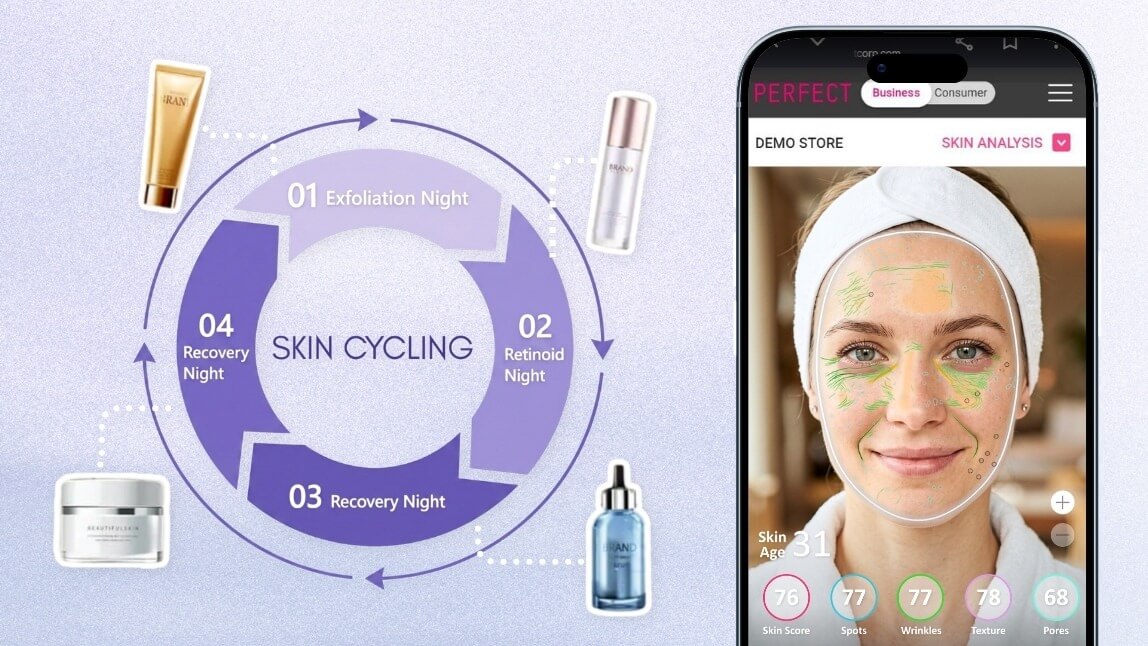
What Is Skin Cycling — and Why Is Everyone Still Talking About It in 2026?
Skin cycling isn't new. But it keeps getting smarter. What started as a viral four-night TikTok framework created by NYC board-certified dermatologist Dr. Whitney Bowe has evolved into one of the most adaptable, science-aligned skincare systems around, with over 3.5 billion TikTok views to its name and growing.
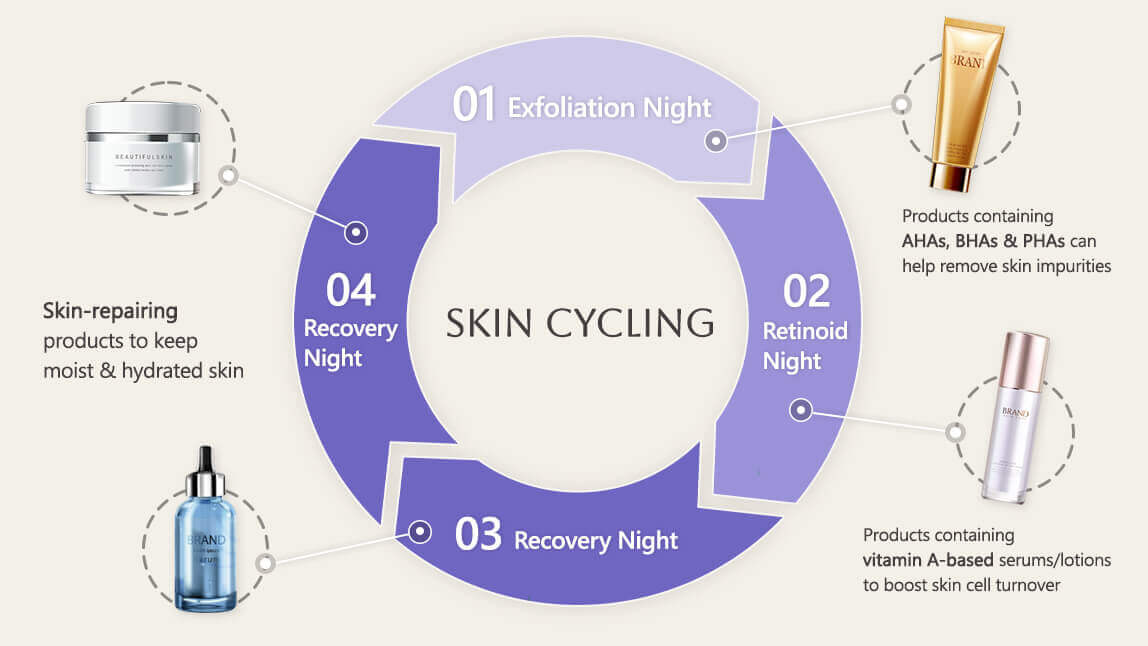
The concept is simple: instead of layering every active ingredient onto your face every single night, you rotate. Exfoliation one night. Retinoid the next. Then two recovery nights to let your skin barrier rebuild. Then repeat.
Think of it like interval training for your face. You push hard, then you rest. That rest is what makes the push work.
In this ultimate guide, we cover everything from the 4-2-4 rule to the 7-day cycle, how oily and dry skin types should approach it differently, what dermatologists actually say, and what Reddit's real-world community thinks after years of testing it.
What Is the 4-2-4 Rule in Skincare?
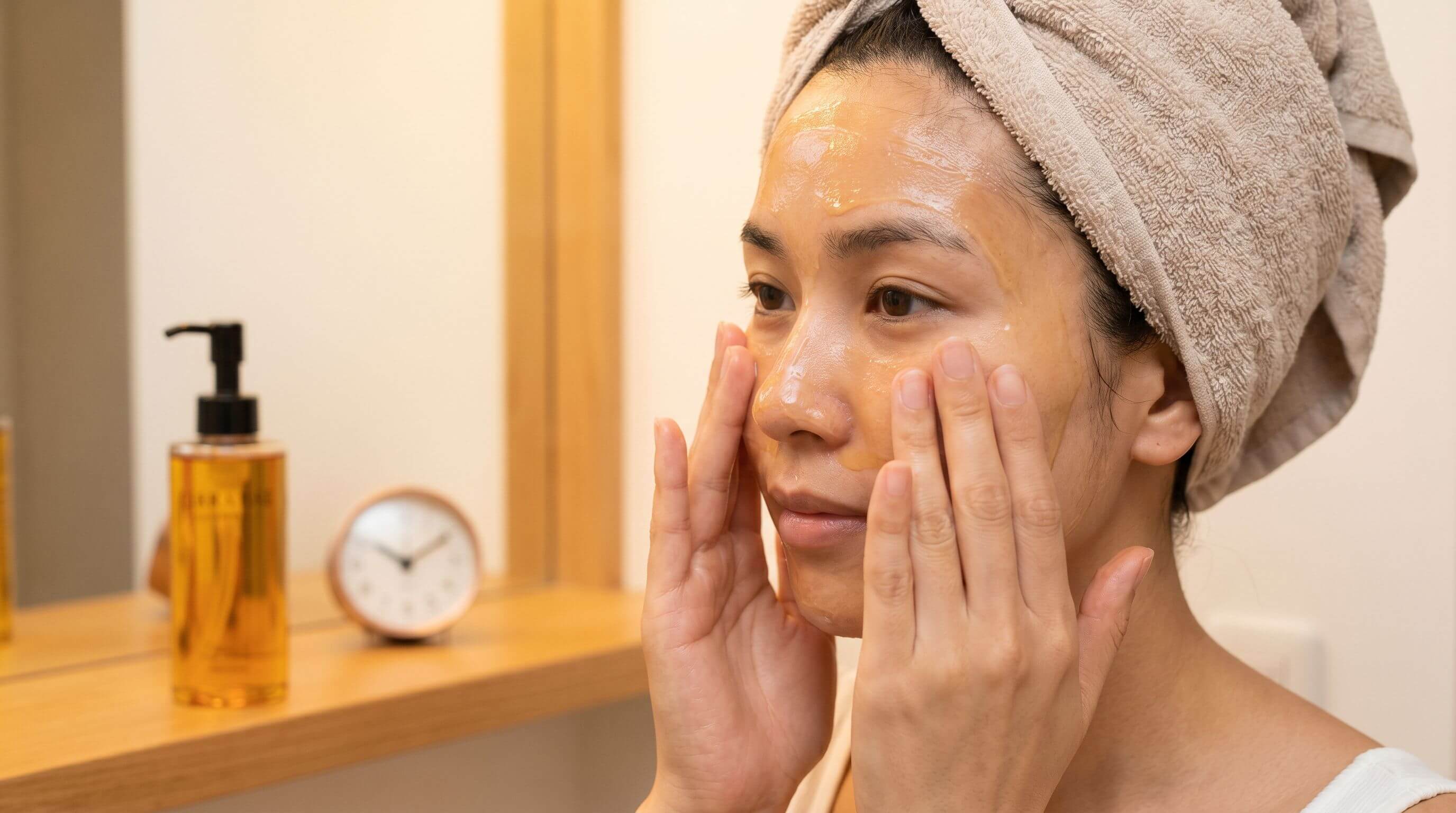
You've probably seen the 4-2-4 rule trending alongside skin cycling — but they're two different things. Here's the breakdown:
The 4-2-4 rule is a K-beauty-inspired double-cleansing method focused entirely on the cleansing step. It works like this:
| Step | Action | Duration |
|---|---|---|
| Step 1 | Oil-based cleanser massage (dissolves makeup, SPF, sebum) | 4 minutes |
| Step 2 | Water-based or foaming cleanser (removes residue) | 2 minutes |
| Step 3 | Rinse thoroughly (warm water first, then cooler) | 4 minutes |
The total ritual takes about 10 minutes and is done at night to remove the day's buildup before applying any actives. The idea is that proper cleansing dramatically improves absorption of what comes after — making it a natural companion to skin cycling.
But should you do it every night? Probably not. The 4-2-4 rule is most valuable on nights when you're wearing heavy makeup or SPF, pairing especially well with Night 1 (exfoliation) or Night 2 (retinoid) steps. For recovery nights, a single gentle cleanse is all you need.
Do Dermatologists Actually Recommend Skin Cycling?
Short answer: yes — with nuance.
Skin cycling was developed by Dr. Whitney Bowe, a board-certified dermatologist and research scientist with over 40 published articles. She designed it specifically for patients who were over-layering actives and damaging their skin barriers as a result.
- Dr. Joel L. Cohen, board-certified dermatologist, confirms skin cycling is safe for all skin types and that rotating actives is something dermatologists have recommended for years. (Source)
- Dr. Susan Massick from Ohio State University recommends adjusting recovery nights based on skin type — one night for oily skin, two to three for dry or sensitive. (Source)
- Dr. Stephanie Saxton-Daniels, board-certified dermatologist at Westlake Dermatology, called skin cycling "proven to be safe, effective, and beneficial." (Source)
- London Dermatology Centre specialists note that early texture improvements appear within 1–2 weeks, while significant changes to fine lines and pigmentation typically require 8–12 weeks. (Source)
"Dermatologists have been using the concept of cycling skincare for many years." — Dr. Joel L. Cohen, Board-Certified Dermatologist
One important caveat: skin cycling is not a treatment for active skin conditions like eczema flares, rosacea, or psoriasis. If you have any of these, consult your dermatologist before starting.
How Long Should You Do Skin Cycling?
This question has two parts: when will you see results, and how long should you keep the routine going?
When do results appear?
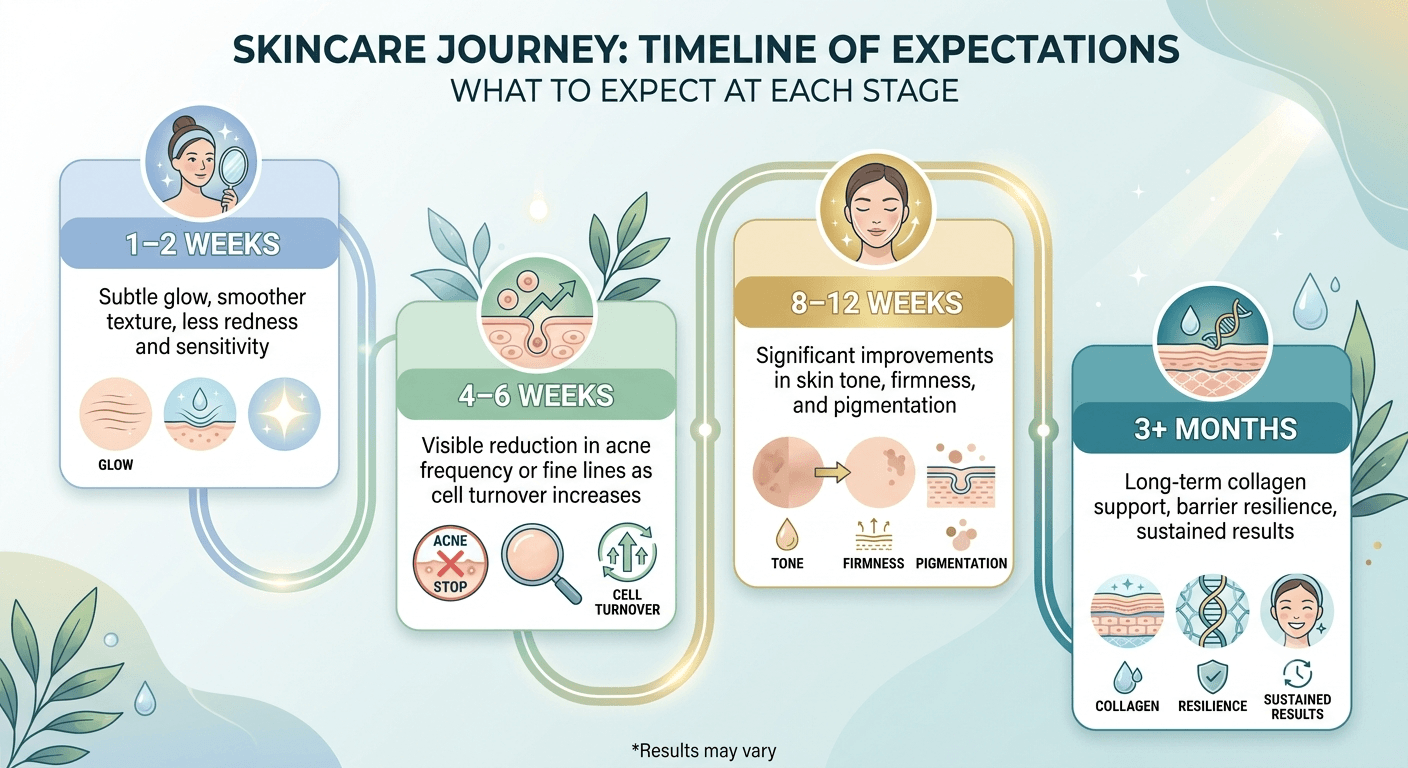
| Timeline | What to Expect |
|---|---|
| 1–2 weeks | Subtle glow, smoother texture, less redness and sensitivity |
| 4–6 weeks | Visible reduction in acne frequency or fine lines as cell turnover increases |
| 8–12 weeks | Significant improvements in skin tone, firmness, and pigmentation |
| 3+ months | Long-term collagen support, barrier resilience, sustained results |
Dermatologists recommend completing at least six full cycles (24 nights) before deciding whether to adjust your routine. The goal is not maximum intensity — it's sustainable consistency.
How Do Customers Do Skin Cycling: The Step-by-Step Routine
Analyze the skin, pinpoint the problems, and deliver targeted treatments that actually work.
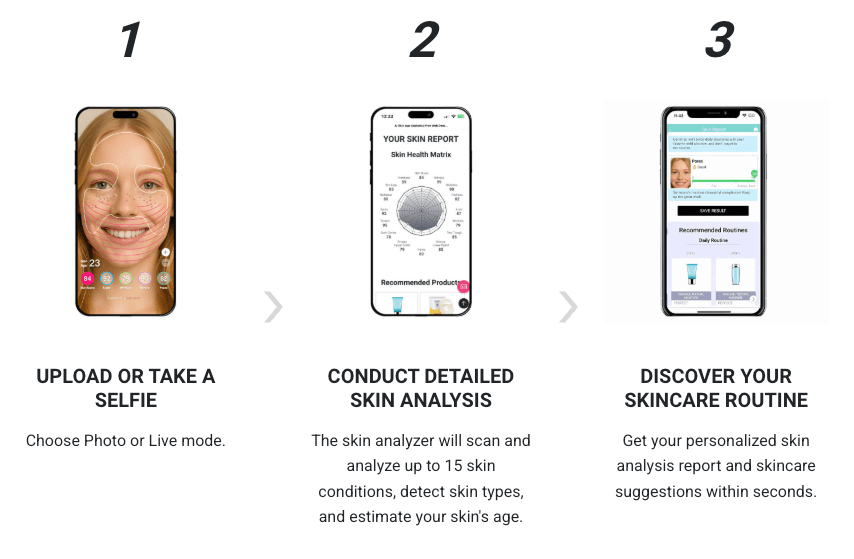
The classic skin cycling routine is a nighttime-only protocol. Your morning routine stays the same every day: gentle cleanser, moisturizer, and SPF 30+.
Night 1: Exfoliation
Goal: remove dead skin cells, clear congestion, prep skin for actives.
- Cleanse (double cleanse if wearing SPF or makeup)
- Apply chemical exfoliant — AHA for dry/normal skin, BHA for oily/acne-prone, or PHA for sensitive skin
- Wait 5–10 minutes for absorption
- Apply a hydrating, fragrance-free moisturizer
Night 2: Retinoid
Goal: stimulate cell turnover, support collagen, fade pigmentation.
- Cleanse
- Apply moisturizer (first layer)
- Apply a pea-sized amount of retinoid
- Apply moisturizer again (the "retinol sandwich")
Nights 3 & 4: Recovery
Goal: rebuild the skin barrier, lock in hydration, let actives do their work.
- Cleanse gently
- Apply hyaluronic acid serum on damp skin
- Layer a rich moisturizer with ceramides or peptides
- Optional: facial oil or slugging layer to seal everything in
No acids, no retinoids, no vitamin C on recovery nights. Recovery is non-negotiable — skipping it breaks the entire system.
Skin Cycling for Beginners: The Starter Rules
- Start low, go slow. Use half-doses of both your exfoliant and retinoid for the first two weeks.
- Pick one exfoliant, not two. AHA + BHA on Night 1 doubles the irritation, not the results.
- Never skip recovery nights. The biggest beginner mistake. Recovery is where results happen.
- Morning routine stays simple. Cleanser, moisturizer, SPF. That's it.
- Patch test everything. Before adding a new product, test on a small area for 24–48 hours.
- Listen to your skin, not the calendar. If you wake up irritated, add an extra recovery night.
What Is the 7-Day Skin Cycling Schedule?
The classic cycle is four nights — which doesn't map cleanly to a seven-day week. The 7-day skin cycling variation offers a neater structure:
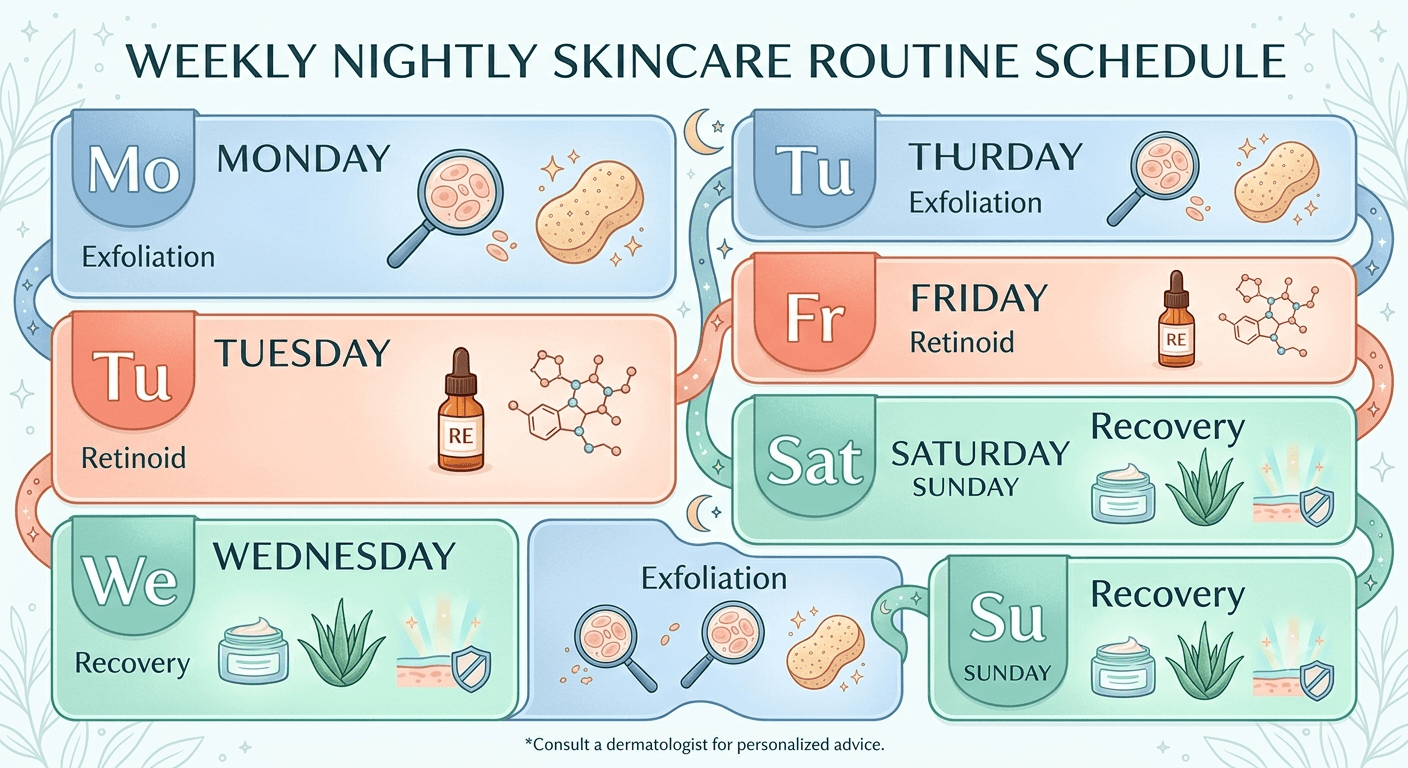
| Day | Night Routine |
|---|---|
| Monday | Exfoliation |
| Tuesday | Retinoid |
| Wednesday | Recovery |
| Thursday | Exfoliation |
| Friday | Retinoid |
| Saturday | Recovery |
| Sunday | Recovery |
This gives you two full active sequences per week plus three recovery nights. Beginners: start with the classic four-night cycle first and transition to the 7-day variation after four to six weeks.
Skin Cycling for Dry Skin vs. Oily Skin
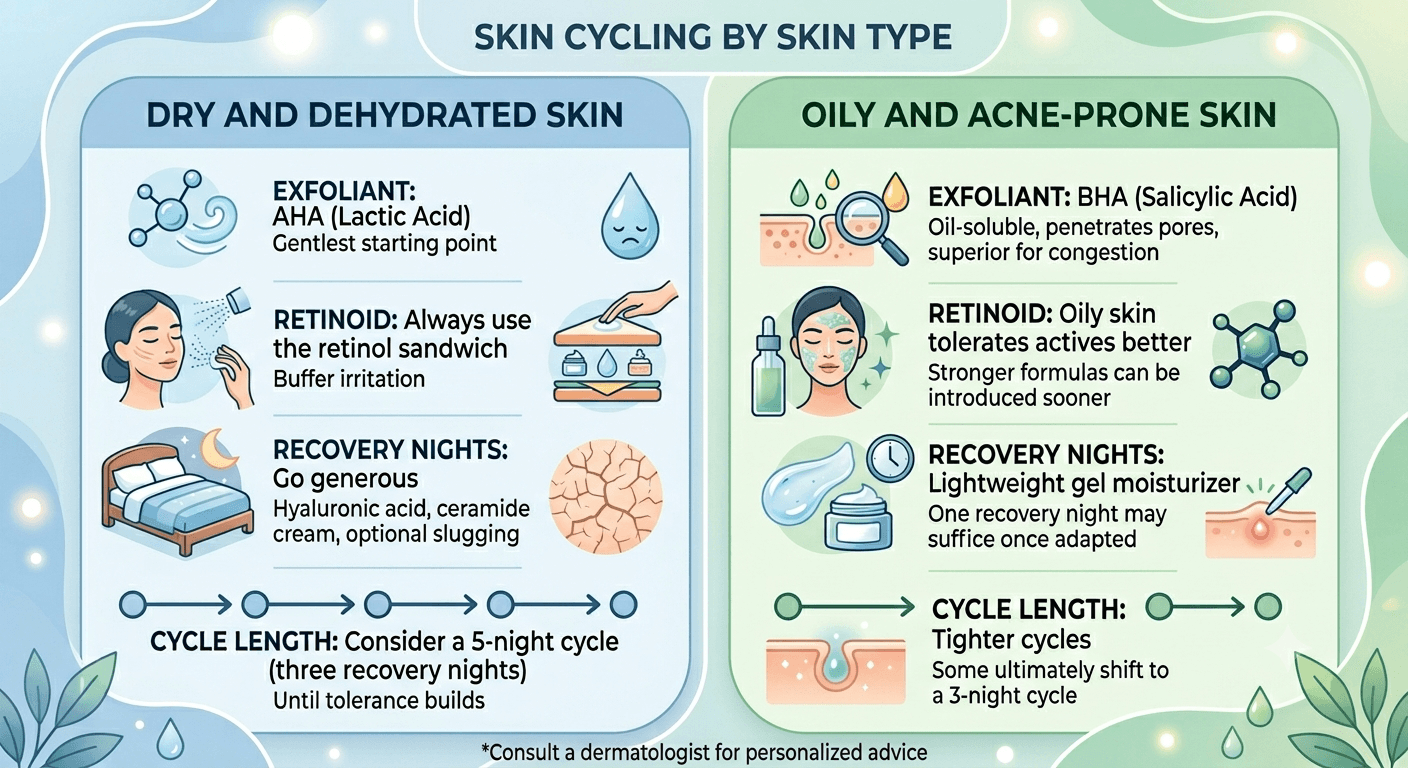
Dry and Dehydrated Skin
- Exfoliant: AHA — lactic acid is the gentlest starting point
- Retinoid: Always use the retinol sandwich to buffer irritation
- Recovery nights: Go generous — hyaluronic acid, ceramide cream, optional slugging
- Cycle length: Consider a 5-night cycle (three recovery nights) until tolerance builds
Oily and Acne-Prone Skin
- Exfoliant: BHA (salicylic acid) — oil-soluble, penetrates pores, superior for congestion
- Retinoid: Oily skin tolerates actives better; stronger formulas can be introduced sooner
- Recovery nights: Lightweight gel moisturizer; one recovery night may suffice once adapted
- Cycle length: Tighter cycles; some ultimately shift to a 3-night cycle
What Does Reddit Say About Skin Cycling?
The skincare community on Reddit has been one of the most honest testing grounds for skin cycling. Here's the community consensus:
What Redditors agree on
- It works for beginners. People who had been over-layering actives found that adding structure fixed their skin barrier within two to four weeks.
- Recovery nights are the secret weapon. The structure forces you to let your skin breathe, which many people had never done before.
- Strict adherence matters less as you advance. Once skin builds tolerance, the rigid 4-night cycle becomes less critical.
- It's not a treatment for serious conditions. Skin cycling helps with texture, glow, and barrier health, not cystic acne, eczema, or rosacea.
Common Reddit criticisms
- The rolling 4-night cycle is confusing. Many users created 7-day adaptations to sync with the calendar.
- It's marketed heavily. The community agrees the underlying concept is sound regardless of which products you use.
- Over-exfoliators still over-exfoliate. Starting too strong is the problem, not the framework itself.
Common Mistakes That Break the Cycle
- Skipping recovery nights — the number one error
- Layering multiple acids on Night 1 — pick one exfoliant
- Starting too aggressively — low concentrations for the first 2–4 weeks
- Adding other actives to Night 2 — retinoid night is retinoid only
- Forgetting SPF every morning — sunscreen is non-negotiable
- Judging results too early — give it 6–12 weeks
Frequently Asked Questions About Skin Cycling
Can I do skin cycling every month or should I take breaks?
Skin cycling is designed as an ongoing routine, not a monthly reset. Maintain it indefinitely, adjusting for seasonal changes — more recovery nights in winter, tighter cycles in summer for oily skin.
Can I add vitamin C to my skin cycling routine?
Yes — but in the morning only. Vitamin C works best as a daytime antioxidant. Never layer it with retinoids or acids on the same night.
What's the difference between retinol and retinoid in skin cycling?
Retinol is an OTC vitamin A derivative. Retinoids include both OTC retinol and prescription-strength options (tretinoin, adapalene, tazarotene). Beginners start with OTC retinol (0.25–0.5%).
Do I need to buy new products to start skin cycling?
No. Skin cycling works with products you already own — as long as you have a chemical exfoliant and a retinoid. The framework is about timing and structure, not the brand.