 Author: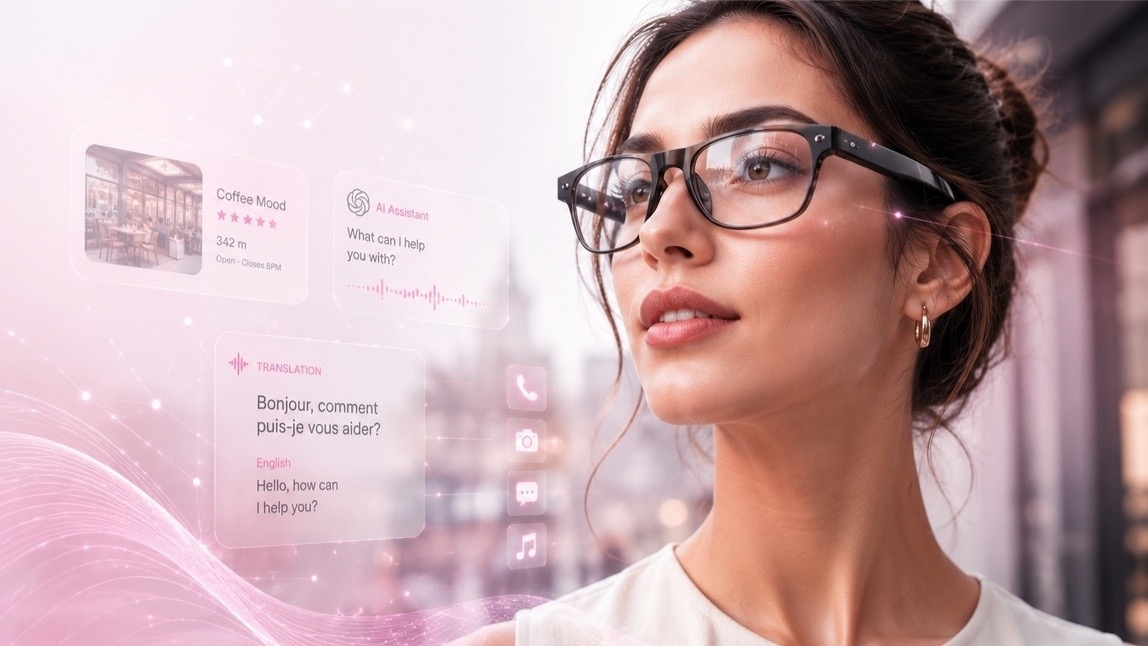
Millions of people are already wearing displays or AI cameras on their faces — Rokid leads the market, Ray-Ban Meta is selling at record scale, and Apple, Google, and Samsung are racing to join in. This isn't a future bet anymore. This guide ranks the best AR glasses of 2026, then asks what every beauty brand, eyewear retailer, and fashion label is too slow to ask: what happens when your customer's face is the screen?
What Are AR Glasses, and Why Does 2026 Matter?
Augmented reality glasses overlay digital information onto the real world through a wearable display. In 2026, the category has split into two distinct product types:
- AI Glasses (no display): Look like normal sunglasses. Pack a camera, microphone, speakers, and an on-device AI assistant. Ray-Ban Meta is the flagship example. No overlay — the "augmented reality" happens through audio and AI responses.
- Display AR Glasses: Feature a built-in micro-OLED or micro-LED screen that projects a virtual image. Rokid, Xreal, and Viture lead here. They range from small notification overlays to a 174-inch virtual cinema in front of your face.
Why does 2026 specifically matter? Because this is the year the hardware hit commercial maturity at accessible price points ($299–$649), and Google I/O 2026 confirmed that Android XR — a full smart glasses operating system backed by Google and Samsung — will ship consumer devices before year's end. The platform moment has arrived.
The Best AR Glasses of 2026: Top 5 Compared
Here are the leading AR glasses on the market right now, benchmarked on the specs that matter most for everyday use.
| Model | Price | Display | Weight | Best For |
|---|---|---|---|---|
| Ray-Ban Meta Gen 2 | $379 | None (AI audio) | ~49g | Everyday wear, social |
| Rokid Glasses | $499 | Micro-LED monocular | 49g | Notifications, navigation, Gemini AI |
| Xreal One Pro | $599 | 1080p micro-OLED, 57° FOV | ~75g | Movies, gaming, remote work |
| Viture Beast XR | $549 | Sony micro-OLED, 174" virtual | ~78g | Large-screen productivity & media |
| Google/Samsung Android XR | TBA (Fall 2026) | Audio-first gen 1; display in 2027 | TBA | Gemini AI, Google ecosystem |
What makes the Ray-Ban Meta Gen 2 stand out?
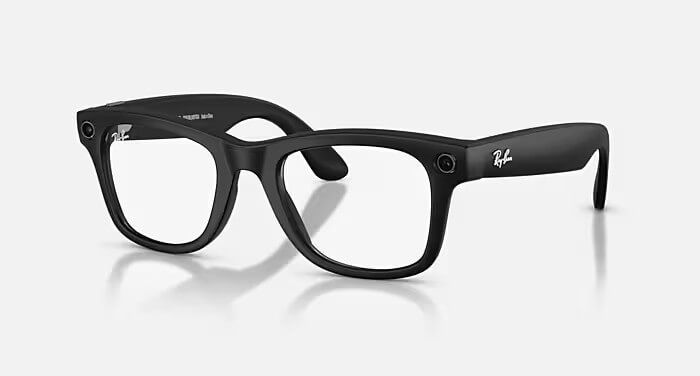
(Source: Ray-Ban)
For mainstream adoption, yes. Ray-Ban Meta Gen 2 stands out as one of the few smart glasses products to achieve significant commercial scale, and the second generation earns that position with a 12MP ultrawide camera, improved battery life, and Meta AI integration for hands-free queries. There is no display, which is exactly why it works: people actually wear these in public. The trade-off is that all the "augmented" experience is auditory, not visual.
Why are Rokid glasses leading in AR display?
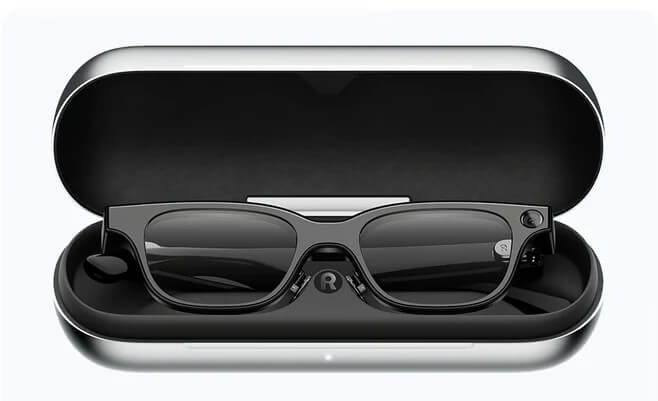
(Source: Rokid)
At 49 grams with a visible micro-LED overlay, Rokid strikes a strong balance between wearability and function. A March 2026 update made it the first smart glasses to natively run Google Gemini, ahead of Google's own glasses. For users prioritizing real-time AR overlays, Rokid is a compelling option in the category.
Why Xreal One Pro works well for media and work?
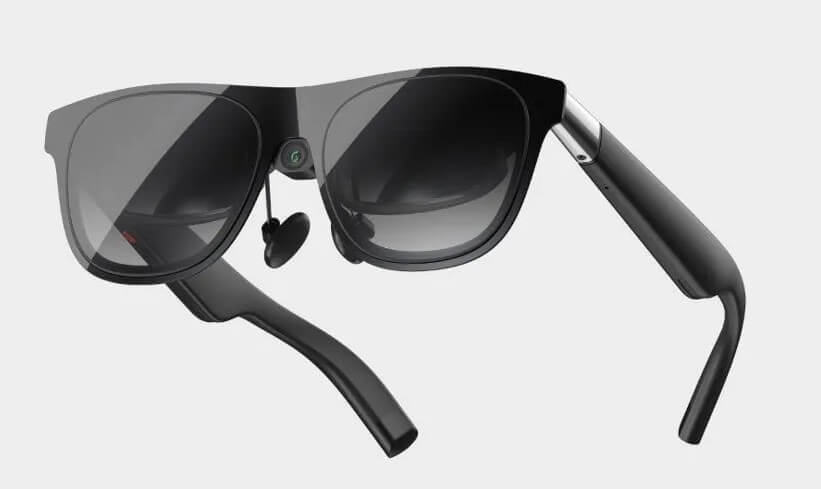
(Source: XREAL)
Xreal's One Pro uses a custom X1 chip for on-device stabilization and 3DoF tracking, which means the 1080p virtual screen stays locked in space as you move your head. That's the feature professional users care about — a second monitor that doesn't float. It connects via USB-C to a phone, Steam Deck, or laptop, and it's the device most frequently spotted on the desk setups of remote developers and frequent flyers.
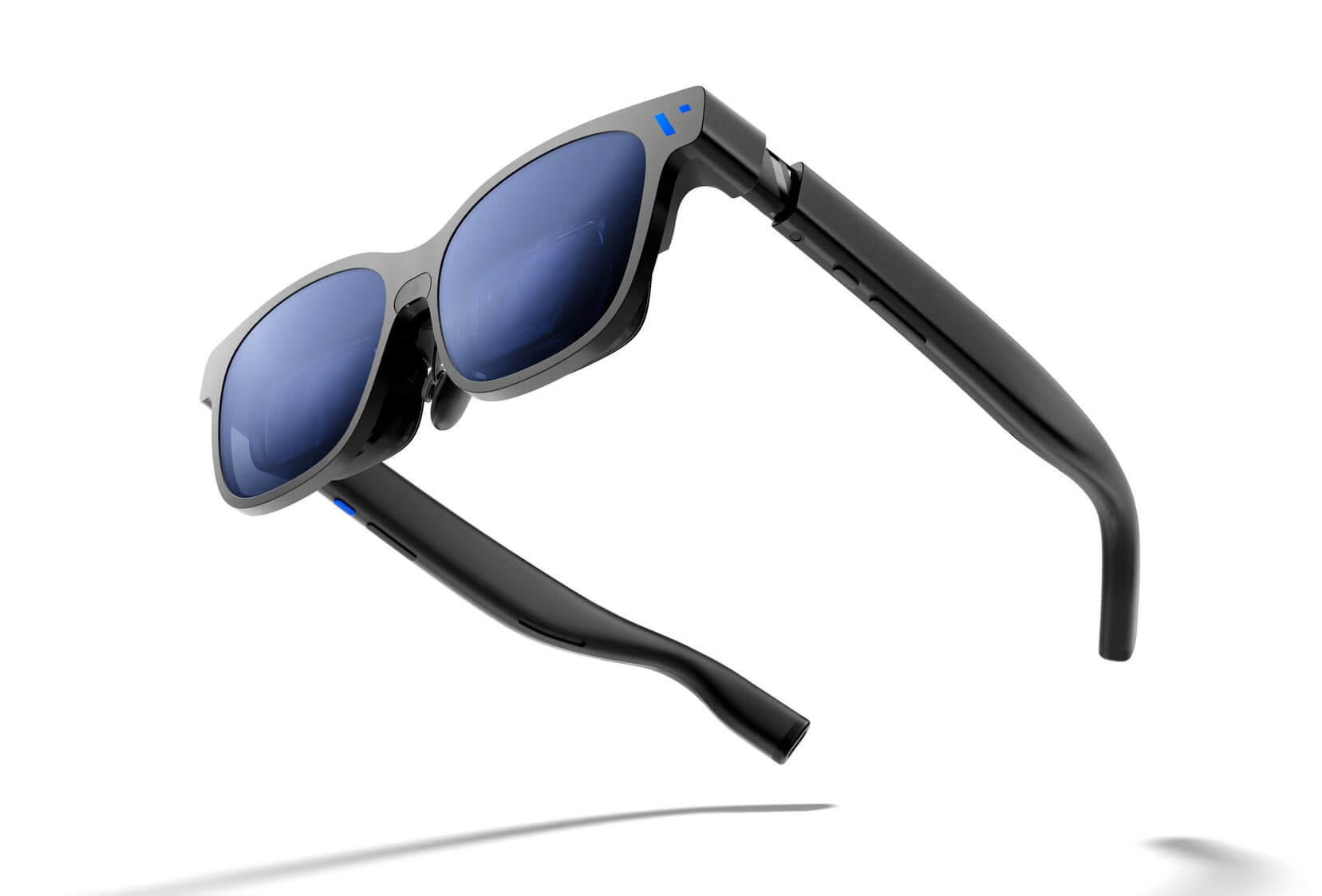
What makes the Viture Beast XR worth considering?
(Source: Viture)
Two things: built-in myopia adjustment (prescription users can dial in correction without custom inserts), and the Sony micro-OLED panel. Tom's Guide praised its display quality, highlighting the Sony micro-OLED as among the sharpest in the category. " — specifically citing micro-OLEDs that are "the best I've seen, both in brightness, resolution and field of view." If display quality is the deciding factor, Viture Beast is the benchmark.
What's Coming: The AR Glasses Launches That Will Change Everything
The current landscape is impressive. What's coming is a different order of magnitude.
Google + Samsung Android XR Glasses were officially revealed at Google I/O 2026. Two models — co-designed with Gentle Monster and Warby Parker — launching in Fall 2026 with audio and camera first, display version planned for 2027. Tight Gemini integration, Maps, Translate, and the entire Android ecosystem. This is the Android moment for smart glasses.
Xreal Project Aura, the first Android XR display glasses, is due before the end of 2026. This combines Xreal's proven display tech with Google's platform — a meaningful upgrade from the current USB-C tethering model.
Snap Specs (standalone, ~$2,500) is targeting Fall 2026, following the acquisition of spatial AR company Illumix for its mapping technology. Snap is serious this time.
Meta Orion consumer version is on the 2027–2028 roadmap. The developer preview that Meta showed in 2024 — holographic displays, 70° FOV, neural wristband input — signals what a true mixed reality consumer device looks like.
Apple smart glasses are reportedly targeting a late-2026 reveal with a 2027 retail launch. Apple has shifted resources away from a lighter Vision successor (pushed to 2028) toward a glasses form factor.
For eyewear brands, the growth of this category makes AI-powered virtual glasses try-on not just a nice feature but a baseline retail expectation.
How Does the AR Glasses Wave Affect Beauty and Fashion Brands?
Here's the strategic question most roundups skip: if tens of millions of consumers are soon wearing AR displays on their faces, what does that mean for how they shop for beauty products, eyewear, and fashion accessories?
It means the try-before-you-buy expectation goes from a nice-to-have website feature to an ambient, always-on behavior. Consumers with display AR glasses will expect to see how a lipstick shade, a pair of sunglasses, or a hair color looks on their reflection — without opening a dedicated app, without holding up a phone.
Brands that have already invested in AI-powered virtual try-on technology are the ones positioned to meet that moment. Perfect Corp's AI Glasses Try-On lets eyewear brands and retailers deploy photorealistic, AI-powered frame try-on at scale — on web, mobile, and in-store. As the AR glasses hardware ecosystem expands, that same underlying technology becomes the connective tissue between what consumers are wearing and what they're buying.
Why does virtual try-on matter more as AR hardware spreads?
AR hardware raises the consumer's expectation bar. Someone who has just used Rokid's real-time Gemini overlay to navigate a city will not be satisfied with a static product photo on an eyewear website. They expect interactivity. Brands without a virtual try-on layer will feel dated in an AR-native retail environment.
How are beauty brands using AI try-on technology right now?
The leading deployments combine multiple AI modalities in a single consumer experience: virtual makeup try-on, skin analysis, and glasses try-on within a single session. Technologies like Perfect Corp's AI Makeup Try-On and AI Skin Analysis are already embedded in major retail and beauty brand platforms, enabling personalized recommendations at scale. According to Snap and Deloitte research, 69% of consumers say AR try-on increases their confidence when buying online — a number that only climbs as the hardware gets better.
Perfect Corp's AI-Powered Virtual Try-On for Glasses gives brands a fast path to photorealistic, browser-based frame try-on with automatic pupillary distance detection — no app download required.
What Should Eyewear Brands Do Right Now?
The AR glasses market is moving fast, but the window for brands to build a first-mover advantage in virtual try-on is still open. Here's the practical priority stack:
- Deploy AI-powered glasses try-on on your e-commerce site. The baseline expectation for eyewear retail is shifting fast. 3D model-based try-on, not photo overlays, is now the table stakes.
- Integrate skin analysis with eyewear recommendations. Face shape analysis and skin tone detection can drive smarter frame recommendations — reducing returns and increasing average order value.
- Monitor the Android XR glasses launch cadence. Brands with existing AR try-on APIs will be best positioned to extend those experiences to Android XR-native surfaces when the developer ecosystem opens up later in 2026.
- Think platform, not just app. The brands that will win in the AR-native retail era are those building try-on as an API-accessible capability rather than a one-off website widget.
Perfect Corp's AI technology stack — covering glasses try-on, makeup simulation, skin analysis, and jewelry try-on — is already powering exactly this kind of platform approach for beauty and fashion brands globally. Explore what AI try-on looks like in practice.
Frequently Asked Questions About AR Glasses in 2026
What is the best AR glasses brand in 2026?
It depends on your priority. For everyday wearability, Ray-Ban Meta Gen 2 is widely adopted. For micro-LED display, Rokid Glasses is a strong contender. For screen size and display quality, Viture Beast XR and Xreal One Pro are worth evaluating.
Are AR glasses worth buying in 2026?
Yes, with one caveat: the platform wave (Android XR, Apple smart glasses) lands in late 2026 and 2027. If you buy now, buy the current mature devices for what they do today — don't try to future-proof at this price point. The Ray-Ban Meta Gen 2, Rokid Glasses, and Xreal One Pro all deliver genuine value right now.
What is the difference between smart glasses and AR glasses?
Smart glasses the broader category. AR glasses technically mean glasses with an actual display that overlays digital content onto your real-world view (Rokid, Xreal, Viture). AI glasses like Ray-Ban Meta have no display but pack cameras and AI assistance. Both are colloquially called "smart glasses" in 2026.
What AR glasses does Google make in 2026?
Google is not selling branded consumer AR glasses yet. Google's strategy in 2026 is platform-first: Android XR powers third-party hardware from Samsung, Xreal (Project Aura), and eventually more OEMs. The first Android XR glasses were revealed at Google I/O 2026 in partnership with Samsung, Gentle Monster, and Warby Parker, launching in Fall 2026 with camera and audio first.
Will Apple release AR glasses in 2026?
Apple has reportedly shifted its AR wearables roadmap toward smart glasses (as opposed to a lighter Vision Pro), with a late-2026 reveal and 2027 retail launch as the current target. As of June 2026, no Apple smart glasses have been officially announced.
How do AR glasses affect eyewear retail?
AR glasses are both a product category within eyewear and a driver of new consumer expectations across the category. As display AR glasses go mainstream, consumers will expect more interactive, try-before-you-buy experiences from all eyewear brands — not just those selling smart frames. AI-powered virtual glasses try-on technology is the infrastructure brands need to meet that expectation.
What is virtual glasses try-on and how does it work?
Virtual glasses try-on uses computer vision and AI to detect a user's face shape and landmark points, then render a photorealistic 3D model of a glasses frame on their live video feed. The best implementations — like Perfect Corp's AI Glasses Try-On — use precise face mesh tracking to simulate how frames sit on the nose, wrap around the ears, and interact with facial features under different lighting conditions. Retailers typically deploy this as a web or app feature that requires no download.