Author:
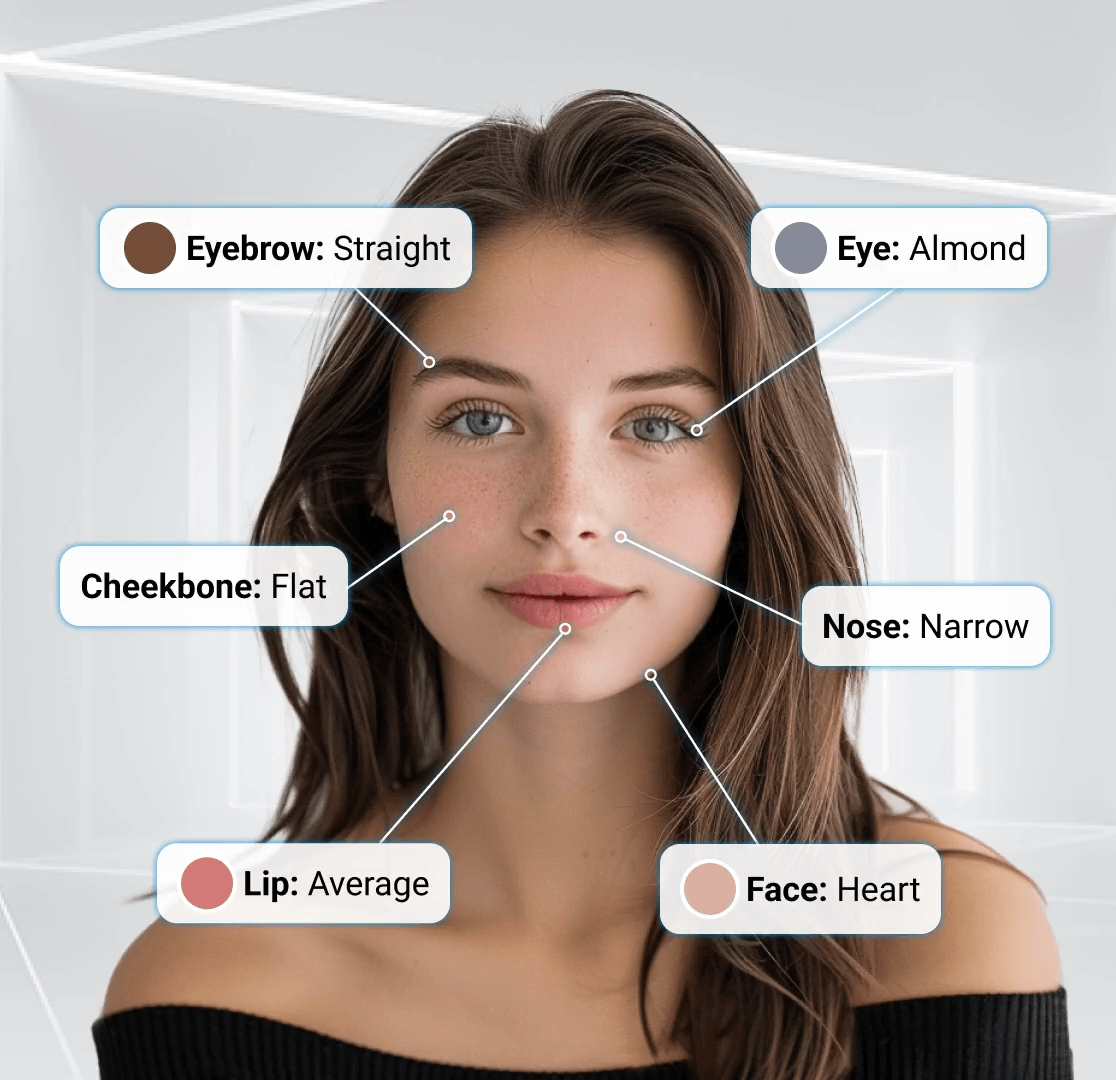
A face checker focuses on visible facial attributes and structure, such as face shape, feature characteristics, and proportions. A skin analyzer focuses on visible skin concerns and condition indicators, such as texture, pores, wrinkles, pigmentation, and acne.
Both can support personalized beauty experiences, but they answer different customer questions. A face checker is generally suited to feature-led discovery, including makeup, eyewear, and hairstyle exploration. A skin analyzer is generally suited to skincare discovery and concern-led consultation.
For a broader explanation of face and skin imaging technology, read our guide to face imaging analysis. For developer-focused API capabilities and implementation guidance, see our guide to face analysis APIs.
Photo-based face and skin analysis can support beauty discovery and consultation. It is not a medical diagnosis and should not be used to diagnose, treat, or monitor a health condition.
Face Checker vs. Skin Analyzer: The Core Difference
The simplest distinction is the type of visual information each tool is designed to organize. A face checker centers on facial features and proportions. A skin analyzer centers on visible skin conditions and concerns. The tools can complement one another, but neither replaces a medical or dermatological evaluation.
| Consideration | Face Checker | Skin Analyzer |
|---|---|---|
| Primary focus | Visible facial features, attributes, shape, and proportions | Visible skin concerns and condition indicators |
| Typical customer question | “Which makeup look, hairstyle, or eyewear style would I like to explore?” | “Which skincare concerns would I like to understand or address in my routine?” |
| Typical beauty use case | Makeup discovery, virtual try-on, eyewear exploration, feature-led styling | Skincare product discovery, consultation support, skin-concern education |
| Common outputs | Face shape, visible feature attributes, proportions, and tones | Visible texture, pores, wrinkles, pigmentation, acne, and other skin indicators |
| Best fit | Color cosmetics, hair, eyewear, accessories, and style-led retail journeys | Skincare, dermatology-adjacent consultation, and concern-led beauty journeys |
Explore Perfect Corp.’s AI Face Analyzer for face-attribute and proportion capabilities, or learn about AI Skin Diagnostic technology for visible skin analysis.
When to Use a Face Checker
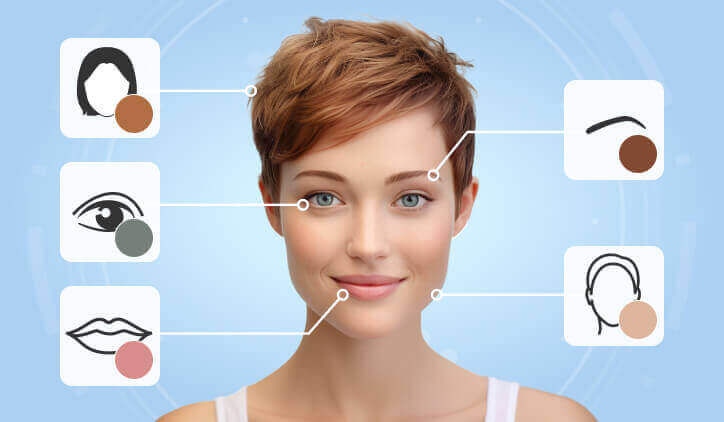
A face checker is most useful when a customer’s next decision is related to visible facial attributes or style exploration. It can provide a structured starting point for a customer who wants to compare looks, learn about face-shape categories, or navigate a virtual try-on experience.
- Color cosmetics: Help customers explore virtual makeup looks and feature-led product discovery.
- Eyewear: Support frame exploration informed by face-shape categories and personal style preferences.
- Hair and styling: Help users compare hairstyle, color, and accessory options.
- Beauty consultation: Give advisors and customers a shared visual reference for discussing styling preferences.
Use language that supports exploration rather than evaluation. For example, invite a customer to “explore looks based on your face shape” rather than claiming that a tool can identify the one “best” style for their face.
When to Use a Skin Analyzer
A skin analyzer is more appropriate when the customer journey begins with skincare concerns. It can help structure a conversation around visible skin indicators and support product discovery, education, and advisor-led consultation.
- Skincare routines: Help customers explore products aligned with visible concerns such as dryness, texture, pores, or uneven tone.
- In-store consultations: Support a more informed conversation between an advisor and customer.
- Digital skin education: Guide users through a clearer product-discovery path based on the concerns they choose to explore.
- Routine follow-up: Create a consistent visual reference for ongoing beauty consultations, where appropriate.
Skin-analysis output should be described as cosmetic or visible-skin information, not a medical diagnosis. Brands should refer customers to qualified healthcare professionals for medical skin concerns.
When to Use Both Tools
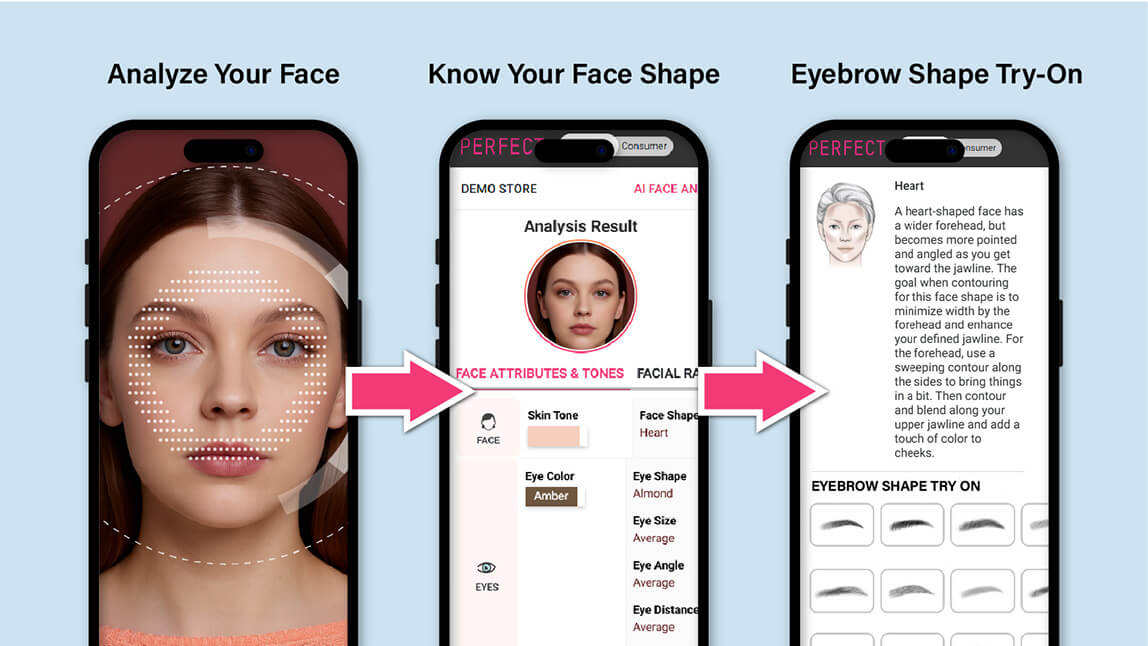
A combined experience can be helpful when a brand offers both skincare and color cosmetics, or when a consultation is designed around multiple beauty goals. The key is to avoid presenting every analysis at once. Instead, ask the customer what they want to explore, then provide the relevant tool and clear next step.
For example, a beauty retailer might begin with a customer choosing between “find a foundation shade,” “explore makeup looks,” and “build a skincare routine.” A face checker can support the first two pathways; a skin analyzer can support the skincare pathway.
How to Select the Right Tool for Your Brand
Choose the tool based on the customer decision you are trying to support—not simply because facial analysis technology is available.
- Identify the customer moment. Is the user exploring makeup, eyewear, hair, skincare, or a broader beauty consultation?
- Define the desired outcome. Decide whether the experience should lead to virtual try-on, product discovery, advisor support, or education.
- Choose the relevant analysis. Match face checking to feature-led experiences and skin analysis to skincare-led experiences.
- Design the next step. Give customers a clear, optional action after the analysis, such as trying a look, viewing compatible products, or booking a consultation.
- Review technology requirements. For API features, integrations, and developer setup, read our face analysis API guide.
Responsible Deployment Considerations
Face and skin analysis experiences should be designed with customer choice, consent, and clear communication in mind. Explain why an image is requested, how it will be used, what the output can and cannot indicate, and how users can proceed without submitting a photo where feasible.
- Use non-judgmental, inclusive language that does not frame facial features or skin concerns as flaws.
- Obtain appropriate consent before collecting or processing facial images.
- Provide transparent privacy, retention, and data-handling information.
- Do not present beauty analysis as a medical assessment or promise specific results.
- Ensure expert and legal review for local privacy, biometric-data, and advertising requirements.
To explore face and skin analysis experiences for your business, visit AI Face Analyzer, explore AI Skin Diagnostic, or contact Perfect Corp.’s team.
Frequently Asked Questions
What is a face checker?
A face checker is a photo- or camera-based tool that organizes visible facial attributes, such as face shape, feature characteristics, and proportions. In beauty, it can support feature-led product discovery, virtual try-on, and style exploration.
What is the difference between a face checker and a skin analyzer?
A face checker focuses on facial features and proportions, while a skin analyzer focuses on visible skin concerns and condition indicators. Brands can use either tool independently or combine them when the customer journey includes both styling and skincare goals.
Should a beauty brand use a face checker or a skin analyzer?
Use a face checker for makeup, hairstyle, eyewear, accessory, and feature-led experiences. Use a skin analyzer for skincare discovery, visible-skin education, and consultation support. The right choice depends on the customer decision the experience is intended to support.
Can face and skin analysis tools diagnose a medical condition?
No. These tools can support cosmetic discovery and consultation but are not medical diagnostic tools. Customers with medical concerns should seek advice from an appropriately qualified healthcare professional.
How can a brand add face analysis to a website or app?
Brands evaluating face-analysis technology should review the relevant capabilities, privacy requirements, and implementation approach for their use case. For technical setup guidance, read our guide on face analysis API.