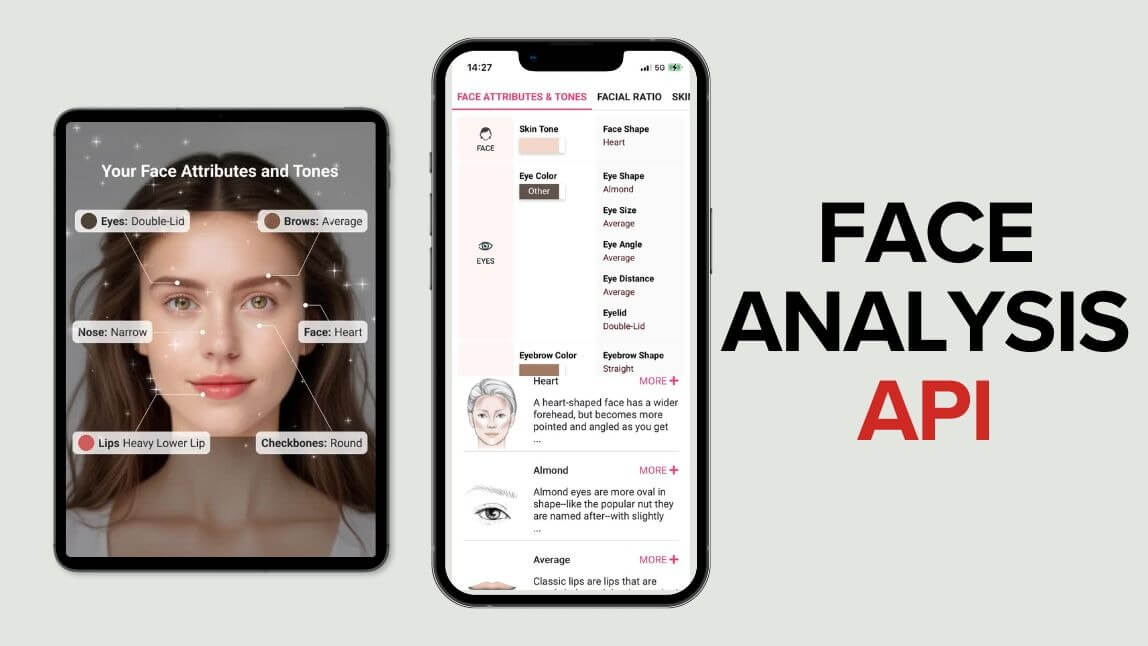
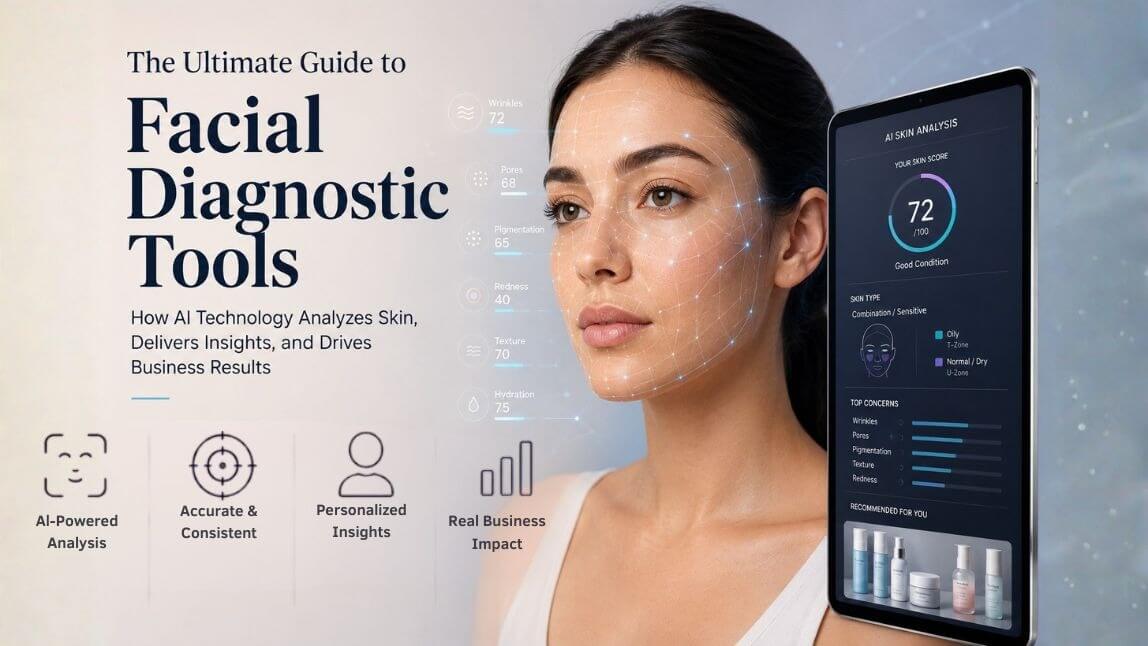
Author:


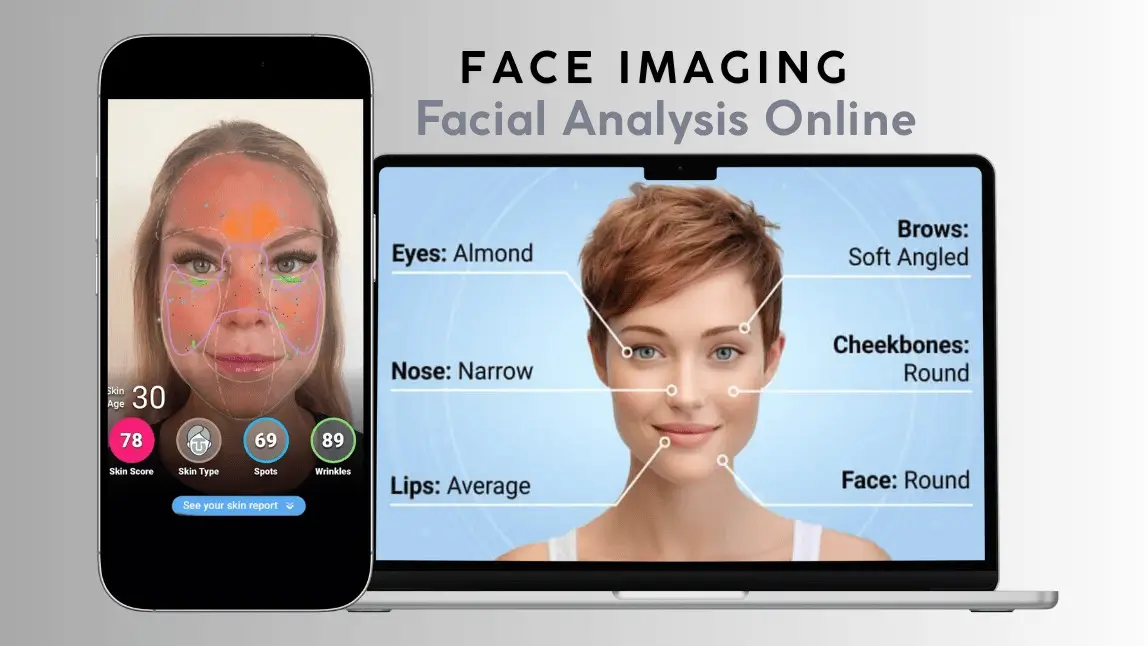
Face imaging helps beauty brands turn a customer photo into a more relevant discovery experience. When used responsibly, face and skin imaging can guide shoppers toward virtual try-on, product education, advisor-supported consultation, and recommendations that better match the beauty goal they choose to explore.
The commercial value is not the image analysis alone. It is the customer journey built around it: clear consent, a useful result, a relevant next step, and measurement of whether the experience improves engagement, product discovery, and conversion.
This guide focuses on the business case for face imaging. If you are deciding between face-feature analysis and skin analysis, read our face checker vs. skin analyzer guide. For API capabilities and technical implementation considerations, see our face analysis API guide.
Face and skin imaging can support cosmetic discovery and consultation. It is not a medical diagnosis, and outcomes depend on the experience design, customer context, product assortment, and implementation.
The Business Case for Face Imaging
Beauty shoppers often face a discovery problem: a large assortment, limited ability to test products online, and uncertainty about where to begin. Face imaging can make that first step more relevant by helping a brand organize an experience around the shopper’s stated goal.
For example, a customer may want to explore a makeup look, compare eyewear styles, find a foundation shade, or build a skincare routine. The imaging experience should direct the customer to the most relevant next interaction instead of presenting a generic product grid.
The potential commercial value comes from connecting the insight to a useful customer action: virtual try-on, product comparison, a routine builder, an advisor consultation, or a relevant category page. The value should be evaluated through the brand’s own performance data rather than assumed from the technology alone.
Customer Journeys Face Imaging Can Support
Face imaging can support different journeys depending on the brand’s category, product catalog, and channel. The strongest experiences begin with a customer goal and use imaging only where it adds useful context.
| Customer goal | Face imaging role | Useful next step | Example metrics |
|---|---|---|---|
| Explore makeup looks | Support virtual try-on and feature-led product discovery | Save a look, compare products, or add selected items to cart | Try-on starts, product views, add-to-cart rate, conversion rate |
| Find a complexion product | Support shade and tone exploration within the available assortment | View matching shades, compare coverage or finish, request guidance | Product-detail views, shade selection, add-to-cart rate, return reasons |
| Explore skincare | Support visible-skin education and concern-led product discovery | View a routine, compare ingredients, or book a consultation | Routine completions, consultation bookings, repeat visits, product attachment rate |
| Compare eyewear or accessories | Support virtual fitting and style exploration | Try frames, save favorites, or proceed to purchase | Try-on engagement, favorites, checkout progression, conversion rate |
| Prepare for an advisor consultation | Provide a shared visual reference for a customer-led discussion | Book an appointment or review options with an advisor | Appointment bookings, consultation completion, customer feedback |
If your priority is selecting the right type of analysis for a specific customer journey, see our face checker vs. skin analyzer guide.
Designing a Conversion Path
An imaging experience should not end with a report. Build a clear path from the customer’s chosen goal to an optional next step. This makes the experience more useful to shoppers and gives the business a meaningful way to evaluate performance.
- Start with a customer goal. Let customers choose what they want to explore: makeup, complexion, skincare, eyewear, or a consultation.
- Set expectations before image capture. Explain what the tool can show, how the image will be used, and what it cannot determine.
- Present a focused result. Avoid overwhelming shoppers with every possible attribute or recommendation at once.
- Offer a relevant next action. Connect the result to try-on, product comparison, category browsing, routine discovery, or advisor support.
- Measure the full journey. Track whether the experience creates meaningful customer action rather than measuring photo uploads alone.

How to Measure Face Imaging Performance
ROI should be measured against a defined business objective and compared with an appropriate baseline. A meaningful evaluation considers both engagement with the experience and downstream customer behavior.
| Business objective | Metrics to monitor | What the data can help evaluate |
|---|---|---|
| Improve product discovery | Feature-use rate, product-detail views, search refinement, saved products | Whether the experience helps customers find relevant products more efficiently |
| Increase shopping engagement | Try-on sessions, time in experience, repeat interactions, look saves | Whether customers find the experience useful enough to continue exploring |
| Support conversion | Add-to-cart rate, checkout progression, conversion rate, assisted conversion | Whether users who engage with the experience take a meaningful purchase action |
| Support consultation | Appointment bookings, consultation completion, advisor adoption, customer feedback | Whether the tool supports a more productive advisor-customer conversation |
| Improve post-purchase learning | Return reasons, product reviews, repeat purchase, support contacts | Whether the customer journey is setting appropriate product expectations |
Use controlled testing where feasible. Compare similar audiences, products, or traffic periods, and account for promotion activity, inventory changes, seasonality, channel mix, and creative changes before attributing results to face imaging alone.
Implementation and Governance Considerations
A face imaging experience is both a customer-experience and data-governance decision. Before launch, brands should align product, marketing, legal, privacy, customer support, and technical teams around the intended use case.
- Customer value: Define the shopper problem the experience is meant to solve.
- Consent and transparency: Explain why an image is requested, how it will be processed, and what choices the customer has.
- Inclusive language: Avoid framing facial attributes or visible skin concerns as flaws, rankings, or universal beauty standards.
- Experience design: Ensure recommendations are relevant to the available product catalog and customer goal.
- Measurement plan: Establish success metrics and baseline performance before launch.
- Technical planning: For API capabilities, integration requirements, and implementation guidance, read our face analysis API guide.
To explore how Perfect Corp. can support face and skin imaging experiences, visit AI Face Analyzer , explore the Skin Imaging System , or contact our team.