 Author:


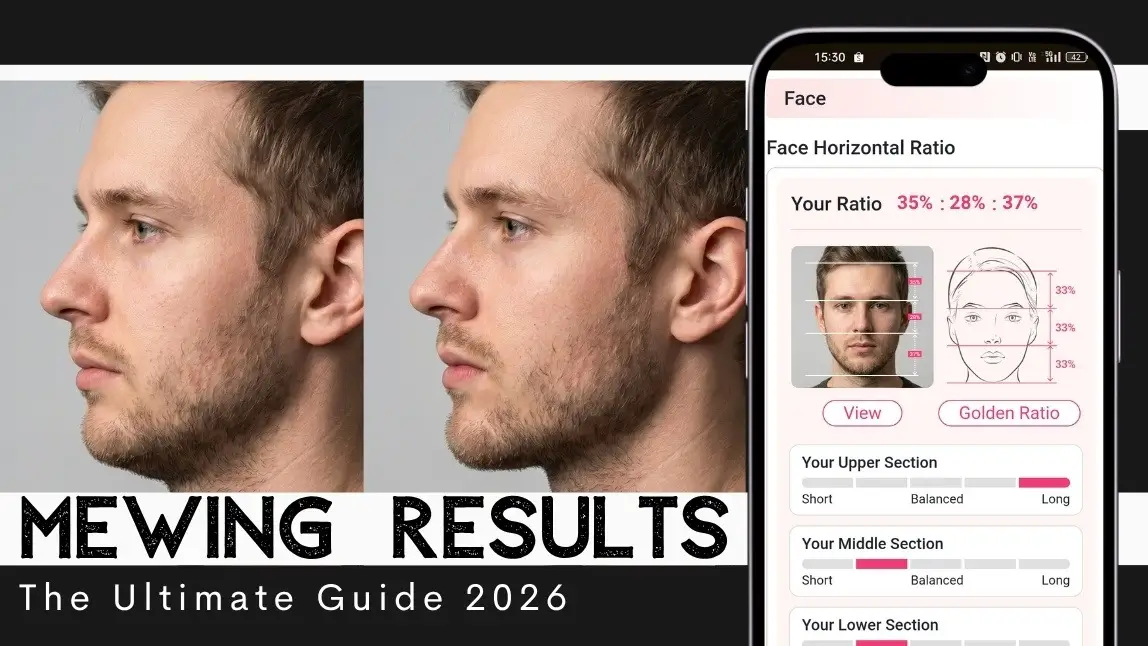
Few wellness trends have generated as much online debate as mewing. The before-and-after photos look dramatic. The community testimonials are confident. And the scientific establishment is, to put it diplomatically, unconvinced.
This guide gives you an honest breakdown: the science, the realistic outcomes, the context the viral content skips, and where AI aesthetic simulation is changing how people approach these questions in 2026.
What Is Mewing?
Mewing is a tongue posture practice developed and popularized by British orthodontist Dr. John Mew and his son Dr. Mike Mew. The core technique involves resting the entire tongue, not just the tip, flat against the roof of the mouth (the palate) as a default resting position, rather than allowing it to rest on the floor of the mouth or against the teeth.

The theoretical mechanism: consistent upward tongue pressure on the palate, applied over months or years, gradually reshapes the upper jaw, widens the arch, and, according to proponents, improves overall facial structure including jawline definition, cheekbone prominence, and side profile.
The technique itself is straightforward. The claims attached to it are considerably more contested.
Mewing Results: What People Report vs. What Science Says
The gap between anecdotal mewing results and scientific evidence is real, and understanding it is essential for setting realistic expectations.
What people report
Online communities and testimonial videos document a range of claimed mewing results, including improved jawline definition, reduced double chin, better facial symmetry, improved side profile, wider palate, and more prominent cheekbones. Many practitioners report these changes after six months to two years of consistent practice. The most dramatic transformations tend to come from adolescents and young adults.
What the science says
The American Association of Orthodontists, the British Orthodontic Society, and multiple systematic reviews have concluded that there is currently no peer-reviewed clinical evidence demonstrating that mewing reshapes adult facial bone structure. The scientific concerns are direct:
- The forces generated by tongue resting pressure are well below the threshold needed to move adult cortical bone
- Adult cranial sutures are fused, limiting the palatal expansion possible in children
- Most compelling mewing before-and-after photos involve adolescents whose faces change substantially due to puberty, independent of any tongue technique
- Subjective improvement in jaw appearance can often be explained by posture changes, weight loss, and improved photo angles rather than structural bone changes
The honest scientific position: for adults, mewing is unlikely to produce bone-level changes. The mechanism may have more validity for children and adolescents whose palatal sutures are still open, which is the basis of established orthotropic treatment in pediatric dentistry.
What Mewing Results Are Actually Achievable, and for Whom?
The most useful frame for mewing results isn't "does it work yes or no" — it's "what's actually changing, and for whom?"

For children (ages 5–12)
This is where the evidence is strongest. The palatal sutures in young children are still open and actively growing.
Consistent correct tongue posture during this developmental window may genuinely influence palate width, upper arch shape, and, indirectly, the forward development of the midface.
Pediatric dentists and orthodontists working in myofunctional therapy incorporate tongue posture training into treatment plans for this age group. This isn't controversial — it's standard orthopedic practice.
For teenagers
Adolescence is a period of active facial bone growth, and the evidence for tongue posture influence is more plausible here than in adults, though still limited in rigorous study.
Many of the most convincing mewing transformations show teenage subjects whose natural facial development was occurring simultaneously, making it methodologically difficult to isolate mewing's specific contribution.
For adults
For adults with fused cranial sutures, the evidence does not support claims of structural bone change from tongue resting posture alone.
What adults may genuinely achieve includes improved head and neck posture, mild toning of the suprahyoid muscles affecting the submental area, breathing improvements if there were pre-existing mouth-breathing habits, and cosmetic jawline appearance changes from postural and muscular effects.
These are not nothing, but they're fundamentally different from the bone-level jaw reshaping that viral mewing content typically claims.
How Long Does Mewing Take to Show Results?
Timeline claims vary wildly in online discussions. Based on practitioner reports and community data:
| Timeframe | What May Be Observable | Likely Mechanism |
|---|---|---|
| 2–4 weeks | Improved posture, changed resting expression | Postural and muscular adjustment |
| 3–6 months | Subtle changes in submental appearance, neck posture | Muscular conditioning, posture improvement |
| 1–2 years | More defined jawline appearance (in some cases) | Posture + muscle + potentially structural (adolescents/children) |
| Ongoing | Maintenance of achieved changes | Habitual tongue posture maintenance |
For adults, the honest expectation is modest cosmetic improvement from postural correction, not a jaw transformation.
For children in the right developmental window with professional guidance, outcomes may be more significant.
What Actually Works for Jawline Improvement?
For people whose ultimate goal is a more defined jawline or improved facial structure, there are evidence-backed options across a spectrum of intervention levels.
Body composition
The single most effective intervention for jawline appearance in most adults is reducing overall body fat percentage, particularly in the submental region. Even modest changes in body composition produce visible improvements in jawline definition that no tongue posture technique can replicate.
Facial exercises and myofunctional therapy
Targeted exercises for the masseter, digastric, and suprahyoid muscle groups can improve muscle tone in the jaw area. Myofunctional therapy has genuine clinical evidence behind it for breathing, swallowing, and speech issues, with cosmetic benefits as secondary effects in some cases.
Non-surgical aesthetic procedures
Masseter botulinum toxin injections, dermal fillers for chin projection and jawline definition, and submental fat reduction treatments are evidence-based options for changing jawline appearance without surgery.
Surgical options
For significant structural changes, orthognathic surgery, genioplasty, and mandibular angle implants provide permanent, structurally meaningful results. These require full surgical evaluation and are major procedures — not incremental lifestyle adjustments.
How AI Aesthetic Simulation Is Changing the Conversation
One of the most significant challenges in any aesthetic journey, whether mewing, filler, or surgical consultation, is visualizing what the outcome might actually look like before committing. This is exactly where AI aesthetic simulation is creating real value.
Seeing before deciding

AI-powered facial simulation tools can generate realistic visualizations of structural changes, jawline projection, chin definition, midface lift, profile improvement, from a standard photo.
This gives people a concrete reference point for what their aesthetic goals actually look like on their specific face, rather than comparing against generic ideals or other people's before-and-after photos.
Supporting consultation at clinical and brand levels
Beauty brands, medspa operators, and aesthetic clinics are increasingly integrating
AI facial analysis and simulation into their consultation experiences.
A patient considering chin filler can see a projected outcome.
A skincare customer can understand which products address which specific anatomical concerns.
A consumer drawn in by mewing content can be redirected toward evidence-based approaches that match their actual goals.
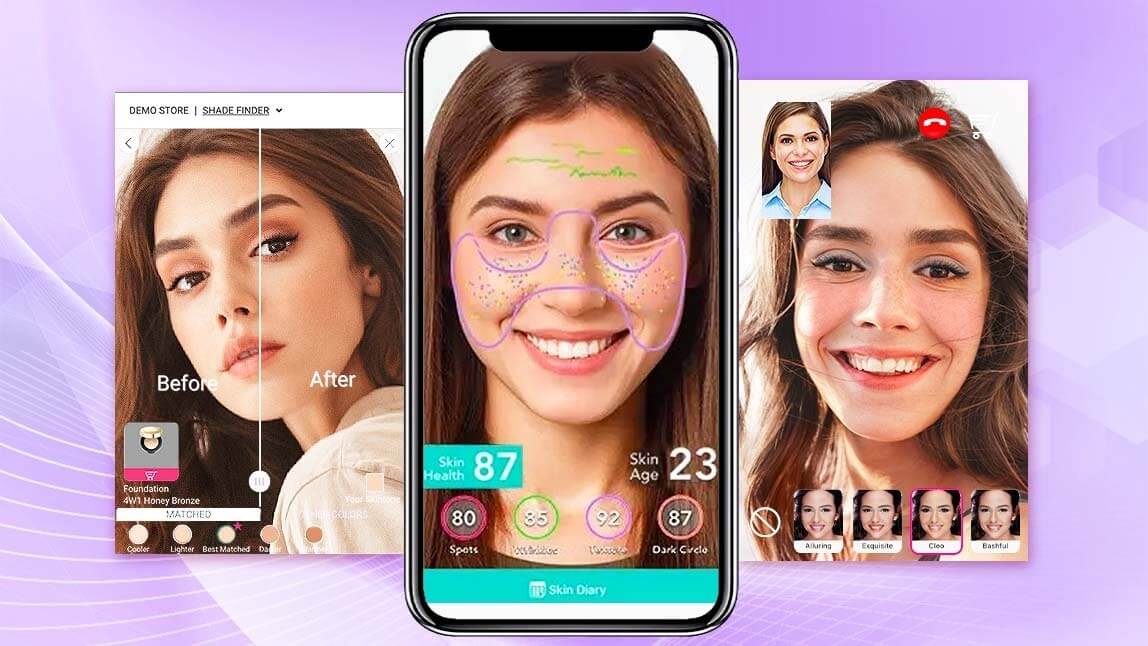
See how brands are deploying AI aesthetic simulation in real beauty retail and clinical contexts, from virtual consultations to pre-treatment visualization tools.
Mewing in 2026: What's Still Worth Knowing
The interest in mewing is, at its core, interest in facial self-improvement. People who discover mewing are actively thinking about their facial structure, researching aesthetic changes, and considering interventions.
That's a high-intent audience, one that responds to honest, expert-level content about what actually changes facial structure and how.
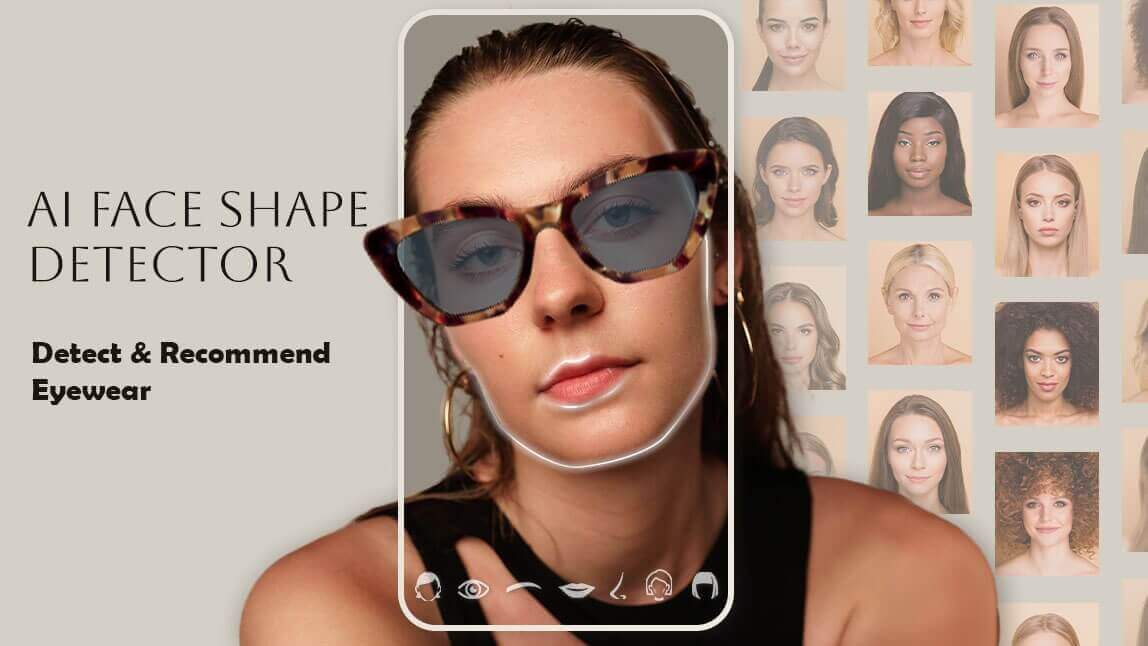
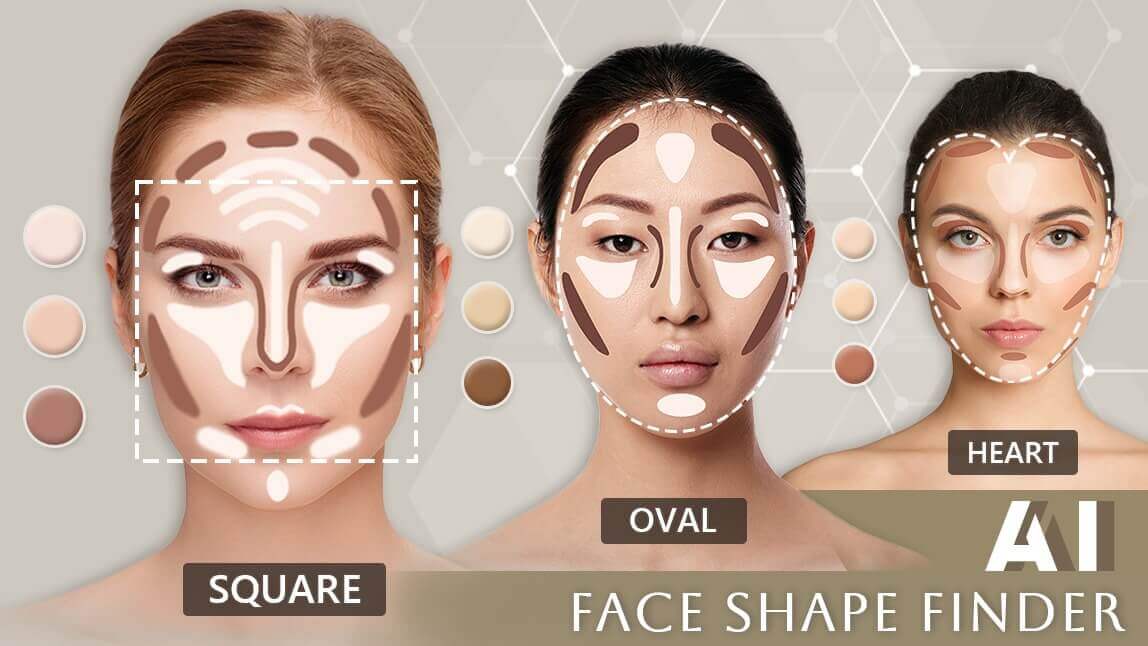
AI can detect facial features to recommend hairstyles, makeup, and glasses.
Brands and practitioners who meet that audience with accurate, empathetic information, and tools that help people see and understand their own face, are positioned to build real trust with exactly the consumers most interested in facial aesthetics technology.
Frequently Asked Questions About Mewing Results
Does mewing actually work?
The scientific evidence for mewing's ability to change adult bone structure is not established. Current consensus from the American Association of Orthodontists and other dental bodies is that there's insufficient clinical evidence to support structural transformation claims.
For children in active facial development, tongue posture training has more plausible mechanisms and some clinical support.
For adults, achievable results are primarily postural and muscular, not structural.
How long does mewing take to see results?
Most community reports describe subtle changes after 3–6 months of consistent practice, with more notable changes (in teenagers and children) reported after 1–2 years.
For adults, visible changes, if they occur, are more likely related to posture improvement and submental muscle tone than bone-level change.
What does mewing do to your face?
For adults: mewing may improve head and neck posture, reduce forward head position that visually compresses the jaw, and mildly tone the muscles of the submental region. These changes can improve how the jawline appears without changing the underlying bone structure.
For adolescents: effects may extend to palate width and forward facial development if practiced consistently during growth years.
Is there any before-and-after proof that mewing works?
There are thousands of before-and-after photos online. Most compelling transformations involve adolescents whose faces were still actively developing.
Adult transformations are harder to interpret because they often coincide with weight loss, posture changes, improved photo technique, and general self-improvement habits, all of which affect jawline appearance independently of tongue posture.
Can mewing change your jawline permanently?
For children and adolescents, habitual tongue posture during development may have lasting effects on palate shape and facial development.
For adults, any cosmetic changes from postural and muscular improvements may diminish if the practice is discontinued. Permanent structural change in adult bones from tongue pressure alone is not supported by current evidence.
What's the best alternative to mewing for jawline improvement?
For adults seeking genuine, measurable jawline improvement: body fat reduction (the most impactful for most people), facial exercise and myofunctional therapy for muscular tone, non-surgical treatments like filler and chin augmentation, and, for significant structural changes, orthognathic surgery or genioplasty.
AI aesthetic simulation tools can help visualize potential outcomes before pursuing any intervention.
How can beauty brands address the mewing trend?
Brands can engage the large audience attracted by mewing content by providing accurate, science-backed information about facial anatomy and aesthetics, offering AI facial analysis tools that help consumers understand their own facial structure objectively.