 Author:
 ![The Ultimate Guide to API Types [2025/2026]](https://plugins-media.makeupar.com/smb/blog/post/2025-12-12/webp_c8f46a32-a1be-4b6d-bc94-46af732bde89.jpg)
| Key Takeaway |
|---|
| This comprehensive guide dives deep into the various types of APIs (REST, SOAP, GraphQL, Webhooks, etc.), explaining their core functionalities, benefits, and real-world applications. It highlights how understanding different API architectures is crucial for modern digital innovation, particularly in the rapidly evolving beauty tech sector, showcasing how Perfect Corp. leverages these technologies to deliver hyper-realistic AI and AR experiences. |
In the electrifying pace of modern digital transformation, one acronym stands as the unsung hero, the invisible force powering almost every app, website, and smart device you interact with daily: API. But not all APIs are created equal. Understanding the diverse API types is not just for tech gurus; it's crucial for anyone navigating the landscape of digital innovation, especially in dynamic fields like AI-powered beauty technology.
Key Takeaway
- What Exactly is an API? The Digital Connector
- Why Understanding API Types Matters for Innovation
- RESTful APIs: The Web's Versatile Backbone
- SOAP APIs: The Enterprise Workhorse with Strict Rules
- GraphQL APIs: The Flexible Powerhouse for Modern Data
- Other Key API Types You Should Know: Webhooks, gRPC & More
- How Perfect Corp. Leverages Diverse API Architectures for Beauty Tech
- Real-World Impact: Transformative Use Cases in Beauty & Beyond
- The Immense Benefits of Modern API Integration
- Future Trends: The Evolving API Landscape
- Frequently Asked Questions (FAQ)
- Ready to Innovate with Perfect Corp. APIs?
What Exactly is an API? The Digital Connector
Imagine walking into a restaurant. You don't go into the kitchen to prepare your meal yourself; you tell the waiter what you want from the menu. The waiter takes your order, communicates it to the kitchen, and brings back your dish. In this analogy, you are the 'client,' the kitchen is the 'server' or 'system,' and the waiter is the Application Programming Interface (API).
An API is essentially a set of definitions and protocols that allows different software applications to communicate with each other. It acts as a messenger, delivering your request to a system and then sending the system's response back to you. This seamless communication is what enables everything from checking the weather on your phone to logging into an app with your social media account, or trying on virtual makeup with groundbreaking AR technology.
Why Understanding API Types Matters for Innovation
Just as there are different types of vehicles for different terrains and purposes, there are various types of APIs, each designed with specific strengths, weaknesses, and use cases. Understanding these distinctions isn't just academic; it's critical for:
- Efficiency: Choosing the right API type can significantly impact data transfer speeds and resource utilization.
- Performance: Optimized API design leads to faster loading times and smoother user experiences.
- Security: Different API architectures offer varying levels and methods of security, crucial for protecting sensitive data.
- Scalability: The right API can help your application grow without major overhauls.
- Developer Experience: Ease of integration and maintenance can accelerate development cycles.
- Business Agility: Rapidly adapt to new market demands by leveraging flexible integration options.
For businesses like Perfect Corp., which constantly push the boundaries of AI and AR in beauty, selecting the appropriate API types is paramount to delivering hyper-realistic, low-latency, and secure virtual try-on and diagnostic experiences.
RESTful APIs: The Web's Versatile Backbone
When most people talk about APIs in a modern context, they are often referring to RESTful APIs (Representational State Transfer). REST is not a protocol but an architectural style that outlines a set of constraints for how web services communicate.
How RESTful APIs Work
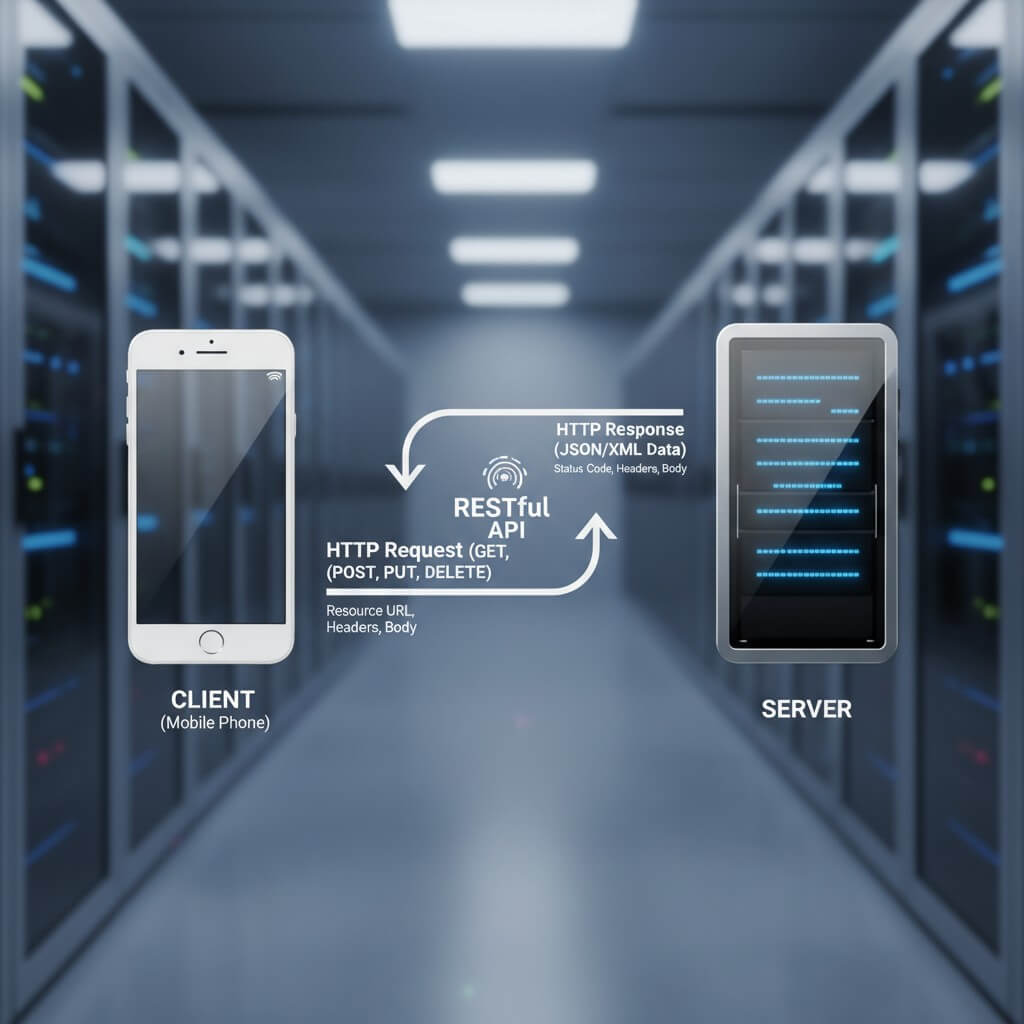
REST APIs are built on the HTTP protocol, making them incredibly intuitive for anyone familiar with the internet. They operate on the concept of 'resources,' which are typically identified by unique URLs. Clients (like your browser or a mobile app) interact with these resources using standard HTTP methods:
- GET: Retrieve data (e.g., get product information).
- POST: Create new data (e.g., submit a new user review).
- PUT: Update existing data (e.g., change your profile picture).
- DELETE: Remove data (e.g., delete an old item from your cart).
Each request from the client is stateless, meaning the server doesn't remember previous requests. Every request must contain all the information needed to process it. Responses are typically formatted in lightweight data interchange formats like JSON or XML.
Use Cases for RESTful APIs
- Web Services & Mobile Applications: Powering most websites and mobile apps, from social media feeds to e-commerce product listings.
- Cloud Services: Integrating with cloud storage, computing, and database services.
- IoT Devices: Enabling communication between smart devices and central systems.
- Perfect Corp.'s AI Services: Many of Perfect Corp.'s cutting-edge AI APIs, such as AI Skin Analysis or Virtual Try-On for makeup and hair, leverage REST principles due to their simplicity, scalability, and widespread browser compatibility. This allows brands and retailers to seamlessly integrate hyper-realistic beauty tech into their websites and apps.
Benefits of RESTful APIs
- Simplicity: Easy to understand and implement, using standard HTTP methods.
- Scalability: Stateless nature allows for easy distribution across multiple servers.
- Flexibility: Supports various data formats (JSON, XML, plain text).
- Widespread Adoption: Highly popular, with extensive tooling and community support.
SOAP APIs: The Enterprise Workhorse with Strict Rules
While REST is all about simplicity and flexibility, SOAP (Simple Object Access Protocol) is designed for robustness, security, and strict adherence to standards. It's an XML-based messaging protocol for exchanging structured information in web services.
How SOAP APIs Work
Unlike REST, SOAP is a protocol with strict rules. It uses XML for its message format, enveloped within a 'SOAP Envelope' that contains a header (optional, for metadata) and a body (the actual message). Communication often happens over HTTP, but it can also use other protocols like SMTP or TCP.
A key feature of SOAP is the Web Services Description Language (WSDL), an XML-based file that describes the operations a web service offers, its parameters, and the data types involved. This creates a tight contract between the client and the server, ensuring predictable interactions.
Use Cases for SOAP APIs
- Enterprise Applications: Common in large organizations for integrating complex business systems (e.g., ERP, CRM).
- Financial Services: Where security, reliability, and transaction integrity are paramount.
- Legacy Systems: Often used when integrating with older systems that require robust messaging.
- Government & Healthcare: Industries with stringent regulatory compliance and security needs.
Benefits of SOAP APIs
- Security: Built-in support for WS-Security, offering enterprise-level security features.
- Reliability: Supports ACID (Atomicity, Consistency, Isolation, Durability) transactions, ensuring data integrity.
- Formal Structure: WSDL provides a clear contract, making integration predictable and less error-prone.
- Protocol Agnostic: Can operate over various transport protocols, not just HTTP.
GraphQL APIs: The Flexible Powerhouse for Modern Data
Emerging as a powerful alternative to REST, GraphQL is a query language for your API, developed by Facebook. It offers a more efficient, powerful, and flexible approach to data fetching for clients.
How GraphQL APIs Work
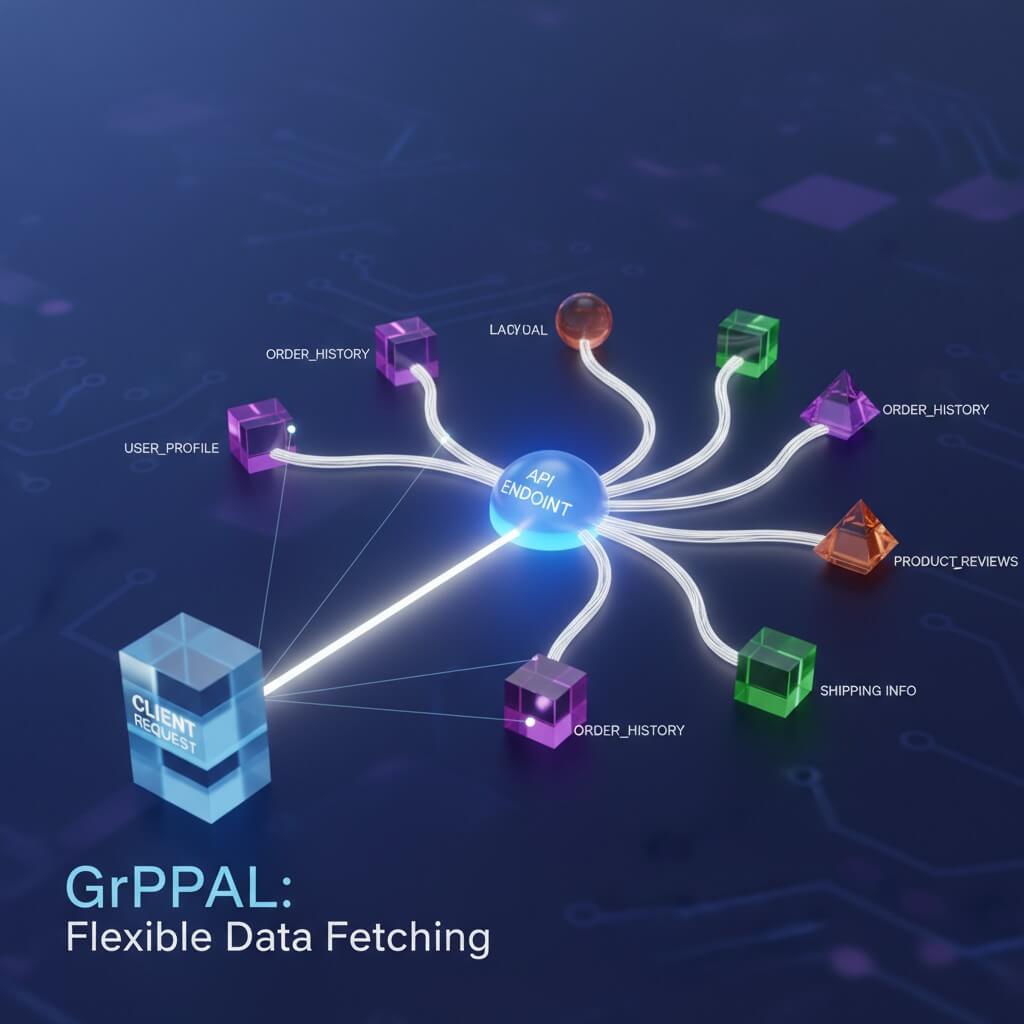
With GraphQL, the client sends a single query to a single endpoint, precisely specifying the data it needs. The server then responds with only that requested data, avoiding over-fetching (getting more data than you need) or under-fetching (needing multiple requests to get all the data). This client-driven approach contrasts sharply with REST, where servers define the resource structure.
GraphQL queries are declarative, meaning you describe what you want, and the GraphQL engine figures out how to get it. It also allows for 'mutations' (to modify data) and 'subscriptions' (for real-time updates).
Use Cases for GraphQL APIs
- Complex Data Requirements: Ideal for applications that need to fetch data from multiple sources or have rapidly changing data needs.
- Mobile Applications: Reduces payload size and network requests, crucial for mobile performance.
- Microservices Architectures: Can act as an API gateway, aggregating data from various backend services.
- Personalized Beauty Experiences: In scenarios requiring highly customized data retrieval for AI face analysis or nuanced virtual try-on preferences, GraphQL could offer superior efficiency by letting the client specify exactly which facial features, makeup product attributes, or hair styling parameters it needs, reducing bandwidth and improving responsiveness.
Benefits of GraphQL APIs
- Efficiency: Clients get exactly what they ask for, no more, no less, reducing network overhead.
- Fewer Round Trips: Often only one request is needed to get all necessary data.
- Faster Development: Frontend developers can iterate quickly without waiting for backend changes to endpoints.
- Strongly Typed Schema: Provides a clear contract between client and server, improving predictability.
Other Key API Types You Should Know: Webhooks, gRPC & More
Beyond the big three, several other API types play vital roles in various digital ecosystems:
- Webhooks: Event-Driven Communication
Instead of clients constantly polling a server for updates, webhooks allow the server to notify the client when a specific event occurs. Think of it as a reverse API call. When an event happens (e.g., a payment is processed, a user updates their profile), the server makes an HTTP POST request to a pre-configured URL (the webhook endpoint) on the client's side. This is perfect for real-time notifications and asynchronous integrations, like instantly updating a user's loyalty points after a purchase or triggering a skin analysis report once an image is uploaded. - gRPC: High-Performance Remote Procedure Calls
Developed by Google, gRPC is a modern, open-source Remote Procedure Call (RPC) framework that allows client and server applications to communicate transparently and build connected systems. It uses Protocol Buffers for efficient data serialization and HTTP/2 for transport, making it significantly faster and more efficient for internal microservices communication, especially for high-throughput, low-latency scenarios. - Microservices APIs: Internal Communication Powerhouses
In a microservices architecture, applications are built as a collection of small, independent services. Each service exposes its own API (often RESTful or gRPC-based) to communicate with other services. These internal APIs are crucial for the agility, scalability, and resilience that microservices offer, allowing different parts of a complex system to evolve independently. - WebSocket APIs: Persistent, Full-Duplex Communication
Unlike the request-response cycle of HTTP, WebSockets establish a persistent, two-way communication channel between a client and server. Once the connection is open, both can send data to each other at any time, making it ideal for real-time applications like chat apps, live dashboards, and multiplayer games.
How Perfect Corp. Leverages Diverse API Architectures for Beauty Tech
Perfect Corp. stands at the forefront of AI and AR innovation in the beauty and fashion industries. To deliver its hyper-realistic virtual try-on, precise skin analysis, and dynamic hair styling solutions, it strategically employs a blend of these API types.
- RESTful Power: For widespread accessibility and ease of integration, many of Perfect Corp.'s core AI services, like virtual makeup try-on or AI hair color change, are exposed via RESTful APIs. This allows brands and retailers to quickly embed these transformative experiences into their e-commerce platforms, mobile apps, and in-store kiosks with minimal friction. The simplicity and extensive documentation ensure developers can hit the ground running.
- Event-Driven Updates with Webhooks: Imagine a scenario where a brand wants to receive real-time notifications about user engagement with a virtual try-on session or specific diagnostic results from a skin analysis. Webhooks could be employed to trigger these updates, enabling immediate actions like personalized product recommendations or follow-up communications.
This intelligent combination ensures that Perfect Corp. can offer not only groundbreaking technology but also a robust, scalable, and developer-friendly platform for partners worldwide.

Ready to revolutionize your brand with cutting-edge AI and AR beauty tech? Explore Perfect Corp.'s comprehensive API solutions!
Real-World Impact: Transformative Use Cases in Beauty & Beyond
APIs aren't just technical constructs; they are powerful tools driving tangible business value and enhancing customer experiences across industries. Here's how:
For Brands & Retailers
- Seamless Virtual Try-On (VTO) Integration: Beauty brands can embed Perfect Corp.'s Makeup VTO API directly into their e-commerce sites, allowing customers to virtually try on products like lipsticks, eyeshadows, or hair colors. This dramatically boosts engagement, reduces return rates, and increases conversion.
- Personalized Product Recommendations: By connecting AI skin analysis APIs with CRM systems, brands can offer highly personalized product recommendations based on a user's unique skin concerns, leading to higher customer satisfaction and loyalty.
- Enhanced In-Store Experiences: Retailers can integrate AR try-on into smart mirrors or tablets, blurring the lines between online and offline shopping. APIs facilitate the instant loading of product catalogs and virtual effects, providing a futuristic shopping journey.
- Efficient Inventory & Order Management: APIs enable seamless communication between e-commerce platforms, warehouse management systems, and shipping providers, automating the entire supply chain.
For Consumers
- Hyper-Personalized Beauty Journeys: From virtual makeovers to AI-powered skin diagnostic tools that analyze concerns like wrinkles, redness, or dark spots, APIs make personalized beauty accessible and immediate.
- Instant Gratification: Want to see how a new hairstyle looks? With AI Hair Color and Style APIs, you can try on hundreds of looks in seconds, all powered by rapid API calls.
- Informed Purchase Decisions: By allowing users to 'try before they buy' virtually, APIs reduce uncertainty and buyer's remorse, leading to more confident and satisfying purchases.
- Connected Smart Homes & Devices: APIs allow your smart home devices to talk to each other, creating integrated experiences that simplify daily life.
The Immense Benefits of Modern API Integration
The strategic use of diverse API types offers a cascading wave of benefits for businesses, developers, and end-users alike:
For Businesses & Brands
- Faster Innovation & Time-to-Market: APIs allow businesses to quickly integrate specialized functionalities (like Perfect Corp.'s AI/AR) without building them from scratch, accelerating product development and deployment.
- Expanded Reach & New Revenue Streams: By exposing APIs, businesses can enable partners and third-party developers to build new applications and services, expanding their ecosystem and opening up new markets.
- Operational Efficiency & Automation: APIs automate routine tasks, streamline workflows, and eliminate manual data entry, freeing up resources for strategic initiatives.
- Enhanced Data Intelligence: Integrating data from various sources via APIs provides a holistic view of customer behavior, market trends, and operational performance, enabling smarter decision-making.
- Improved Customer Experience: Seamless, personalized, and real-time interactions fostered by APIs lead to higher customer satisfaction and loyalty.
For Developers & IT Teams
- Increased Productivity: Developers can reuse existing API functionalities instead of reinventing the wheel, speeding up development cycles.
- Flexibility & Agility: APIs enable modular development, allowing different teams to work on separate components concurrently.
- Simplified Integration: Well-documented APIs make it easier to connect disparate systems and services.
- Access to Specialized Services: Developers can tap into powerful, pre-built services (like AI algorithms or payment gateways) without needing deep expertise in those specific domains.
For Consumers
- Richer, More Personalized Experiences: From virtual try-ons to customized recommendations, APIs deliver highly relevant and engaging digital interactions.
- Convenience & Accessibility: Access to a vast array of services and information, often through a single interface, making life easier and more connected.
- Innovation at Their Fingertips: Consumers benefit directly from the rapid pace of innovation fueled by API-driven ecosystems.
Future Trends: The Evolving API Landscape
The world of APIs is far from static. Here are some exciting trends shaping its future:
- AI-Driven API Generation & Management: AI will increasingly assist in designing, generating, testing, and managing APIs, making the process faster and more robust. Imagine AI suggesting optimal API structures based on business requirements.
- API-First Development: More organizations will adopt an 'API-first' approach, designing APIs before building the user interface, ensuring core functionalities are robust and easily shareable.
- Event-Driven Architectures & Asynchronous APIs: The shift towards real-time experiences will accelerate the adoption of webhooks and other asynchronous API patterns, moving away from traditional request-response models for many use cases.
- API Security Evolution: As APIs become central to business operations, security measures like AI-powered threat detection, granular access controls, and enhanced authentication protocols will become even more sophisticated.
- Hyper-Personalization at Scale: APIs, especially those leveraging GraphQL and real-time data, will enable unprecedented levels of personalization in services like beauty tech, retail, and healthcare, tailoring experiences down to individual preferences.
- API Marketplaces & Monetization: The growth of platforms where businesses can discover, subscribe to, and monetize APIs will continue, creating vibrant ecosystems of digital services.
Perfect Corp., with its commitment to innovation, is continuously exploring and adopting these trends to ensure its API offerings remain at the cutting edge, empowering partners to build the future of beauty and fashion.

Frequently Asked Questions (FAQ)
- REST (Representational State Transfer) is an architectural style that's lightweight, uses standard HTTP methods, and typically returns data in JSON or XML. It's more flexible and widely adopted for web and mobile apps. SOAP (Simple Object Access Protocol) is a strict, XML-based messaging protocol with built-in security features, often preferred for enterprise-level applications where robust security and guaranteed transaction integrity are paramount.
- GraphQL is ideal when clients need to fetch very specific data from multiple sources in a single request, avoiding over-fetching or under-fetching, which is common with REST. It's great for mobile applications or complex UIs where network efficiency and flexible data querying are critical. For simpler resource-based interactions, REST often suffices.
- Yes! Perfect Corp. designs its AI APIs with developer-friendliness in mind, offering comprehensive documentation, clear examples, and support to ensure a smooth integration process into existing websites, e-commerce platforms, and mobile applications.
- API documentation is a detailed guide that explains how to effectively use and integrate with an API. It includes information on endpoints, request methods, parameters, authentication, response formats, error codes, and often provides code examples. Good documentation is crucial for developers.
- APIs enable applications to access a vast array of functionalities and data, leading to richer, more personalized, and seamless user experiences. They allow for features like single sign-on, real-time updates, personalized recommendations, and interactive AR/AI features without requiring users to switch between different platforms.
- Absolutely! APIs can transform e-commerce by enabling virtual try-on, AI-powered product recommendations, seamless payment gateway integration, real-time inventory updates, personalized marketing automation, and efficient shipping tracking, all of which enhance the customer journey and operational efficiency.
- Key API security measures include authentication (e.g., API keys, OAuth, JWT), authorization (controlling what an authenticated user can access), encryption (HTTPS/SSL/TLS), input validation, rate limiting to prevent abuse, and robust error handling to avoid exposing sensitive information.
- Perfect Corp. offers various API plans tailored to different business needs, often based on usage volume and features. It's best to consult their official API documentation or contact their sales team for detailed pricing information and to find a plan that suits your specific requirements.
- Common methods include API keys (simple token for access), OAuth (delegated authorization, often used for third-party apps), Basic Auth (username/password), and JWT (JSON Web Tokens, often used for stateless authentication in microservices).
- APIs power personalization by allowing beauty tech platforms to access and analyze individual user data (e.g., skin type from an AI Skin Analysis API, face shape from an AI Face Analyzer API). This data can then be used to recommend specific products, customize virtual try-on experiences, or suggest personalized beauty routines, creating highly relevant and engaging interactions.
What's the main difference between REST and SOAP APIs?
When should I use GraphQL over REST?
Are Perfect Corp.'s AI APIs easy to integrate?
What is API documentation?
How do APIs contribute to a better user experience?
Can APIs improve my e-commerce site?
What security measures are important for APIs?
Are there costs associated with using Perfect Corp. APIs?
What are some common API authentication methods?
How do APIs enable personalization in beauty tech?
Ready to Innovate with Perfect Corp. APIs?
The world of APIs is complex, fascinating, and utterly essential to modern digital success. By understanding the nuances of different API types, you're not just grasping technical concepts; you're unlocking the potential for unprecedented innovation, especially in a dynamic field like beauty tech. Perfect Corp. is committed to providing the most advanced, flexible, and robust AI and AR APIs, enabling brands and retailers to create truly transformative experiences.

This article was edited and reviewed by the Perfect Corp. editorial team.
Welcome to contact us or give us more suggestions.