Author:
 ![I Tried the Top 3 Undertone Finders, and Here's Pros & Cons [2026]](https://plugins-media.makeupar.com/smb/blog/post/2026-01-28/4de2ffed-ce38-41e9-bd0f-cca34ca5e49e.jpg)
| Key Takeaway |
|---|
| Finding your perfect shade match used to be a guessing game, but AI has changed the rules. In this ultimate guide, we test the top 3 undertone finders—including AmazingCosmetics, Colorwise.me, and Perfect Corp's advanced AI, to reveal which tool truly delivers. Whether you are a beauty enthusiast seeking the perfect foundation or a brand leader aiming to integrate the latest 'AI Skin Tone Analysis' API to revolutionize your customer journey, this review covers it all. |
Imagine buying an expensive foundation only to realize it makes you look washed out or overly orange. We have all been there, and the culprit is usually a mismatched undertone.
Today, I am putting the top contenders to the test to see how to find your undertone with precision. I tested three popular online tools to see which one delivers the most accurate, user-friendly results.
Review 1: Perfect Corp's AI Skin Tone Analysis
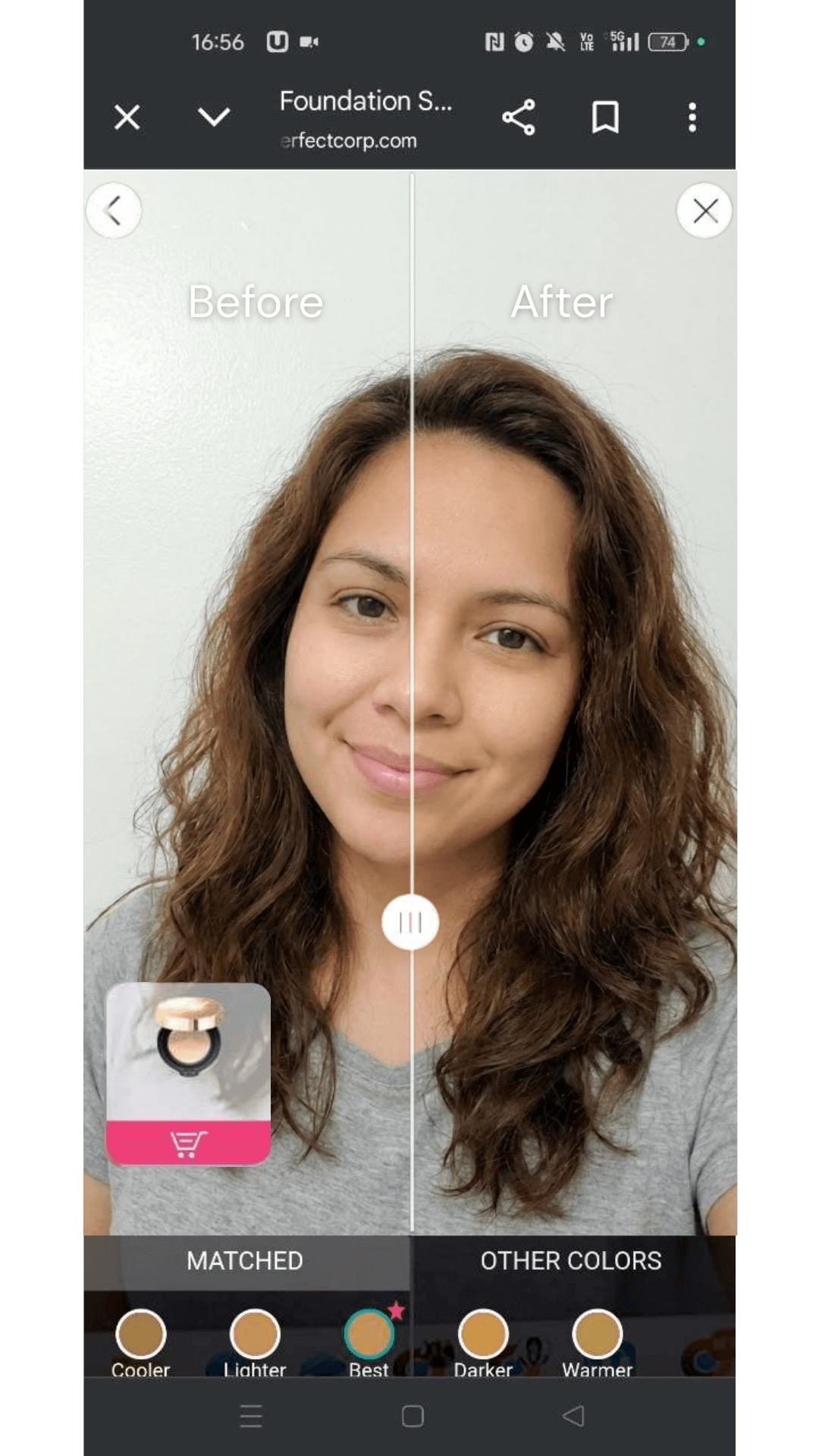
I tested the technology behind Perfect Corp’s. As an industry leader, this tool leverages advanced AI Skin Tone Analysis.
The Experience: The process was seamless. I did not have to manually pick colors or answer subjective questions about my veins. The AI automatically detected my face and lighting conditions.
The Result: The analysis was instant and highly detailed. It didn't just guess; it identified my exact skin tone code, undertone (Cool, Warm, Neutral), and even leads to the full skin analysis of my face.
Why It Wins: It uses deep learning to compensate for poor lighting. Use a clear UI to notify users of lighting levels during photography, ensuring optimal photo quality.
For Business Leaders: This is not just a consumer toy; it is a conversion engine. By integrating the AI Skin Tone Analysis API, brands can offer this same laboratory-grade precision directly on their websites.
Review 2: AmazingCosmetics Selfie Quiz

Then on my list was the AmazingCosmetics Selfie Quiz. This tool is designed to help users find their perfect concealer and foundation match quickly.
The Experience: The process is a hybrid of a traditional questionnaire and a visual assessment. It asks you to identify your skin concern and then upload a selfie.
The Result: It suggested a specific shade of their concealer. The tool is helpful if you are specifically looking to buy their products, as the results are directly tied to their inventory.
Pros: It is straightforward and specifically tailored to their product line, reducing decision fatigue for shoppers.
It feels more like a product recommender than a pure educational tool. If you want to know how to find your undertone generally, the explanation is a bit light.
Review 3: Colorwise.me
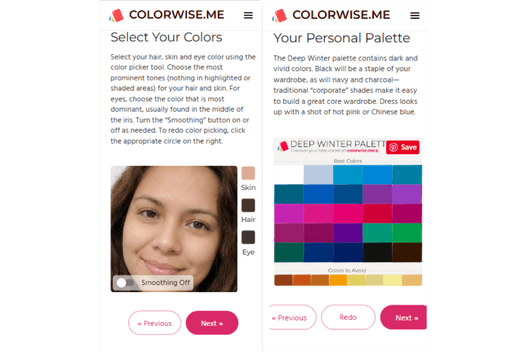
Next, I tried Colorwise.me, a platform that focuses heavily on color analysis and seasonal color palettes.
The Experience: You upload a photo, and then you must manually use an eyedropper tool to select your skin, hair, and eye color. This adds a layer of manual interaction that can be fun but also tricky.
The Result: The platform gave me a seasonal palette (e.g., "Deep Winter") which implies a cool undertone. It provided a digital swatch book of colors that would look good on me.
Pros: It offers a comprehensive look at how your skin tone interacts with clothing colors, not just makeup.
But the accuracy depends entirely on where you place the eyedropper. If you pick a shadowed area of your face, the result skews incorrectly. It requires the user to have a good eye for lighting.
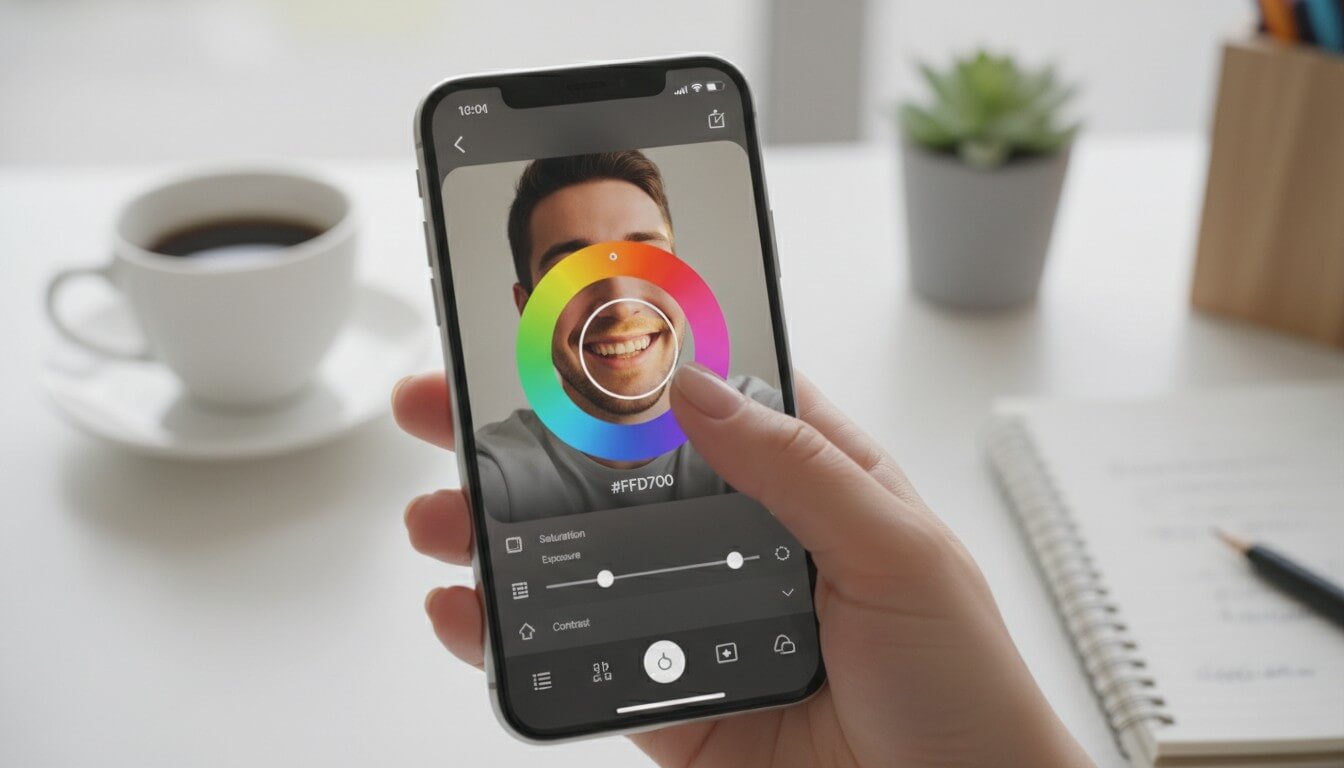
The Tech: How AI Finds Your Undertone
You might be wondering, how do i find my skin undertone using an algorithm? The secret lies in the robust AI architecture.
Perfect Corp’s AI Skin Tone Analysis API goes beyond simple color matching. It analyzes precisely on the human face.
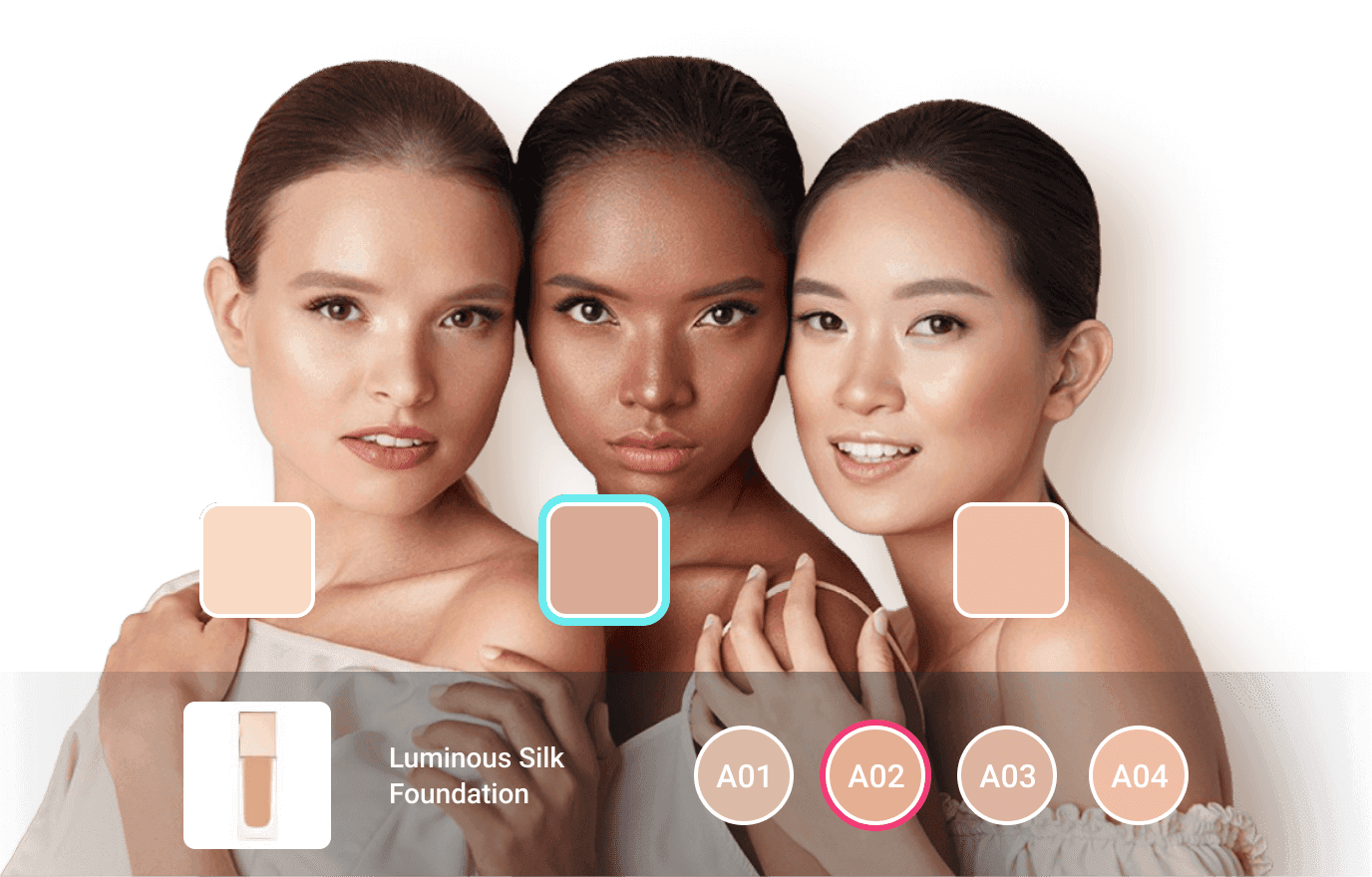
Deep Learning Accuracy: The AI is trained on a massive dataset of diverse skin tones. This ensures that whether you are looking for how to find your undertone for dark skin or very pale skin, the system is inclusive and accurate.
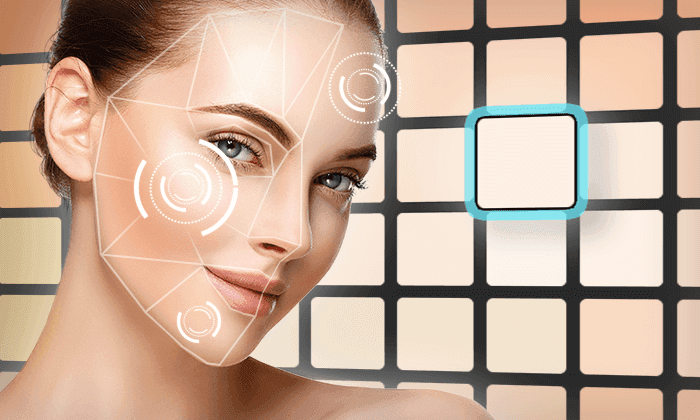
Multi-Spectral Analysis: The technology detects subtle variations in pigment that the human eye might miss. It distinguishes between surface redness (overtone) and the true underlying color (undertone).
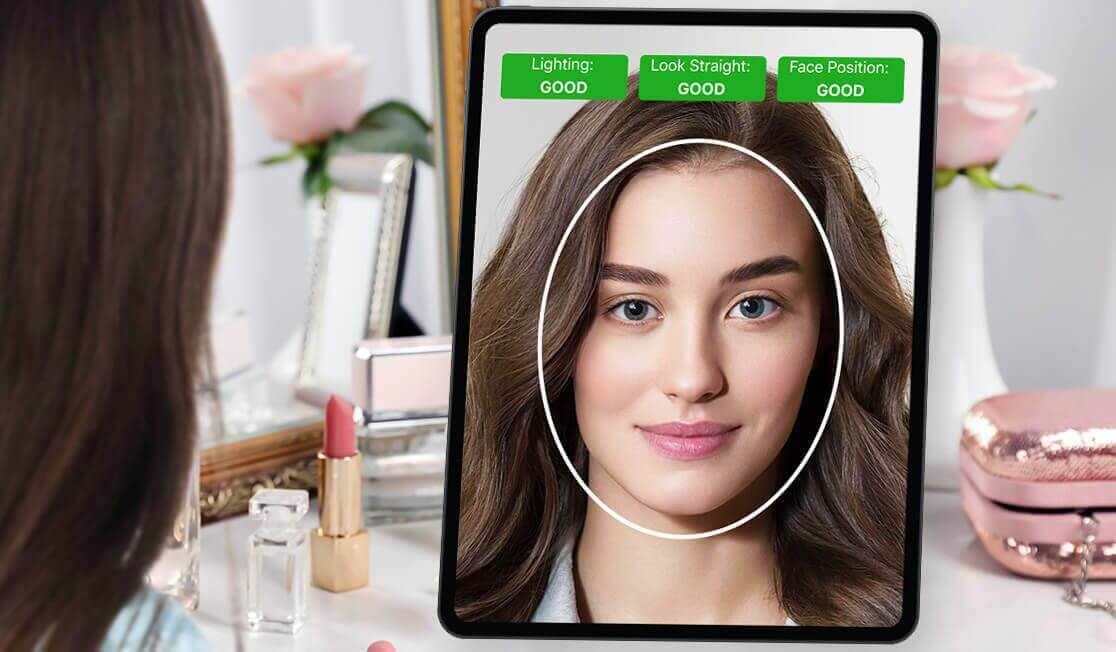
Lighting Compensation: One of the biggest challenges in finding your undertone is bad lighting. Our AI automatically corrects for white balance, simulating natural daylight for the truest reading.
Manual Methods: Veins vs. AI
Before AI, we relied on manual tests. While fun, they are often prone to error. Here is why the digital undertone finder is superior.
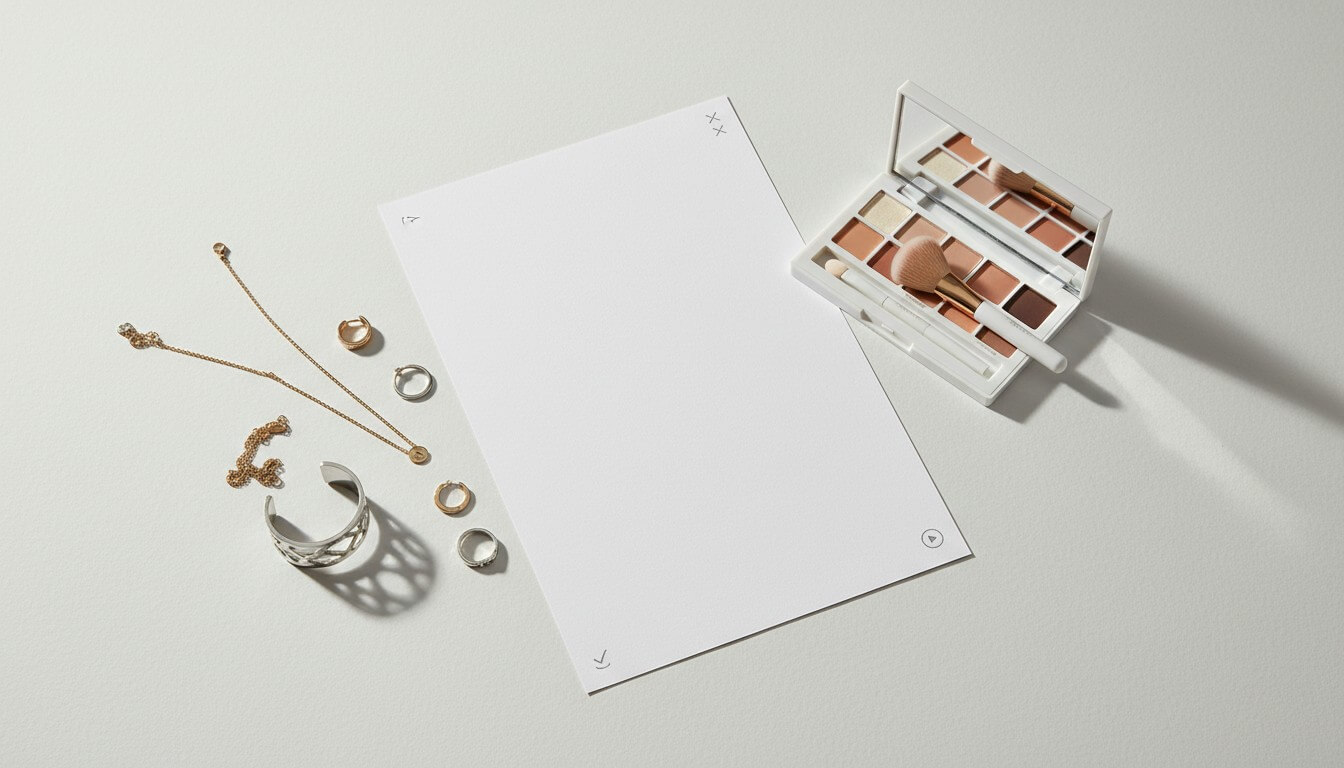
The Vein Test
The classic advice is: look at your wrist. Blue veins mean cool, green veins mean warm. But what if you have both? Or if your veins are hard to see? This method leaves many users confused.
The Jewelry Test
Does gold or silver look better on you? This is highly subjective. Personal preference often clouds judgment, leading to incorrect foundation purchases.
The White Paper Test
Holding a piece of white paper next to your face can help highlight casts. However, if you have surface redness from rosacea or acne, this test often misidentifies you as "cool" toned when you might actually be warm.
The Verdict: Manual methods are a good starting point, but for spending money on cosmetics, trust the AI.
For Brands: Why Integration Matters
For our B2B partners, the question isn't just how to find undertones, but how to monetize that discovery.
Integrating an Undertone Finder via API is a strategic move to reduce return rates. When customers feel confident in their shade match, they are less likely to return open products.
Personalization at Scale: Use the AI Skin Tone Analysis API to tag your entire inventory. Once a user's undertone is detected, instantly filter your catalog to show only the shades that will flatter them.
Data-Driven Product Development: By aggregating anonymous data on user skin tones, brands can see exactly which shades are missing from their lineup, driving smarter R&D.

Seamless Implementation: Our RESTful APIs are designed for easy integration into web, iOS, and Android platforms. You can launch a world-class diagnostic tool without building the tech from scratch.
Conclusion: Your Perfect Match Awaits
The quest to find skin undertone accurately is over. While manual tricks and basic quizzes have their place, AI offers the definitive answer.
For beauty lovers, this means no more wasted money on the wrong foundation. For brands, it means a revolution in customer loyalty.
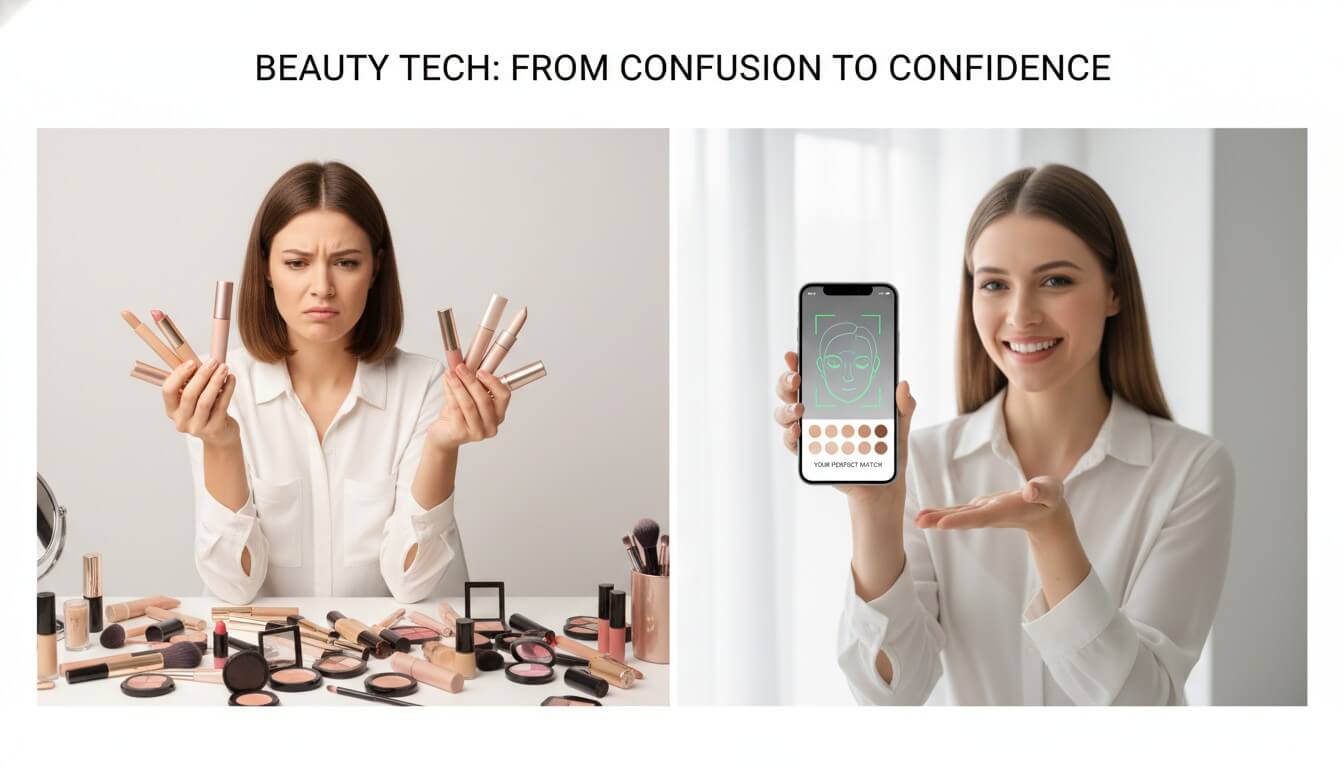
Ready to experience the future of shade matching? Explore how Perfect Corp’s AI Skin Tone Analysis can transform your beauty journey today.

This article was edited and reviewed by the Perfect Corp. editorial team.
Welcome to contact us or give us more suggestions.