 Author:
| Key Takeaway |
|---|
| This article offers a comprehensive guide to the 7 main face shapes for both men and women, detailing how to identify each shape, its unique characteristics, and tailored styling advice. It highlights the traditional methods of face shape identification and then introduces the latest AI Face Analyzer technology for an accurate, and effortless solution. |
Ever wondered why some hairstyles look amazing on others but fall flat on you? Or why a certain pair of glasses just doesn't quite frame your face right? The secret often lies in understanding your face shape. This isn't just another face shape chart; it’s the ultimate face guide for both men and women, diving deep into the 7 face shapes and how to perfectly style each one.
Key Takeaways: Unlocking Your Perfect Look
- What Exactly Are Face Shapes, And Why Do They Matter?
- The 7 Essential Face Shapes: A Deep Dive for Men & Women
- How to Accurately Tell Your Face Shape: Manual vs. AI
- How Does AI Face Analyzer Work?
- Beyond Personal Style: Transformative Use Cases for AI Face Analysis
- What Are Benefits of AI Face Shape Analysis?
- What Are the Future Trends in AI Face Analysis?
- Frequently Asked Questions About Face Shapes & AI
What Exactly Are Face Shapes, And Why Do They Matter?
The face shape is essentially the outline of your face, determined by the proportions of your forehead, cheekbones, jawline, and chin. It's the underlying structure that influences how everything from haircuts and eyewear to beard styles and makeup applications will look on you. Understanding your unique face shape diagram isn't about fitting into a mold; it's about making informed choices that enhance your natural beauty and highlight your best features.
For centuries, artists, stylists, and even philosophers have recognized the importance of facial symmetry and proportions. Today, this understanding is more accessible than ever, and it's not just for celebrities or models. Knowing whether you have an oval, round, square, heart, long, diamond, or triangle face can be very helpful for the customers to make the decisions for any purchase.
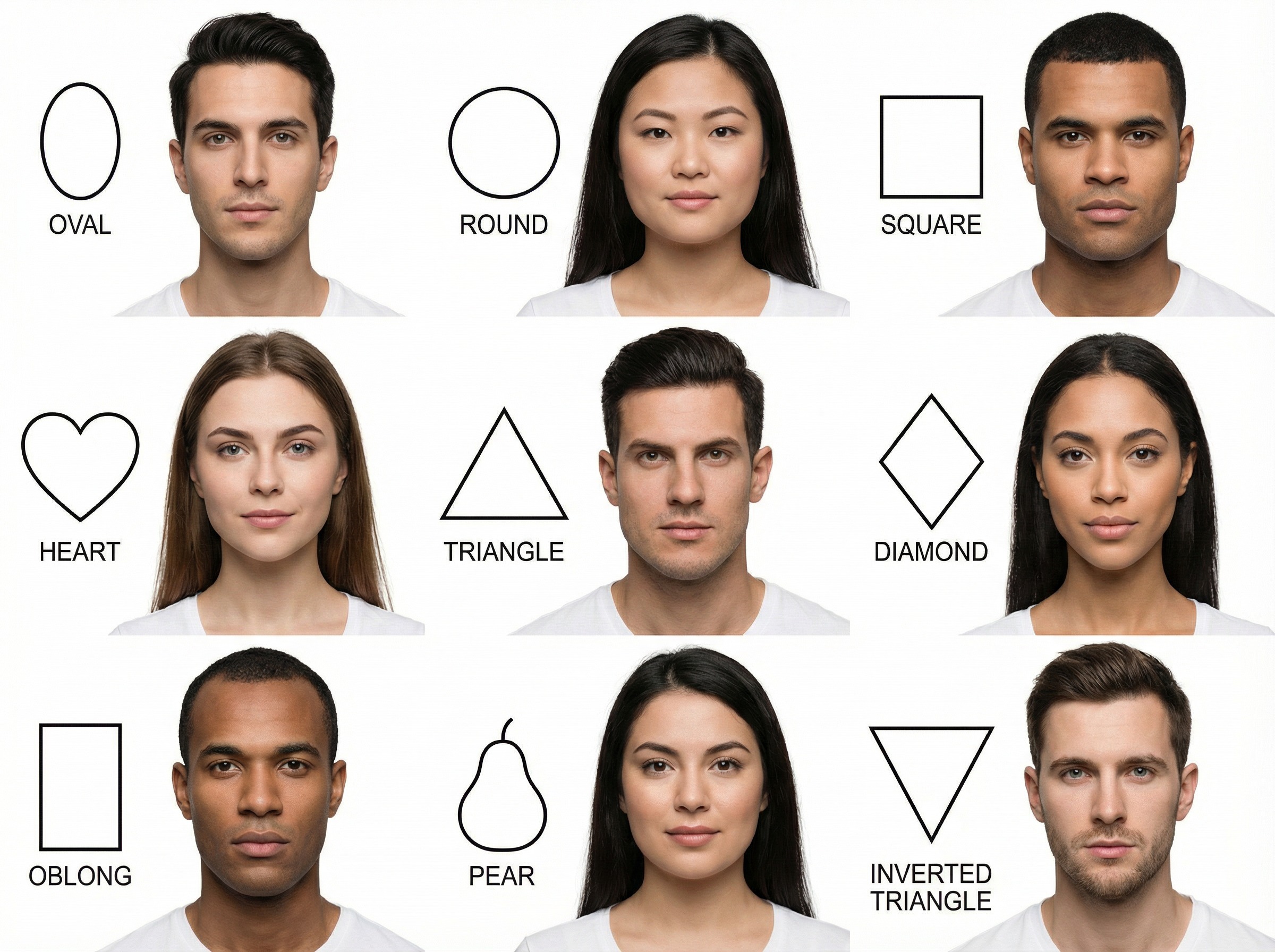
The 7 Essential Face Shapes: A Deep Dive for Men & Women
While there's a spectrum of facial variations, most faces can be categorized into one of seven primary shapes. Let's break down each one, complete with characteristics and tailored styling advice.
1. Oval Face Shape

Often considered the 'ideal' shape due to its balanced proportions. The oval face is characterized by a forehead that is slightly wider than the chin, high cheekbones, and a gently rounded jawline. The length of the face is about one and a half times its width. It's versatile and symmetrical.
- Characteristics: Balanced proportions, soft curves, forehead slightly wider than chin.
- Styling for Women: Almost any hairstyle works! Bobs, pixies, long layers, waves, and updos all complement this shape. For glasses, most frames look good, but avoid overly wide or narrow ones.
- Styling for Men: Very versatile. Short to medium-length hair, fades, side parts, and textured crops all work well. For beards, most styles complement, but a neatly trimmed beard enhances the jawline without adding bulk.
2. Round Face Shape

A round face is defined by its soft, circular appearance. The width and length of the face are roughly equal, with full cheeks and a rounded chin. There are no sharp angles, giving a youthful look.
- Characteristics: Equal length and width, full cheeks, soft, rounded jawline.
- Styling for Women: Styles that add height or angularity are best. Long layers, side-swept bangs, lobs, and updos can elongate the face. Avoid blunt bangs or chin-length bobs that emphasize roundness. Angled or square glasses can add definition.
- Styling for Men: Hairstyles with height or strong angles, like pompadours, quiffs, or textured crops, can add length. Avoid heavy fringes or very short, round cuts. Square or angular beard styles can add structure to the jawline.
3. Square Face Shape

Strong and angular, a square face boasts a prominent, broad forehead and a strong, equally broad jawline. The width and length of the face are similar, creating a very defined, often powerful look.
- Characteristics: Strong, broad jawline; wide forehead; roughly equal length and width.
- Styling for Women: Softer styles can balance the angles. Long layers, waves, curls, and side-swept bangs work beautifully. Avoid straight, blunt cuts or severe bobs. Round or oval glasses soften the features.
- Styling for Men: Styles that soften the jawline or add height are ideal. Textured quiffs, side parts, or medium-length hair with movement. Short, angular cuts can also enhance the strong features. Beards can be used to soften or accentuate the jawline depending on desired effect, e.g., a short, faded beard.
4. Heart Face Shape

Characterized by a wider forehead and cheekbones that taper down to a narrow, often pointed chin. The overall shape resembles a heart, sometimes with a prominent widow's peak.
- Characteristics: Wide forehead, prominent cheekbones, narrow/pointed chin.
- Styling for Women: Styles that add width around the jawline or chin are flattering. Long bobs, layered cuts that fall around the chin, or side-swept bangs. Avoid styles that add volume to the top of the head. Cat-eye or round glasses can balance the chin.
- Styling for Men: Styles that add width to the lower face or balance the forehead. Medium-length hair with a bit of volume on the sides, or a textured fringe can work. A beard that adds fullness to the chin area can balance the wider forehead.

Styles that add width around the jawline or chin are flattering for heart-shaped face woman.
5. Long (Oblong) Face Shape
Similar to an oval face but longer and narrower. The forehead, cheekbones, and jawline tend to be similar in width, and the chin can be slightly pointed or rounded.
- Characteristics: Face length significantly greater than width; similar width at forehead, cheekbones, and jawline.
- Styling for Women: Styles that add width and minimize length are best. Blunt bangs, chin-length bobs, waves, and curls create horizontal volume. Avoid very long, straight hair or styles with too much height. Wide, angular glasses can break up the length.
- Styling for Men: Styles that add width and avoid excessive height. Medium-length hair with side parts, fringes, or styles that have volume on the sides. Beards can help add width to the lower face; a fuller, wider beard style works well.


6. Diamond Face Shape


This is one of the more unique face shapes, characterized by a narrow forehead and jawline, with wide, high cheekbones. The chin is often pointed, and the face length is typically longer than its width.
- Characteristics: Narrow forehead and jawline, widest at the cheekbones, pointed chin.
- Styling for Women: Styles that add width to the forehead and jawline. Side-swept bangs, bobs that end at the chin, or soft waves. Avoid styles that pull hair back tightly from the face. Oval or cat-eye glasses can soften the angles.
- Styling for Men: Styles that add width to the forehead area or soften the cheekbones. Textured fringes, side parts, or medium-length hair can be effective. Beards that add fullness to the jawline can balance the prominent cheekbones.
7. Triangle (Pear) Face Shape

A triangle face is distinguished by a narrow forehead that widens at the cheekbones and jawline. The jawline is typically the widest part of the face, creating a 'pyramid' effect.
- Characteristics: Narrow forehead, widening at cheekbones and jawline; jawline is the widest feature.
- Styling for Women: Styles that add volume or width to the forehead and temples are ideal. Side-swept bangs, layered cuts that add fullness around the upper face, or pixies with height. Avoid styles that add width to the jawline. Cat-eye or browline glasses can draw attention upward.
- Styling for Men: Hairstyles that add volume or width to the upper part of the head. Textured crops with a fringe, quiffs, or styles that are longer on top and shorter on the sides. A beard can be used to square off the jawline or create a more balanced appearance; avoid wide, bushy beards that emphasize the jaw.
How to Accurately Tell Your Face Shape: Manual vs. AI
Identifying your face shape has traditionally involved a tape measure and a mirror. While effective, it can be prone to human error and subjectivity. Let’s look at both methods.
The Manual Measurement Guide
To traditionally determine your face shape, you'd typically take four key measurements:
- Forehead Width: Measure across the widest part of your forehead, halfway between your eyebrows and hairline.
- Cheekbone Width: Measure across your cheekbones, starting and ending at the sharpest point below the outer corner of each eye.
- Jawline Width: Measure from the tip of your chin to the point where your jaw angles upwards towards your ear, then multiply this by two.
- Face Length: Measure from the center of your hairline down to the tip of your chin.
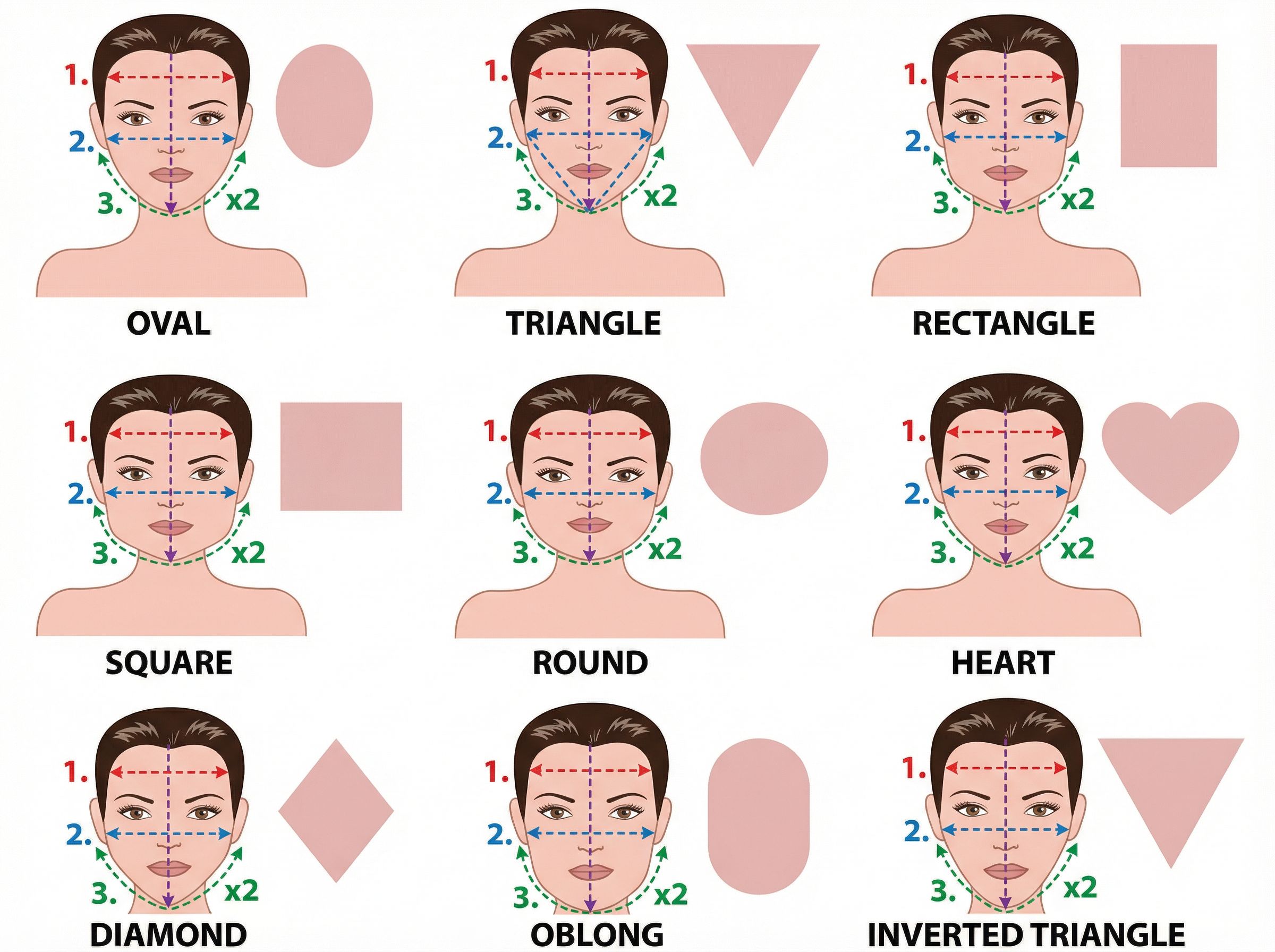
Once you have these numbers, you compare them to the characteristics of each face shape. For instance, if your face length is significantly greater than its width, you might have a long face. If all measurements are roughly equal with soft angles, it's likely round.
However, this manual process can be tricky. It requires precision, and even then, interpreting the results can be ambiguous. What if your face has characteristics of two shapes? This is where technology steps in to offer an unparalleled level of accuracy and ease.
The AI Revolution in Face Shape Identification
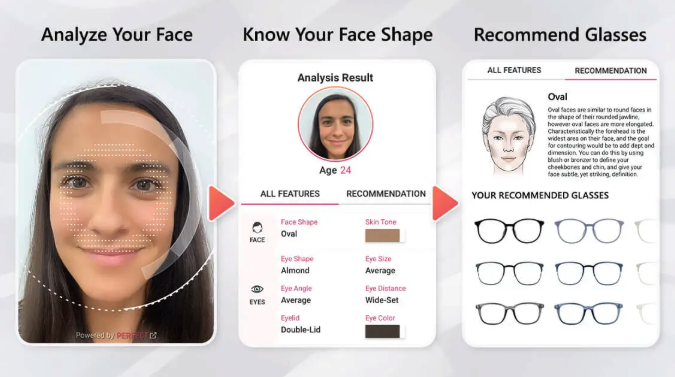
Imagine simply taking a photo and instantly knowing your precise face shape, along with personalized styling recommendations. That's the power of AI. Perfect Corp.'s advanced AI Face Analyzer takes the guesswork out of the equation, providing hyper-accurate results in seconds. No more measuring, no more guessing – just pure, data-driven insights tailored to your unique features.
How Does AI Face Analyzer Work?
Perfect Corp. uses the cutting edge of Artificial Intelligence, deep learning, and computer vision to deliver its revolutionary AI Face Analyzer. This isn't just a simple filter; it's a sophisticated system designed to understand the intricacies of human facial anatomy with incredible precision.
Here's a look at the magic behind the technology:
- Advanced Facial Features Detection: The AI first identifies hundreds of unique facial features on your face – from the precise curve of your jawline to the width of your forehead and the prominence of your cheekbones. It maps these points with sub-millimeter accuracy, creating a detailed digital blueprint of your face.
- Proprietary Algorithms: These features are then fed into Perfect Corp.'s proprietary algorithms, which have been trained on an enormous dataset of diverse faces. The algorithms analyze the ratios, comparing them against the established definitions of the 7 face shapes.
- Real-time Analysis: Unlike manual measurements that take time and can be inconsistent, the AI performs this complex analysis in real-time or near real-time from a simple photo or live camera feed. This speed and efficiency make it incredibly user-friendly.
- Holistic Feature Assessment: Beyond just the overarching shape, the AI can also detect other significant facial features. This means it can not only tell you if you have an oval face but also provide insights into your eye shape, nose shape, lip shape, and even skin tone and texture, paving the way for even more hyper-personalized recommendations.
- Continuous Learning and Improvement: The AI models are constantly refined and updated. As more data is processed and new advancements in AI emerge, the accuracy and depth of the analysis continue to improve, ensuring Perfect Corp. remains at the forefront of beauty tech.
The result is an objective, highly accurate determination of your face shape, free from the biases or inaccuracies of human interpretation. This technological leap allows for truly personalized styling advice, making the dream of a perfectly tailored look a reality for everyone.
Beyond Personal Style: Transformative Use Cases for AI Face Analysis
The applications of AI face shape analysis extend far beyond helping you pick a new haircut. This technology is revolutionizing how businesses interact with consumers, offering unprecedented levels of personalization and efficiency.
1. Enhanced Virtual Try-On Experiences for Beauty & Fashion Brands
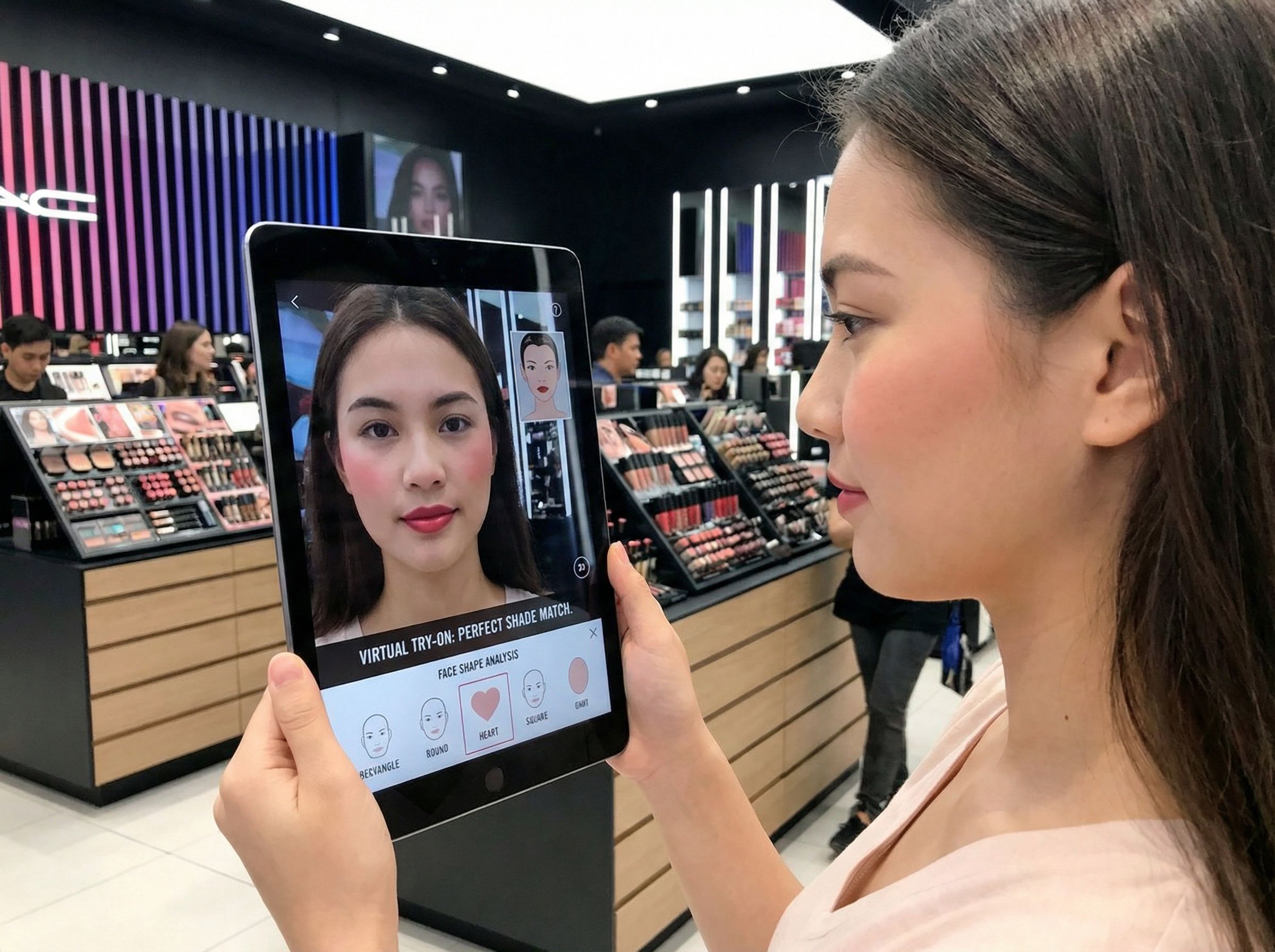
Imagine a customer trying on virtual glasses or hairstyles, not just seeing them on a generic model, but on their own face, perfectly tailored to their shape. AI face analysis enables brands to offer highly accurate and personalized virtual try-on experiences.
For an eyewear brand, the AI can suggest frames that complement a customer's square face, reducing guesswork and increasing purchase confidence.
For a hair salon or product brand, it can recommend specific cuts or styles that enhance an oval or heart-shaped face. This leads to higher conversion rates and reduced returns.
2. Personalized Product Recommendations in Retail
Retailers can leverage AI face analysis to provide bespoke product suggestions. A skincare brand might use it to recommend products that address concerns common to certain facial structures or skin types detected by the AI.
A jewelry brand could suggest earrings or necklaces that beautifully complement a long or diamond face shape.
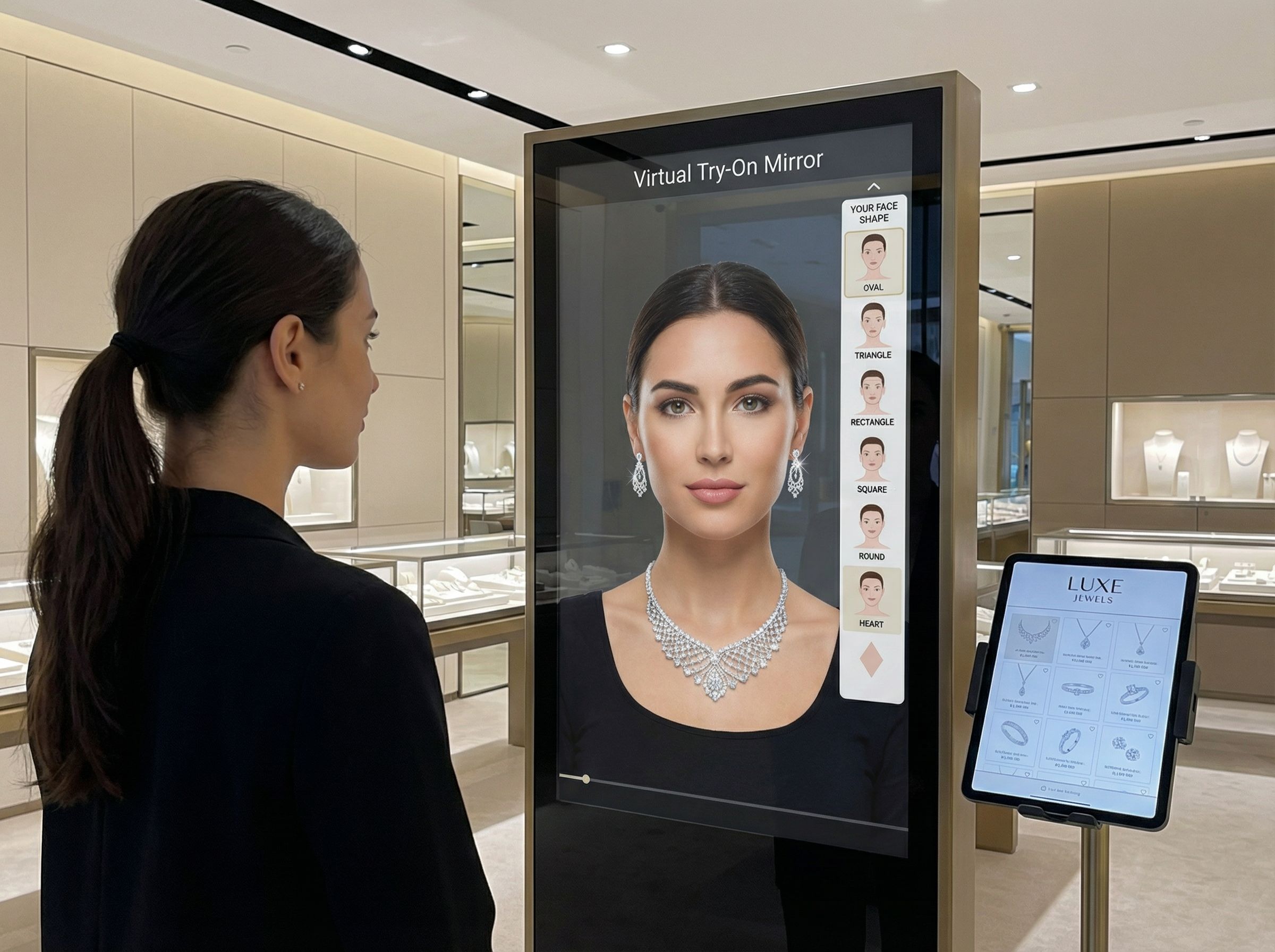
This level of personalization transforms the shopping experience from generic to highly curated, making customers feel understood and valued, fostering loyalty and driving sales.
3. Professional Consulting & Education Tools
Stylists, makeup artists, and beauty consultants can integrate AI face analysis into their toolkits. Instead of relying solely on subjective assessment, they can use the AI to provide clients with an objective, data-backed analysis of their features.
This not only enhances their professional authority but also serves as an excellent educational tool for clients, helping them understand 'why' certain styles work best.
The Benefits of AI Face Shape Analysis
The integration of AI into face shape identification brings a multitude of benefits, not just for the end-consumer but for brands and retailers alike. It's a win-win scenario that elevates the entire beauty and fashion ecosystem.
For Brands & Businesses:
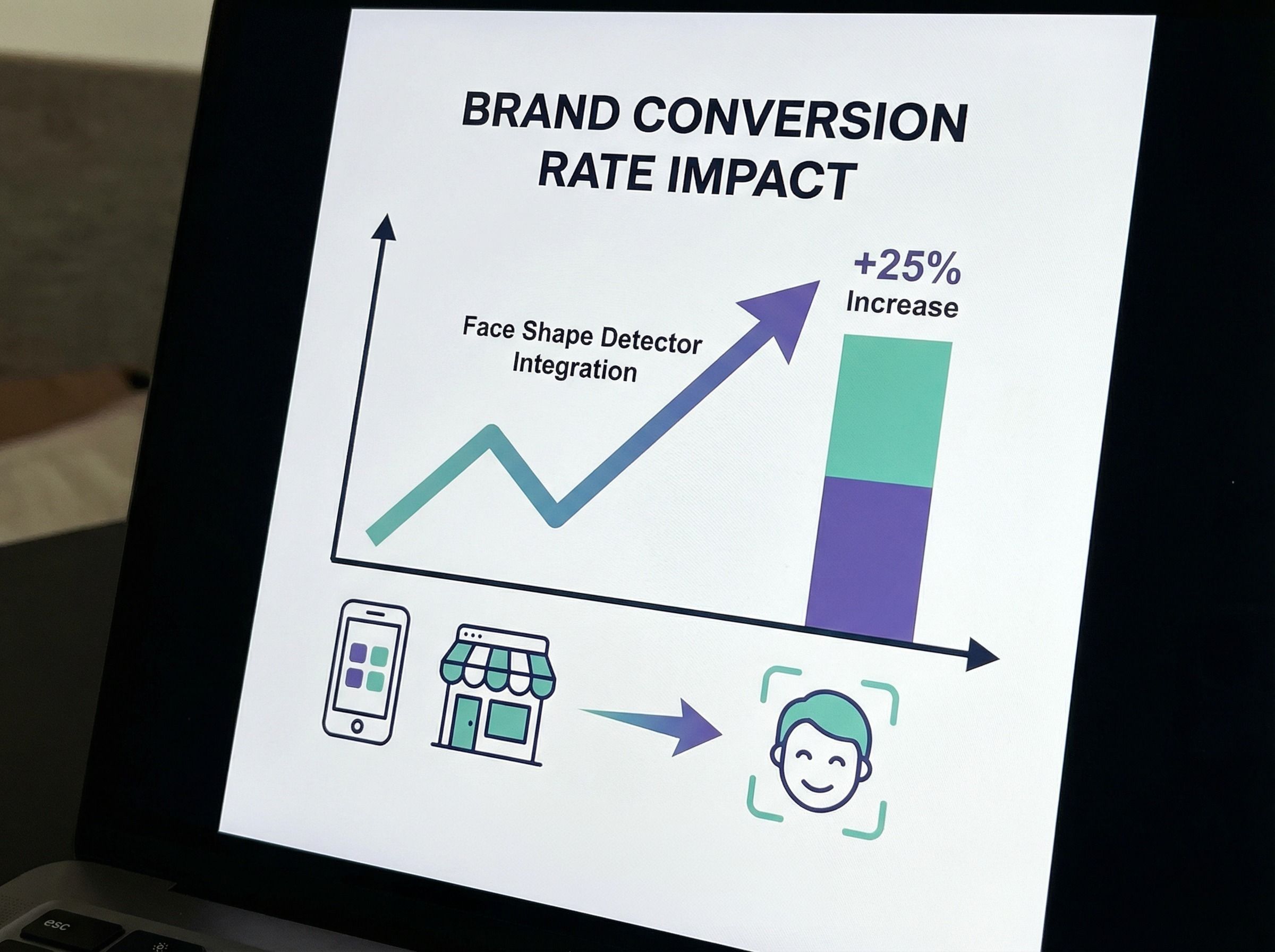
- Increased Conversion Rates: By offering personalized recommendations based on accurate face shape analysis, brands can significantly boost consumer confidence and, consequently, conversion rates. When customers know a product will suit them, they are more likely to buy.
- Reduced Returns: Accurate virtual try-on and product matching based on face shape minimize buyer's remorse and the need for returns, saving businesses significant operational costs and improving customer satisfaction.
- Enhanced Customer Engagement: Interactive AI tools create a more engaging and memorable shopping experience. Customers spend more time on platforms that offer value-added services like personalized styling advice.
- Data-Driven Insights: The aggregate data from face shape analyses can provide invaluable insights into consumer preferences and trends, informing product development and marketing strategies.
- Competitive Edge: Offering cutting-edge AI technology positions brands as innovators and leaders in the beauty and fashion industries.
For Retailers:
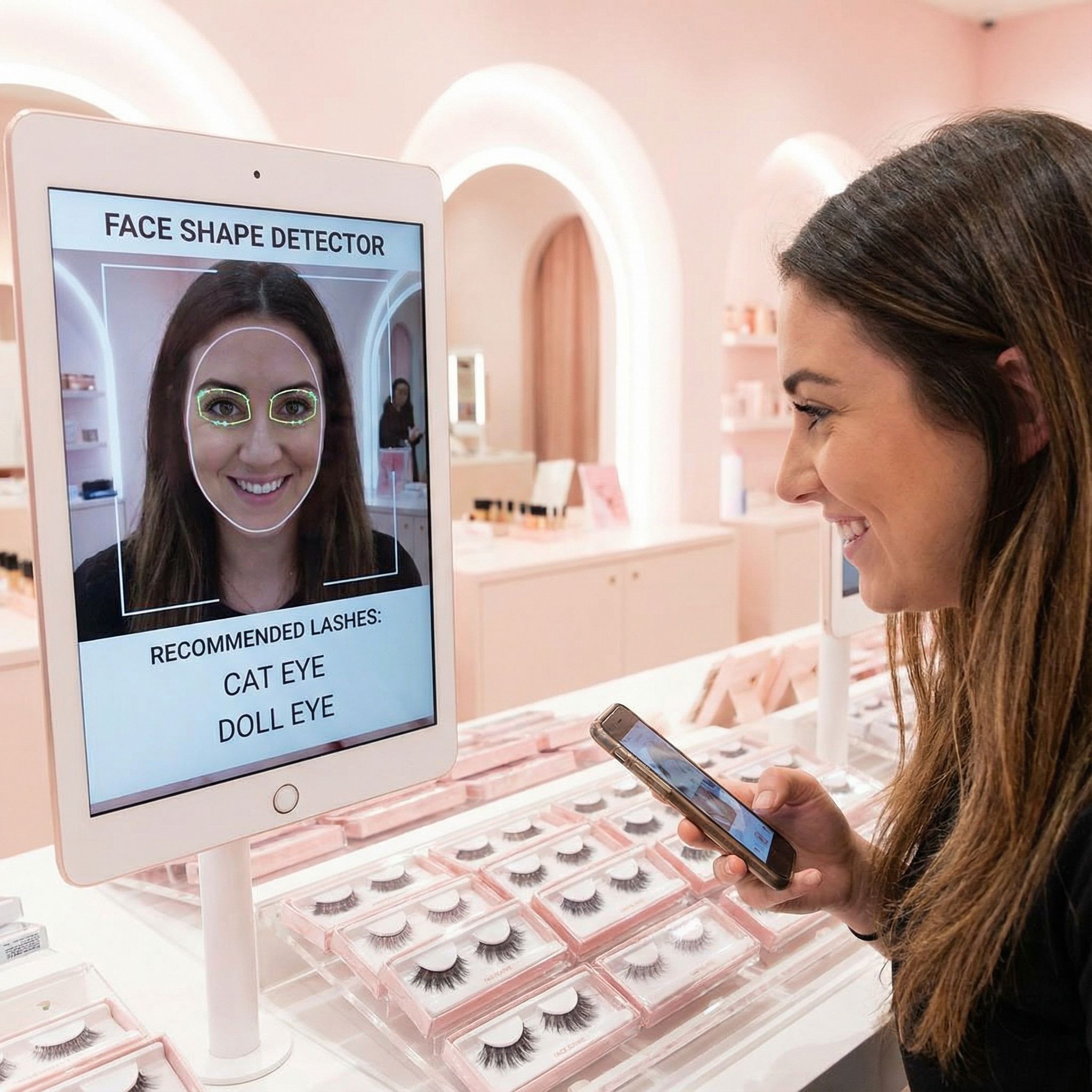
- Streamlined Sales Process: Sales associates can use AI tools to quickly and accurately guide customers to the best products, improving efficiency and customer service.
- Optimized Inventory: Understanding face shape preferences in specific demographics can help retailers stock inventory more strategically, reducing dead stock and maximizing popular items.
- Personalized Customer Service: AI enables a truly personalized service, making each customer feel like their individual needs are understood and addressed, fostering loyalty.
For Consumers:
- Unmatched Accuracy & Convenience: Gone are the days of manual measurements and subjective guesswork. AI provides objective, precise results in an instant, right from your phone or computer.
- Boosted Confidence: Knowing what styles, cuts, and accessories truly complement your features empowers you to make choices that enhance your appearance and boost your self-esteem.
- Personalized Discovery: Explore new looks and products that you might never have considered, all tailored to your unique face. It's like having a personal stylist in your pocket!
- Time and Money Saved: Avoid costly mistakes on haircuts, glasses, or accessories that don't suit you. Make smarter purchasing decisions the first time around.
Ready to see the future of personalized beauty? Explore Perfect Corp.'s AI solutions and virtual try-on demos today!
Discover AI Demos NowThe Future Trends in AI Face Analysis

The evolution of AI in beauty and fashion is just beginning. What started as basic face shape identification is rapidly expanding into even more sophisticated and integrated experiences. Here's a glimpse into the exciting future:
- Hyper-Personalized AI Stylists: Imagine an AI that not only tells you your face shape but also understands your personal style, wardrobe, and even daily schedule, then curates an entire look for you – from hair and makeup to clothing and accessories – all in real-time.
- Dynamic Feature Adaptation: Future AI systems will likely adapt recommendations not just to static face shapes, but to dynamic expressions and subtle changes in facial structure over time, offering even more fluid and context-aware advice.
- Integrated Health & Wellness Insights: AI face analysis could merge with skin diagnostic and wellness tech, providing holistic recommendations that consider both aesthetic and health-related factors, truly blurring the lines between beauty, health, and personalized care.
- Virtual-to-Physical Integration: The seamless transfer of virtual try-on experiences to real-world products will become even more frictionless, with AI guiding you from virtual discovery to in-store or online purchase with absolute confidence.
- Ethical AI & Inclusivity: A significant trend will be the continued development of ethical AI that is trained on incredibly diverse datasets, ensuring fair, accurate, and inclusive recommendations for all individuals, regardless of ethnicity, age, or gender.
Perfect Corp. is at the forefront of these innovations, continually pushing the boundaries of what's possible with AI, ensuring that personalized beauty and styling become more accessible, accurate, and exciting for everyone.

This article was edited and reviewed by the Perfect Corp. editorial team.
Welcome to contact us or give us more suggestions.
Frequently Asked Questions About Face Shapes & AI
Q1: Why is it important to know my face shape?
Knowing your face shape is crucial because it helps you make informed decisions about hairstyles, eyewear, makeup application, and even accessories that will best complement your natural features. It allows you to create balance, enhance your best aspects, and ultimately boost your confidence in your appearance.
Q2: Can my face shape change over time?
While your underlying bone structure (which primarily determines your face shape) generally remains consistent, factors like age, weight fluctuations, and muscle tone can subtly alter the appearance of your face. For example, gaining or losing weight can affect the fullness of your cheeks or jawline, making your face appear rounder or more defined. However, the fundamental shape usually persists.
Q3: Is there a 'best' face shape?
No, there is no single 'best' face shape. Each face shape has its own unique beauty and characteristics. The goal isn't to conform to an ideal, but to understand your individual shape and use that knowledge to enhance your features and express your personal style in the most flattering way possible.
Q4: How accurate is AI in determining face shapes compared to manual methods?
AI technology, especially advanced systems like Perfect Corp.'s AI Face Analyzer, is often more accurate than manual methods. It eliminates human error, subjective interpretation, and inconsistency, leveraging complex algorithms and vast datasets to provide objective, precise measurements and shape identification in seconds. This makes it a highly reliable tool for personalized recommendations.
Q5: Can men also benefit from knowing their face shape?
Absolutely! Understanding your face shape is just as beneficial for men as it is for women. It can guide decisions on haircuts, beard styles, eyewear, and even specific grooming techniques to achieve a more balanced and refined look. For example, knowing you have a round face can help you choose a beard style that adds definition to your jawline.
Q6: What if my face seems to have characteristics of two different shapes?
It's common for faces to be a blend of characteristics from different shapes. You might have a 'round-oval' or a 'square-heart' combination. In such cases, focus on the dominant features and consider styling advice that addresses both. AI analysis can be particularly helpful here, as it can process complex data points to give a more nuanced result than simple manual observation.
Q7: How does AI face analysis work with different ethnicities or ages?
Reputable AI face analysis technologies, like those from Perfect Corp., are built and continuously trained on highly diverse datasets that include a wide range of ethnicities, skin tones, and age groups. This ensures that the algorithms are fair, accurate, and inclusive, providing reliable analysis for everyone.
Q8: Where can I try Perfect Corp.'s AI Face Analyzer?
Many brands and retailers integrate Perfect Corp.'s AI Face Analyzer into their websites, apps, or in-store kiosks to offer personalized styling and product recommendations. You can explore various virtual try-on demos and learn more about Perfect Corp.'s AI solutions on their business showcase page to see the technology in action.
Q9: Does face shape only apply to beauty and hair, or are there other applications?
While most commonly associated with beauty and hair styling, understanding face shape has broader applications. It's relevant for eyewear selection, hat choices, jewelry that frames the face, and even certain clothing necklines. In the future, it could also play a role in ergonomic design for wearables or even virtual reality avatar customization.