Author: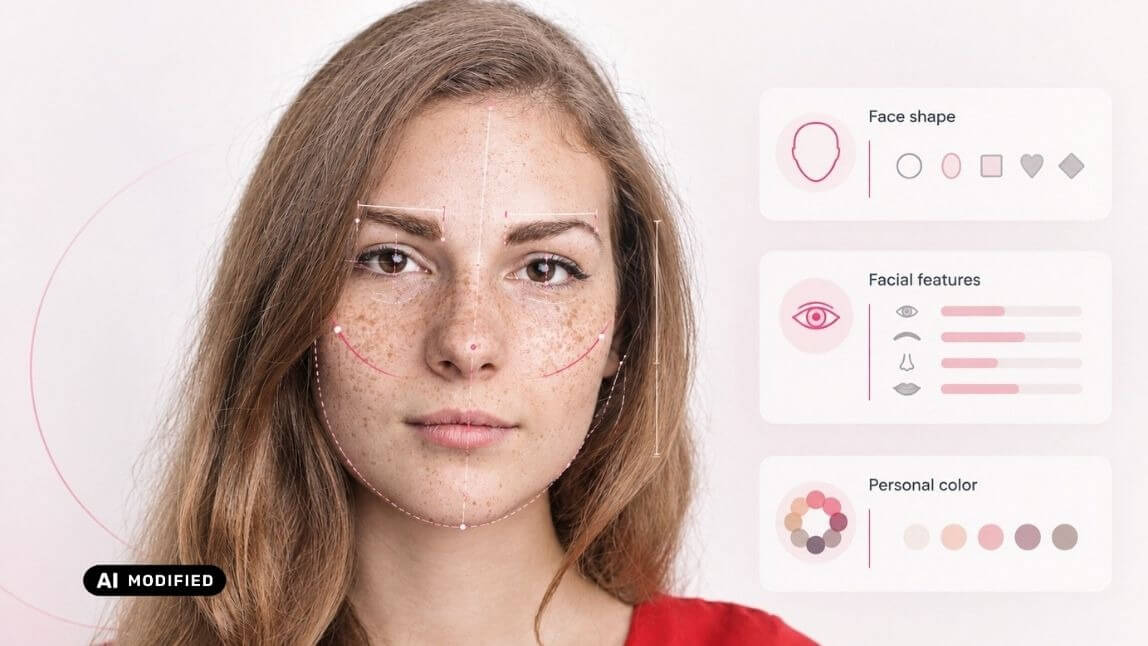
A face attractiveness test is an online tool that maps facial landmarks in a photo and turns measurements such as symmetry and proportion into a single beauty score.
For beauty retailers and makeup brands, the more useful version drops the score: AI face analysis can describe face shape, features and personal color, then turn them into makeup, brow and hairstyle suggestions.
Perfect Corp's tool can be integrated into your website or app, so you are not limited to a standalone kiosk.
At a glance
- Attractiveness tests score photo geometry, mainly symmetry and facial ratios, not beauty as people experience it.
- Scores shift with lighting, angle and expression, and they can reflect bias in the data behind them.
- Brands get more value from descriptive face analysis that leads to product and styling guidance.
- Perfect Corp's AI Face Analyzer is listed for web modules, APIs, mobile app SDKs and in-store consultations.
What Is a Face Attractiveness Test?
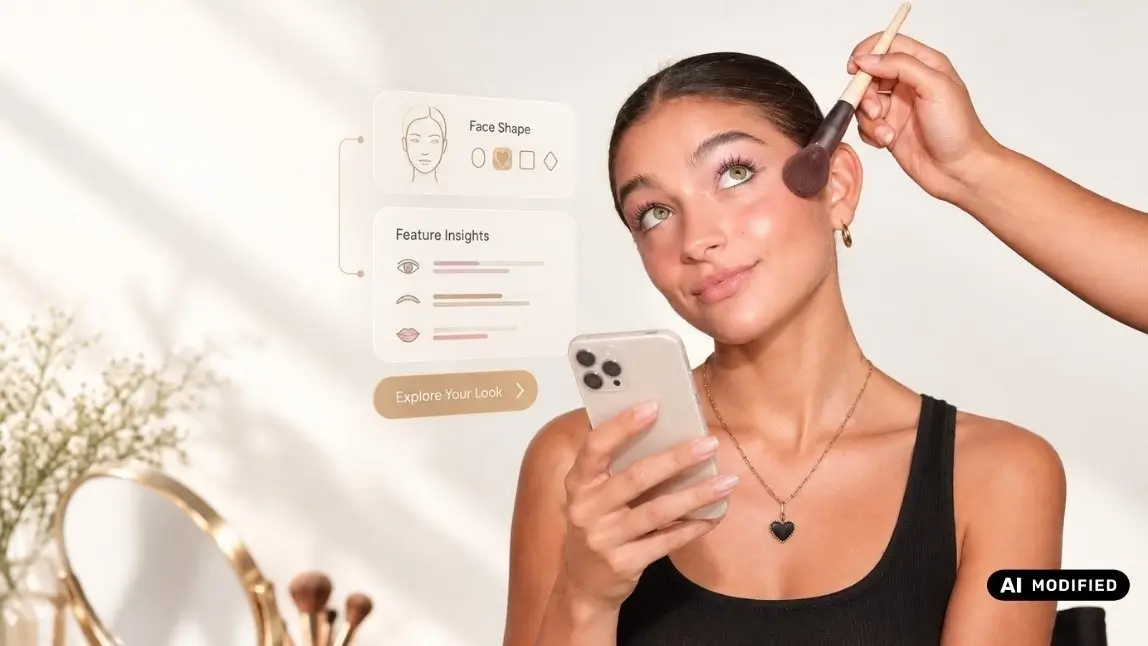
Most face attractiveness tests follow the same pattern. A shopper uploads a front-facing selfie, the tool detects facial landmarks, compares distances between them with reference ranges, and returns a number or tier.
The final score depends on which measurements the tool uses and how it weights them. It should be understood as the output of that scoring system, not a universal measure of beauty.
The appeal is easy to see: the result is instant and shareable, which is why brands look at these tools for engaging face-scan experiences.
What Face Attractiveness Tests Can—and Can't—Tell You
A face attractiveness test turns selected facial measurements into a score. That score reflects the tool's criteria—not a complete or objective assessment of how attractive someone is. For beauty brands, the distinction matters: describing a customer's features can support useful guidance, while rating those features adds a judgment that isn't needed for personalization.
Facial measurements are not beauty standards
These tools may assess symmetry, distances between facial landmarks and proportions between different areas of the face. Those measurements describe aspects of facial structure, but they don't establish how someone should look. Comparing a face with a reference ratio is different from identifying makeup techniques or styling options a customer might want to explore.
Why a single score leaves out important context
- Photo conditions: Lighting, camera angle, lens distortion and expression can affect how facial features appear in an image. A result should not be treated as a fixed verdict on the person.
- Bias in the scoring criteria: A tool's training data and reference standards can favor some facial characteristics over others. Its score may reflect a narrow set of preferences rather than a universal definition of attractiveness.
- Personal preferences: People don't all find the same features attractive. A single number cannot account for individual taste or the different ways people choose to express themselves.
- The person beyond the photo: A still image leaves out movement, voice, personality and the wider impression someone makes in everyday interactions.
- Limited practical guidance: A score alone doesn't explain which products, colors or techniques a customer could explore next.
For brands, useful insights matter more than ratings
The more relevant question is not "How attractive is this customer?" but "What information could help this customer explore their options?" Describing facial attributes gives brands a starting point for guidance without ranking customers or suggesting that their features need correcting.
Why Beauty Brands Should Swap the Score for Guidance
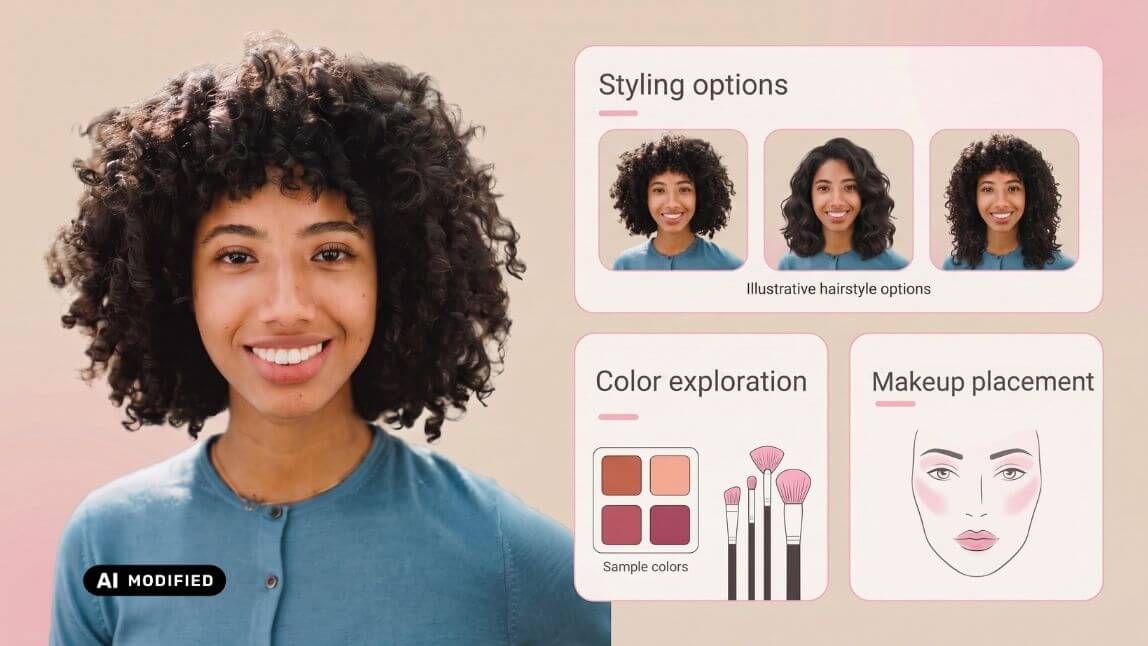
A brand doesn't need a beauty rating to personalize a recommendation. It needs features such as face shape, eye shape, brow spacing and undertone, mapped to products and techniques. Descriptive face analysis can support:
- Makeup guidance: contour, blush placement or eyeliner techniques suited to the shopper's features.
- Shade and color discovery: personal-color results that narrow foundation, lip and hair color choices.
- Brow and hairstyle suggestions: shapes that frame the face, which shoppers can then try on virtually.
- Clinic consultations: proportion data as a visual talking point for aesthetic professionals, as covered in our guide to AI face analysis for facial harmony.
Learn how to interpret facial analysis results—and distinguish feature insights from beauty ratings—in our guide to what a face attractiveness analyzer can tell you.
Can Face Analysis Run on Your Website, App or in Store?
Yes. Face analysis is software, so it can live wherever your shoppers already are. Perfect Corp's AI Face Analyzer lists four availability options:
| Option | Where it runs | Typical fit |
|---|---|---|
| Web module | Your e-commerce site, in the browser | Brands adding a face-scan experience to product or landing pages |
| API | Your own front end, calling Perfect Corp's REST API | Teams that want full control of the interface and results logic |
| Mobile app SDK | Inside your branded mobile app | Brands with an existing app and loyal repeat shoppers |
| In-store consultation | Retail counters and smart beauty mirrors | Assisted consultations with beauty advisors |
Channels can also be combined, for example a scan on the website that continues at the counter. Confirm which features are available in each channel for your market.
Responsible-Use Checklist Before You Launch
Face scans involve biometric data. Before launch, consider these steps:
- Explain clearly what the scan does, what is stored and for how long.
- Use descriptive labels such as "oval face shape," never scores or rankings.
- Test results across ages, genders, skin tones and lighting conditions.
- Avoid "fix" or "flaw" language and focus on options the shopper can explore.
- Review local privacy and biometric rules with your legal team.
How Perfect Corp's AI Face Analyzer Supports the Workflow
Perfect Corp's AI Face Analyzer is designed to detect face shape, facial features, facial ratios and personal color in one scan. It evaluates 11 key facial proportions, including facial thirds and fifths, and can support recommendations for makeup shades, hairstyles and makeup techniques. Results can then lead into virtual makeup try-on, so shoppers see suggestions on their own face.
Teams can test the experience first with the free online face analyzer demo, which returns face shape, features, personal color and proportions from a single photo, without an attractiveness rating.
Turn Face Scans Into Personalized Beauty Consultations
Perfect Corp's AI Face Analyzer can help beauty retailers and makeup brands replace one-number scores with face-shape, feature and color guidance on their website, app or retail counter. Talk to our team about which integration option fits your current tech stack and customer journey.
Face Attractiveness Test FAQ
Are face attractiveness tests accurate?

They can measure landmarks and ratios consistently, but the final score reflects each tool's chosen targets and weights. Attractiveness judgments vary between people, so no photo-based score is an objective verdict.
Can face analysis be added to our existing website or app?
Yes. Perfect Corp lists web module, API and mobile app SDK options for its AI Face Analyzer, as well as in-store consultation. Your technical team can confirm the best fit with our sales team.
Do shoppers need to download an app to use face analysis?
Not necessarily. A web module runs in the browser on your site, while the SDK suits brands that already have a mobile app.
What results should shoppers see instead of a score?
Descriptive outputs such as face shape, feature shapes and color tones, each paired with a practical suggestion, like a contour placement, brow style or shade range to try.
Is facial analysis data regulated?
It can be. Rules on biometric data, such as face geometry, differ by country and state, so review consent, notice and retention requirements with your legal team before launch.