 Author: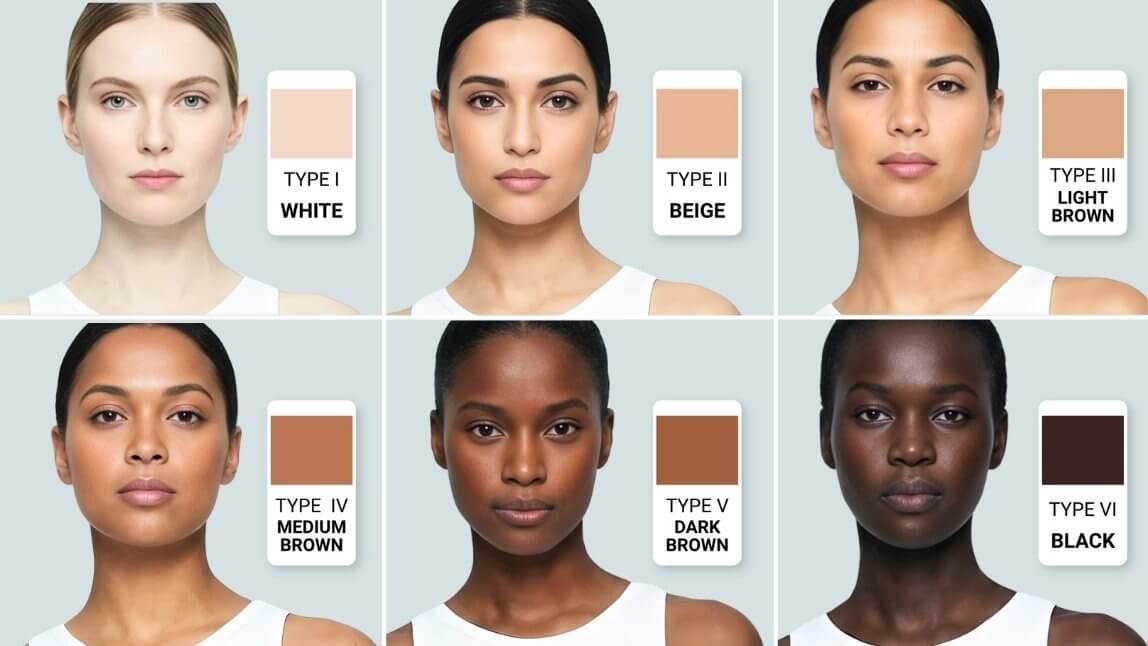
Understanding Skin Complexion vs. Skin Tone
Navigating the world of skincare begins with a fundamental truth: knowing your skin is the first step to perfecting it. Many people confuse skin complexion with skin tone, yet the distinction is vital for selecting the right products.
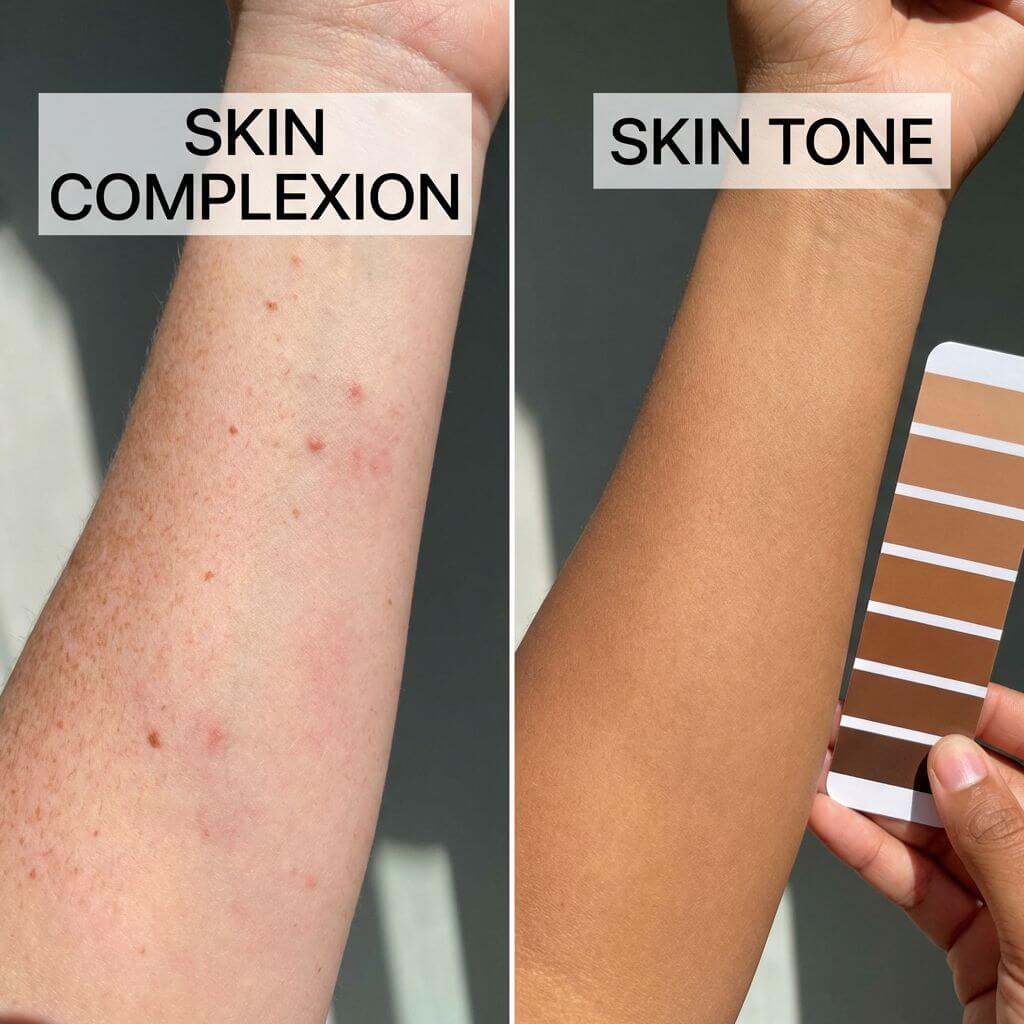
While skin tone refers to the surface color, complexion often encompasses texture, health, and the underlying reaction to UV light.
For consumers, effortlessly finding a foundation that disappears into your skin or a sunscreen that truly protects without leaving a cast. That is the power of correctly identifying your complexion profile.
For beauty businesses, understanding the nuances of different types of skin tones or complexions allows for product development that is truly inclusive.

The 6 Skin Complexion Types: A Deep Dive
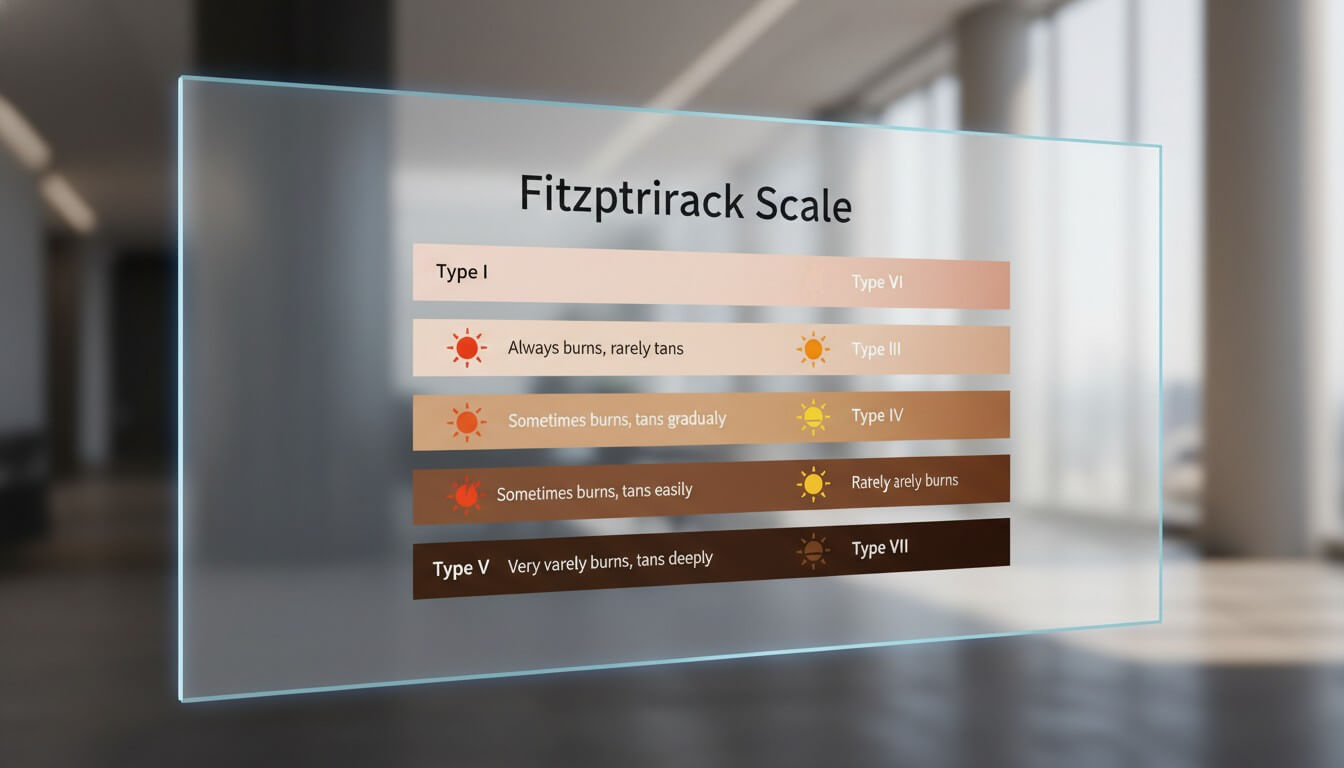
The gold standard for classifying skin complexion types is the Fitzpatrick Scale. Developed in 1975, it remains the most effective way to categorize how skin reacts to sun exposure and its risk for pigmentation issues. Let's break down the 6 types of skin complexion to help you identify where you stand.
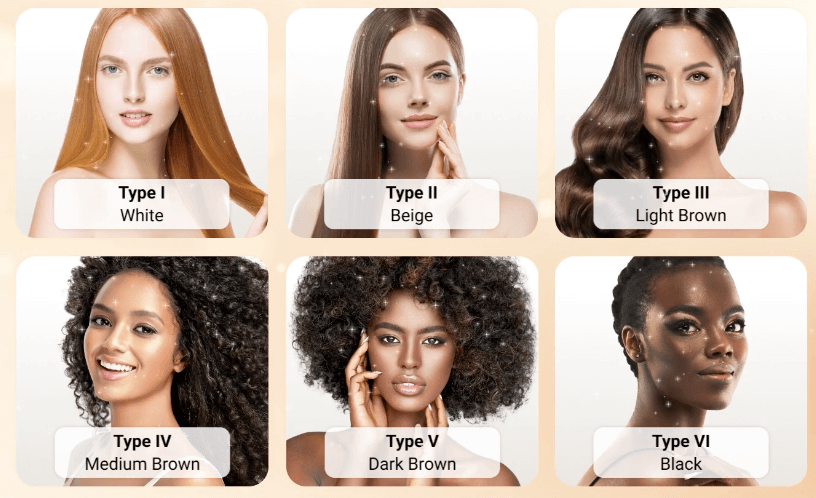
Type I: Very Light, Always Burns
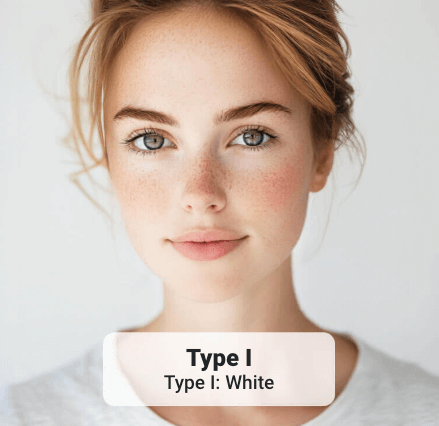
People with Type I skin have a very pale, porcelain complexion, often with freckles. This skin type is highly sensitive to the sun, always burning and never tanning.
If you fall into this category, your barrier function might be more delicate, requiring gentle, soothing ingredients.
Type II: Light, Burns Easily
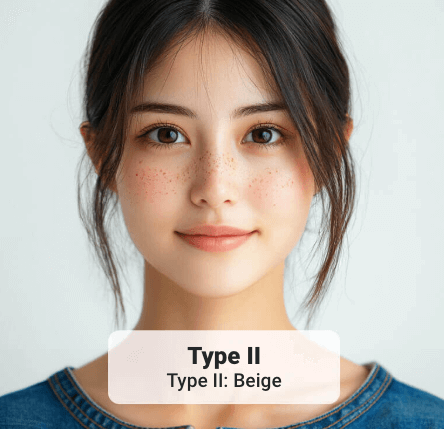
Type II individuals have fair skin that usually burns but may tan very minimally. This corresponds to many Northern European skin complexion types.
The focus here is on high SPF protection and monitoring for redness or irritation from harsh actives.
Type III: Medium, Sometimes Burns
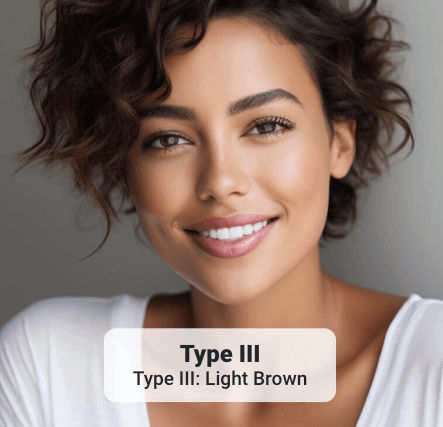
This is a very common complexion type, often described as 'olive' or 'beige'.
Type III skin will burn initially but can gradually build a tan. It is resilient but prone to uneven pigmentation if not cared for properly.
Type IV: Light Brown, Rarely Burns
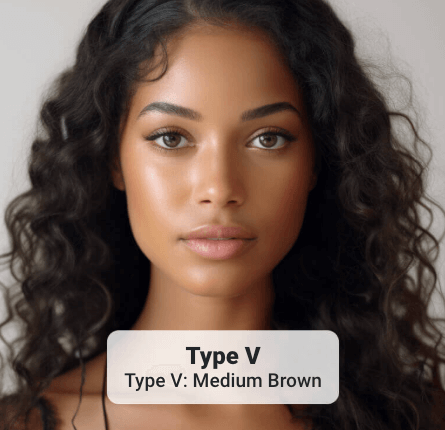
Type IV includes many Indian skin complexion types, Mediterranean, and some Hispanic skin tones.
This skin tans easily and rarely burns. However, a major concern here is hyperpigmentation; any inflammation (like acne) can leave dark spots that last for months.
Type V: Brown, Very Rarely Burns
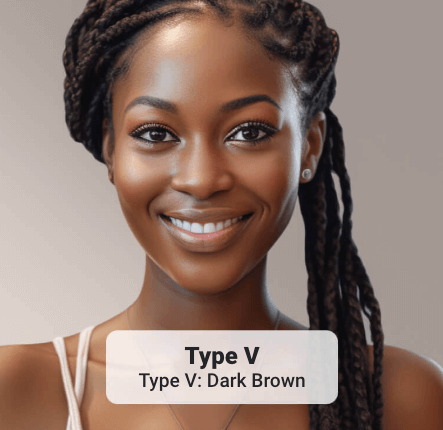
Types of skin complexion in Nigeria, parts of India, and the Middle East often fall here. Type V skin is naturally rich in melanin, offering significant sun protection. The challenge is that while it resists aging well, it is highly reactive to trauma, making 'pore clogger checkers' essential to prevent acne-induced dark marks.
Type VI: Dark Brown to Black,
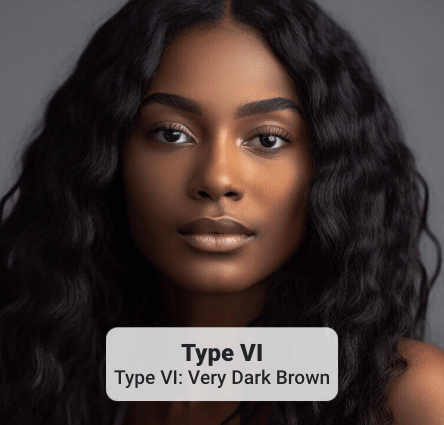
Black skin complexion types in this category have the highest melanin content. This skin is deeply pigmented and never burns. The primary focus is maintaining hydration and radiance (the 'glow') while aggressively preventing clogged pores, as ashiness and texture are the main enemies.
The Critical Link: Complexion and Pores
For skin complexion types men often struggle with, specifically in the beard area, clogged pores can lead to pseudofolliculitis barbae (razor bumps). Knowing your type helps you choose non-comedogenic oils that soothe without blocking. It transforms skincare from a guessing game into a science.
Furthermore, identifying different types of skin complexion helps in selecting the right active ingredients. Type I skin might tolerate salicylic acid differently than Type V skin, which needs to be careful of drying agents that trigger reactive hyperpigmentation. This nuance is where technology steps in.I
Introducing AI Skin Type Analyzer
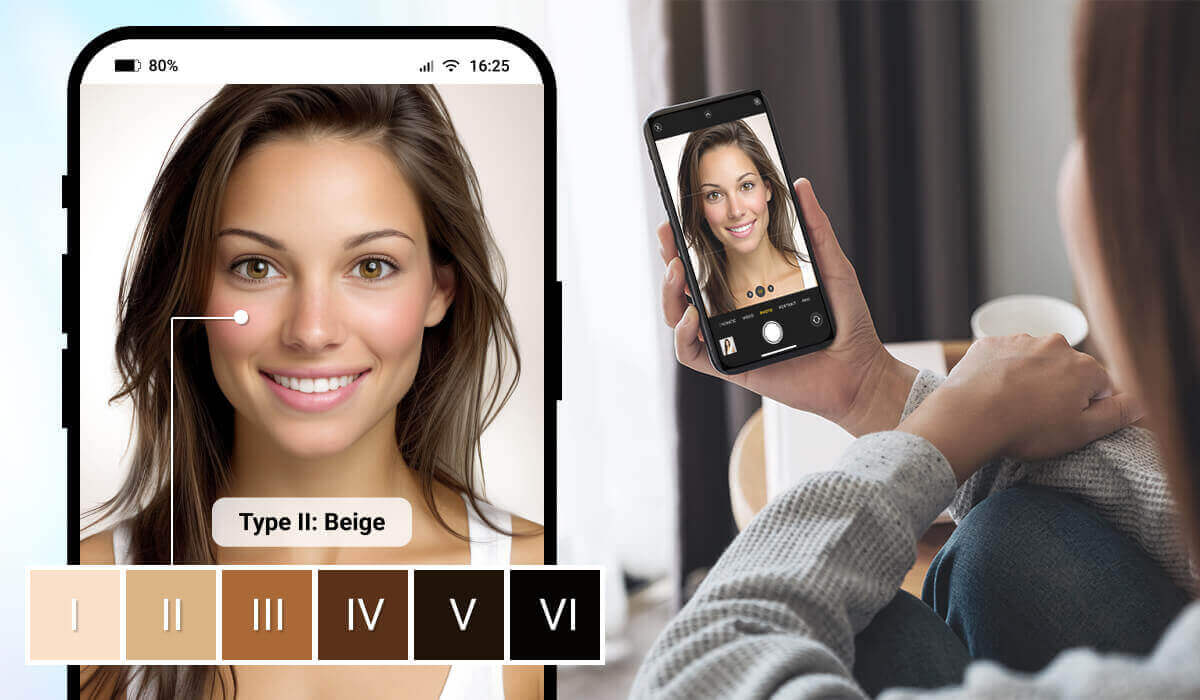
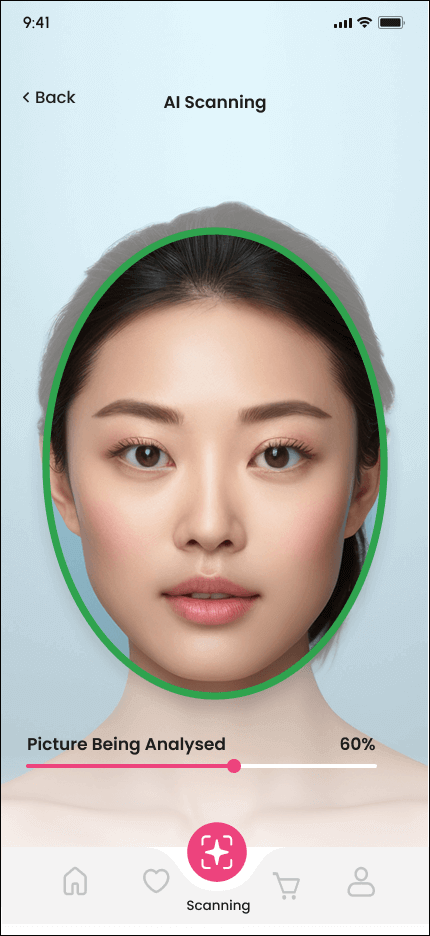
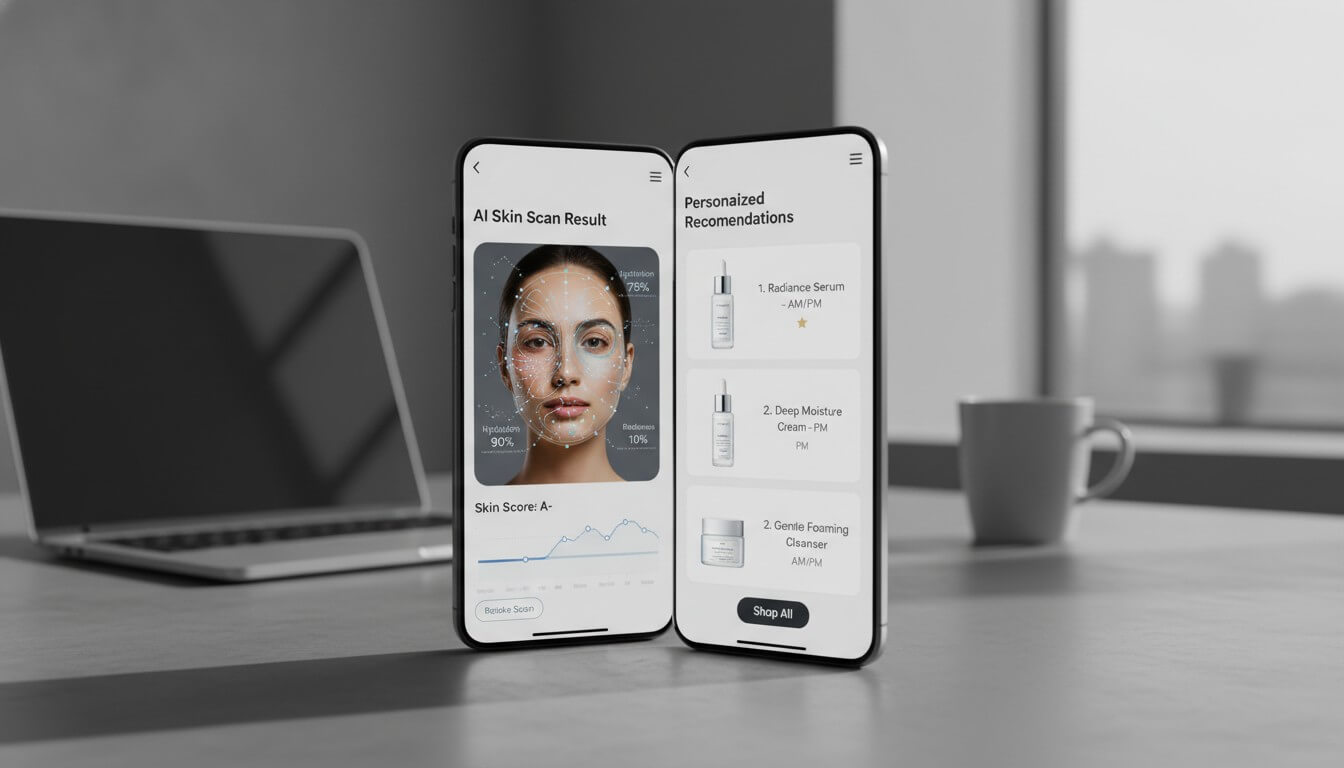
We are moving beyond static lists of ingredients. The future is real-time analysis. Perfect Corp's AI Skin Analysis technology acts as a dynamic, visual pore clogger checker. Instead of guessing, users can scan their face to receive an instant assessment of their pore health.
This technology utilizes advanced deep learning to detect distinct skin concerns. The AI Skin Analysis API doesn't just look at the surface; it analyzes texture, hydration, and specifically pore size and condition. It effectively answers the question, "Is my routine working?" instantly.
Imagine a user with American skin complexion types worried about congestion. By using a brand's app integrated with this API, they can track their pore score over time. If a new moisturizer is clogging their pores, the AI detects the change in skin texture before a full breakout occurs.

Additionally, the AI Skin Tone Analysis ensures that the recommendations are calibrated to the user's specific Fitzpatrick type. This is crucial because a 'redness' reading on Type I skin looks very different from inflammation on Type VI skin. Our AI handles these nuances with unparalleled precision.
B2B Insight: Why Your Brand Needs AI Diagnostics
For beauty brands, integrating these capabilities is no longer optional; it is a strategic imperative. Offering a generic product catalog is the fastest way to lose a customer who knows their specific skin complexion types. Modern consumers demand personalization.
By deploying Perfect Corp's AI Skin Analysis, brands can offer a virtual dermatologist experience. You can guide a customer with black skin complexion types toward products that specifically target hyperpigmentation without clogging pores, backing your claims with real-time diagnostic data.
This technology drives conversion rates by building trust. When a customer sees a visual representation of their skin health—mapped directly to skin complexion types chart data—they are far more likely to purchase the recommended regimen. It validates their concerns and proves your product's efficacy.
Konjac Skin Food Elevates Web and App Personalized Skincare Experience with Perfect Corp.’s AI Skin Analysis API
Global Perspectives: From Nigeria to the Philippines
Skin diversity is global. In markets like Nigeria, understanding types of skin complexion in Nigeria is essential for combating humidity-induced acne. AI diagnostics can help users differentiate between oiliness and hydration, recommending lightweight, non-comedogenic hydrators.
This global applicability makes Perfect Corp's solution universally powerful. Whether you are catering to types of skin complexion in India or the US, the AI is trained on a massive, diverse dataset to ensure accuracy across all ethnicities and ages.
Ready to revolutionize your skincare strategy? Embrace the power of AI and give your customers the ultimate guide to their own skin.

This article was edited and reviewed by the Perfect Corp. editorial team.
Welcome to contact us or give us more suggestions.