 Author:
Here are some common questions from the customers. They've bought the serum, and somehow the skin still looks... fine. Just fine.
Here's the plot twist nobody says: the products aren't the problem. The order is. Let's cut this short, this guide gives you the exact dermatologist-approved order for morning and night, the mistakes that are secretly undoing your $200 shelf, and, because your skin is not the same as the model in that ad, the AI-powered way to find the order that's actually built for your face.

Some common questions from the customers. They've bought the serum, and somehow the skin still looks just fine.
Why Does Skin Routine Order Actually Matter?
Skin absorbs products the way a sponge absorbs water: thin, watery formulas soak in fast, while thick, oil-rich formulas sit on top and seal everything in. Apply them out of sequence and you create a barrier that blocks everything layered after it.
The rule of thumb dermatologists repeat is simple: thinnest to thickest, water-based to oil-based.
Cleanser clears the canvas, toners and essences prep it, serums treat it, moisturizers lock it in, and SPF protects it.
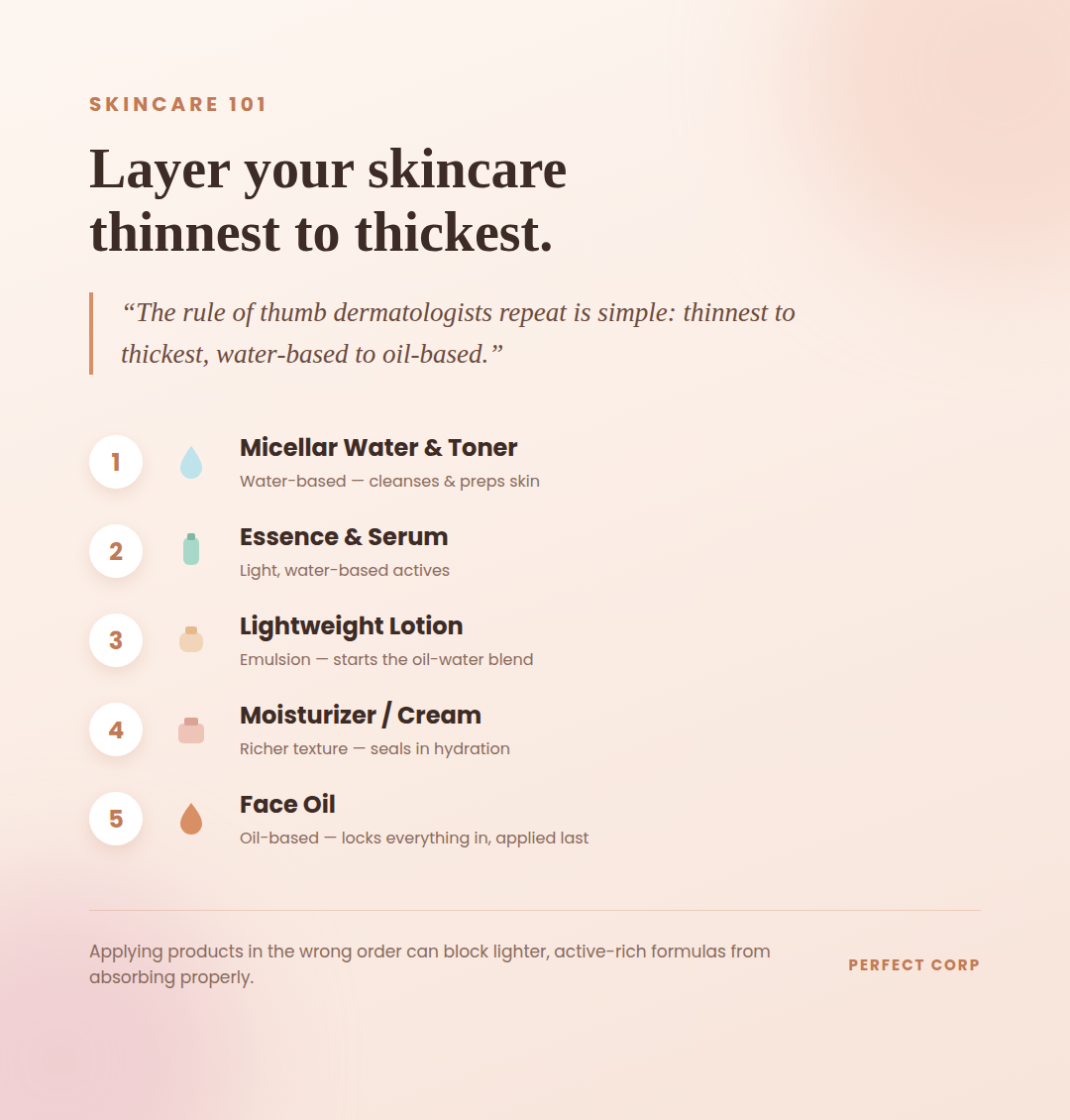
Skip a step out of order and you're not just wasting product — in the case of exfoliating acids and retinol, you could actually irritate your skin.
How Does AI Recommend Products?
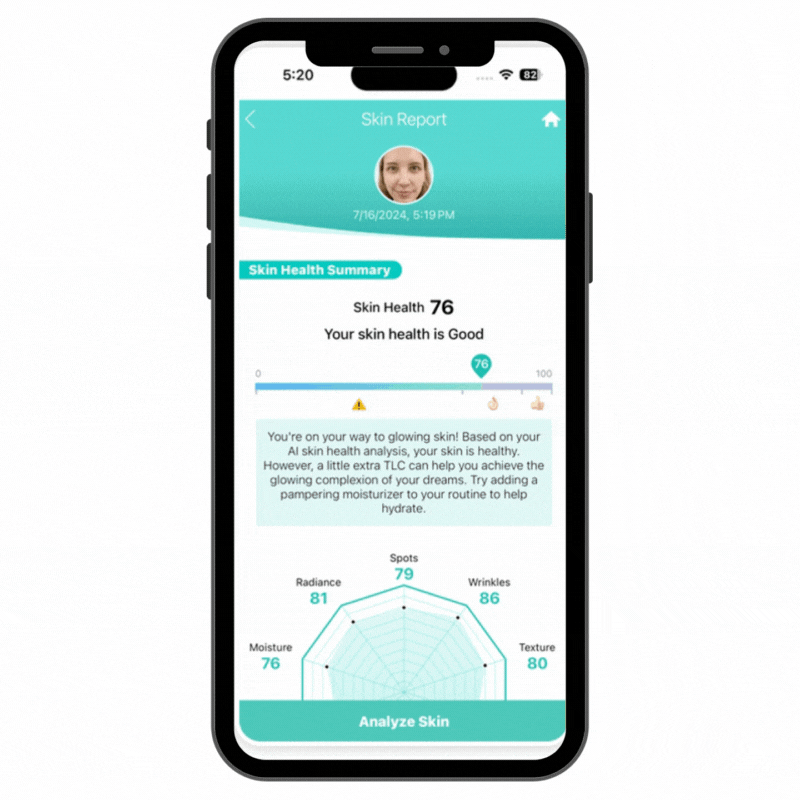
Perfect Corp.'s AI Skin Diagnostic technology was built around exactly this problem: instead of guessing where a product belongs, brands can show shoppers precisely how each formula will interact with their unique skin profile.
The AI detects the users' skin, identifies all the skin concerns, then suggests the suitable products.
Brands can show shoppers precisely how each formula will interact with their unique skin profile.
Showing to the Customers: What Is the Correct Skin Routine Order, Step by Step?
Morning and night routines serve two different jobs — protection during the day, repair overnight — so the order (and the products) shifts slightly. Here's the breakdown.
What's the Correct Morning (AM) Skin Routine Order?
| Step | Product | Why It Goes Here |
|---|---|---|
| 1 | Gentle cleanser | Removes overnight oil buildup without stripping skin |
| 2 | Toner / essence (optional) | Rebalances pH, preps skin to absorb what's next |
| 3 | Antioxidant serum (vitamin C) | Thin consistency, defends against daytime free radicals |
| 4 | Eye cream | Targeted, lightweight, applied before heavier creams |
| 5 | Moisturizer | Seals in hydration and everything applied beneath it |
| 6 | Sunscreen (SPF 30+) | Always, always the final step — no exceptions |
What's the Correct Night (PM) Skin Routine Order?
| Step | Product | Why It Goes Here |
|---|---|---|
| 1 | Oil-based cleanser (if wearing makeup/SPF) | Breaks down makeup and sunscreen |
| 2 | Water-based cleanser (double cleanse) | Removes remaining oil and grime |
| 3 | Exfoliant or treatment (2–3x weekly) | Acids/retinoids work best on freshly cleansed, dry skin |
| 4 | Serum (hydrating or repair-focused) | Delivers concentrated actives while skin is most receptive |
| 5 | Eye cream | Lightweight layer before heavier night cream |
| 6 | Night cream / facial oil | Richer formula to lock in repair overnight |

Notice sunscreen is gone at night — it's swapped for the heavier hitters (retinol, acids, richer creams) your skin can only tolerate when it's not about to face UV rays.
Ready to see it in action instead of reading a table? Try our AI Face Skin Analyzer to get a live, step-by-step routine mapped to your actual skin.
How Many Steps Should Your Skin Routine Order Actually Have?
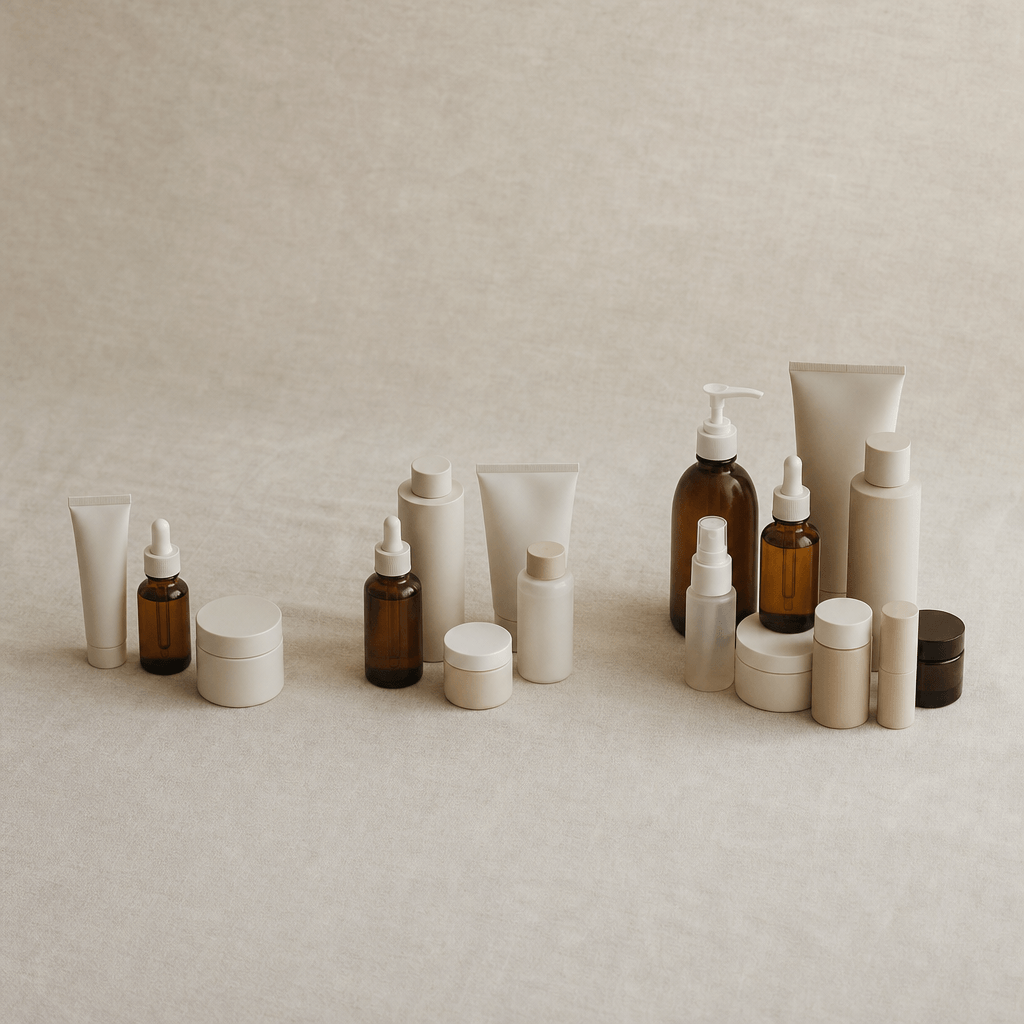
Despite what a 10-step K-beauty routine might suggest, more steps ≠ better skin. The number that's right for you comes down to skin goals, not trend cycles:
- 3-step minimalist: Cleanser, moisturizer, SPF — solid for low-maintenance or sensitive skin.
- 5-step standard: Cleanser, toner, serum, moisturizer, SPF — the most common dermatologist recommendation.
- 7-10 step layered: Adds essence, multiple serums, sheet masks, and facial oils — for skin-focused enthusiasts targeting multiple concerns at once.
Everyone has their own skin concerns, but through highly visual and interactive AI, skincare brands can easily recommend the right routine steps to consumers.
What Happens When You Get Your Skin Routine Order Wrong?
It's rarely dramatic — no one's skin melts off. But the wrong order quietly costs you results:
- Wasted product: Serums applied over moisturizer just sit on the surface and rub off on your pillow.
- Reduced SPF protection: Sunscreen applied before moisturizer gets diluted and loses coverage.
- Irritation: Layering multiple actives (retinol + AHA/BHA) in the wrong sequence — or at the same time — can overwhelm your barrier.
- Pilling: Products bunch up and roll off skin when heavy formulas are applied before light ones absorb.
Can You Use Vitamin C and Retinol in the Same Routine?
This is one of the most-searched skincare order questions, and the short answer is: not at the same time.
Vitamin C works best in the morning as an antioxidant shield against UV and pollution; retinol works best at night, when it won't be destabilized by sunlight and won't increase your sun sensitivity during the day.
Same logic applies to niacinamide (flexible, plays well with almost everything) and exfoliating acids (best on non-retinol nights to avoid over-exfoliation).
Does Sunscreen Really Go Last — Even Over Moisturizer?
Yes. Sunscreen is a treatment, not a base layer, and it needs direct contact with skin's surface to form an effective UV-blocking film.

Applying it before moisturizer buries it under a layer of cream, weakening the protection you're relying on. If your moisturizer already contains SPF, that's your final step — no separate sunscreen needed.
How Do You Know What Order Actually Works for YOUR Skin?
Every generic chart — including the ones above — is built for average skin. Yours isn't average. Oily T-zone with dehydrated cheeks, sensitized barrier, hormonal breakouts along the jaw — these all change what order actually works, and no listicle can account for it.
This is where AI skin diagnostics change the equation.
Instead of guessing whether you need a 5-step or 9-step routine, Perfect Corp.'s AI Skin Diagnostic API scans a live selfie and reads real skin data — hydration, pores, wrinkles, redness, texture — then maps out the exact product order and priority for that specific face.

It's the difference between a routine that's technically correct and one that's correct for you.
3 steps to analyze skin with AI:

See your skin's actual routine order in seconds. Test-drive it yourself in our AI and give your customers the personalized guidance a generic blog post never could.
Beauty brands are already using this to cut return rates and boost basket size, because shoppers stop buying products that don't fit their skin's real needs. See it live: check out our latest case studies or try the AI yourself.
FAQ
Does the order of skincare products actually matter?
Yes. Applying products from thinnest to thickest lets each one absorb properly instead of being blocked by a heavier layer underneath. The wrong order can waste product, reduce SPF effectiveness, and increase irritation from actives.
What is the general rule for skin routine order?
Cleanse, treat, moisturize, protect — applying water-based, lightweight formulas before oil-based, heavier ones. Sunscreen is always the final step in the morning.
Should toner go before or after serum?
Toner goes first. It preps and rebalances skin so the serum applied after it absorbs more effectively.
How long should you wait between skincare steps?
Roughly 30–60 seconds between water-based steps (toner, serum) is enough for absorption. Thicker steps like moisturizer and SPF can be applied once the prior layer feels tacky-dry, not wet.
Can you skip steps in your skin routine order?
Yes — a 3-step routine (cleanse, moisturize, SPF) is a legitimate baseline. Additional steps like toner, essence, or treatment serums are optional layers for specific concerns, not requirements.
What's the correct order for vitamin C, niacinamide, and retinol?
Vitamin C in the morning, retinol at night — never combined in the same routine. Niacinamide is flexible and can be layered with either.
Is sunscreen always the last step in a skincare routine?
Yes, unless it's the only product being used. Sunscreen needs to sit directly on skin to form an effective protective film, so it always goes on last, over moisturizer.