 Author: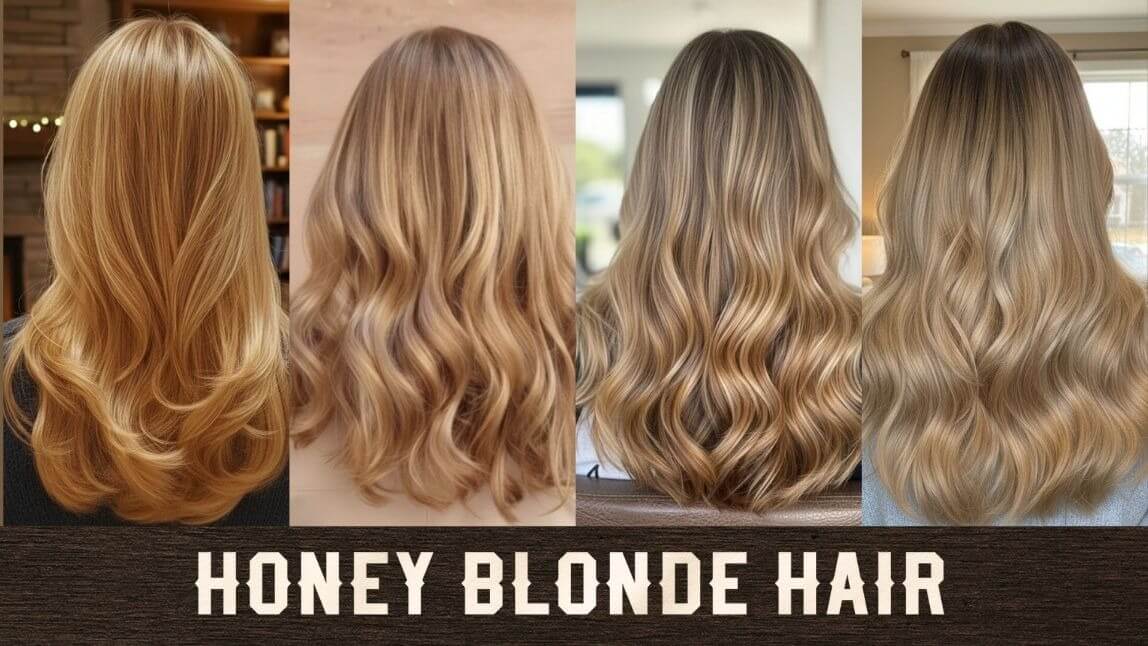
| Table of Contents |
|---|
What Color is Honey Blonde? 2026 Trend Explained
Honey blonde hair color is a rich, multi-tonal shade that perfectly balances golden yellow, amber, and warm brown pigments.
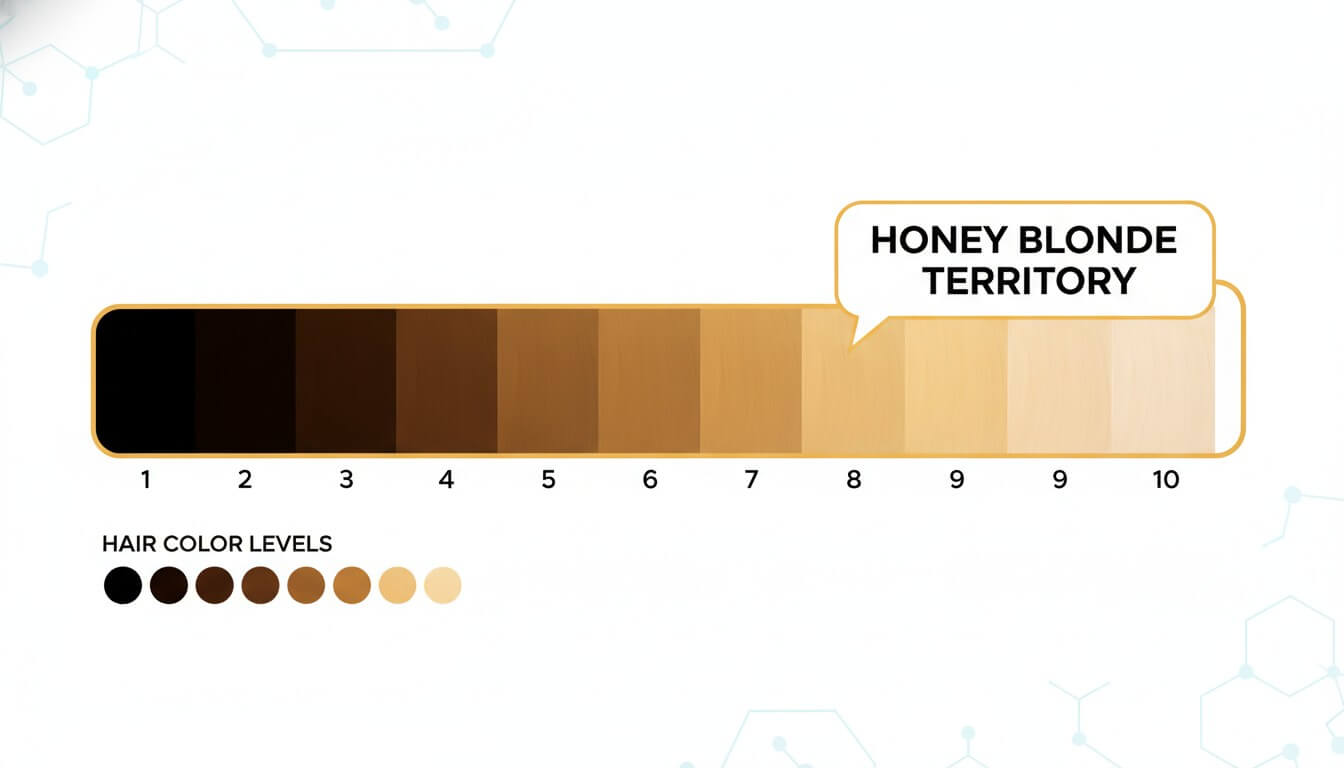
Unlike the starkness of platinum or the coolness of ash, honey blonde mimics the natural warmth of sun-kissed hair. In 2026, the trend has shifted toward "Dimensional Honey," where varying hair color levels (Level 8-10) are blended to create depth and movement.
Is Honey Blonde Attractive?
Absolutely. Its popularity stems from its versatility. It provides a "glow-up" effect by reflecting light toward the face, making it a top-tier choice for customer journey optimization in hair salons. It is perceived as approachable, healthy, and high-end, which is why it remains a staple for wig manufacturers and hair dye brands worldwide.
Defining the Shade: Golden vs. Honey
While often used interchangeably, golden blonde and honey blonde are distinct variations on the warm-toned blonde spectrum.
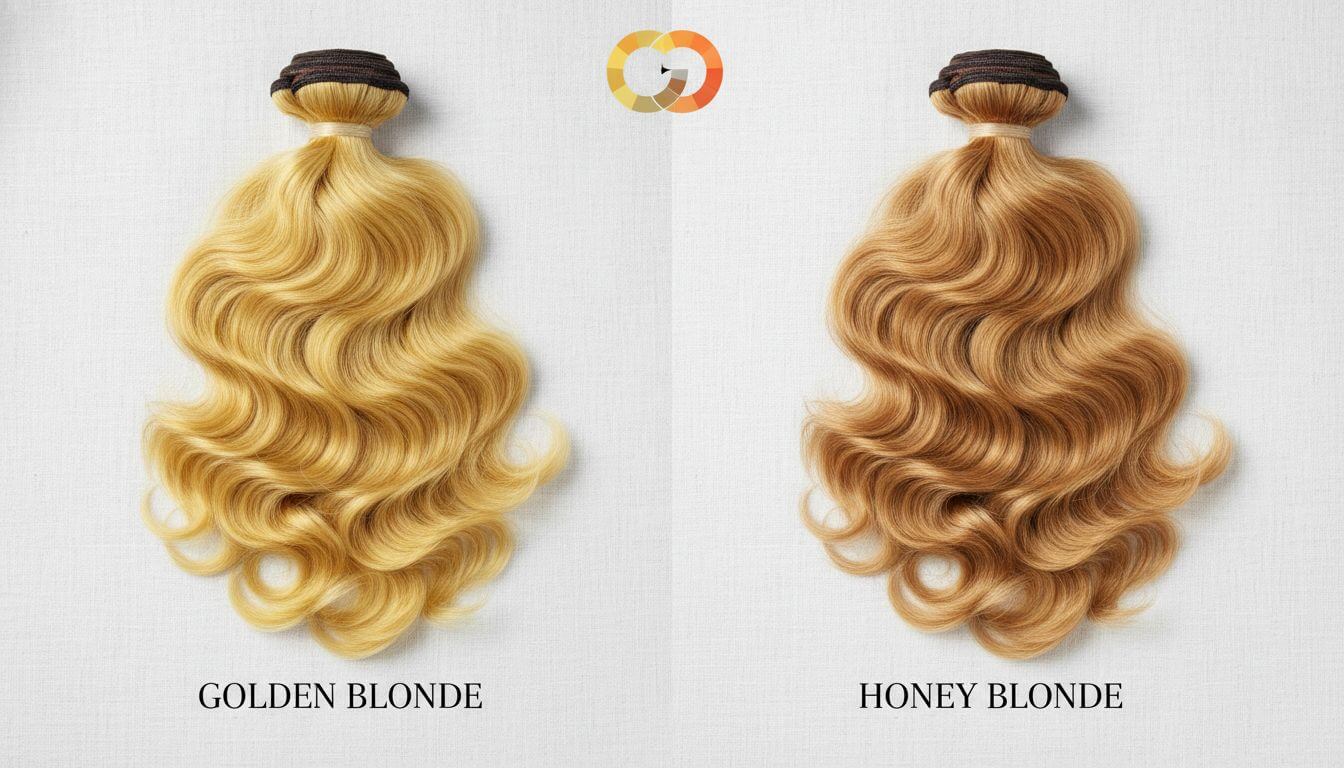
| Feature | Golden Blonde | Honey Blonde |
|---|---|---|
| Undertone | Pure yellow undertones | Blend of amber and soft brown notes |
| Overall Effect | Bright, sunny, light-reflective | Warm, rich, and caramelized |
| Depth of Color | Lighter and more luminous | Slightly darker with added depth |
| Complexion Compatibility | Best suited for specific skin tones | Flattering for a wider range of complexions |
| Styling Personality | Bold, radiant, high-energy | Soft, warm, and versatile |
Misidentifying a client's desire can lead to dissatisfaction and costly color corrections. Accurate visual representation ensures that when a user selects "honey," they receive that specific, rich warmth they crave.
How to Get the Perfect Honey Blonde
Based on professional insights, here is how to categorize honey blonde types and the specific colors stylists should blend to create them:
Golden Honey Blonde
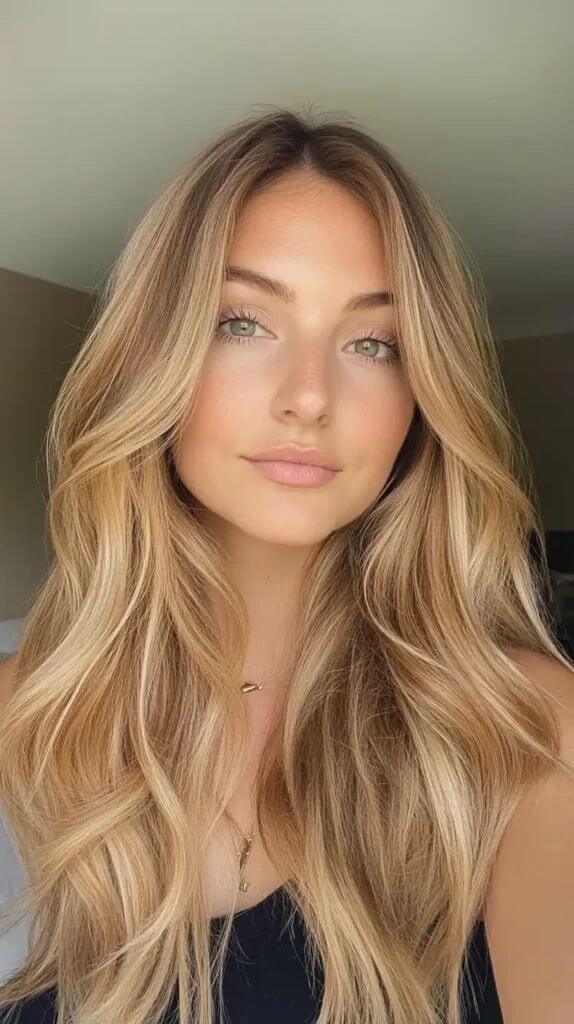
The classic, high-shine version. Stylists should blend pure gold pigments with a touch of warm beige to ensure the color looks radiant rather than brassy.
Amber Honey
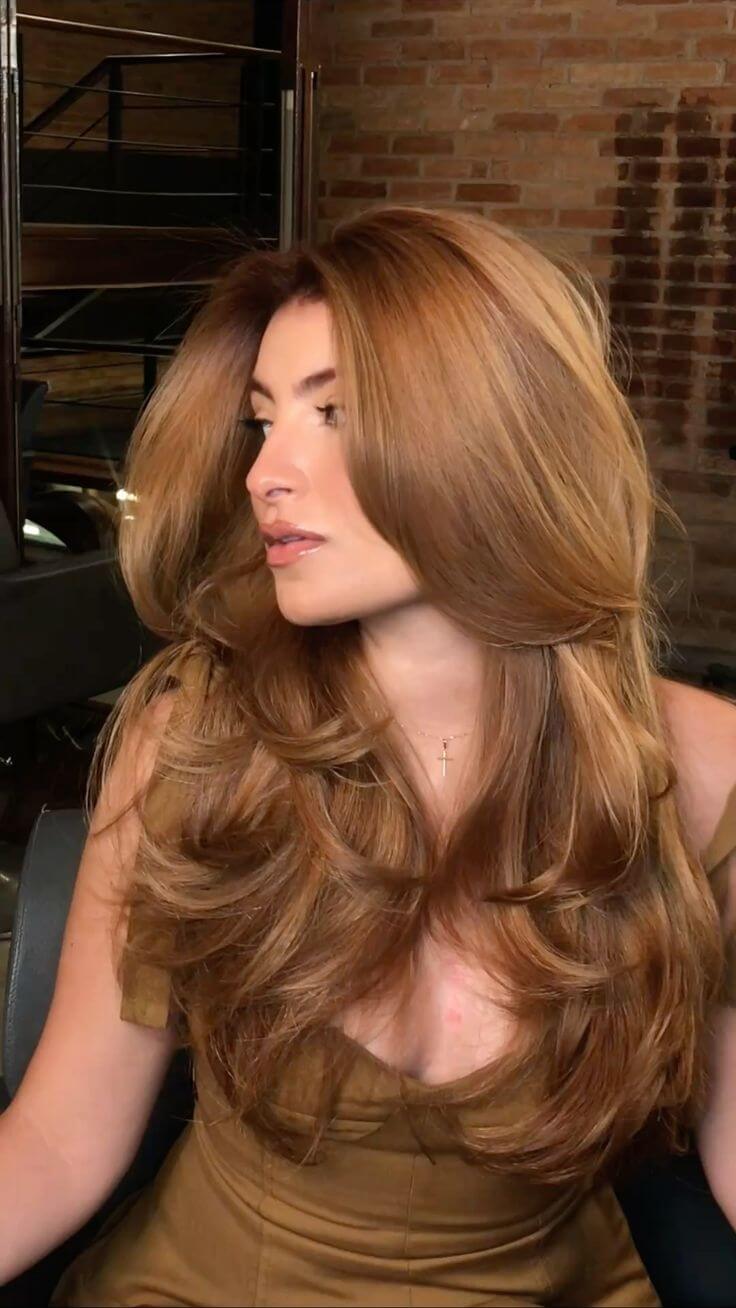
A deeper, richer variation that leans toward a sun-baked look. Blend warm copper or soft amber tones into a medium-blonde base (Level 7 or 8).
Caramel Honey
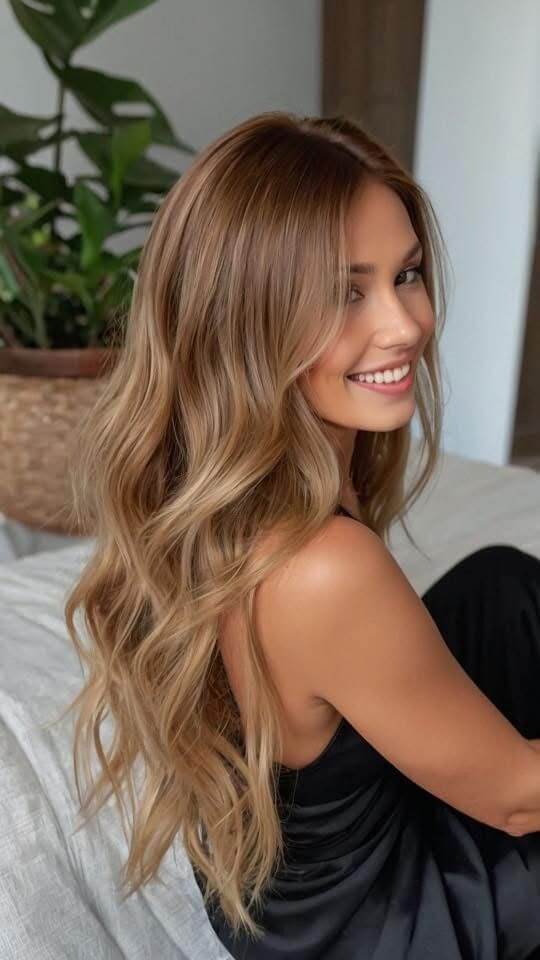
Ideal for adding depth to darker bases. Blend toffee or light brown tones with honey-gold highlights to create a multidimensional, "expensive" finish.
Creamy/Pearl Honey
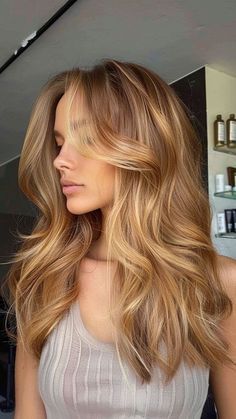
A muted version for cooler complexions. The blend should include violet or pearl toners mixed with a neutral beige-gold to keep the warmth sophisticated.
Butterscotch Honey
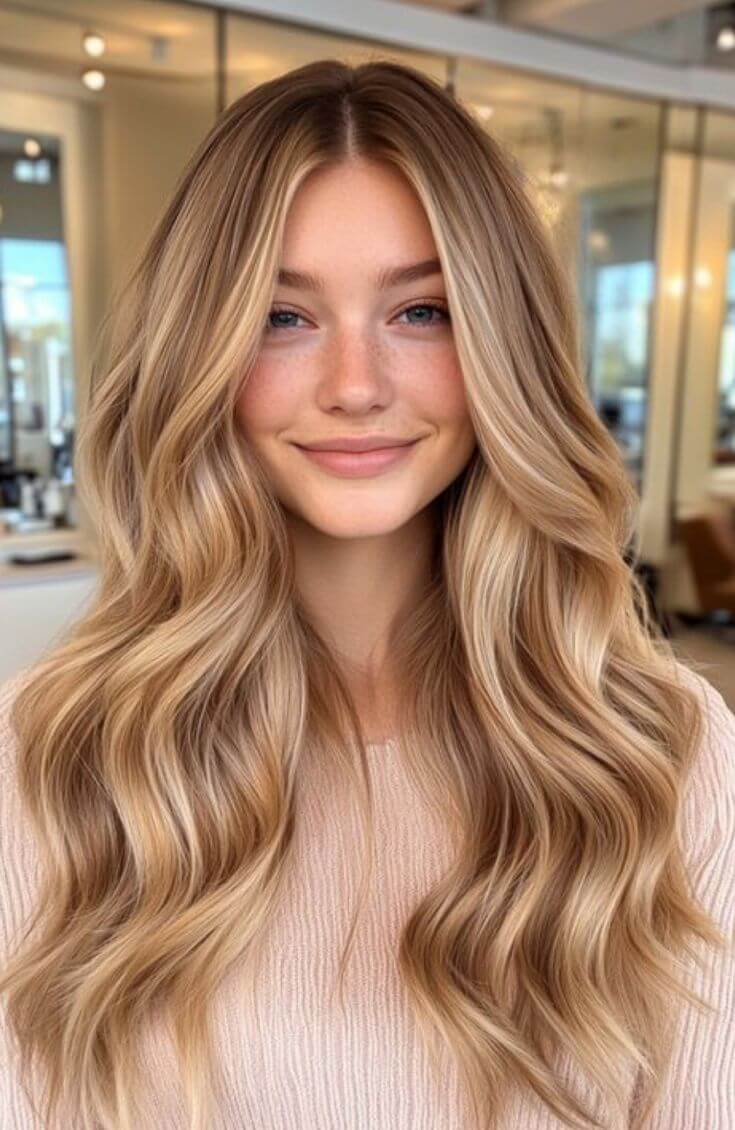
A bright, high-level blonde (Level 9 or 10). Blend pale yellow-gold with vanilla tones to maintain characteristic warmth without looking yellow.
Strategic Execution Tips
- Dimensional Blending: Instead of a single process, blend in lowlights (tan or oak shades) to make honey highlights "pop".
- Tonal Balancing: Use iridescent or soft violet hues during the toning phase to clean the base before applying the final honey glaze.
- Gradient Melting: Blend a soft brown or dark blonde (Level 7) at the roots into honey-gold mid-lengths to avoid harsh lines.
How to Match Honey Blonde to Skin Tones
To find the best shade, professionals must move beyond surface-level skin color and analyze skin undertones.
Step 1: Identify Skintone

Visit AI Skintone Analysis to analyze your client's specific skin tone. Simply open the camera or upload a photo to begin!
Step 2: Match Honey Blonde Variations to Undertone Profiles

Once undertones are identified, you can align each client with the most suitable honey blonde family.
- Cool Undertones X Pearl or Creamy Honey: Helps neutralize unwanted yellow or ashy tones, resulting in a cleaner, more balanced finish.
- Warm Undertones X Golden or Amber Honey: Amplify the warmth, enhancing radiance and creating a sun-kissed, healthy appearance.
- Neutral Undertones X Dimensional Honey Blonde: Add depth without overpowering the complexion.
Step 3: Set Clear Expectations with Visual Validation
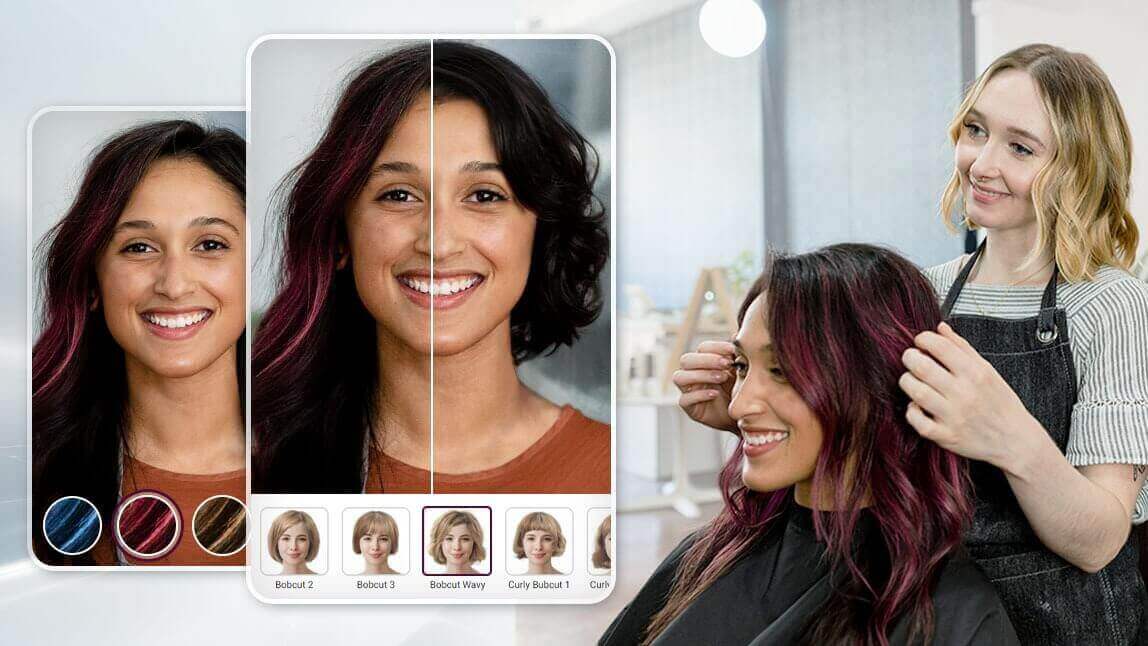
To help clients feel more confident in their decision, you can use an AI hair color changer to:
- Show visual previews of shade outcomes on the client’s own image
- Demonstrate how undertones influence the final color result
- Position honey blonde as a spectrum of shades, not a single outcome
Using AI Hair Color Changer to Master the Honey Blonde Transition
Once you have identified the ideal undertone, the next step in a professional consultation is providing "Visual Proof". Our Hair Color VTO technology allows brands and salons to move beyond static swatches and offer a dynamic, risk-free preview of every honey-toned possibility.
Core Capabilities for Honey Blonde Dye
- Hyper-Realistic Dimensional Rendering:
AI hair color changer supports full RGB color range, works on all hair types and styles, and from all angles. Allows users to see how subtle golden or pearly tones appear under natural lighting conditions rather than as a single, uniform color overlay.
- Precision Level Control:
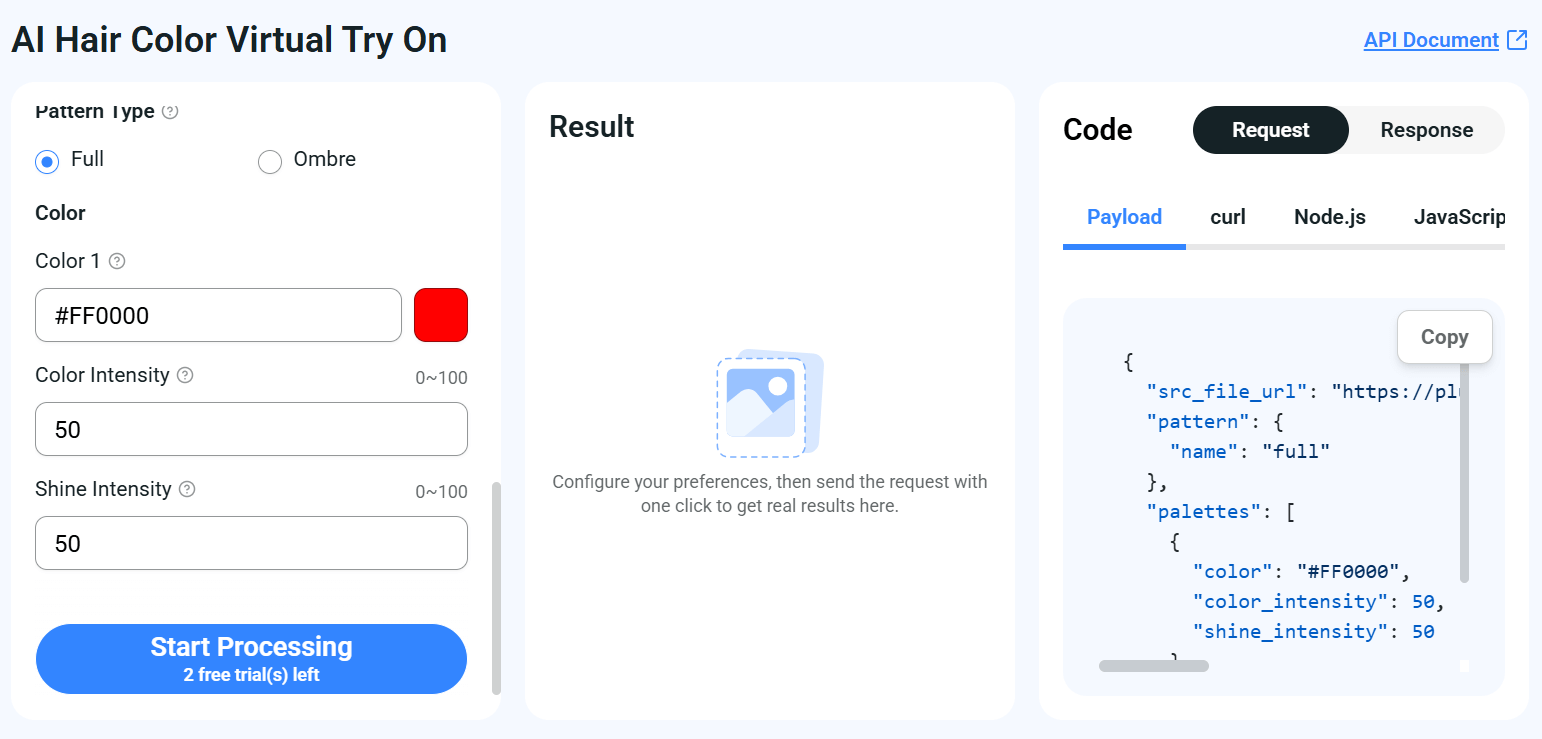
With adjustable shade and depth controls, users can preview variations such as a lighter pearl honey versus a richer golden honey, helping identify the level that best complements their complexion.
- Hair Dye Adjustment:
Unlike basic filters, our professional hair color changer can map honey blonde onto specific techniques such as Balayage, Ombré, or Face-framing highlights, allowing clients to see exactly where the color will sit.
- Base-Tone Prediction
The AI accounts for the client’s current hair color to show a realistic expectation of the final result, managing expectations for those transitioning from darker shades.
- Flexible Honey Blonde Color Patterns
Honey blonde is often expressed through creative placement rather than a single solid tone. The AI hair color changer supports multiple color patterns, including: Single-color application Ombré Half-and-half color Multi-color blending.
Why This Matters for Your Business
- Eliminate "Color Regret": By seeing the result before the dye is applied, clients feel 40% more confident in committing to a major color change.
- Streamlined Consultations: Reduce the back-and-forth between stylists and clients by using the VTO as a definitive communication tool.
- Reduced Product Waste: Ensure the right shade is chosen the first time, preventing costly re-dos and saving on professional dye inventory.
See how other business boost their sales with AI hair color changer>
Conclusion
Honey blonde isn’t one shade. By using AI skin analysis and hair color virtual try-on, businesses can help customers preview the most flattering honey blonde before committing, reducing uncertainty and improving decision confidence.
Try AI hair color changer to make honey blonde selection visual, personalized, and reliable.
Honey Blonde FAQ
What color is honey blonde?

Honey blonde is a warm, golden blonde shade with subtle yellow and amber undertones. Inspired by the color of fresh honey, it delivers a bright, natural-looking glow without appearing too dark.
What color hair makes a 50 year old look younger?
For a more youthful look after 50, choose warm, soft shades such as honey blonde, caramel, copper, or rich chestnut. Techniques like balayage or babylights add dimension, brighten the complexion, and blend gray hair naturally. These warmer tones mimic natural highlights, while very dark or cool shades can make the complexion appear dull.
Is honey blonde hair attractive?
Yes, honey blonde hair is widely admired for its warm, golden tones that create a natural, sun-lit glow. This shade adds softness and brightness to facial features, complements a wide range of skin tones, and delivers a healthy, dimensional look without the starkness often associated with cooler blondes.
What two colors make honey blonde?
Honey blonde is a summer favorite, combining golden hues with hints of amber for a naturally warm, sun-kissed finish that feels light, bright, and inviting.
What skin tone suits honey blonde?
Honey blonde is a warm, golden tone that naturally complements warm and neutral skin tones by enhancing golden, peach, or olive undertones. For cooler complexions, it can be adjusted with beige or neutral tones to create a balanced, sun-kissed effect that suits a wide range of skin types.