Author:


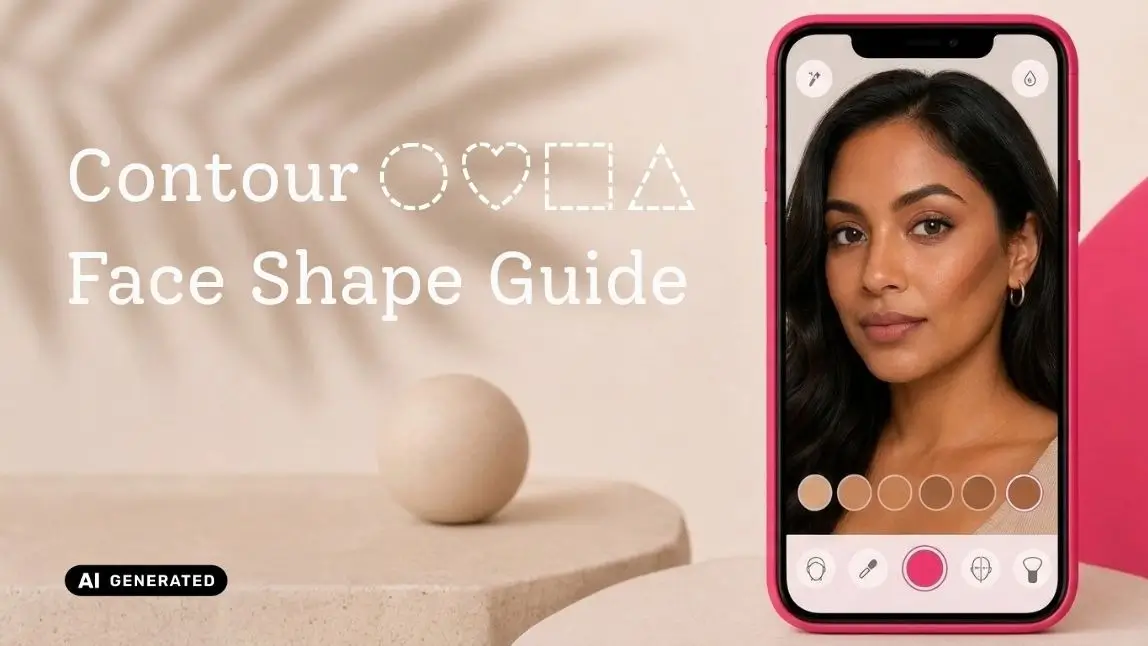
To help a client contour for their face shape, start by identifying the shape (oval, round, square, heart, oblong or diamond), then place a matte, slightly cool shade where natural shadows fall: under the cheekbones, along the temples, jaw or hairline, depending on which features the client wants to soften or define. Blend until there's no visible edge, and finish by showing the client how to repeat it at home.
Face shape is a starting point, not a rulebook. The best results come from a short consultation, the right shade and a placement the client can recreate on their own. This contour face shape guide gives beauty advisors, makeup artists and brand education teams a repeatable way to do that, and shows where digital tools can make the consultation faster and more consistent.
At a Glance
- Contour mimics shadow, so it works best in a matte formula one or two shades deeper than the client's skin, usually with a cooler or neutral undertone.
- Face shape tells you where to start; the client's goals and features tell you how far to go.
- Placement differs by shape: round faces often get structure along the sides, square faces get softened corners, and longer faces get shortened at the hairline and chin.
- Blending and teaching the routine matter as much as placement.
- AI face shape detection and virtual try-on can help clients see options before any product touches their skin.
What Contouring Does (and How It Differs From Bronzer)
Contouring uses a deeper shade to create the look of natural shadow, which can make some areas appear to recede and others stand out. Highlighter does the opposite, catching light on the high points of the face.
Clients often mix up contour and bronzer, so it helps to explain the difference early. Kevyn Aucoin's Nick Lujan told Marie Claire that bronzer typically has a warmer, golden or peach undertone and a bit of glow, while contour should have a cooler undertone and a "matte/light-absorbing finish to help push features back." Bronzer goes where the sun naturally hits; contour goes into the hollows. A matte bronzer can stand in for contour, but Makeup.com notes that shimmer will undermine the shadow effect.
How to Identify a Client's Face Shape
Before you reach for a brush, look at four areas with the client's hair pulled back, facing a mirror in even light:
- Forehead width across the widest point.
- Cheekbone width from the outer edge of one cheekbone to the other.
- Jawline: whether it is angular or rounded, and how wide it is at the corners.
- Face length from the center of the hairline to the tip of the chin.
Compare these points rather than measuring to the millimeter; many faces combine traits of two shapes. Frame the result as a description, never a judgment: you're identifying where light and shadow already fall, not deciding what needs to be "corrected." Ask the client what they want to emphasize, whether that's cheekbones, a defined jaw or a softer overall look, and let that guide the plan.
Contour Placement for Each Face Shape
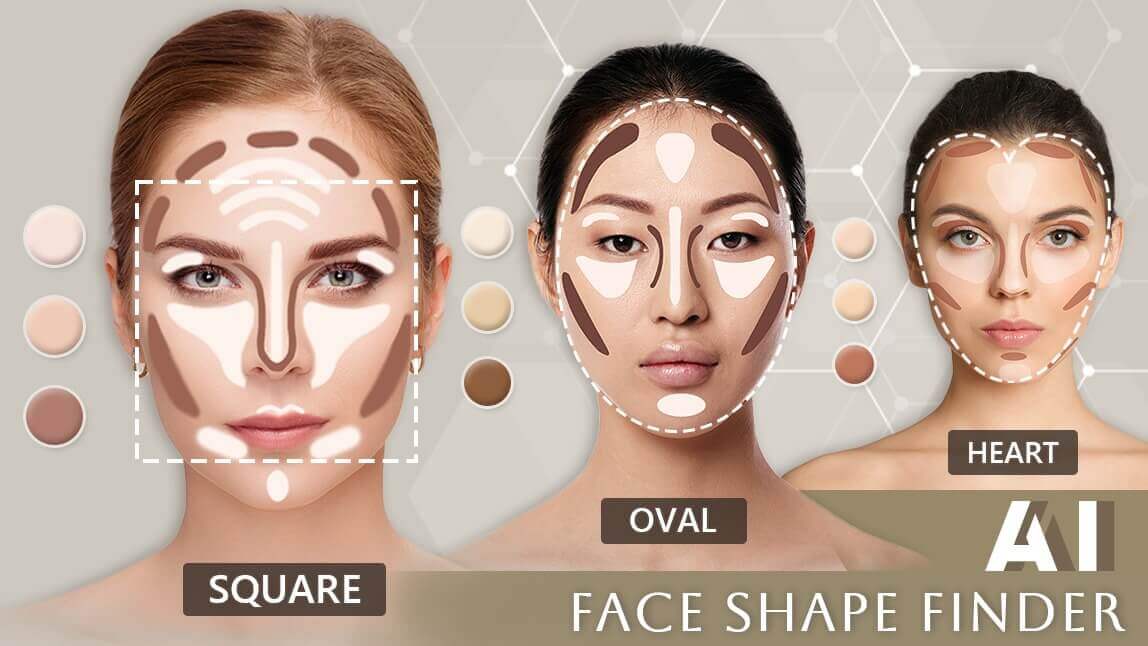
Brand guides such as Benefit Cosmetics and Smashbox broadly agree on where to start for the most common shapes. Use the table below as a consultation reference, then adjust for each client.

| Face shape | Typical traits | Where to start contouring |
|---|---|---|
| Oval | Slightly longer than wide, gentle curves | A light touch under the cheekbones and at the temples to add definition without changing proportions |
| Round | Similar width and length, widest at the cheeks, soft jaw | Along the outer face, sides of the forehead and under the cheekbones to add structure |
| Square | Forehead, cheeks and jaw of similar width, angular jaw | Temples and the corners of the jaw to soften angles, plus high on the cheekbones |
| Heart | Wider forehead, tapering to a narrower chin | Outer forehead and temples, blended outward, with soft cheek contour |
| Oblong | Noticeably longer than wide, straight sides | Along the hairline and under the chin to visually shorten, with cheek contour kept horizontal |
| Diamond | Widest at the cheekbones, narrower forehead and jaw | Just below the cheekbones and at the tip of the chin; highlight the forehead center to balance width |
The oval, round, square, heart and oblong starting points follow the Benefit and Smashbox guides; the diamond guidance is an editorial recommendation based on the same light-and-shadow logic. As Benefit puts it, face shape is a guideline, so treat these as a first draft you refine with the client.
How to Choose the Right Contour Shade
The wrong shade is the most common reason contour looks muddy or stripy. Charlotte Tilbury recommends a contour about two tones deeper than the client's foundation, with cooler tones reading most like a natural shadow. Adjust by depth:
- Fair skin: soft taupes or fawn shades that won't overpower the complexion.
- Medium and tan skin: a shade deep enough to show, but avoid tones that lean too grey, which can look muddy.
- Deep skin: a rich shade that shows up clearly without turning ashy.
Swatch two or three options along the jaw and check them in daylight if you can. Texture matters too: cream contour suits clients who want a skin-like finish and blend with fingers or a sponge, while powder is easier to build gradually over set foundation.
A Pro Consultation Workflow You Can Repeat
A consistent process makes contour easier to teach across a counter team and easier for clients to remember. Here's a five-step flow that works in store, in a salon chair or on a video call.
1. Start with the client's goal
Ask how they wear makeup day to day and what they want from contour: everyday definition, a camera-ready event look or simply learning the technique.
2. Identify the face shape together
Walk through the four reference points in a mirror so the client understands the "why" behind each placement.
3. Map, then apply lightly
Place small amounts of product where the shadow should sit, starting further back toward the ear or hairline. It's easier to add intensity than to remove it.
4. Blend until edges disappear
Blend upward and outward so the contour reads as shadow rather than a line. Add highlighter to the high points last, keeping it separate from the contour.
5. Teach the routine and recommend products
Have the client do one side themselves while you guide them. Close with the specific shade, formula and tool you used, so the recommendation is tied to what they just saw working.
Common Contouring Mistakes to Coach Clients Through
- Placing cheek contour too low or too close to the mouth, which can drag the face down. Keep it under the cheekbone, angled toward the top of the ear.
- Using a warm, shimmery bronzer as contour, which adds glow instead of shadow.
- Skipping blending or blending in only one direction, leaving visible stripes.
- Going too dark for daytime. Suggest a lighter hand or a sheerer formula for everyday wear.
How AI Can Support Face Shape Contour Consultations
The hardest parts of a contour consultation to scale are consistency and visualization: two advisors may read the same face differently, and clients often struggle to picture a placement or shade before it's applied.

Perfect Corp's AI Face Analyzer can detect face shape along with other facial structure, color and ratio attributes in a single scan, and it can be deployed through a web module, API, mobile app SDK or in-store consultation setup. For a beauty brand or retailer, that can give advisors and online shoppers a consistent starting point for contour recommendations, framed as descriptive information rather than a judgment.
Once the shape is identified, the AI Makeup virtual try-on lets clients preview contour, bronzer, blush and highlighter in real time on a live camera or photo, across shades and finishes. That supports a "show, then apply" workflow at the counter and gives online shoppers a way to compare contour shades before buying.
You can see the idea in the virtual contour try-on demo, and our guide to AI face shape analysis for contour recommendations covers the technology side in more depth.
Bring Personalized Contour Guidance to Every Client
Perfect Corp's AI Face Analyzer and AI Makeup tools can help your team turn face shape insights into contour recommendations clients can see and try for themselves. Talk to our team about bringing face analysis and virtual contour try-on to your counters, salons or online store.