 Author: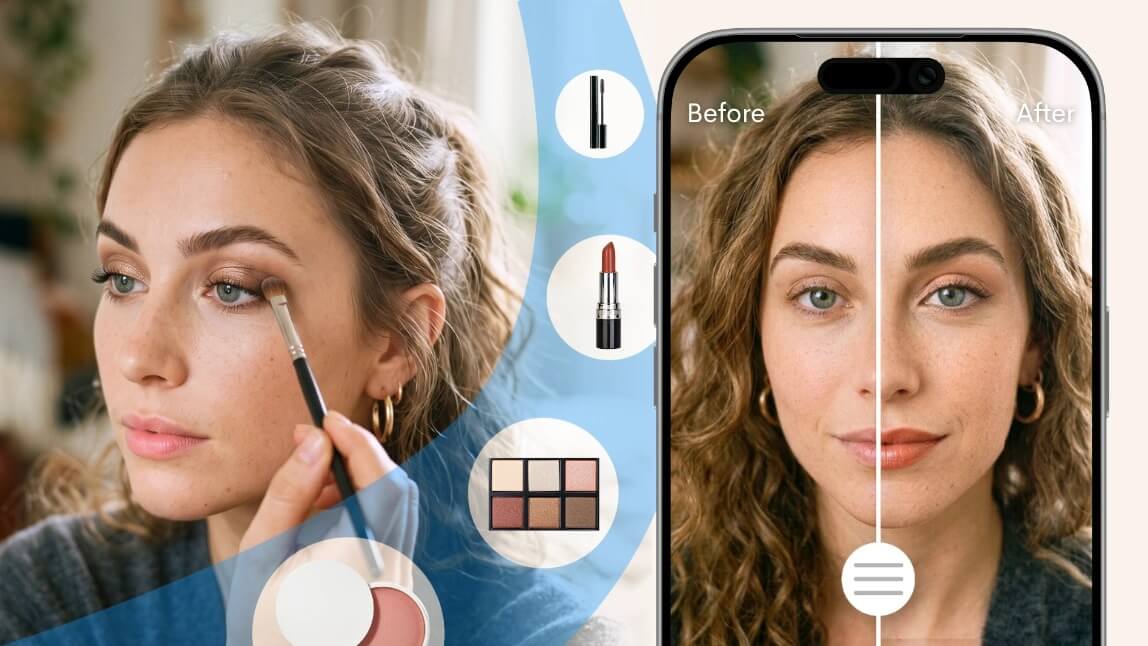
Ask ten people what order full face makeup goes in and you'll get ten different answers, half of them wrong. Skip a step, apply products out of order, or rush the blending, and even expensive products end up looking patchy by lunchtime. This guide walks through the correct order for a complete face of makeup, then demonstrate how AI can currently achieve virtual makeup, and teach users step-by-step how to apply makeup.
*Images designed by YouCam AI
What's the Correct Order for Applying a Full Face of Makeup?
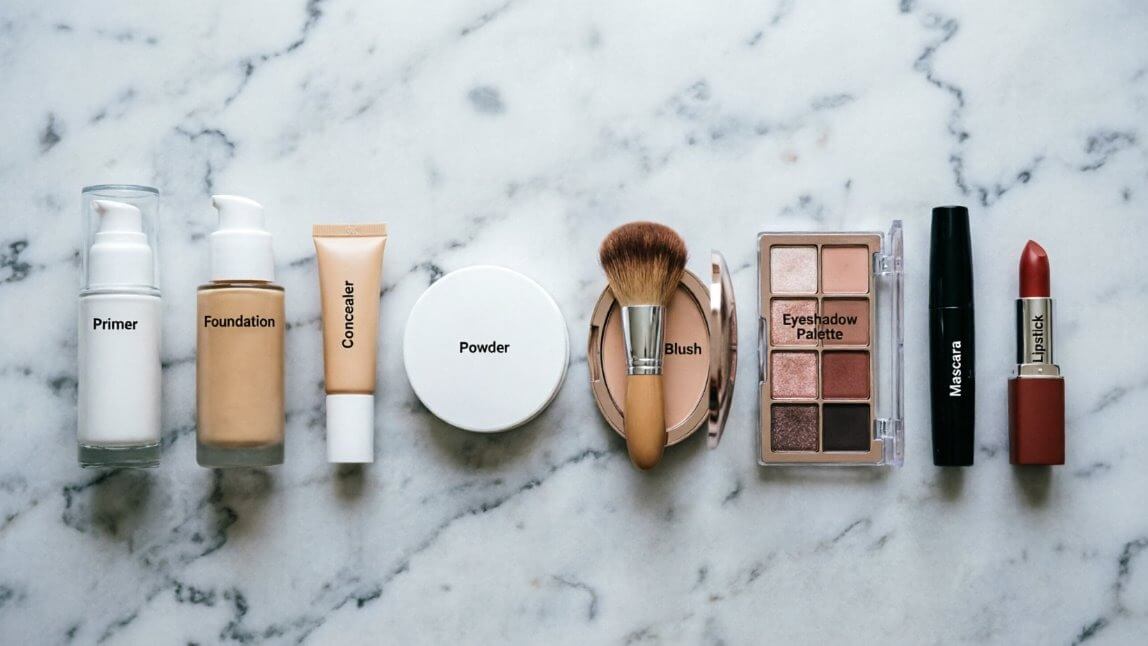
The order matters because each layer needs the one before it to be set and settled. Working out of sequence is the single biggest reason makeup looks muddy or slides around during the day.
| Step | Product | Why This Order |
|---|---|---|
| 1 | Skincare + Primer | Creates a smooth, hydrated base for everything else to grip |
| 2 | Foundation | Evens out tone before any spot-correction happens on top |
| 3 | Concealer | Targets remaining discoloration and under-eye area after foundation, not before |
| 4 | Setting Powder | Locks in base makeup so it doesn't shift during eye and cheek work |
| 5 | Eyes | Fallout from eyeshadow is easier to clean up before blush and lips go on |
| 6 | Blush and Contour | Shapes and warms the face once the base is fully set |
| 7 | Lips | Applied last so nothing smudges it during earlier steps |
| 8 | Setting Spray | Melds every layer together and extends wear time |
How AI Powers Virtual Makeup Try-On
AI-driven virtual try-on transforms the beauty experience by simulating real cosmetic products digitally:
High-Precision Mesh Tracking
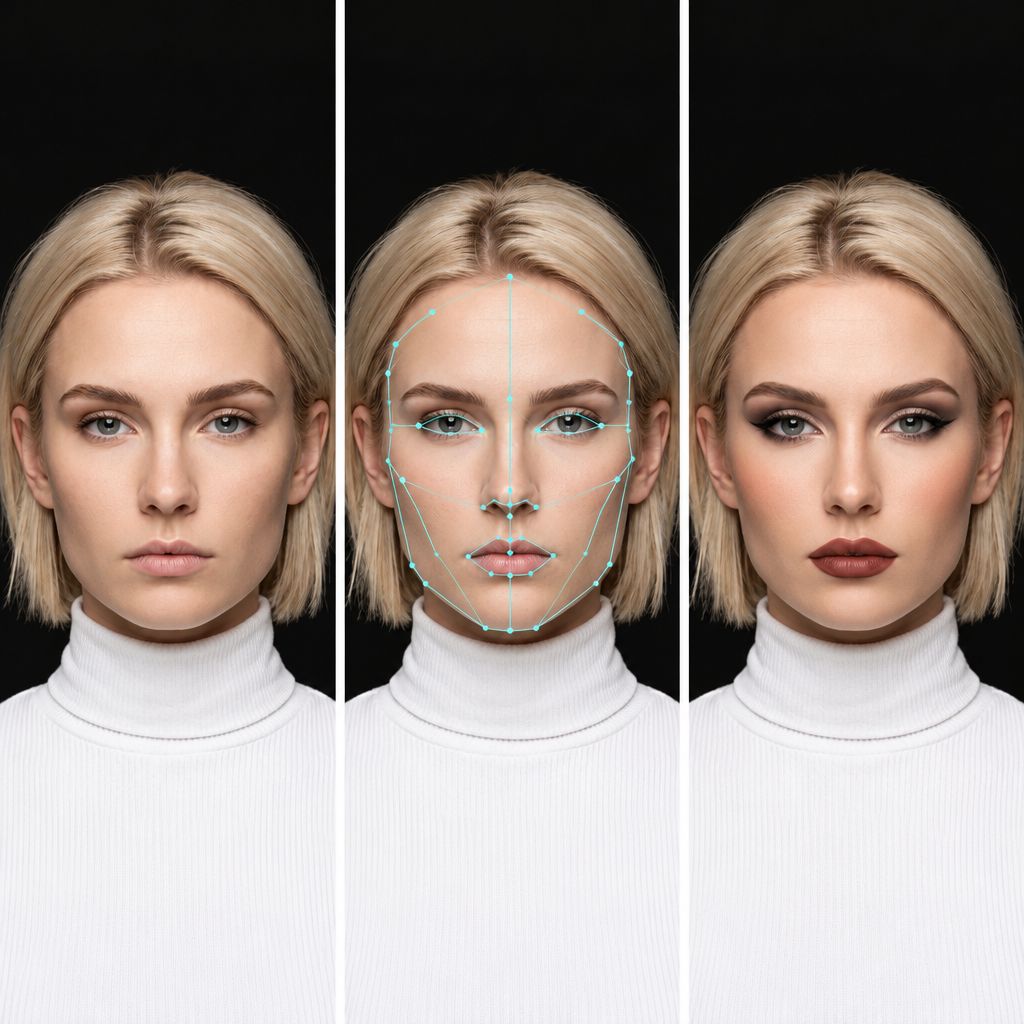
Advanced deep learning models detects face features across facial contours in real time, accounting for natural head movements, facial expressions, and dynamic lighting.
Realistic Texture & Finish Rendering
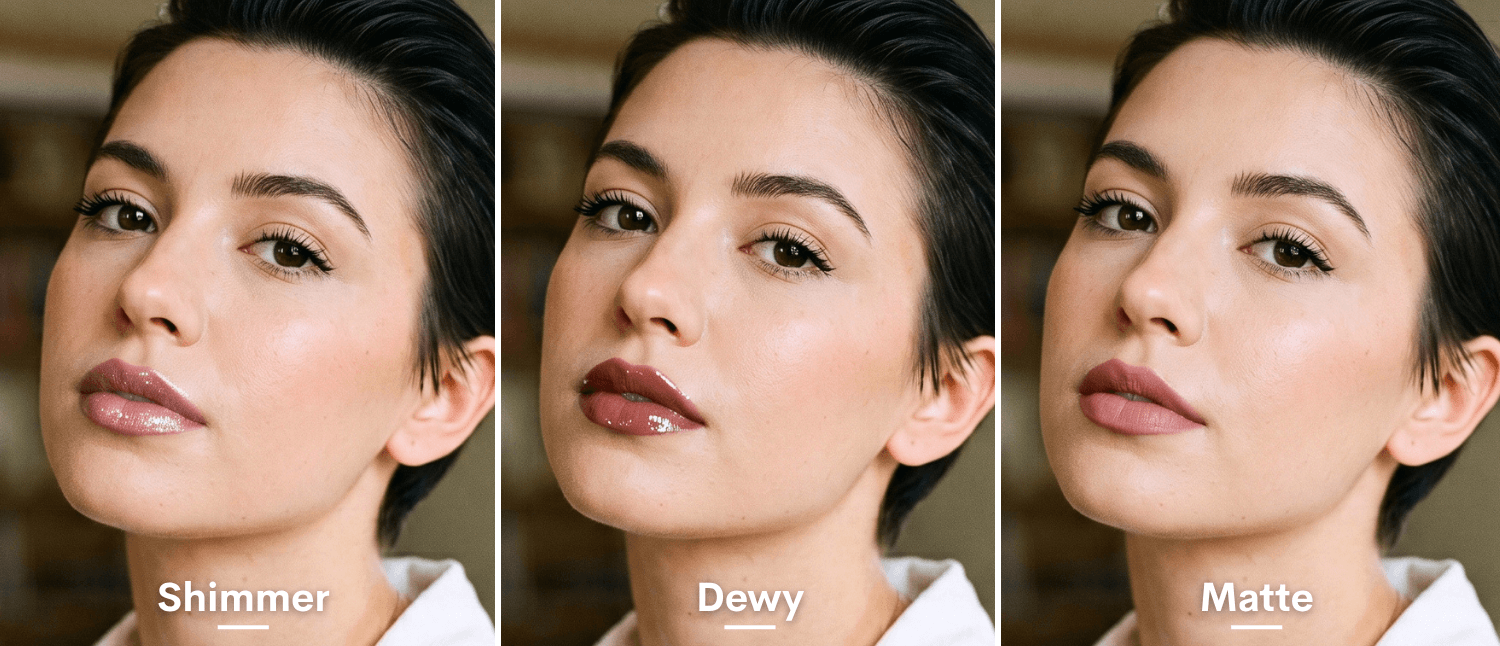
The technology renders exact pigment payoff along with finishes like matte, satin, dewy, gloss, and shimmer—replicating how lipstick, eyeshadow, foundation, or blush looks under real conditions.
Smart Shade & Undertone Matching
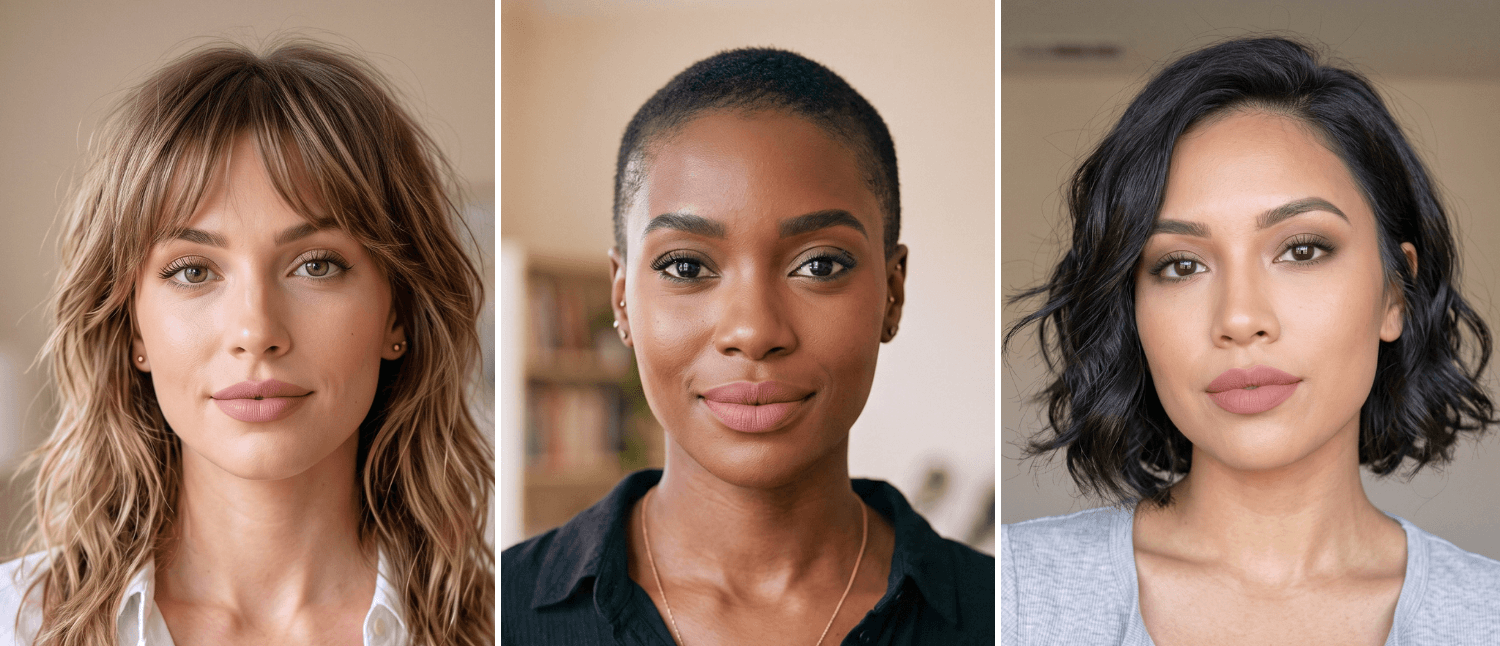
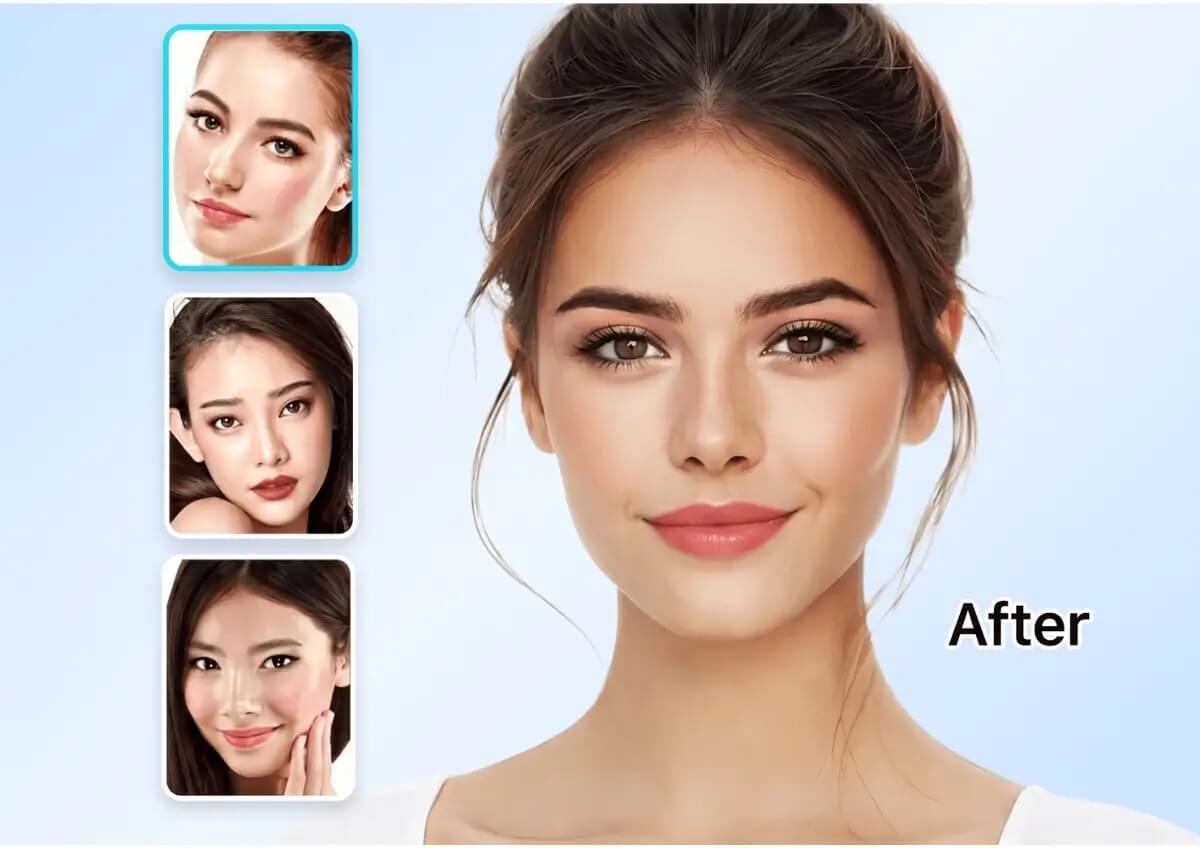
Machine learning algorithms evaluate skin tones and lighting to recommend tailored shades, helping users test complete looks digitally before purchasing or applying real products.
How to Prep Skin Before Applying Makeup? Let AI Answers
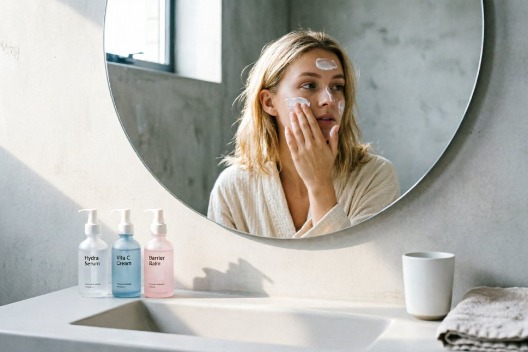
Makeup only looks as good as the skin underneath it.
A quick three-step prep routine, cleanse, moisturize, and prime, prevents foundation from clinging to dry patches or sliding off oily areas by midday.
Letting moisturizer fully absorb for a minute or two before primer is the step most people skip, and it's the one that prevents pilling.
Teach consumers how to assess their skin health and hydration levels by first using AI skin analysis to check their facial skin condition in just a few seconds, followed by the subsequent makeup application steps.
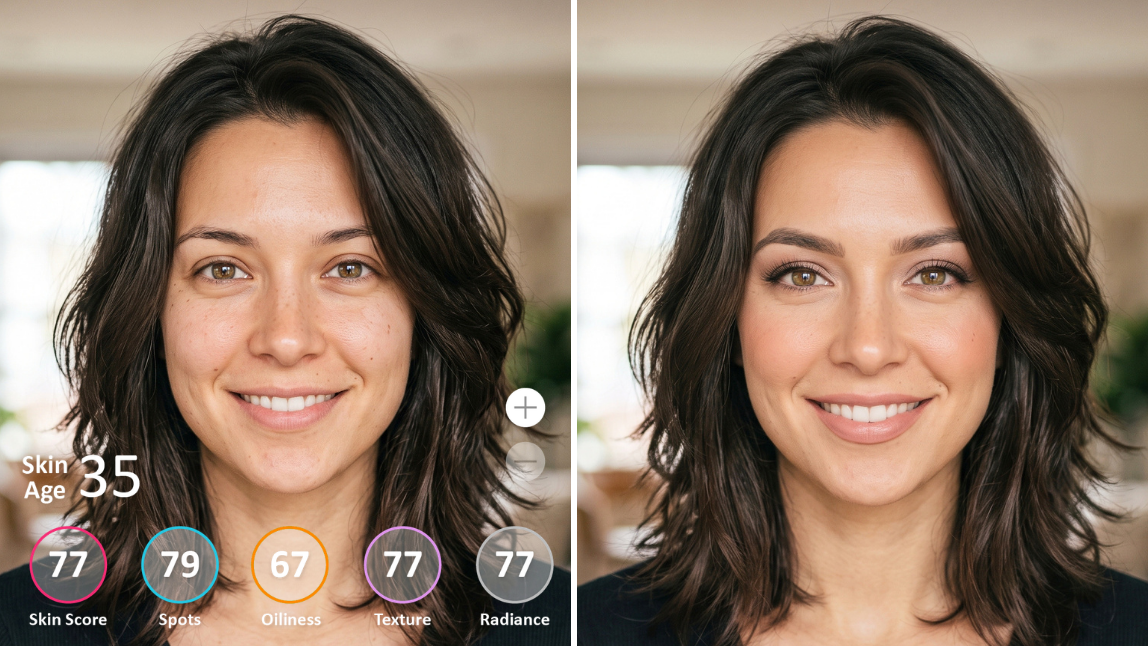
How Does AI Show Customers: How to Apply Foundation for a Flawless Base?
Start from the center of the face, where discoloration is usually heaviest, and blend outward toward the hairline and jaw.
A damp sponge gives the most natural, skin-like finish, while a brush gives more buildable coverage for photos.
Whichever tool you use, blend down into the neck line so there's no visible edge where foundation stops.
Using AI, you can first detect the consumer's skin tone, then recommend a suitable foundation, and even teach readers step-by-step how to apply makeup.
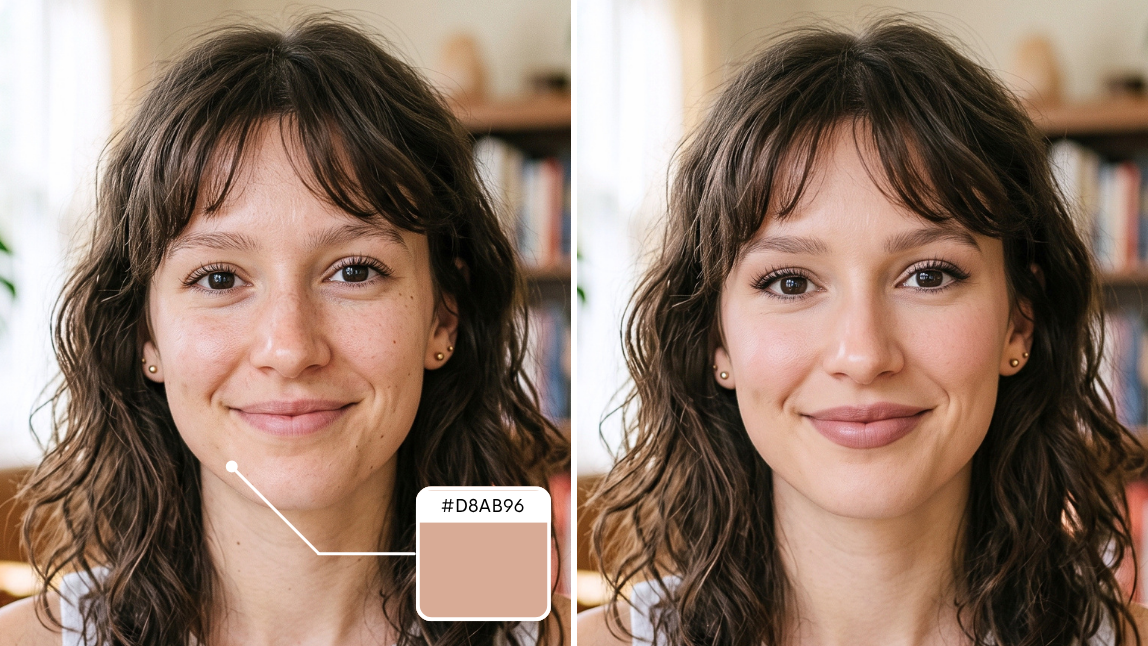
See How AI Display: Where Should Concealer Go, and How Much Do You Need?
Concealer works hardest in three spots: under the eyes, around the nose, and over any remaining blemishes.
Applying it in a triangle shape under the eyes, rather than a single dot, brightens the whole under-eye area instead of just masking a small circle.
A little goes further than most people expect, patting rather than rubbing keeps coverage intact.
Sometimes when words alone aren't enough to accurately convey makeup application techniques, AR videos even allow readers to open their phones and try it step-by-step on their own faces.
How Do You Make Eye Makeup and Blush Look Natural Together?
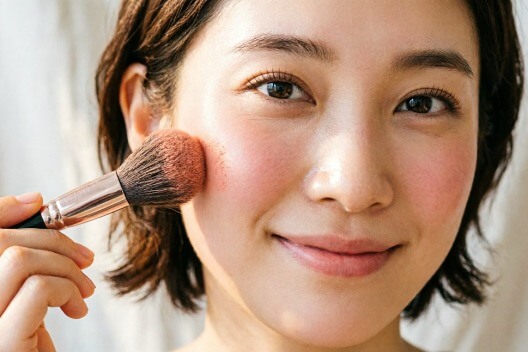
Neutral eyeshadow paired with a blush shade one or two tones warmer than your natural flush reads as effortless rather than done-up.
Smiling while applying blush helps target the natural apple of the cheek, which is where color looks most flattering in daylight and in photos alike.
Try it out and let AI apply makeup directly onto your face; you can also use Claude for one-click installation onto brand devices.
What's the Best Way to Make Lipstick Last All Day?
Lining lips before filling them in, then blotting with a tissue and applying a second thin layer, roughly doubles wear time compared to a single swipe straight from the tube. Setting powder pressed lightly over the lips before color goes on also helps matte formulas grip better.
Frequently Asked Questions About Full Face Makeup Application
What is the correct order to apply makeup?
Skincare and primer first, then foundation, concealer, setting powder, eyes, blush and contour, lips, and finally setting spray.
Should concealer go before or after foundation?
After. Foundation evens out overall tone first, so concealer is only needed for spots that still need extra coverage.
How do you keep a full face of makeup from looking cakey?
Apply thin layers and let each one set before adding the next, and avoid over-powdering areas that are already matte.
How long does a full face of makeup take to apply?
Most routines take 15 to 25 minutes once the order and techniques are familiar, longer for more detailed eye looks.
How can I know if a makeup look will suit me before I apply it?
A virtual try-on tool like Perfect Corp's AI Makeup Virtual Try-On lets you preview a full look on a photo of your own face first, so you're not guessing at the mirror.
Preview Your Full Face Makeup Look Before You Apply It
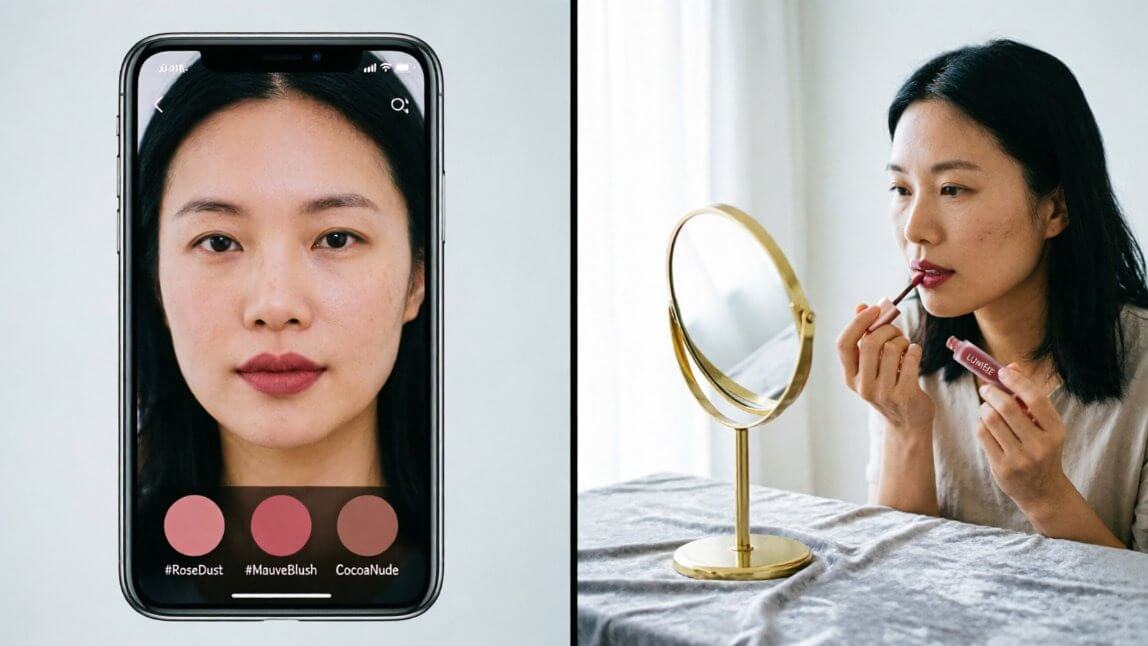
Explore Perfect Corp's AI Makeup showcase to see the virtual try-on technology in action, or visit the AI Makeup Virtual Try-On product page to learn how beauty brands integrate this experience for their own customers. Developers can explore the underlying capability directly in the API Playground.