


Flat midface or fuller, lifted cheeks? Stop guessing. Perfect Corp's AI Aesthetic Simulator turns one selfie into a realistic cheek filler before and after preview in seconds. Adjust the intensity from subtle to bold, then compare side by side. Built for med spas, aesthetic clinics, and filler brands. *Image designed by YouCam AI
Cheek Filler Before and After
Flat midface or fuller, lifted cheeks? Stop guessing. Perfect Corp's AI Aesthetic Simulator turns one selfie into a realistic cheek filler before and after preview in seconds. Adjust the intensity from subtle to bold, then compare side by side. Built for med spas, aesthetic clinics, and filler brands. *Image designed by YouCam AI
HOW IT WORKSRealistic Cheek Filler Previews Mapped to Each Unique Face
Realistic Cheek Filler Previews Mapped to Each Unique Face
Our AI reads each user's own facial structure, from cheekbone position and midface fullness to face width and overall proportion. It then adjusts only the cheek zone, so skin texture, lighting, and expression stay true to the original photo.
Pair it with AI Facial Proportion Assessment to show how the midface relates to the rest of the face before the treatment plan is set.
WHY IT CONVERTSNatural vs Overfilled: Let Patients Choose the Look First
Natural vs Overfilled: Let Patients Choose the Look First
The most common worry about cheek filler is looking overdone, with cheeks that sit too high, look too round, or feel out of proportion. An intensity slider answers that worry visually.
Patients can see where subtle ends and too much begins, and providers get a shared reference point for the treatment discussion. Saved previews also make follow up visits easier to plan and compare.
What Is Cheek Filler and What Changes Before and After?
Cheek filler is a non-surgical injectable treatment, most often a hyaluronic acid (HA) gel, placed over and around the cheekbones to restore or add midface volume. Providers typically describe the before and after changes as more defined cheekbones, softer hollows under the cheeks, a fresher midface, and in some cases a lighter look of nasolabial folds.
Depending on the product and the person, results are commonly reported to last about 6 months to 2 years, with the final shape settling over roughly 2 weeks as swelling fades. The catch? Patients can't see any of it until after treatment. An AI before and after preview helps close that gap. Want to compare zones?
See our chin filler before and after and lip filler before and after simulators, or the full Aesthetic Simulation suite. *Please note that AI only simulates potential post-filler appearance as a consultation aid. It is not a medical assessment, and actual outcomes must be discussed with a licensed doctor.
How to Use the Cheek Filler Before and After Simulator? Two Simple Steps!
Upload or Take a Selfie
Snap a front facing photo or upload one taken in soft, even light. Pull hair away from the face and keep a neutral expression so the AI can read the full cheek and midface area. That's all the prep you need.

Choose Cheek Fillers and Slide to Compare
Select Cheek Fillers under the Face zone, then drag the intensity from barely there to bold volume. Toggle between before and after instantly, find the look that feels natural, and save it to guide the consultation.
Who Benefits from an AI Cheek Filler Before and After Preview?
One selfie gives patients clarity and gives your team a more productive consultation.

Med Spas and Aesthetic Clinics
Patients who see a preview on their own face tend to arrive with clearer, more realistic expectations. Use the simulator at the front desk or in the treatment room to open the cheek filler conversation with a picture instead of a guess.
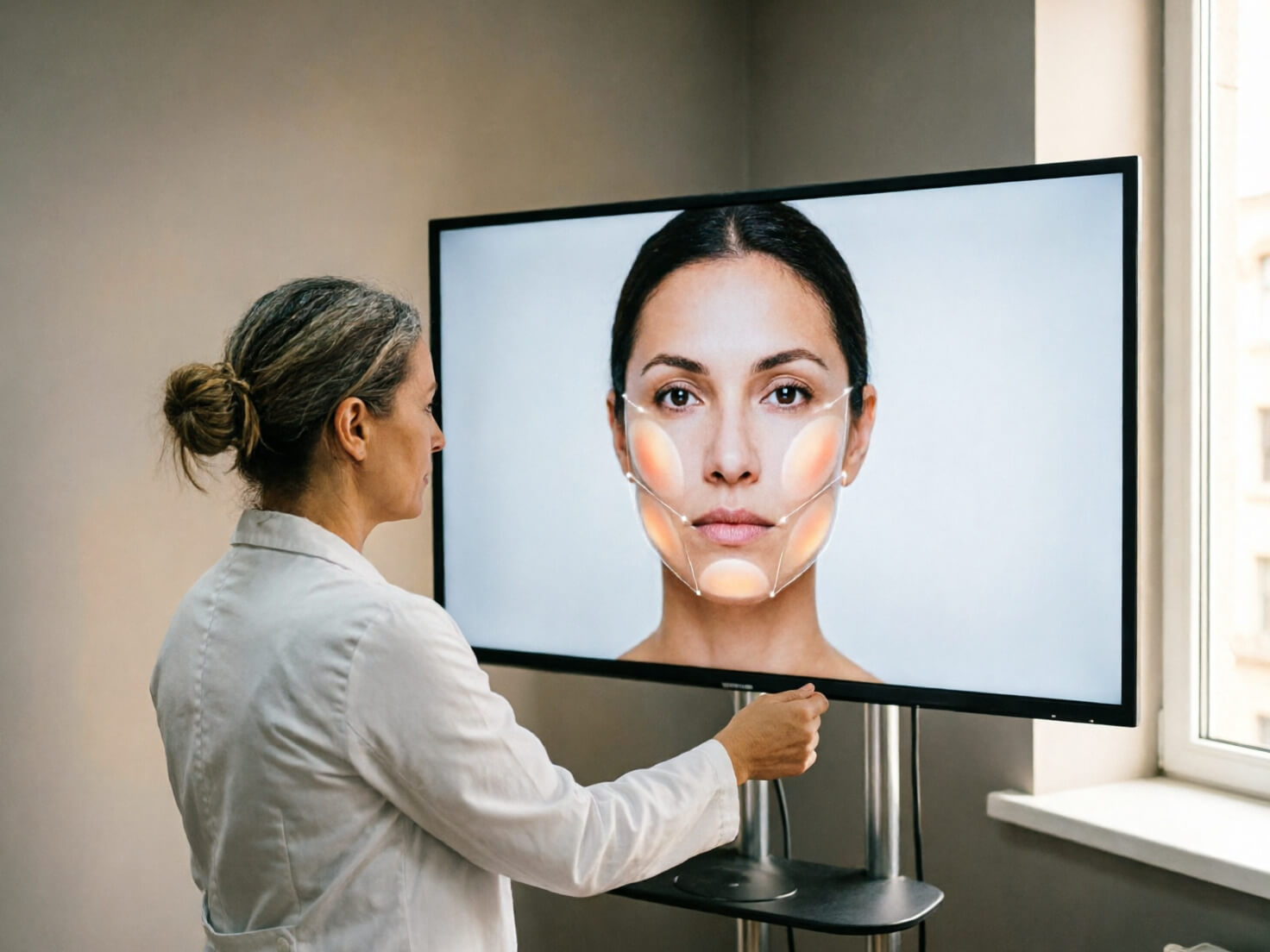
Plastic Surgeons and Facial Balancing Experts
Cheeks rarely work alone. Walk patients through full face balancing by previewing cheek filler next to chin fillers, jawline contouring, temples fillers, and nasolabial folds in the same session.

Aesthetic Brands and Filler Manufacturers
Embed the simulator on your website or app so curious browsers can explore a cheek filler look at home. Pair the preview with a clear Book a Consultation step to turn interest into qualified leads for your provider network.
Cheek Filler Before and After FAQ
How long does cheek filler last?

Most sources put cheek filler longevity at roughly 6 months to 2 years, depending on the product used, the amount placed, and how each person's body metabolizes it. Hyaluronic acid fillers gradually break down over time, so touch ups are usually discussed once results start to soften. Your provider can explain what to expect for your own case.
How many syringes of filler do you need for your cheeks?
It varies. Sources commonly cite 1 to 2 syringes total for mild volume loss and more for bigger changes, often described as 1 to 3 syringes per side. The right amount depends on cheekbone structure, existing volume, and the goal. Previewing results with an AI simulator helps patients and injectors agree on a target before treatment.
How long does cheek filler take to settle?
Some change is usually visible right after treatment, but swelling often peaks in the first 24 to 48 hours. Many providers say the final shape settles in about 2 weeks, so before and after photos are best compared after that point. Always follow your provider's aftercare guidance.
Do cheek fillers look natural?
When placed conservatively by a qualified, licensed injector, cheek filler can blend in with the natural face. An overdone look usually comes from too much volume or placement that doesn't suit the person's proportions. A before and after simulation lets patients spot where natural ends before they commit.
What are the side effects of cheek filler?
Commonly reported side effects include swelling, bruising, redness, and tenderness that typically ease within days. Less common but serious complications can occur, which is why choosing an experienced, licensed provider matters. An AI preview is a visual consultation aid only and cannot assess medical suitability, so discuss risks with your doctor.


