 Author:
What Is Hairdressing Color, Exactly?
"Hairdressing color" covers everything a colorist does to alter hair pigment: applying permanent dye to cover gray, lifting a base four brunette to a level eight blonde, glossing over brass, or hand-painting balayage.
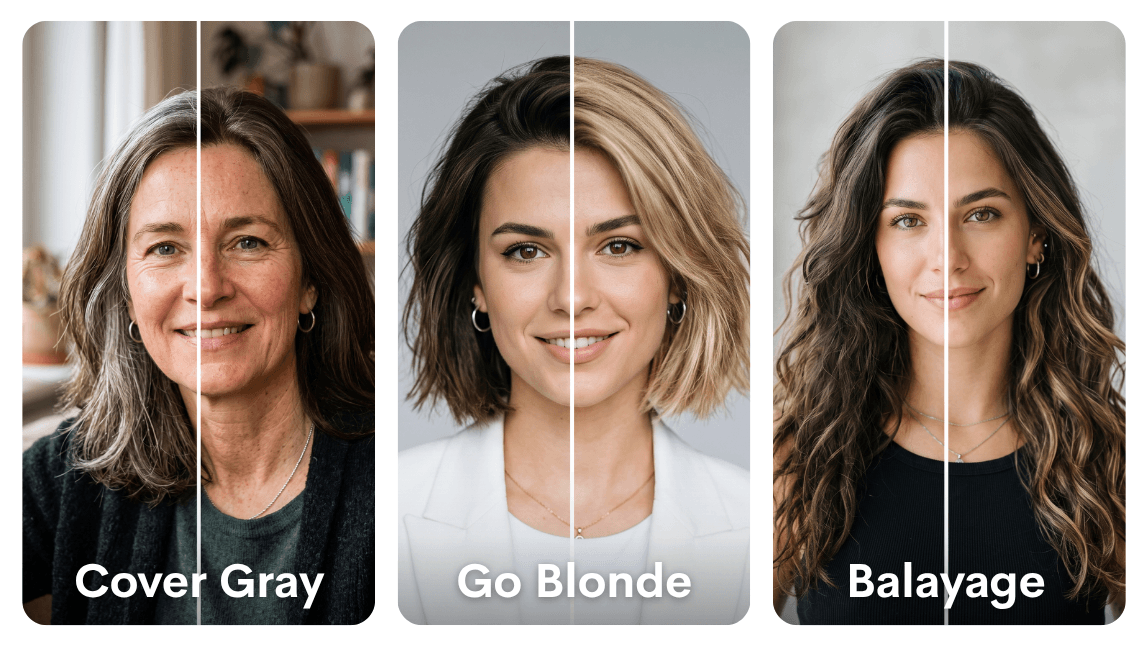
The term is broader than "hair dye" because it includes the full service — consultation, formulation, application, and aftercare, not just the product in the bowl.
Globally, an estimated 50–80% of women in the US, Europe, and Japan have colored their hair at some point, which is why the underlying theory behind it is worth understanding whether you're behind the chair or in it.
Hairdressing Color vs. "Hair Dye": Is There a Difference?
In everyday conversation, "hair dye" and "hairdressing color" get used interchangeably, but professionals draw a real line between them.
Hair dye usually refers to the product itself, the tube or bottle.
Hairdressing color refers to the entire service:
- Reading the client's natural level and tone, calculating how much lift a formula needs
- Choosing between permanent, demi-, or semi-permanent chemistry
- Applying it with a technique (foils, balayage, single-process) suited to the desired result.
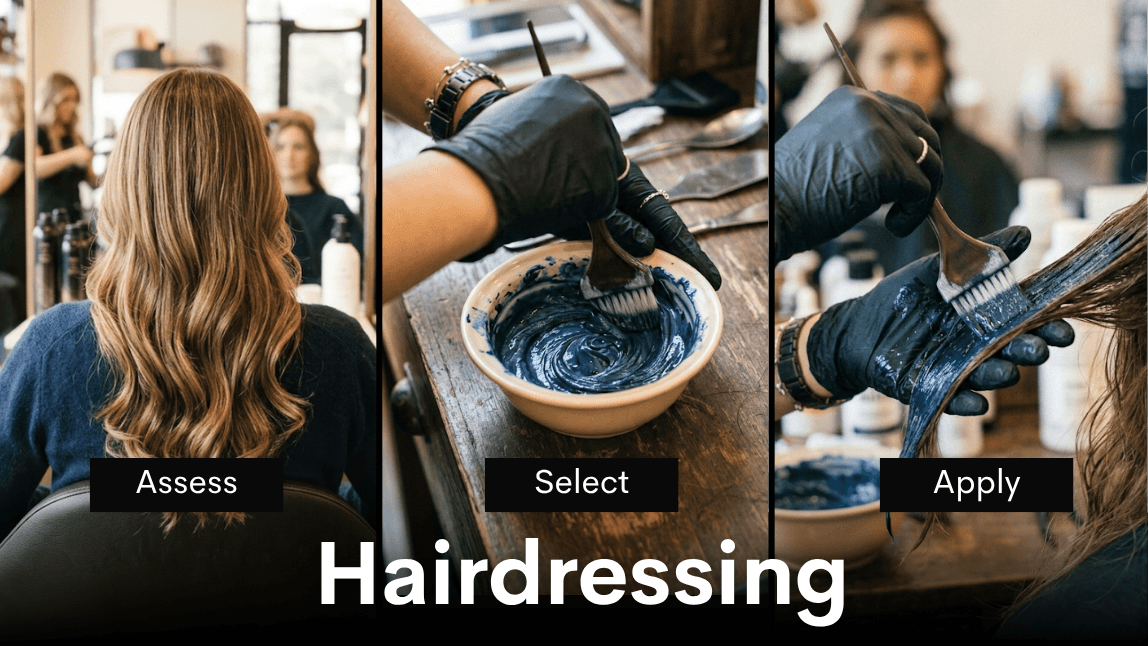
A box dye from a drugstore shelf skips almost all of that diagnostic step, which is the single biggest reason DIY color and salon color can produce such different outcomes from what looks like the "same" shade on the box.
The Science Behind Hair Color: Melanin, Levels & Underlying Pigment
Eumelanin and Pheomelanin: Your Natural Palette
Natural hair color starts with melanin in the hair's cortex. There are two types: eumelanin, a larger, oval-shaped pigment that produces brown and black tones and lifts out relatively quickly, and pheomelanin, a smaller, diffused pigment responsible for red and yellow tones that resists lightening.
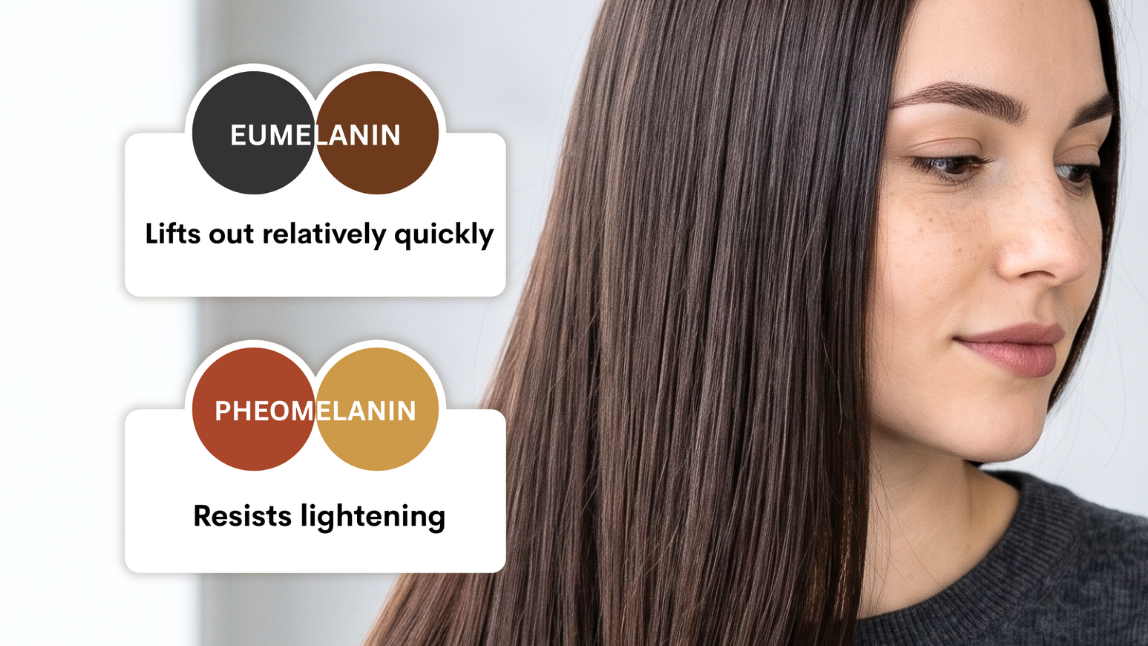
Every head of hair is a different ratio of the two, which is exactly why two "level 4 brunettes" can lift to completely different shades of blonde.
The Level System: From 1 to 10
Colorists describe lightness or darkness using a level system running from 1 (black) to 10 (lightest pale blonde), a framework taught in Milady Standard Cosmetology, the standard textbook used across US-accredited cosmetology and barbering programs mostly.
Moving someone from a level 4 to a level 8 isn't a single-step swap of one color for another, it requires lifting through several underlying stages first.
Underlying Pigment (Contributing Pigment)
As hair lightens, it reveals what colorists call underlying or contributing pigment, which progresses through a predictable sequence: pale yellow → yellow → orange → red-orange → red → brown → black (darkest to lightest, in reverse).
A colorist who can predict which stage a client's hair will pass through can pre-plan the toner needed to neutralize it, the difference between a clean ash blonde and a brassy one.Hair Color Theory Every Colorist (and Client) Should Know
The Color Wheel in Hairdressing
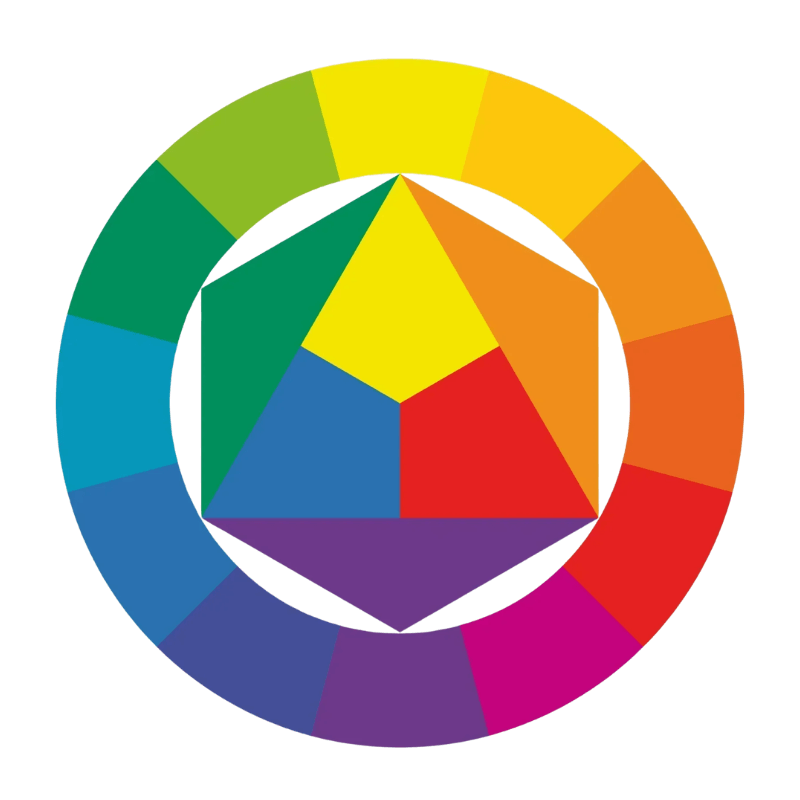
Hair color theory borrows directly from the standard color wheel: three primary colors (red, yellow, blue) combine into three secondary colors (orange, green, violet), which combine again into six tertiary colors.
Complementary Colors: How Colorists Neutralize Unwanted Tones
Colors sitting directly opposite each other on the wheel are complementary, and mixing them cancels both out toward brown or gray.
That's the theory behind toning: green cancels red (why a green-based toner rescues an overly warm copper), and violet cancels yellow (why purple shampoo exists at all).
Understanding this single relationship explains most of what happens on a colorist's mixing tray.
Types of Hairdressing Color Products
| Type | How it works | Longevity | Best for |
|---|---|---|---|
| Permanent | Opens the cuticle, alters natural pigment via ammonia/peroxide | Until it grows out (touch-ups every 4–8 weeks) | Full gray coverage, dramatic change |
| Demi-permanent | Deposits color without full penetration | ~20–28 washes | Blending grays, enhancing natural tone, adding shine |
| Semi-permanent | Coats the cuticle, no ammonia or peroxide | ~6–12 washes | Testing a new shade, refreshing faded color |
| Temporary | Sits on the hair surface | One shampoo | Festival colors, events, low-commitment fun |
Popular Hairdressing Color Techniques
Once the formula is right, application technique decides the final look:
- Single-process color — one shade, applied root to tip, for full gray coverage or a dramatic overhaul.
- Highlights and lowlights — foiled sections that lighten or darken strands to build dimension.
- Balayage and ombre — hand-painted or gradient techniques prized for soft, low-maintenance regrowth.
- Color correction — multi-step corrective work that fixes a previous service gone wrong.
- Gloss and glaze — a quick demi-permanent top coat that refreshes tone and shine between full services.
Hairdressing Color Trends to Watch in 2026
2026's overarching mood is "healthy luxury": color that reads expensive through shine and dimension rather than sheer brightness.
Within that theme, a few directions stand out:
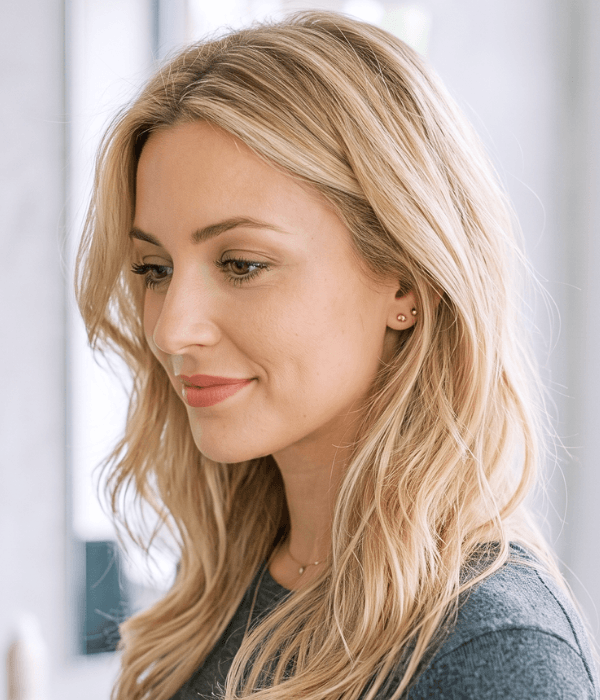
Ethereal and butter blonde
Pale, almost-white platinum on one end, and a softer sun-kissed butter tone on the other, both leaning glossy over matte.
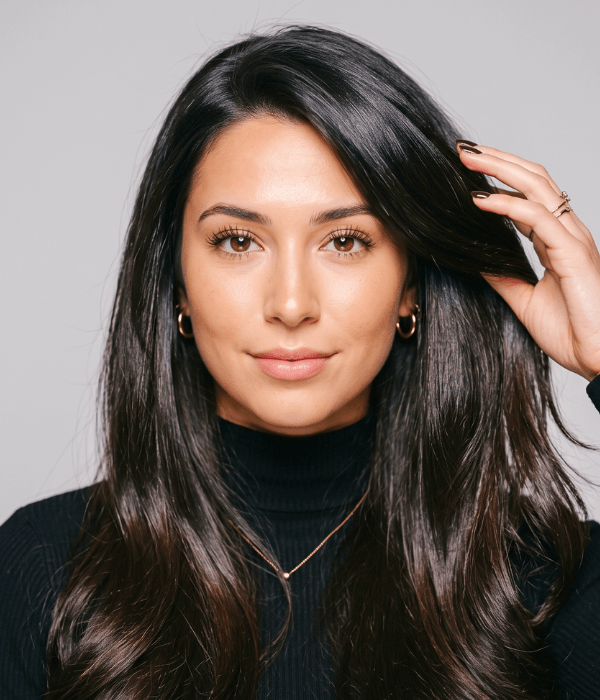
Midnight brunette
Deep brown blended with soft black for a glass-like shine that stops just short of flat black.
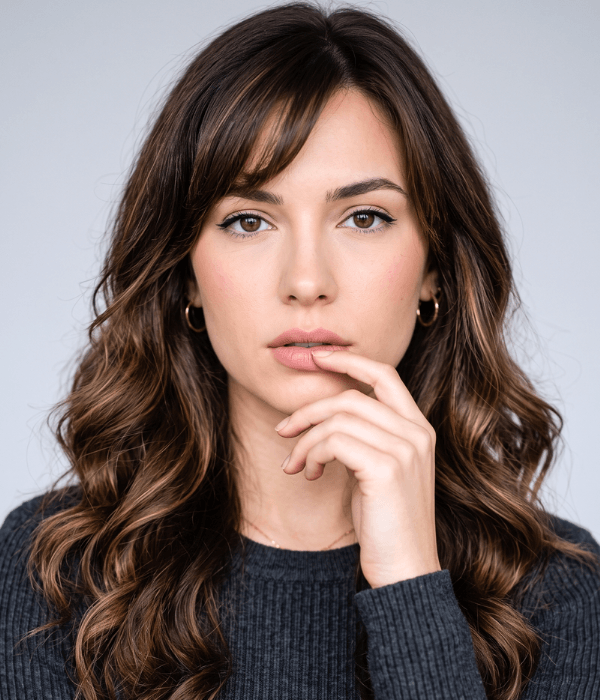
Warm brunettes and espresso
Brunettes and blondes trending warmer and richer, while reds cool down and coppers soften into wearable neutrals.
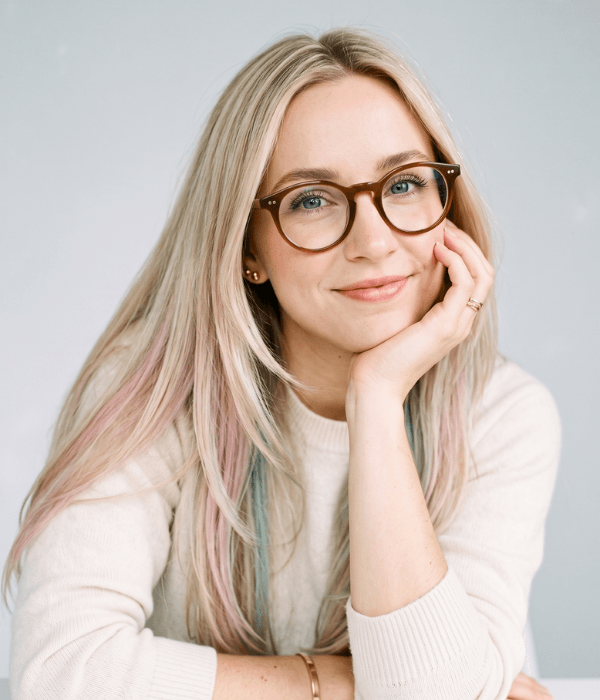
Pops of color
Jewel-toned or pastel accents (think pink or teal) layered into an otherwise natural base, especially later in the year.
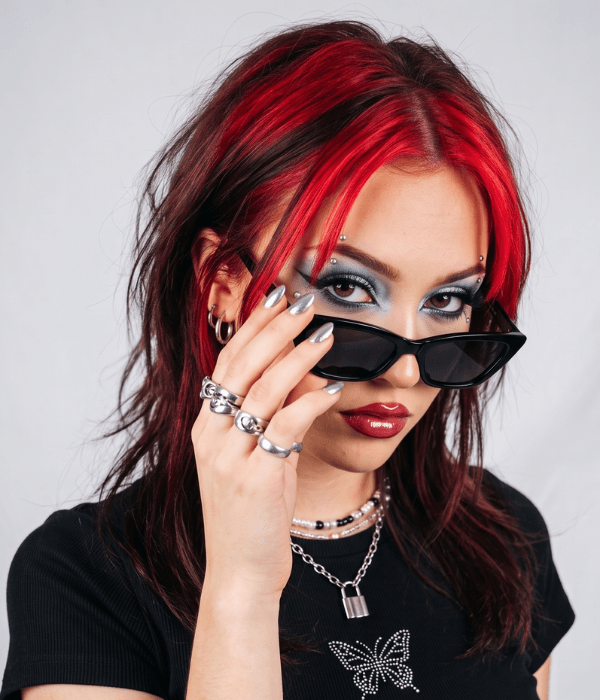
'90s and Y2K contrast
Bold, high-contrast dimensional color making a comeback after several years of ultra-blended, low-maintenance looks.
How to Choose Your Hairdressing Color
Trend charts aside, the right hairdressing color still comes down to three personal factors:
Skin undertone — warm undertones
Typically flatter golds and coppers, cool undertones flatter ash and icy tones, and this maps closely to seasonal color analysis (Spring/Summer/Autumn/Winter).
Lifestyle and maintenance
Vivid fashion shades fade fastest and need the most upkeep; balayage and soft highlights grow out gracefully.
Hair health
Already-processed or damaged hair may not tolerate aggressive lifting, which is why a consultation (not just a swatch book) matters.
How AI Is Changing Hairdressing Color Consultations
The biggest shift in hairdressing color over the past few years isn't a shade — it's the consultation itself.
Perfect Corp's AI Hair Color Analysis reads a live camera feed to detect a client's current hair depth and undertone, sorts it into recognizable color families (from auburn to platinum), and cross-references skin undertone to suggest a seasonal color type — then lets the client preview the recommended shades through virtual try-on before a single formula is mixed.
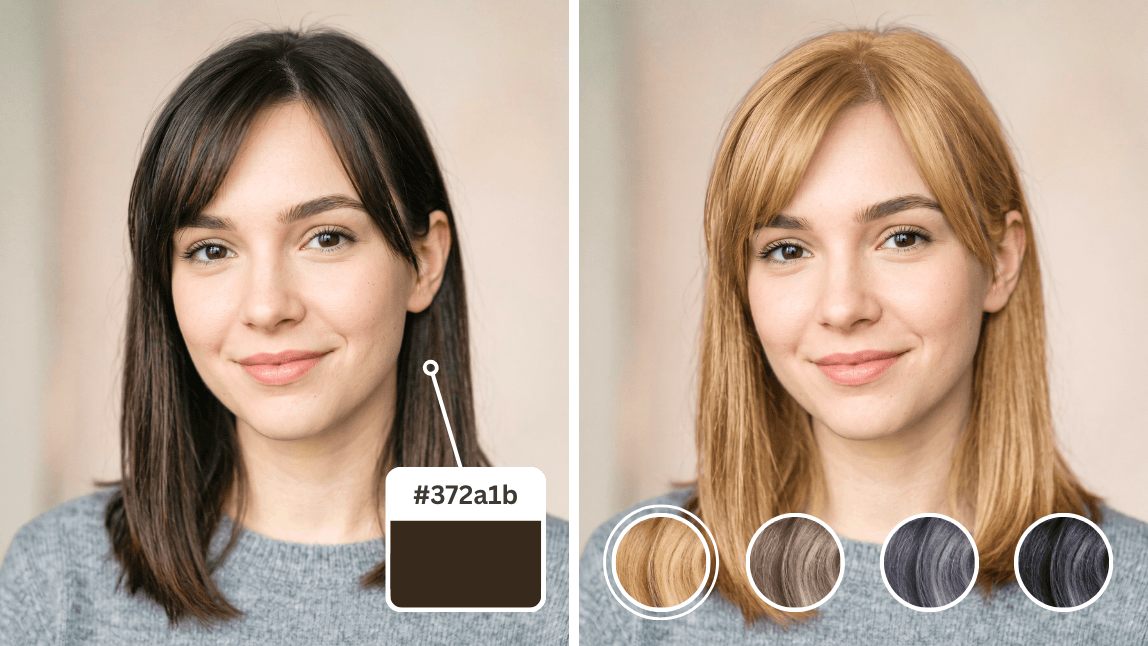
It's the kind of tool built on the same level-and-tone logic covered above, deployed across 800+ beauty and fashion brand partners globally. Developers can explore the underlying API to see how that detection works under the hood.
Common Hairdressing Color Mistakes to Avoid
- Skipping a strand test — especially before any high-lift or corrective service.
- Ignoring underlying pigment — going blonde without planning for the orange/red stage in between leads to brassy, uneven results.
- Choosing color in isolation from skin tone — a gorgeous shade on a color chart can still clash with a client's undertone.
- Over-processing already-color-treated hair — stacking lightening services too close together is the fastest route to breakage.
- Trusting lighting alone — salon lighting, phone cameras, and daylight all render tone differently; a shade that looks neutral under one light can read warm or ashy under another, which is part of why digital color-matching tools have become a standard consultation step rather than a novelty.
Frequently Asked Questions
What is hairdressing color?
Hairdressing color is the professional service of changing hair's pigment — through depositing, lifting, or both — to cover gray, correct color, or create a new look, encompassing consultation, formulation, and application by a trained colorist.
What are the levels in hair color theory?
The level system runs from 1 (black) to 10 (lightest blonde), describing how light or dark a hair color is regardless of tone, and is the framework colorists use to plan how much lift or deposit a formula needs.
What color cancels out unwanted tones in hair?
Complementary colors on the color wheel neutralize each other: green cancels red/warmth, and violet cancels yellow/brass — the theory behind most toners and purple shampoo.
How long does hairdressing color last?
Permanent color lasts until regrowth (touch-ups every 4–8 weeks), demi-permanent lasts roughly 20–28 washes, semi-permanent 6–12 washes, and temporary color washes out after a single shampoo.
What hair colors are trending in 2026?
2026's biggest hairdressing color trends include ethereal and butter blondes, midnight brunette, warmer espresso brunettes, softened copper, and pops of jewel-toned or pastel color layered over a natural base.
Can AI help you pick a hairdressing color?
Yes, AI hair color analysis tools can detect current hair depth and undertone from a live camera feed, match it to a seasonal color type, and let users preview shades via virtual try-on before committing to a formula.
How often should hairdressing color be touched up?
Root touch-ups for permanent color are typically needed every 4–8 weeks, demi-permanent glosses every 4–6 weeks, and grow-out-friendly techniques like balayage every 10–16 weeks.
Whether you're a colorist refining formulas or a brand building the next hair color consultation experience, understanding both the theory and the trend cycle is what separates a good result from a lucky one. Explore Perfect Corp's AI beauty tech solutions to see where hairdressing color is headed next.